
Are Lilies Truly Fatal to Cats? — Key Facts on Nephrotoxicity Symptoms and Emergency Treatment
If your cat ingests lilies, it can cause immediate kidney damage. Here’s the essential information every pet owner should know.

Is My Cat’s Blood Pressure Okay? — The Dangerous Link Between Hypertension and Kidney Disease
High blood pressure in cats can be a major cause of kidney disease. Early detection and management improve survival rates. Here’s a summary of key information every pet owner should know.

Is High Phosphorus Dangerous in Cats? — Key Points on Hyperphosphatemia and Phosphate Binders
Hyperphosphatemia is a common complication of chronic kidney disease in cats. Phosphate binders are the cornerstone of treatment for controlling blood phosphorus levels. Here’s a summary of the key information every pet owner should know.

Feline Hydronephrosis: Causes and When Surgery Is Needed
Feline hydronephrosis is a condition in which urine accumulates in the kidneys, and early detection is key to successful treatment. Here’s a summary of the essential information every pet owner should know.

Is Your Cat’s Proteinuria Glomerulonephritis? — Causes and When to Visit the Vet
Feline glomerulonephritis is a condition in which damage to the kidney’s glomeruli causes protein to leak into the urine. Early detection and management are key.

Will Cat Dehydration Damage the Kidneys? — Warning Signs You Must Not Miss and Key Countermeasures
Early detection is key to saving a cat’s life when it comes to dehydration and kidney damage. Here’s a summary of the symptoms, causes, and management strategies that every pet owner should know.

Late-Stage Feline Chronic Kidney Disease: Preserving Quality of Life — Palliative Care Q&A
For cats with chronic kidney disease (CKD), maintaining quality of life is more important than curative treatment. Here’s a summary of palliative care and management strategies that pet owners should know.

How Fast Does Feline CKD Progress? — Q&A on Monitoring Progression with Numbers
We’ve compiled essential information for pet owners on how to regularly monitor the progression of chronic kidney disease (CKD) in cats and why it’s so important.

Why Does Anemia Occur in Cats with Kidney Disease? — Causes of EPO Deficiency and Treatment Timing
EPO-deficiency anemia is a common complication in cats with chronic kidney disease. It’s important for pet owners to understand the causes, symptoms, and treatment options for this condition.

Feline Pyelonephritis: Warning Signs You Must Not Miss — Key Facts on Bacterial Kidney Infection
Feline pyelonephritis is a serious infectious disease caused by bacteria invading the kidneys. Early detection and appropriate treatment are key to survival and recovery.

Is Your Puppy’s Heart Murmur a Ventricular Septal Defect? — Symptoms, Diagnosis, and Management
Ventricular septal defect (VSD) in puppies is a congenital heart disease where blood flows abnormally due to a hole in the wall between the heart's ventricles. Here’s a summary of the key information every pet owner should know.
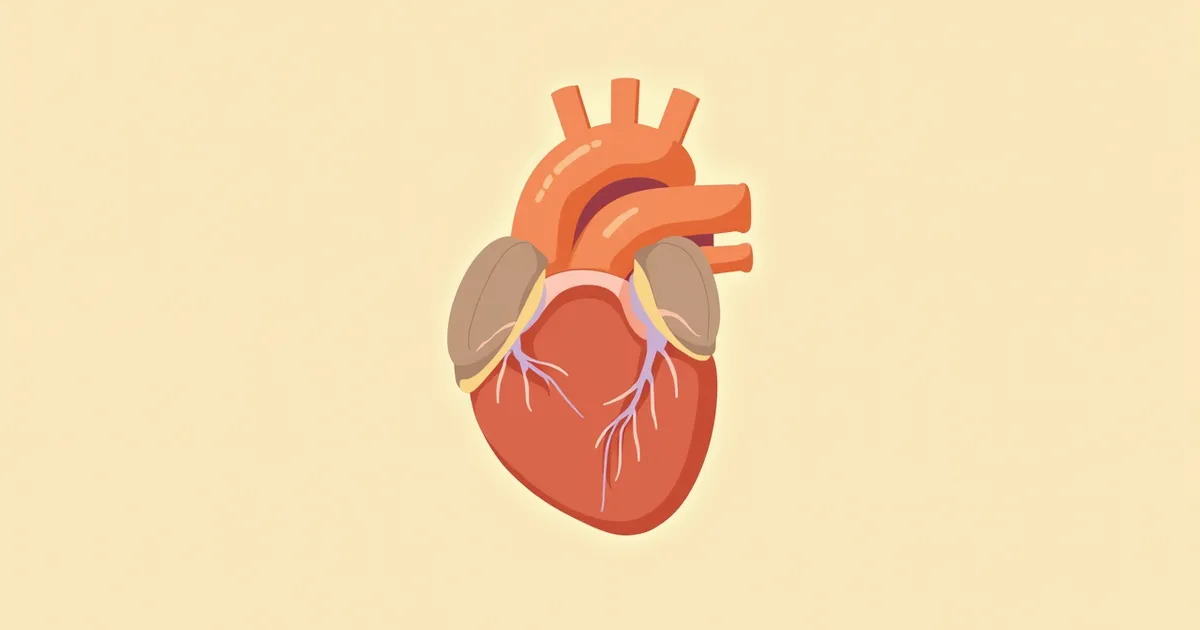
What is Canine Tricuspid Valve Dysplasia? — Congenital Heart Malformation, Symptoms, and When to Seek Veterinary Care
Canine tricuspid valve dysplasia is a congenital heart condition caused by abnormal development of the heart valve, making early detection and management crucial. Here’s a summary of key information every pet owner should know.

Complete Guide to Pulmonary Artery Stenosis in Dogs — From Symptoms to Surgical Treatment Timing
Pulmonary artery stenosis in dogs is a condition in which blood flow to the lungs is restricted due to an abnormality in heart structure. Early detection and proper management are essential.

What is Patent Ductus Arteriosus (PDA) in Puppies? — Treatment and Surgical Timing
Patent ductus arteriosus (PDA) in puppies is a congenital heart defect in which the ductus arteriosus, a blood vessel that should close at birth, remains open, placing extra strain on the heart. Early detection and treatment are essential.
Dog Mitral Valve Disease (MVD) FAQ — Key Information Every Pet Owner Should Know
Mitral valve disease (MVD) is a common heart condition in small-breed dogs, and early detection and management can significantly extend their lifespan. Here’s a summary of the key information every pet owner should know.
Frequently Asked Questions About Hypertensive Heart Disease in Dogs — Key Information Every Pet Owner Should Know
Early detection is crucial for improving survival rates in dogs with hypertensive heart disease. We’ve compiled the essential information every pet owner should know in a Q&A format.

What are the stages of canine heart failure (ACVIM classification)? — At which stage is treatment necessary?
Management of canine congestive heart failure varies by stage according to ACVIM guidelines. Here’s a summary of the key information pet owners need to understand.

A Complete Guide to Dog ECG Tests: When to Get One and What It Reveals
An electrocardiogram (ECG) is a key test for early detection of abnormal heart rhythms in dogs. We’ve compiled the essential information every pet owner should know in a Q&A format.

Should Your Dog Have a Cardiac Ultrasound (Echocardiogram)? — Procedure and Result Interpretation
Echocardiography is a key diagnostic tool that precisely evaluates your dog’s heart structure and function. Here’s a Q&A summary of the essential information every pet owner should know.

What is Canine Heart Surgery (Valve Repair and PDA Ligation)? — From Indications to Recovery
Valve repair and PDA ligation during heart surgery are life-saving treatments for dogs. Here are the key questions and answers every pet owner should know.

Frequently Asked Questions About Prescription Diets for Canine Heart Disease — Key Points Pet Owners Must Know
We’ve compiled the most common questions pet owners have about prescription diets for managing canine heart disease. Here’s how to choose the right food and care for your dog effectively.

Can My Dog’s Heart Disease Be Detected Early? — A Guide to Early Screening Timing and Methods
Early screening for heart disease in dogs is key to detecting risks before symptoms appear. Early detection significantly improves treatment outcomes.

Is Your Dog Breed at Risk? A Complete Guide to Breed-Specific Heart Disease Predispositions
Heart disease risk varies by dog breed. Knowing the predispositions of specific breeds allows pet owners to detect issues early and manage them effectively.

Why Are Beta-Blockers Used for Dogs' Hearts? — Q&A on Effects and Precautions
Here’s a concise overview of the essential information pet owners need to know when their dog is prescribed beta-blockers for heart disease treatment. Get a clear, at-a-glance summary of potential side effects, proper administration methods, and important precautions.

What is Canine Aortic Stenosis? — How Do Symptoms and Prognosis Differ?
Canine aortic stenosis is a heart condition heavily influenced by genetic factors, making early detection and management crucial. Here’s a summary of the key information every pet owner should know.

Why Are ACE Inhibitors Used for Dogs' Hearts? — Q&A on Effects to Side Effects
Here’s a Q&A guide covering the essential information pet owners need to know about ACE inhibitors, which are commonly used to treat heart disease in dogs.

My Cat’s Heart Is Beating Fast — Warning Signs of Ventricular Tachycardia and When to Go to the Vet
Ventricular tachycardia in cats is a serious condition characterized by a rapid heart rate that can threaten heart function. Here’s a summary of key information pet owners should know.

What Is Feline Ventricular Septal Defect? Key Facts From Symptoms to Prognosis
Feline ventricular septal defect is a congenital heart malformation. Although symptoms may be mild, it can lead to serious complications. We’ve compiled the key information every pet owner should know.

Assessing Heart Size on Feline Chest X-rays — From Normal Readings to Warning Signs
We’ve compiled essential information for pet owners on how to assess heart size using feline chest X-rays and what the findings mean. Early detection of abnormal heart size is crucial.

What Kind of Heart Medication Is Spironolactone for Cats? — Effects, Side Effects, and Precautions for Administration
Feline heart disease can lead to impaired cardiac function, and spironolactone is used as a treatment. We’ve compiled the key information every pet owner should know.
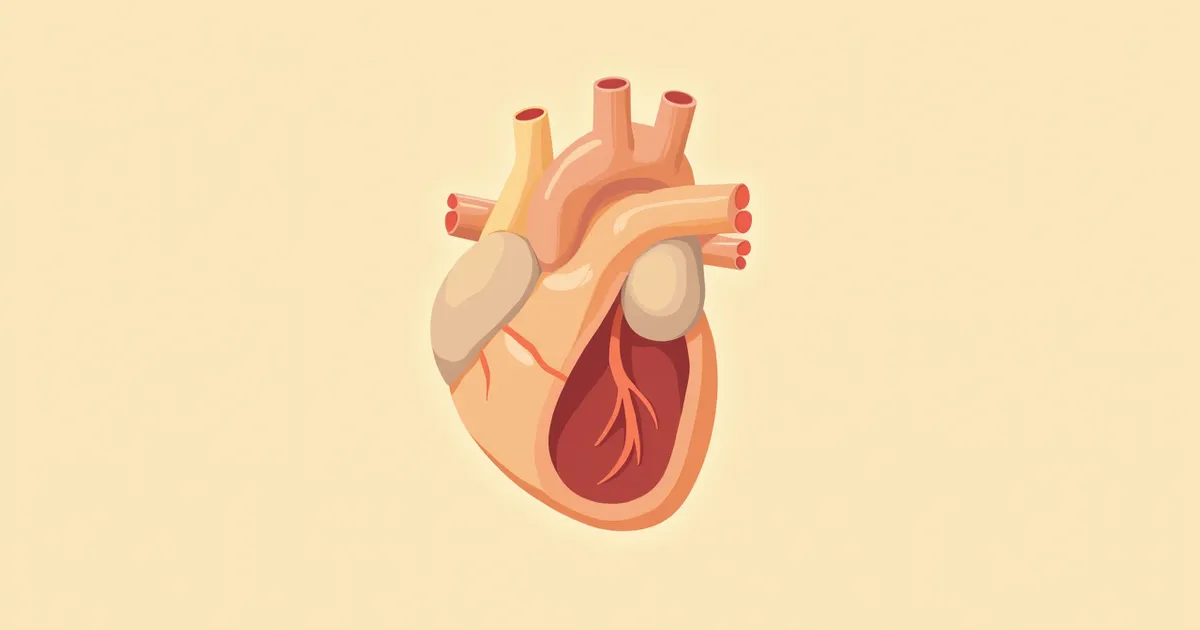
What Is Feline Pulmonary Artery Stenosis? — Heart Murmurs, Symptoms, and Treatment Options
Feline pulmonary artery stenosis is a condition in which blood flow to the lungs is restricted due to a heart valve abnormality. Early detection and management are crucial.

What is Feline Pulmonary Arterial Hypertension? — Symptoms of Labored Breathing and When to Seek Veterinary Care
Feline pulmonary hypertension is a condition that can be difficult to detect early, so we’ve compiled the essential information pet owners need to know in a Q&A format.
What is Feline Pericardial Effusion and Cardiac Tamponade? — Emergency Warning Signs and Treatment Timing
Feline pericardial effusion and cardiac tamponade are emergency conditions that threaten heart function. We’ve summarized the key symptoms and response steps that pet owners should know.

Do Cats Get Pacemakers Too? — Complete Guide to Timing, Costs, and Recovery
Feline pacemaker implantation is a surgical procedure performed when a cat’s heart rate is so slow that it poses a life-threatening risk. Here’s a summary of the essential information every pet owner should know.

What is Feline Endocarditis? — A Pet Owner’s Essential Guide to Symptoms and Treatment
Feline endocarditis is an infectious heart disease, and early detection is key to survival. We’ve compiled the essential symptoms, diagnostic methods, and treatment options that pet owners should know.
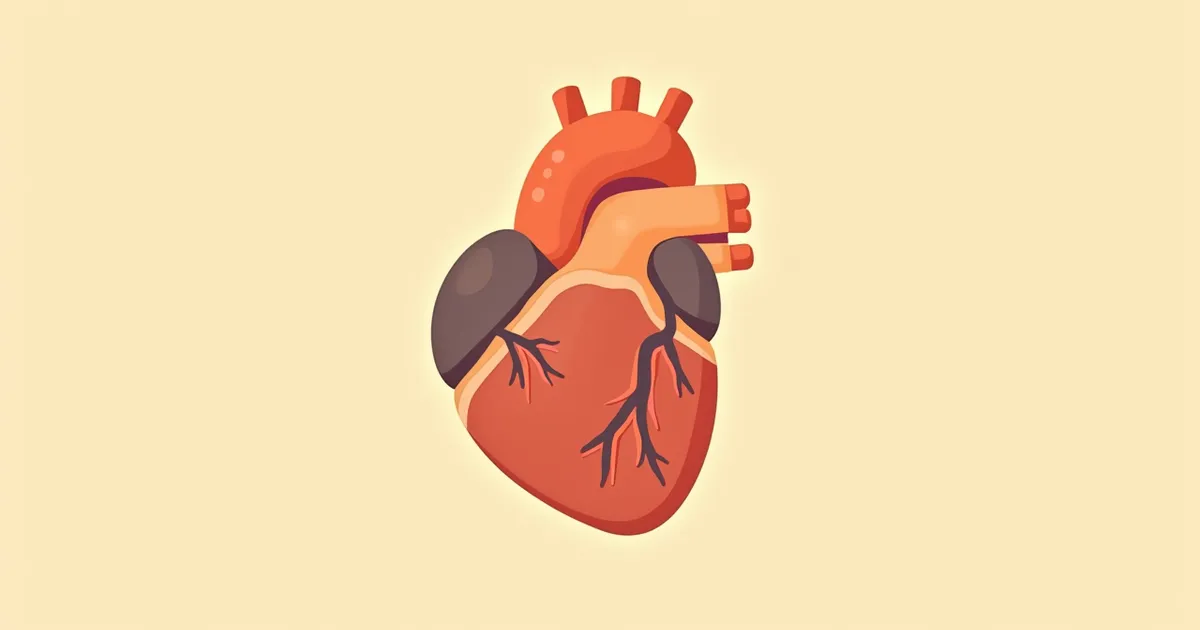
What is Feline Hypertrophic Cardiomyopathy (HCM)? — From Causes to Signs Requiring a Vet Visit
Hypertrophic cardiomyopathy (HCM) in cats is a heart condition strongly influenced by genetics, making early detection and management crucial for survival. Here’s a summary of the key information every cat owner should know.

What Is Feline Hypertensive Heart Disease — Warning Signs You Must Not Miss
Feline hypertensive heart disease occurs when high blood pressure places excessive strain on the heart, leading to impaired cardiac function. Early detection and proper management are crucial.

What Are the Stages of Feline Heart Failure? — Key Points of ACVIM Classification and Stage-Specific Management
The ACVIM staging criteria for feline heart failure help accurately determine the disease’s progression stage. When pet owners understand these stages, they can take early action and develop an appropriate treatment plan.

Can I exercise my cat with heart disease? — Key to daily management of exercise restriction
In feline heart disease, restricting exercise is a crucial measure to preserve life. Here’s a summary of the essential questions and answers that pet owners should know.

Why is a feline electrocardiogram (ECG) test necessary? — A summary of the procedure and result interpretation
An electrocardiogram (ECG) is a key test for early detection of abnormal heart rhythms in cats. Here’s the essential information every pet owner should know.

What Are Feline Ectopic Beats? — Warning Signs and When to Visit the Vet
Feline ectopic beats are abnormal, early heart contractions. While most are asymptomatic, they can sometimes signal serious heart disease. Here’s what pet owners need to know.

My Cat Is Suddenly Breathing Rapidly — Emergency Signs of Heart Failure and When to Go to the Vet
Early detection is crucial for improving survival rates in cats with heart failure. We’ve outlined the immediate actions and precautions pet owners should take in emergency situations.

Should You Feed Prescription Heart Diets to Cats? — A Complete Guide to Benefits and Proper Feeding
We’ve compiled the essential information about prescription diets for managing feline heart disease into a helpful Q&A format that pet owners should know.

When Should You Have Your Cat’s Heart Checked? — Early Screening Points When There Are No Symptoms
Feline heart disease can progress rapidly because early symptoms are often absent. Prevention is possible only when you know the proper screening methods and warning signs.

Why Are Certain Cat Breeds Prone to Heart Disease? Is Your Cat at Risk?
Genetic factors play a significant role in the breed-specific predisposition to heart disease in cats. By familiarizing themselves with the warning signs in high-risk breeds and scheduling regular check-ups, pet owners can help ensure early detection.

If Your Cat’s Heart Is Beating Irregularly — Causes of Atrial Fibrillation and When to Visit the Vet
Feline arrhythmia (atrial fibrillation) is a condition in which the heart beats irregularly, making early detection and proper management essential. Here’s a summary of the key information every pet owner should know.

Are feline antiarrhythmic medications necessary? — Which drugs are used and when?
We’ve compiled the most frequently asked questions from pet owners about administering antiarrhythmic medications to cats. We provide thorough guidance on drug types, administration methods, side effects, and important precautions.

Are ACE Inhibitors Necessary for Cats? — Key Q&A on Heart Medication Effects and Side Effects
Here’s a clear summary of the essential information pet owners need to know about ACE inhibitors used in treating feline heart disease. Learn about administration, side effects, and precautions at a glance.

What Is Canine Intraocular Pressure Measurement (Tonometry)? — Why Is It Important for Early Glaucoma Detection?
Measuring your dog’s intraocular pressure is an important test for the early detection of serious eye conditions such as glaucoma. We’ve compiled key questions and answers that every pet owner should know.

If Your Dog’s Night Vision Is Dimming — Signs and Diagnosis of Progressive Retinal Atrophy (PRA)
Progressive retinal atrophy (PRA) in dogs is a genetic disease that causes gradual vision loss. Early detection and management are important.

What is Canine Ocular Ultrasound? — When is it Necessary and How to Interpret the Results
Canine ocular ultrasound is a non-invasive test that allows for precise examination of the internal structures of the eye. It is essential for identifying the causes of vision loss or eye pain.

Tumor in My Dog’s Eye? — Early Signs of Intraocular Tumors and When to Visit the Vet
Early detection of canine anal gland tumors significantly improves treatment outcomes. Here are the key facts every pet owner should know.

What is hypertensive retinopathy in dogs? — How to prevent sudden blindness
Hypertensive retinopathy in dogs is a condition where high blood pressure causes damage to the retina. Early detection and management are key to preserving vision.

If Your Dog’s Eye Has Protruded — Proptosis First Aid and the Golden Hour
Canine eye protrusion is an acute emergency. It’s essential to understand the breeds at risk, underlying causes, immediate first aid steps, and treatment options. We’ve compiled the key information every pet owner should know in a Q&A format.

What Is Canine Glaucoma? — Warning Signs You Must Not Miss Before Vision Loss
Canine glaucoma is a serious eye condition that can lead to vision loss. We’ve compiled the essential information every pet owner should know in a Q&A format.

Why Is My Dog Producing So Much Tear? — Causes of Tear Stains and Management Methods
Excessive tearing and tear stains in dogs can be more than just a cosmetic issue—they may signal an underlying health concern. Here’s a summary of the key causes and management strategies that every pet owner should know.

If Your Dog Has Red Eyes and Excessive Tearing — Causes of Ectropion and When to Act
Ectropion in dogs is a condition where the eyelid turns outward, causing irritation to the eye, and certain breeds are at a higher risk. Here’s a summary of the key information pet owners should know.

Canine Cataract Surgery (Phacoemulsification): From Surgical Procedure to Recovery
Cataract surgery (phacoemulsification) for dogs is an effective way to restore vision. I’ll provide detailed guidance on pre- and post-operative care and the expected prognosis.

What Are Feline Vitreous Opacities (Floaters)? — Causes and Warning Signs Q&A
Feline vitreous opacities occur when cloudy particles float in the vitreous humor, potentially affecting vision. Here’s a summary of key questions and management tips for pet owners to know.

What is the Schirmer tear test for cats? — When to get it and how to interpret the results
The Schirmer tear test, which accurately measures tear production in cats, is a key tool for early detection of dry eye. Here’s the essential information every pet owner should know.

Is My Cat Losing Its Vision? — Symptoms and Diagnosis of Age-Related Retinal Degeneration Q&A
Age-related retinal changes in cats can lead to vision loss. Early detection and proper management are key.

What is feline ocular ultrasound? — When, why, and what it reveals
Feline ocular ultrasound is a key diagnostic tool for accurately identifying abnormalities within the eye. We’ve compiled the essential information every pet owner should know in a Q&A format.

What Is Feline Lens Luxation? — Emergency Signs to Prevent Blindness and Treatment Q&A
Feline lens luxation is an emergency condition that can cause sudden vision loss and pain. Here’s the essential information every pet owner should know.

Frequently Asked Questions (FAQ) on Treating Feline Dry Eye (Cyclosporine) — Key Information Every Pet Owner Should Know
Feline dry eye, or keratoconjunctivitis sicca, is a condition caused by insufficient tear production, and cyclosporine is a primary treatment. Here’s a summary of the key information every pet owner should know.

What is feline hypertensive retinopathy? — Sudden vision loss signals and vision management
Hypertensive retinopathy in cats is eye damage caused by high blood pressure, and early detection is crucial. We’ve compiled the key information every pet owner should know in a Q&A format.

Feline Glaucoma: Medication or Surgery? — Key Q&A on Treatment Options
Feline glaucoma is a serious condition that can lead to vision loss. We’ve compiled the essential information every pet owner should know about the effectiveness, timing, and potential side effects of medical and surgical treatments.

What is Feline Infectious Peritonitis (FIP)-Associated Uveitis? — Can Eye Signs Raise Suspicion of FIP?
Feline infectious peritonitis (FIP)-associated uveitis is a condition that can be difficult to detect early, and eye abnormalities may be the first sign. Here’s a summary of key information every cat owner should know.

How to Administer Eye Drops to Cats: Key Tips for Safe Application Without Struggling
Administering eye drops to cats requires proper technique. Incorrect application can reduce the medication’s effectiveness and cause stress for your cat. In this article, we’ll answer your most frequently asked questions.

What’s the Difference Between Corneal Ulcers and Corneal Erosion in Cats? Causes to Treatment Explained
Corneal ulcers in cats are painful eye conditions that require prompt treatment. Here’s a summary of the key questions and responses every pet owner should know.

Can My Blind Pet Still Be Happy? — Essential Guide to Caring for Blind Pets
Cats and dogs that are blind may find daily life challenging due to their visual impairment. Here’s a summary of essential care tips and coping strategies that pet owners should know.
What is a Canine T4 Test? — Key Thyroid Test Facts Every Pet Owner Should Know
We’ve compiled the most common questions pet owners have about T4 testing for diagnosing thyroid dysfunction in dogs. We’ll walk you through everything you need to know, from test preparation to interpreting the results.

Why Is My Dog Losing Hair Symmetrically? — Symptoms and Treatment of Sex Hormone-Related Skin Conditions
Skin conditions related to sex hormones in dogs are caused by hormonal imbalances, leading to hair loss and flaky skin. We’ve compiled the essential information every pet owner should know in a Q&A format.

My puppy is acting strange after birth — could it be a hormonal abnormality during pregnancy or lactation?
Abnormalities caused by hormonal changes during pregnancy and lactation in dogs are important signs that pet owners should be aware of. This content addresses frequently asked key questions.

If Your Puppy Keeps Collapsing — Causes and Warning Signs of Tumor-Induced Hypoglycemia
Hypoglycemia caused by tumors in puppies is rare but can be life-threatening. Here’s a Q&A summary of the key information every pet owner should know.

Canine Obesity and Insulin Resistance: Signs to Know Before Diabetes Develops
Canine obesity can lead to insulin resistance. Here’s a summary of key questions and answers that pet owners should know.

What is Canine Addison’s Disease? — Warning Signs of Adrenal Crisis You Must Not Miss
Canine hypoadrenocorticism (Addison’s disease) is a rare endocrine disorder caused by a deficiency of hormones. Early diagnosis and proper management are essential for survival.

When should you get a comprehensive endocrine system checkup for your dog? — What items are checked?
A comprehensive endocrine system checkup for dogs is a key test for early detection of hormonal imbalances. Here’s a summary of essential questions and answers that pet owners should know.

Why Is Endocrine Hypertension in Dogs Dangerous? — How to Recognize Early Warning Signs
Early detection and management are key to addressing endocrine-related hypertension in dogs. Here’s a Q&A guide with essential information every pet owner should know.

What is canine diabetes? — How to recognize early symptoms
Canine diabetes is an endocrine disorder in which blood sugar regulation becomes difficult due to a lack of insulin. We’ve compiled the key information every pet owner should know in a Q&A format.

My Cat Drinks Too Much Water — Could It Be Primary Hyperparathyroidism?
Feline primary hyperparathyroidism is a metabolic disorder caused by excessive production of parathyroid hormone, which can lead to bone damage and impaired kidney function. Early detection and proper management are essential.

Will my cat really gain weight after neutering? — How to manage hormonal changes
Here’s a roundup of the most common questions pet owners ask about hormonal changes after cat neutering. We’ll walk you through everything—from behavioral shifts and weight gain to health impacts—with clear, detailed explanations.

What Are Pituitary Tumors in Cats? — Signs of Hormonal Imbalance and Diagnostic Points
Pituitary tumors in cats are a common endocrine disorder that can cause hormonal imbalances, making early detection and management crucial. Here’s a summary of the key information every pet owner should know.
What is feline pheochromocytoma? — Warning signs and diagnosis of chromaffin cell tumors
Feline pheochromocytoma is a rare tumor that can cause serious hormonal imbalances. Early detection and appropriate treatment are key to improving survival rates.

Frequently Asked Questions (Q&A) on Hypoglycemia Caused by Tumors in Cats — Key Information Pet Owners Must Know
Hypoglycemia caused by tumors in cats is rare but dangerous. We’ve compiled the key information pet owners need to know in a Q&A format.

Feline Obesity and Insulin Resistance FAQ — Key Information Every Pet Owner Should Know
Feline obesity can lead to insulin resistance, which increases the risk of diabetes. We’ve compiled the essential information every pet owner should know.

What is Feline Hypoparathyroidism? — Hypocalcemia Symptoms and Management
Feline hypoparathyroidism is an endocrine disorder that causes seizures, weakness, and other symptoms due to impaired calcium regulation. Here’s a summary of the key information pet owners should know.

Do Cats Need to Take Thyroid Medication for Life? — Drug Therapy Efficacy and Side Effects
Here’s a summary of the essential information pet owners need to know about medication for feline hyperthyroidism. Check out everything from medication selection to side effects and management tips.

My Cat Has High Blood Sugar — Is This a Sign of Diabetes? Causes and Tests
Feline hyperglycemia is closely linked to diabetes, making early detection and management crucial. Here’s a summary of the key information every pet owner should know.
Feline Hyperaldosteronism FAQ — Key Information Every Pet Owner Should Know
Feline hyperaldosteronism is an endocrine disorder caused by excessive secretion of aldosterone from the adrenal cortex, leading to high blood pressure and low potassium levels. We’ve compiled the essential information every pet owner should know in a Q&A format.

Should Cats Undergo a Comprehensive Endocrine System Checkup? — A Complete Guide to Test Items and Timing
A comprehensive endocrine system checkup for cats is a key test for early detection of major diseases such as diabetes and hyperthyroidism. We’ve organized the essential information every pet owner should know in a Q&A format.

What is Feline Endocrine Hypertension? Early Detection Signs to Prevent Blindness and Kidney Failure
Feline endocrine hypertension is a common condition, and early detection and management are crucial. We’ve summarized the key information every pet owner should know.

What is feline ectopic ACTH syndrome? — What symptoms should you look for?
Feline ectopic ACTH syndrome is an endocrine disorder caused by excessive production of adrenal cortex hormones. Early diagnosis and appropriate management are essential.

What is feline diabetes? — From polydipsia and polyuria signs to insulin management
Early detection and consistent management are key to feline diabetes. We’ve compiled the essential questions and answers every pet owner should know.

Frequently Asked Questions About Feline Diabetes Insipidus — Key Points Pet Owners Must Know
Feline diabetes mellitus is an endocrine disorder characterized by excessive thirst and frequent urination. For early detection and effective management, it is essential for pet owners to accurately understand the causes and appropriate care strategies for this condition.

My dog trembles at the vet — Is this normal, and how can I help?
We’ve compiled practical insights into why dogs fear the vet, how to handle it, and ways to prevent it. Here’s a quick overview of the essential information every pet owner should know.

Dog Separation Anxiety FAQ — Key Points Every Owner Must Know
This is a key Q&A summarizing the symptoms, causes, desensitization and counterconditioning training methods, and when to consider medication for separation anxiety in dogs, all based on veterinary behavioral science.

My Puppy Trembles at Strangers and New Environments — Is It Due to Insufficient Socialization?
We’ve compiled the most common questions from pet owners about insufficient socialization in dogs, covering causes, symptoms, and correction methods, all based on veterinary behavior science.

Will the first dog get stressed when the second one comes home? — How to help with new family member adjustment
We’ve compiled a Q&A covering the causes of stress, behavioral signals, and a 7-day step-by-step introduction method for your existing dog when a new family member arrives.

Why Does Your Puppy Growl at Other Dogs? — Warning Signs and Correction Timing
Dog-on-dog aggression in puppies is a behavioral issue stemming from a combination of stress, anxiety, and wariness. Knowing the right way to respond can help reduce the risk.

Dogs That Destroy the House When Left Alone — Is Separation-Related Destructive Behavior Normal?
We’ve compiled a Q&A guide on the causes and solutions for destructive behaviors, such as chewing furniture or scratching doors, when dogs are left alone.