
My Dog Changed After the Baby Was Born — Is This Normal?
We’ve compiled a Q&A guide explaining the causes of jealousy, anxiety, and regression in dogs after a baby is born, along with step-by-step adaptation management strategies for the pre- and postpartum periods.

Why Is My Cat Constantly Licking and Losing Hair? — Causes and Management of Psychogenic Alopecia
Feline psychogenic alopecia is a behavioral hair loss condition caused by excessive licking due to stress or anxiety. We’ve compiled the most frequently asked questions from pet owners—covering causes, diagnosis, treatment, and environmental improvements—based on veterinary evidence.

Is Your Cat’s Hunting Instinct Too Strong? — Just Play or Does It Need Management?
We’ve compiled a Q&A on the causes, symptoms, and management of excessive hunting instincts in indoor cats. It covers everything from designing a daily play routine to recognizing warning signs, focusing on the essentials.

Is Your Cat Avoiding the Litter Box? — Key Q&A on Causes and Solutions
There are three main reasons why cats may avoid using their litter box: environmental issues, medical problems, and stress. We’ve put together a checklist by category and step-by-step solutions to help address the issue.

Do Cats Grieve Too? — Behavioral Changes and Care Q&A After Pet Loss
The grief that follows the loss of a cat is a normal psychological response. We’ve compiled a Q&A covering common emotions owners experience—such as guilt, apathy, and loss of appetite—along with ways to heal and access professional support.

If Your Cat Licks Until It Loses Fur — Signs of Compulsive Behavior and When to Visit the Vet
We’ve compiled a Q&A covering the causes of repetitive licking or chewing in cats, how to distinguish it from normal grooming, signs that it’s time to visit the vet, and environmental adjustments you can make at home.

Why Do Cats Fight? — Causes and Management of Same-Species Aggression
Our veterinary behavior consulting team has compiled a Q&A guide on the types, causes, and step-by-step behavior modification strategies for recurrent same-species aggression among cats living in the same household.

Why Has My Cat Changed Since the Baby Arrived? — Behavioral Changes and Adaptation Timing
It’s common for cats to hide, eat less, or groom excessively after giving birth—these are typical stress responses. We’ve compiled the essentials every owner should know, including causes, coping strategies, and warning signs, in a convenient Q&A format.
Dog Mammary Tumors FAQ — Key Information Every Pet Owner Must Know
Mammary tumors are the most common type of tumor in female dogs. We’ve compiled a Q&A covering everything pet owners need to know, from early detection to surgery and spaying for prevention.

My Cat Is Urinating Outside the Litter Box — Is It a Simple Mistake or a Sign of Disease?
When cats urinate outside the litter box, this inappropriate elimination behavior is often caused by a combination of medical and behavioral factors. We’ve outlined a step-by-step approach, from diagnosing the underlying cause to implementing environmental and behavioral modifications.

Why Does Feline Cognitive Dysfunction Occur? — Causes, Behavioral Modification, and Treatment
We’ve compiled a veterinary-backed guide on the causes, symptoms, treatment, and behavioral modification strategies for cognitive dysfunction syndrome (CDS) in cats aged 11 and older.

If Your Cat Repeats the Same Behavior — Signs of Compulsive Disorder and Treatment
Feline compulsive disorder is a behavioral medical condition characterized by repetitive, uncontrollable behaviors such as excessive grooming, vocalizing, and chewing. This guide covers everything from causes and diagnosis to behavior modification techniques and pharmacological treatments, all based on veterinary literature.

What are hookworms in puppies? — Why do anemia and weight loss occur?
Hookworms in dogs are parasitic worms that cause anemia and weight loss by feeding on blood. This guide covers everything from early warning signs like pale gums and black stools, to diagnosis via fecal testing, deworming treatment, and prevention of reinfection.
Preventing Mammary Tumors in Dogs — Spaying Timing and Risk Reduction Effects
Mammary tumors in dogs are one of the most preventable cancers, with spaying before the first heat cycle reducing the risk to as low as 0.5%. We’ve put together a comprehensive guide covering age-related risk levels and how to perform at-home checks.

Emergency Response for Cat Exposure to Dangerous Spring Flowers — Tulips, Azaleas, Daffodils
This guide for pet owners outlines the most dangerous spring flowers for cats—such as tulips, azaleas, daffodils, and lilies—and explains emergency response steps based on the six-hour golden window, all according to veterinary toxicology textbook standards.

What if a cat eats grapes or raisins? Kidney damage risks and symptoms different from dogs
Although there are fewer reported cases in cats than in dogs, consuming grapes or raisins can cause kidney damage and is considered a potential poisoning risk. If you suspect your cat has ingested them, it's safest to contact your veterinarian immediately.

Can Dogs Eat Walnuts and Pecans? — Key Facts on Poisoning Symptoms and First Aid
Walnuts and pecans are dangerous for dogs because they can contain mold toxins, are high in fat, and may include xylitol, all of which can cause tremors, vomiting, and pancreatitis. We’ve outlined the symptoms by stage, emergency first aid steps, and recovery care tips.

If Your Dog Ate Wild Mushrooms During a Walk — Emergency Steps and Risks by Type
Here’s what you need to know about emergency steps if your dog eats wild mushrooms during a walk, including the risks associated with specific types like death cap, Galerina, and psilocybin mushrooms, as well as the critical window for treatment.

Cat Lymphoma (Intestinal Form) Symptoms — When to Suspect Chronic Vomiting and Weight Loss
We’ve compiled a guide based on veterinary internal medicine standards, covering the early symptoms of intestinal lymphoma—one of the most common tumors in cats—along with subtle signs owners often overlook and when it’s time to bring your cat to the vet.

If Your Dog Ate Dark Chocolate? — Why It’s More Dangerous and Risk Levels by Type
Here’s why dark chocolate is more than five times as dangerous for dogs as milk chocolate, along with a clear breakdown of the toxic dose by chocolate type and your dog’s weight. We also guide you on what to do immediately after your dog ingests chocolate.

Recurrent Urinary Tract Infections in Dogs — Diagnosis and Treatment Guide by Cause
We’ve broken down the six main reasons why dogs suffer from recurrent urinary tract infections, and organized diagnosis, treatment, and prevention strategies for each cause in a way that’s easy for pet owners to understand.

A Lifetime Guide to Feline Diabetes Symptoms and Insulin Management — From Early Signs to Dietary Care
We’ve compiled everything pet owners need to know for life: the definition and early signs of feline diabetes, insulin injections and dietary management, and even “remission,” where insulin can be discontinued.

Symptoms of Feline Hyperthyroidism — Check for Ravenous Appetite and Weight Loss
Here’s a summary of the key symptoms of feline hyperthyroidism and the checkpoints you can verify at home. If your cat is eating well but losing weight, this should be the first condition you suspect.

What Happens If a Cat Eats Chocolate? Theobromine Poisoning and Symptoms Different from Dogs
Chocolate poisoning in cats differs from that in dogs. Cats have a reduced ability to taste sweetness, so they tend to consume chocolate less frequently. However, due to their smaller body size and slower metabolism, even the same amount of chocolate can pose a higher risk to them.
Is it okay to participate in veterinary clinical trials? — Key points to carefully consider regarding procedures and risks
We’ll explain everything pet owners need to know about participating in veterinary clinical trials, including what they are, how to apply, and what to look out for.

Is the AI pet food recommendation algorithm truly trustworthy?
We’ve put together a clear, pet-owner-friendly explanation of how our AI-powered pet food recommendation algorithm works and the veterinary-backed criteria that make it trustworthy.

What is AI imaging diagnostics? — Key points on whether it can be used for your pet’s exam
AI imaging diagnostics is a supportive technology that uses artificial intelligence to analyze X-rays, CT scans, and other imaging data to predict the likelihood of disease. We’ve outlined its useful applications and limitations for pet owners to keep in mind.

Can I Raise a Child and a Pet Together? — Key Safety Rules to Prevent Bite Incidents
We’ve organized essential safety guidelines for households with both children and pets, categorized by age and situation. This includes key information every guardian should know, such as preventing bite incidents, maintaining hygiene, and fostering proper interactions.

Can You Raise a Newborn and a Pet Together? — Key Hygiene, Immune, and Safety Guidelines
To ensure newborns and pets coexist safely at home, it’s important to focus on hygiene, vaccinations, space separation, and behavioral adaptation. Here are some key points for preventing infectious diseases and managing stress.

How to Get a Pet Nutritionist Certification: A Complete Guide to Types, Acquisition Process, and Career Prospects
The Pet Nutritionist certification is a credential that validates your expertise in providing nutritional counseling for pets. We’ve outlined the differences between domestic private certifications and international professional credentials, how to obtain them, and realistic career paths.

Essential Information on Pet Expos in Korea
We’ve compiled all the essential information pet owners need to know, including the timing of major pet expos in Korea, key highlights to look out for, and important precautions when bringing your pet along.

Causes and Management of Social Avoidance Behavior in Dogs and Cats
We’ve outlined the causes of social avoidance behavior in pets—such as hiding from family members or other animals—and step-by-step ways to address it. You’ll also learn about key triggers like pain, fear, and stress, as well as when it’s time to visit the vet.

Should I Take My Pet to the Vet? — Key Checklist for Home Skin Checks
Here’s a veterinary-backed guide on how to check your pet’s skin at home and when it’s time to visit the vet.

How to Check Your Pet’s Gums and Teeth at Home — See a Vet If You Notice These Signs
We’ve put together a guide on how to check your pet’s gum color, tartar buildup, and bad breath at home, along with clear signs that it’s time to visit the vet. Checking just once a week can help catch periodontal disease early.
Guide to Veterinary Emergency Medicine Specialists
We’ll explain how veterinary emergency medicine specialists differ from general practitioners, when to seek their care, and how they compare to 24-hour animal hospitals. We’ve also covered specialist qualifications and treatment costs.
What Is a Veterinary Surgeon? — When to Refer and How They Differ
We’ve put together a practical guide that explains who veterinary surgeons are, when to refer a case to them, and how to verify their credentials and prepare for the visit.
What is a veterinary nutritionist? When to see one and what to expect
A veterinary nutritionist is a veterinarian who has completed specialized training in veterinary nutrition. Here’s how we handle referrals for consultations on chronic diseases, homemade diets, and prescription diets.

When to See a Veterinary Behaviorist — Is Medical Treatment the Answer for Problem Behaviors?
We’ve outlined who a veterinary behaviorist is, when to schedule a visit, and how they differ from general trainers or veterinarians. Learn how to manage separation anxiety, aggression, and compulsive behaviors all in one place.
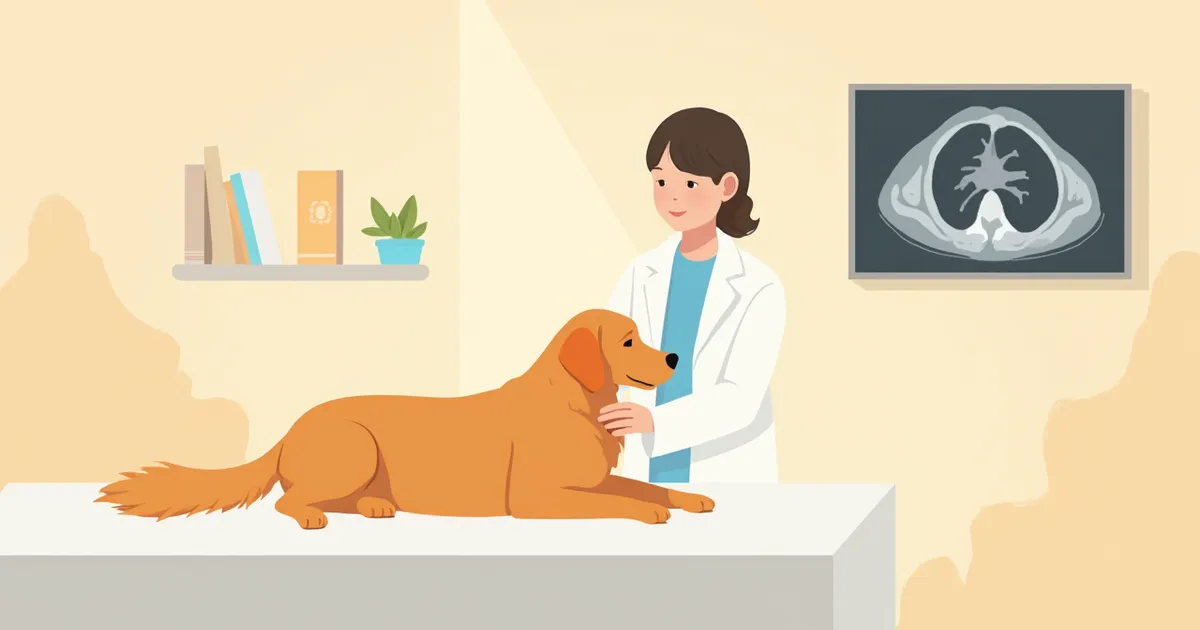
Guide to Veterinary Oncology Specialist Care
We’ve compiled the essential information every pet owner should know about veterinary oncology, including what these specialists do, when to seek their expertise, the diagnostic process, and associated costs.
When to See a Veterinary Ophthalmologist: A Guide to Symptoms Requiring Referral
Veterinary ophthalmologists are specialists who use advanced equipment to diagnose and treat eye conditions that are difficult to assess at general animal hospitals. Here’s a summary of the symptoms that warrant a referral and the typical flow of care.

Can You Live with a Pet If You Have Allergies? — How to Reduce Symptoms
We’ve compiled evidence-based veterinary and medical information on the causes, symptoms, and daily management strategies for pet owners allergic to dogs and cats. We also provide guidelines to help you determine whether living together is feasible.

Earthquakes, Typhoons, and Fires: What About Our Pets? — Essential Disaster-Preparedness Kit Checklist
Our veterinary advisory team has put together a guide on how to assemble a disaster-preparedness kit for your pet and the proper evacuation procedures to keep them safe during emergencies such as earthquakes, typhoons, and fires.

Where to Call for Pet Poisoning? — A Complete Guide to 24-Hour Emergency Hotlines in Korea and the U.S.
We’ve compiled a list of emergency hotlines in Korea and the U.S. to call if your dog or cat ingests a toxic substance, along with information to prepare before making the call.
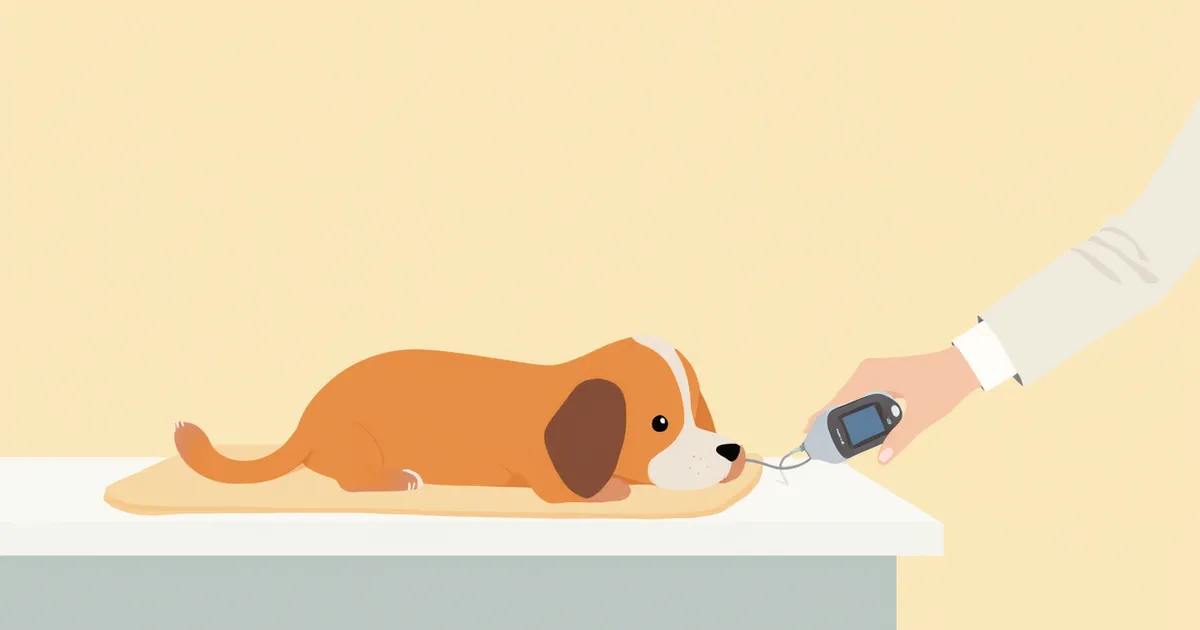
How is a short-term sedation protocol for dogs carried out?
A short-term sedation protocol for dogs involves a step-by-step process, from drug combination and monitoring to recovery. The veterinarian customizes the plan based on the dog's weight and health status.
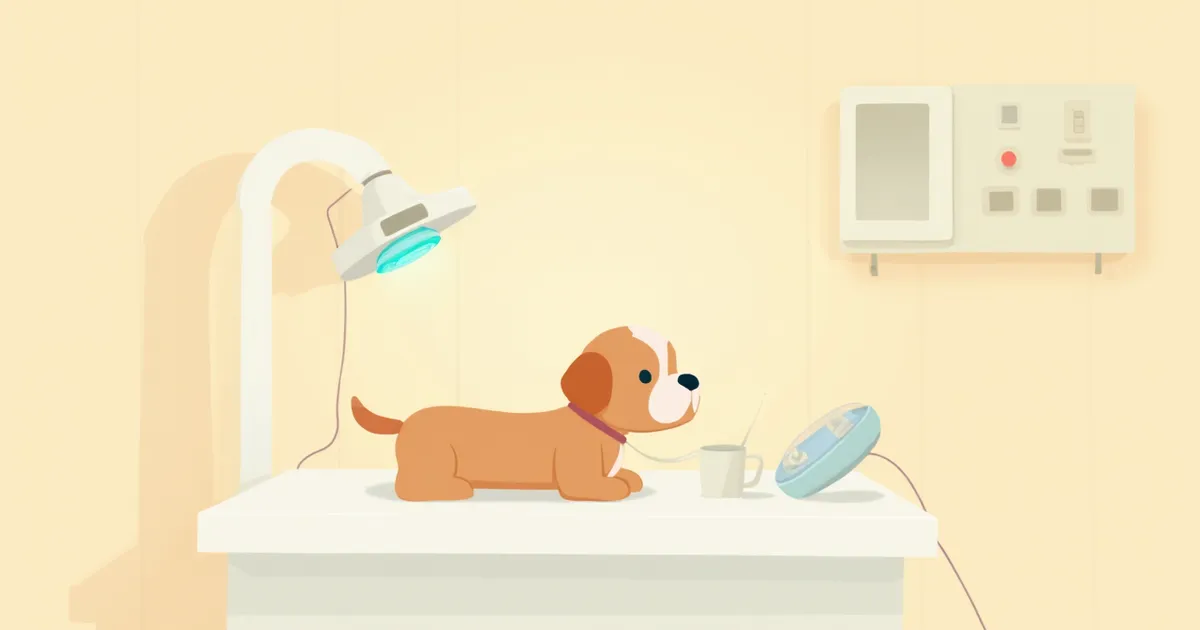
How is emergency anesthesia different from routine anesthesia? Risks and precautions pet owners need to know
Emergency anesthesia is a high-risk procedure that must be carried out quickly, without the luxury of time. We’ve put together a clear overview of pre-anesthetic assessment, drug selection, and monitoring standards from the pet owner’s perspective.

Are ACE Inhibitors Really Effective for Protecting Dogs and Cats' Kidneys?
ACE inhibitors are medications that lower pressure in the kidney’s filtering units, reducing protein in the urine and slowing the progression of chronic kidney disease. They are the first-line treatment for kidney disease with proteinuria in both dogs and cats.
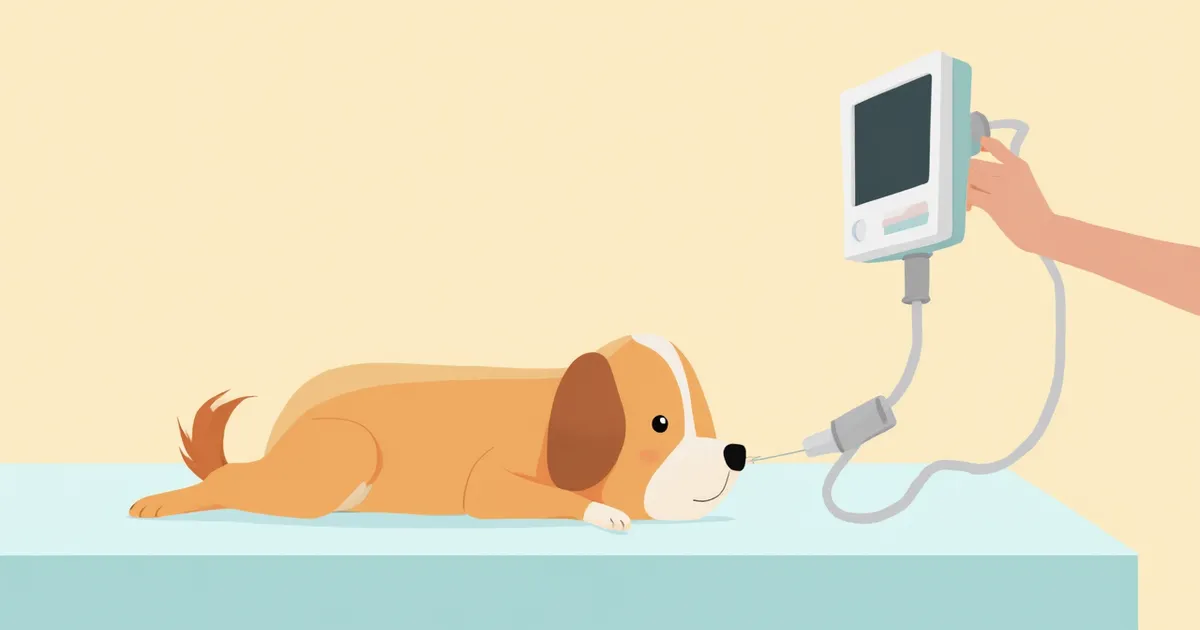
When Is a Kidney Biopsy Essential for Cats? — Key Points on Procedure and Indications
We’ve summarized the key points every pet owner should know about kidney biopsies, including their purpose, procedure, indications, and potential complications.
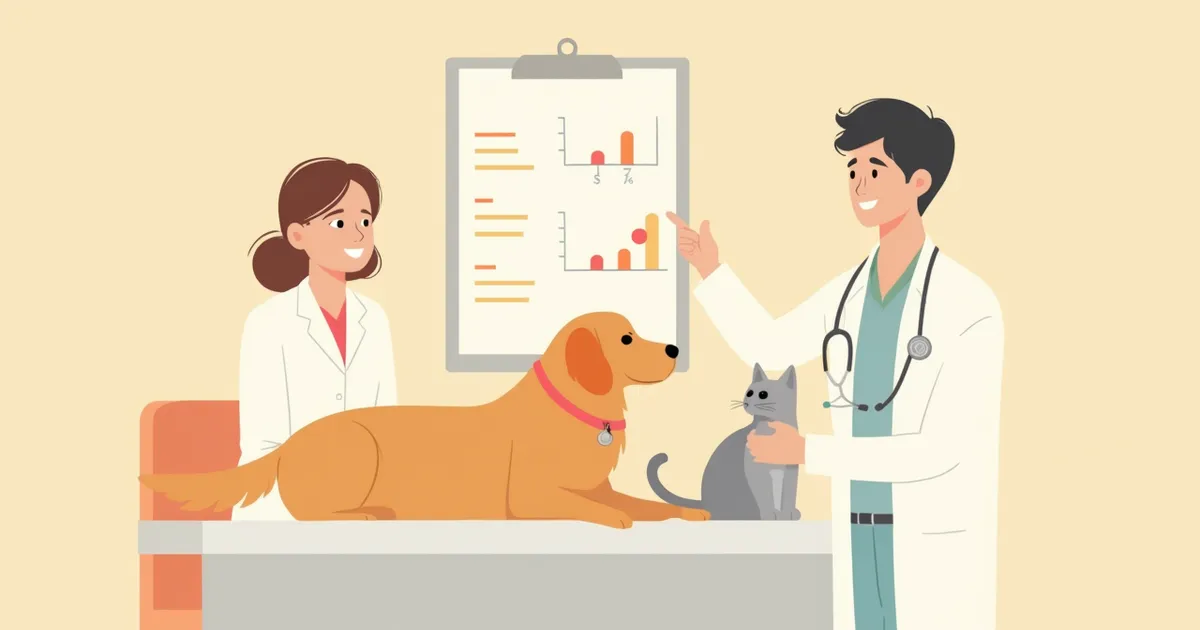
Tumor Grade vs. Stage: What’s the Difference?
Tumor grade indicates how aggressive the cancer cells are, while stage reflects how far the cancer has spread. Both factors need to be considered together to determine the appropriate treatment plan.

The Complete Guide to Interpreting Lymph Node Aspiration Results
Lymph node aspiration is the most basic and safe diagnostic method to find the cause of swollen lymph nodes. I'll explain the terms and their meanings on the result sheet in a way that's easy for pet owners to understand.
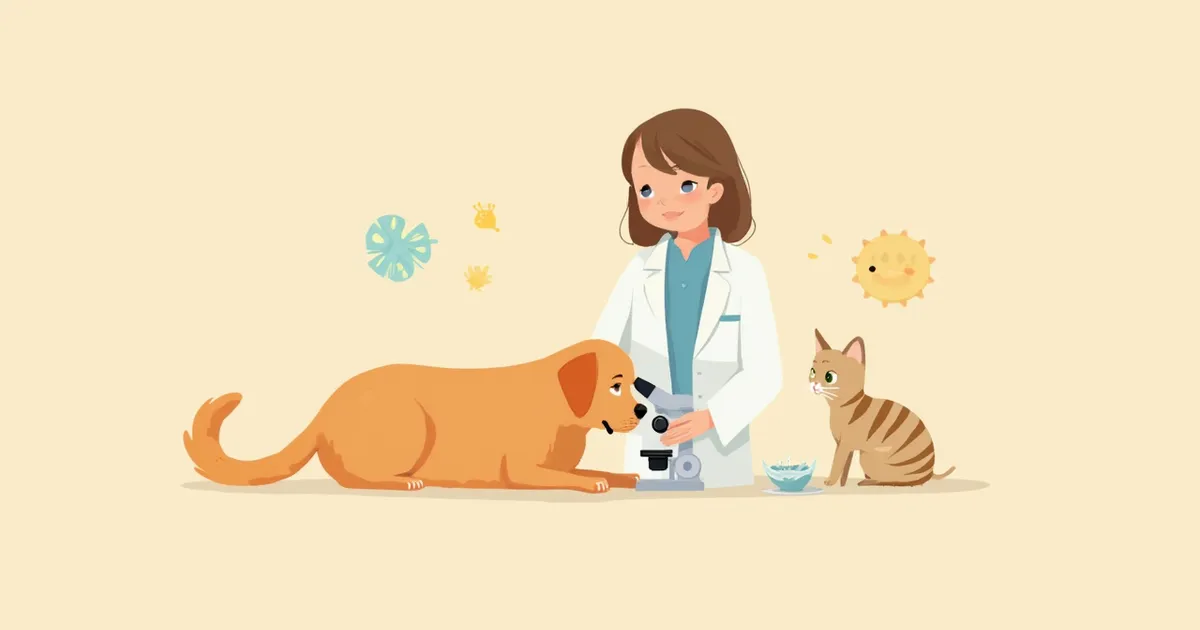
The Ultimate Guide to Distinguishing Cytology Patterns (Inflammation, Neoplasia, and Hyperplasia)
We’ve broken down the three patterns seen in canine and feline cytology—inflammation, neoplasia, and hyperplasia—explaining their differences and what each means, all in pet-owner-friendly terms.

Why Your Dog Licks Its Body and Barks
When your dog licks its body or barks, it may be signaling a mix of issues such as skin or joint problems, or anxiety. Here’s how to identify the underlying cause and some home care tips you can try.

Why Cats Love Empty Boxes: Could It Be Related to Stress?
Cats are drawn to empty boxes due to their instinct to avoid predators, regulate body temperature, and reduce stress. If your cat becomes overly fixated on boxes, it may be a sign of environmental stress.

Why Do Cats Sit on Keyboards? Is It to Get Attention or for Warmth?
Cats sit on keyboards for instinctual reasons such as seeking warmth, attracting attention, or marking their territory. Rather than forcibly shooing them away, it is more effective to provide them with an alternative space.

Is My Cat’s Box Obsession Normal? — Reading the Signs of Stress and Security
Cats instinctively perceive small, dark spaces as safe havens. Their obsession with boxes is a natural behavior driven by a combination of stress relief, body heat retention, and hunting instincts.

Why Dogs Fear People Wearing Hats
Dogs may fear people wearing hats because the altered silhouette and field of vision make them appear unfamiliar. This fear can be effectively reduced through gradual desensitization training.

What Happens to Our Pets During a Power Outage? — Essential Response Steps for Pet Owners
Power outages can put pets at risk due to the loss of heating and cooling, as well as anxiety-related stress. Here’s a guide to essential supplies and step-by-step actions to keep your pet safe.
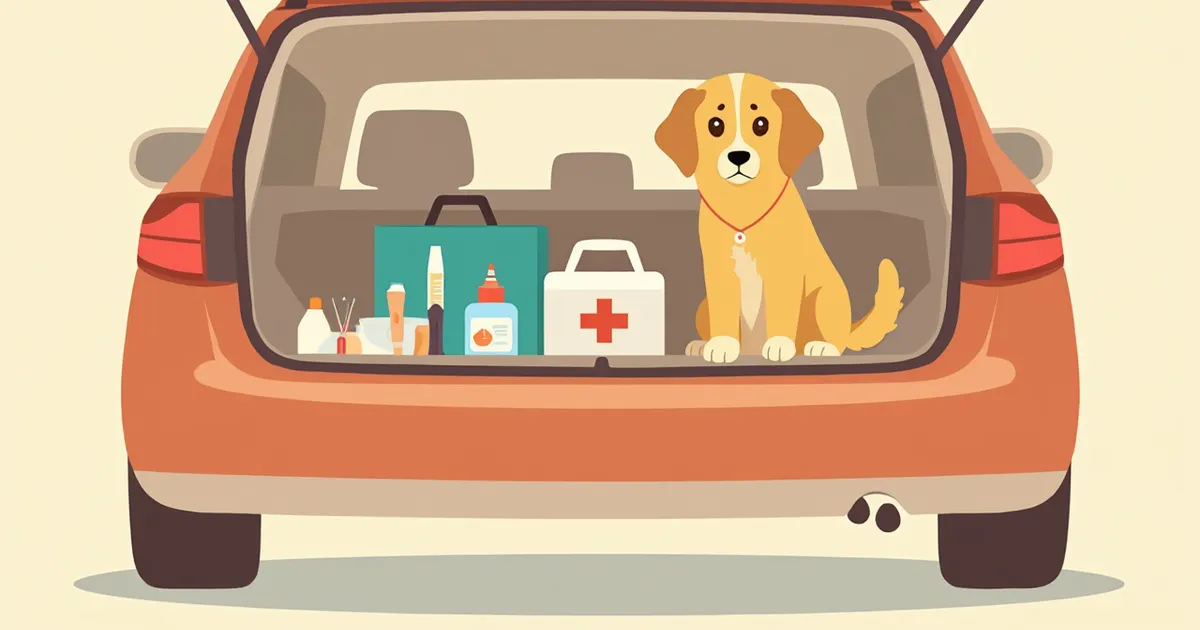
Essential Pet Emergency Kit for Vehicle Travel: What Should You Prepare?
Our veterinary advisory team has compiled a list of essential emergency kit items and instructions for use to help you prepare for emergencies when traveling with your pet in a vehicle.

Pet Outdoor Emergency Kit: What to Pack — A Complete Guide to Essential Components and Preparation
We’ve compiled a veterinary-backed guide to the essential components and proper use of an emergency kit for pets, helping you prepare for unexpected situations during outdoor activities like walks, camping, and hiking.

When to Welcome a New Family Member After Losing a Pet — Signs You’re Emotionally Ready
There’s no one-size-fits-all answer to when to welcome a new pet after saying goodbye to your beloved companion. The key is to carefully consider your own grieving process, the well-being of any remaining pets, and your home environment before making this important decision.

After Saying Goodbye to a Companion — Do Surviving Pets Feel Grief Too?
We’ve outlined how to understand the grief responses that can appear in a surviving pet after losing a companion, along with practical care strategies to help them return to their daily routine.

How to Choose Cat Puzzle Toys — Which One Is Right for Stimulating Your Cat’s Brain?
Cat puzzle toys stimulate your cat’s hunting instincts, helping to engage their brain and relieve stress. Here’s how to choose the right one based on difficulty level and design.

Can I Send My Dog to a Pet Hotel? — When and How to Start Manners Training
The key to good pet hotel manners is preparing your pet in advance by training them to cope with separation anxiety, adapt to unfamiliar environments, and develop basic daily habits. Here’s how you can gradually prepare them starting at least 2–3 months ahead of time.

How to Start Cafe Manners Training for Your Dog — Step-by-Step Methods to Stop Barking and Distraction
Cafe manners training is a form of socialization that teaches your dog to stay calm and relaxed in external environments without getting overly excited. We’ll guide you through step-by-step methods and practical tips.
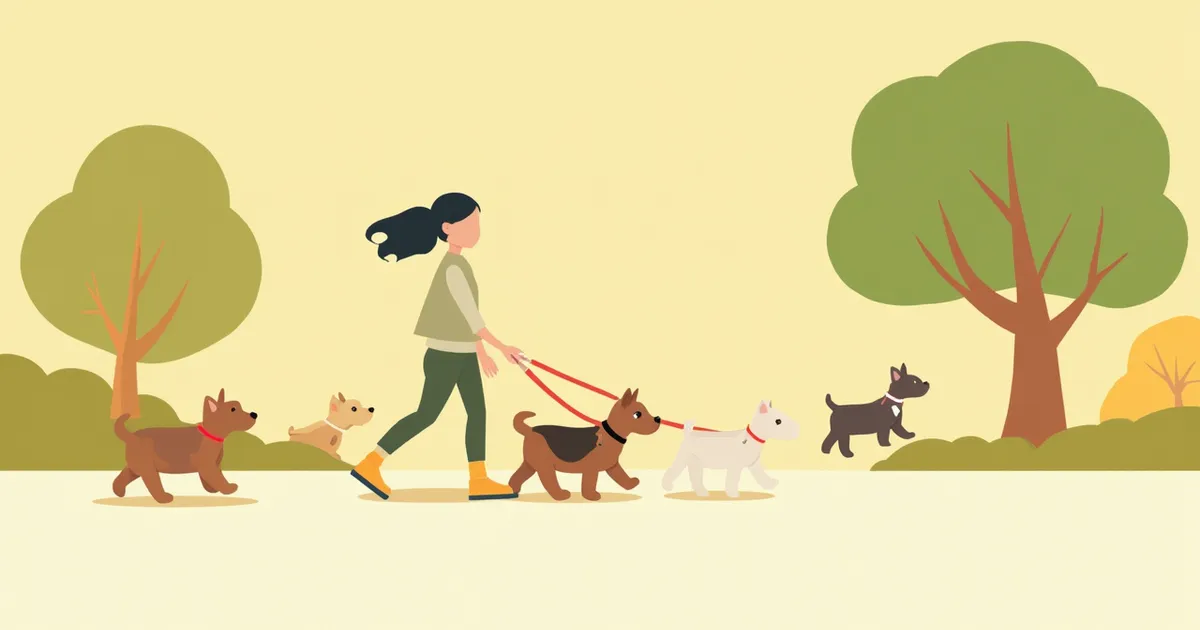
The Complete Guide to Multi-Dog Park Etiquette — From Dog Socialization to Accident Prevention
Here’s a guide to the etiquette and safety rules you should always follow when taking multiple dogs to the park. It’s a practical guide to ensure a comfortable walk for both other pet owners and your furry friends.

Why Are Dogs and Cats Afraid of Grooming? — A Complete Step-by-Step Adaptation Guide
Grooming desensitization training gradually familiarizes pets with grooming tools and handling, enabling them to undergo grooming and hygiene care without stress. The key is to keep sessions short and positive, starting from an early age and repeating them consistently.

Why Start Body Handling Training for Puppies at an Early Age?
Body handling is a foundational training technique that helps your dog become comfortable with being touched all over, including their paws, ears, and mouth. It significantly improves your dog's ability to cope with veterinary exams, grooming, and emergency situations.

How to Start Whistle Recall Training for Your Dog — The Key to Getting Them to Come Back Every Time
Whistle recall training teaches your dog to come when called using a clear, consistent signal that carries well over distance. We’ve covered everything you need to know—from choosing the right equipment and a five-step training method to outdoor practice sessions and troubleshooting common pitfalls.

How to Correct Fear of Strangers in Dogs
Fear of strangers in dogs is an anxiety response that can develop from a lack of socialization or negative experiences. It can be gradually corrected through distance management and positive reinforcement training.

If Your Cat Hates the Carrier — A Step-by-Step Training Method for Stress-Free Adaptation
Training your cat to use a carrier step by step can significantly reduce stress during vet visits and travel. Here’s a five-step method to create positive associations.

How to Teach Kitten Litter Box Training
Kitten litter box training typically begins instinctively around 3 to 4 weeks of age. With the right location, litter type, and box size, most kittens will master it within 1 to 2 weeks.

Causes of Coprophagia by Case
Puppy coprophagia isn’t just a bad habit—it can stem from various causes, including nutritional deficiencies, digestive or absorption issues, stress, or learned behavior. We’ll help you identify the underlying cause specific to your dog and provide tailored solutions.

Why Do Working Dogs Need to Eat More? — Key Principles of Calorie and Nutritional Design for High-Calorie Diets
We’ve outlined the key requirements for high-calorie diets suited to working dogs like search-and-rescue and herding breeds, along with feeding guidelines tailored to different activity levels.

How should you adjust your pet’s food during seasonal transitions?
We’ve outlined why your pet’s appetite and digestive function may change during seasonal transitions, along with how to adjust their food portions and types. Abrupt changes can actually lead to gastrointestinal upset.

How to Monitor Diet Progress
We’ll share evidence-based veterinary methods for monitoring weight, body condition, and activity levels—key factors that determine the success of your pet’s diet. We’ll also guide you through easy-to-follow recording routines you can practice at home.

What Is Fatty Acid Deficiency in Dogs and Cats? — Symptoms to Supplementation, All in One Place
When fatty acid deficiency occurs, we’ll explain the signs that appear in the skin, coat, and overall body, as well as guidelines for omega-3/6 supplementation and when to visit the vet.

How to Manage Obesity Diets for Dogs and Cats Step by Step?
For overweight pets, a weight-loss diet involves reducing calories by 20–30% below the ideal body weight requirement, with gradual weight loss of 0.5–1% per week. We’ve outlined a step-by-step approach, including prescription diets, exercise, and maintenance strategies.

BARF Raw Diet Guide
BARF is a raw diet for dogs that consists of raw meat, bones, organs, and vegetables. While it can offer benefits when nutritional balance and hygiene are properly maintained, there are significant risks of bacterial infection and nutritional imbalances, so be sure to consult your veterinarian before starting this diet.

How Much Treats Per Day? — The 10% Calorie Rule and How to Calculate It Correctly
The 10% rule for treat calories is a nutritional guideline that limits treats to no more than 10% of your pet’s total daily caloric intake. We’ve outlined how to calculate this based on body weight and provide practical portion sizes.

What Is a Dog Food Allergy Panel? — A Complete Guide to Cost, Accuracy, and Necessity
The food allergy panel is a blood test that screens for suspected food allergens. I’ll explain its limitations in accuracy and how to use it properly.
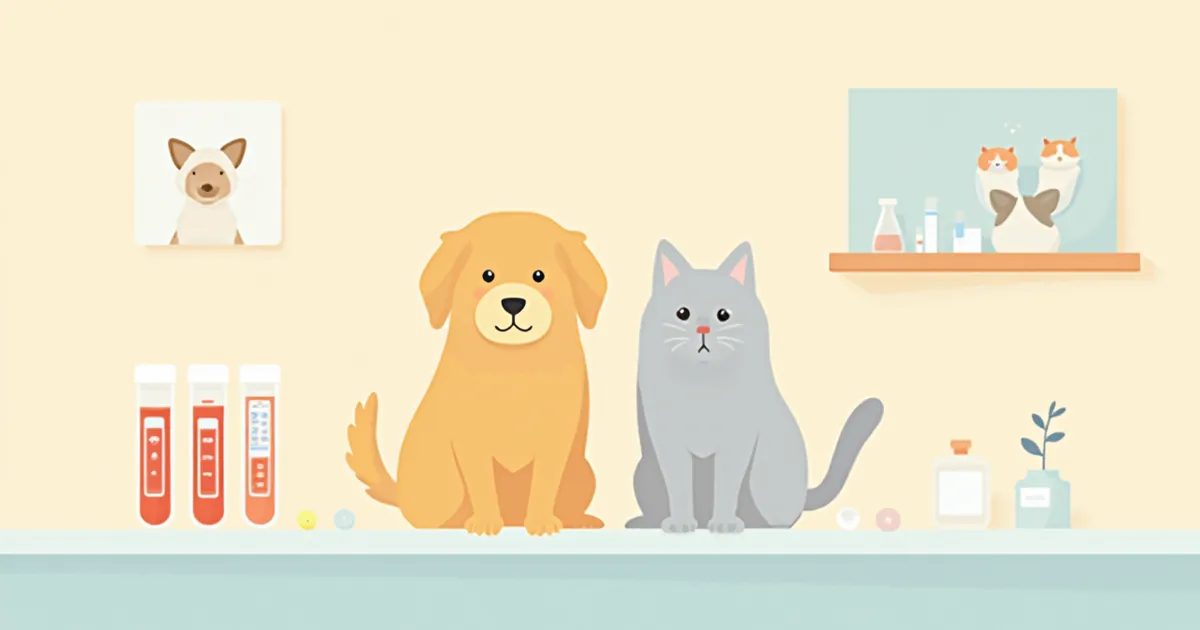
Is the Allergy RAST Serum Test Really Necessary for Your Pet?
RAST is a blood test that measures antibodies against specific allergens. It is used as an adjunct during the preparation phase for immunotherapy after an atopic dermatitis diagnosis.

What is the insulin-glucagon stimulation test for dogs — procedure and precautions?
The insulin-glucagon stimulation test is a precise blood test used to evaluate the pancreas’s ability to secrete insulin. We’ve summarized the purpose, procedure, and important precautions in a way that’s easy for pet owners to understand.
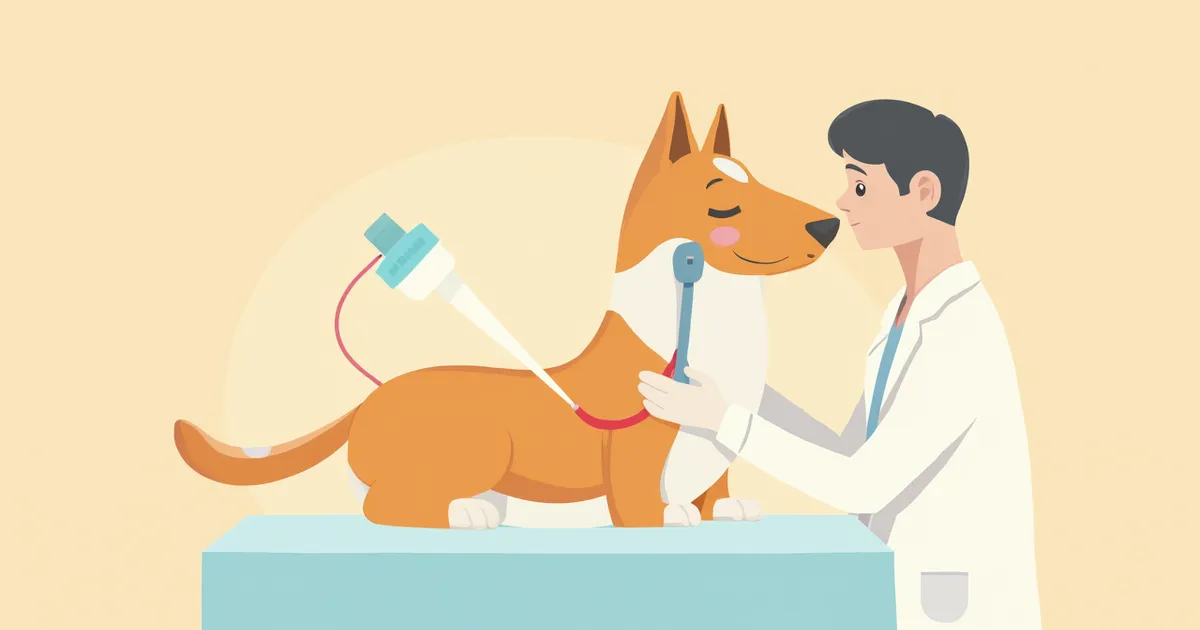
Laser Tumor Removal: When to Choose It and How It’s Performed
Laser tumor removal causes less bleeding and pain, but its indications are limited. Here’s a summary of which tumors it’s used for and how it differs from conventional surgical excision.

Spinal Fusion Surgery (Post-Disc Surgery)
We’ve put together a clear, easy-to-understand overview of spinal fusion surgery for dogs, including when it’s needed after disc surgery, the recovery process, and important precautions, all explained from a pet owner’s perspective.

Lymph Node Excision Surgery: When Is It Necessary and How Is It Performed?
We’ve put together a clear, easy-to-understand guide for pet owners on when lymph node removal surgery is necessary, what the procedure involves, anesthesia preparation, and key points for post-operative recovery and care.

What Is Canine Disc Surgery? — From Hemilaminectomy Procedure to Recovery
We’ve put together an easy-to-understand guide for pet owners on the timing, procedure, recovery, and prognosis of hemilaminectomy—the most commonly performed surgery for canine intervertebral disc disease.
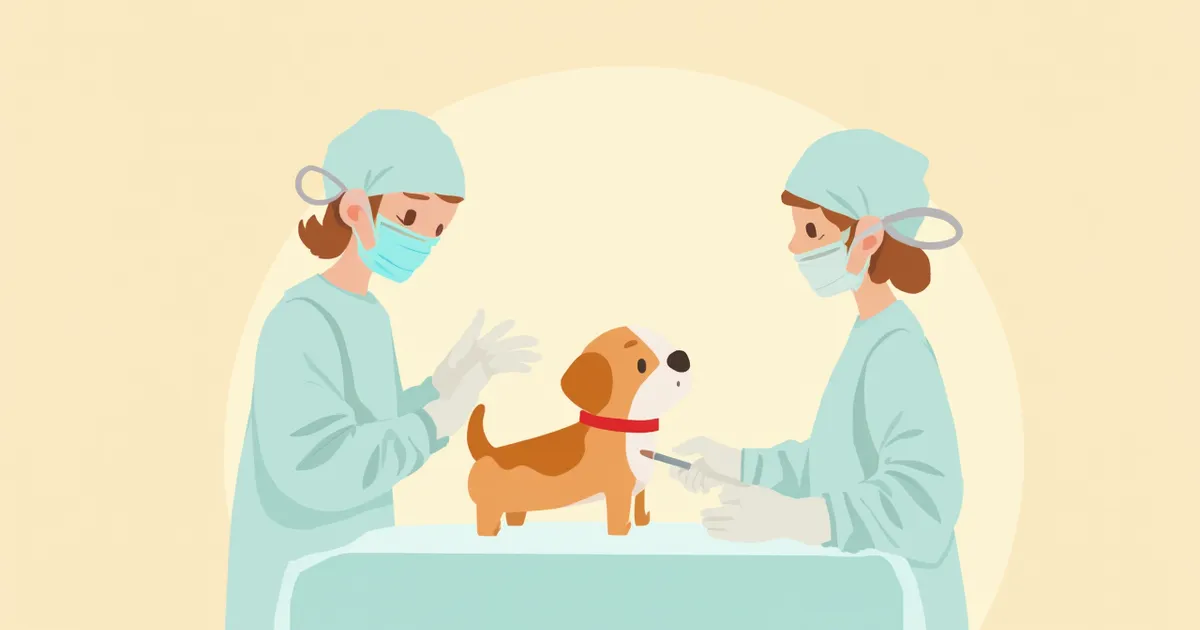
What is a Cystotomy in Cats? — From Preoperative Preparation to Recovery at a Glance
A cystotomy is a urological procedure in which the bladder is surgically opened to remove stones, tumors, or foreign bodies. We’ve outlined the entire process, from preoperative preparation to recovery, in terms that are easy for pet owners to understand.

Corrective Surgery for Brachycephalic Airway Syndrome (BOAS)
We’ve outlined the candidates for corrective surgery for Brachycephalic Obstructive Airway Syndrome (BOAS), the surgical procedure, the recovery process, and key care points that pet owners should know.
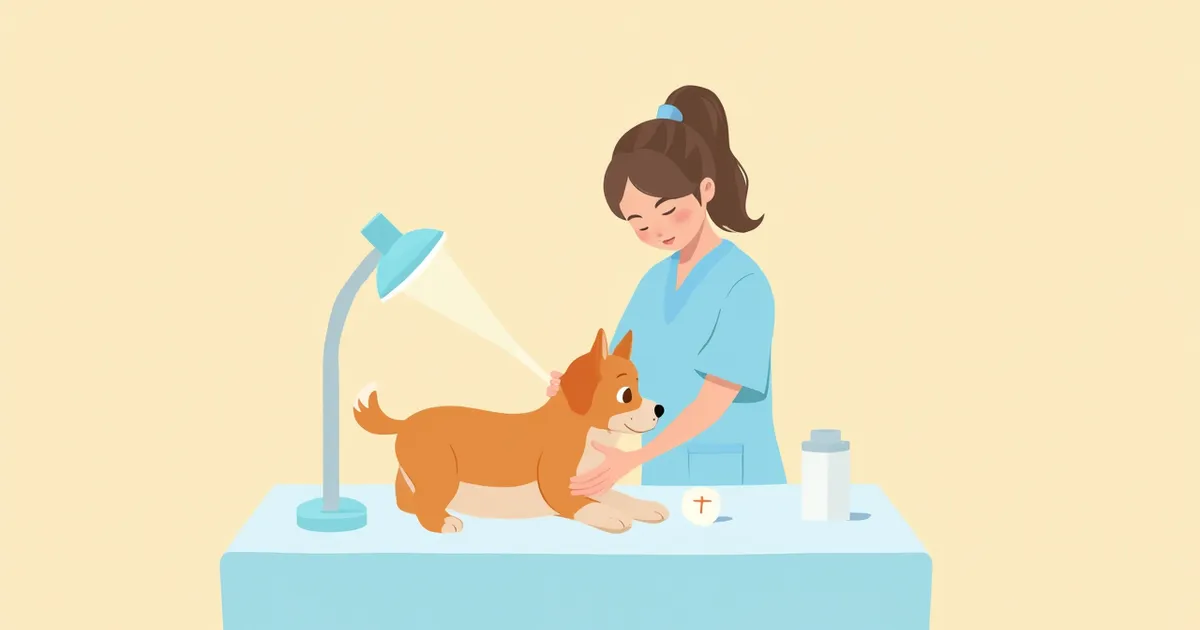
Tumor Resection: What Are the Methods? — Why Margins Determine Recurrence
Tumor removal surgery for dogs and cats is categorized into four types based on the size of the surgical margins. Choosing the appropriate margin width for the specific tumor characteristics is key to preventing recurrence.

What is Feline Toxoplasmosis? — Risk of Human Infection and Prevention Guidelines
Here’s a veterinary-evidence-based overview of feline toxoplasmosis, covering transmission routes, clinical signs, precautions for pregnant women, and diagnosis, treatment, and prevention methods.

Complete Guide to IRIS Stages of Feline Chronic Kidney Disease
We’ve organized the IRIS stages 1–4 for chronic kidney disease in cats, including stage-specific symptoms, treatment and management strategies, and sub-classifications for proteinuria and hypertension, all based on veterinary standards.

Stage-by-Stage Symptoms and Treatment Options for Feline Megacolon
Here’s a clear overview of the stage-by-stage symptoms and treatment options for feline megacolon. Learn how it differs from constipation, and get a quick look at dietary, medication, and surgical treatment guidelines.

How should you design a cat window perch?
A cat window perch is a key space that satisfies your cat's need for sunlight, observation, and immune support. We've summarized everything you need to know about safe design, materials, and height all in one place.

Cat Tower Selection Criteria — The Perfect Guide to Protecting Your Cat’s Health
Cat trees are essential furniture for vertical exercise and stress relief in cats. Here’s how to choose the right one based on height, stability, and materials.

The Ultimate Guide to Super-Senior Cat (15+) Care
We’ve outlined the physical changes that occur in cats aged 15 and older, along with essential health care tips. Learn everything you need to know, from regular check-ups to dietary and environmental adjustments.

The Ultimate Guide to Caring for Senior Cats (10–15 Years Old)
Senior cats (10–15 years old) are at a sharply increased risk of chronic diseases. You can help extend their healthy lifespan by scheduling health check-ups every six months, feeding a high-protein, low-phosphorus diet, and making environmental adjustments.

The Ultimate Guide to Daily Care for Adult Cats (Ages 1–7)
We’ve outlined evidence-based veterinary guidelines for nutrition, weight, dental care, and stress management in adult cats (ages 1–7). Proper care during this stage plays a pivotal role in shaping your cat’s health as it ages.

When to Start Weaning Kittens? — Step-by-Step Dietary Transition Guide by Week (2–7 Weeks)
We’ve outlined step-by-step dietary transition methods and precautions for kittens during the weaning period from 2 to 7 weeks of age. Learn how to prepare weaning food and address common issues all in one place.

Why Do Cats Hunt? The Key to Play That Satisfies Their Instincts
A cat’s hunting instinct is an innate behavior hardwired into its genes. You can help prevent stress and behavioral issues by engaging your cat in short, focused play sessions that mimic hunting for 10 to 15 minutes each day.

How to Create a Rest Area for Cats with Kidney Disease: 3 Essential Elements
We’ve outlined the key conditions and indoor placement tips for creating a rest area where cats can relax and feel secure, based on veterinary evidence.

Clomipramine Behavior Medication Guide
We’ve summarized the effects, side effects, and precautions for using clomipramine in treating separation anxiety and compulsive behaviors in dogs. We explain the key points every pet owner should know in an easy-to-understand way.