

How to Start Whistle Recall Training for Your Dog — The Key to Getting Them to Come Back Every Time
Whistle recall training teaches your dog to come when called using a clear, consistent signal that carries well over distance. We’ve covered everything you need to know—from choosing the right equipment and a five-step training method to outdoor practice sessions and troubleshooting common pitfalls.
What Is Whistle Recall Training?
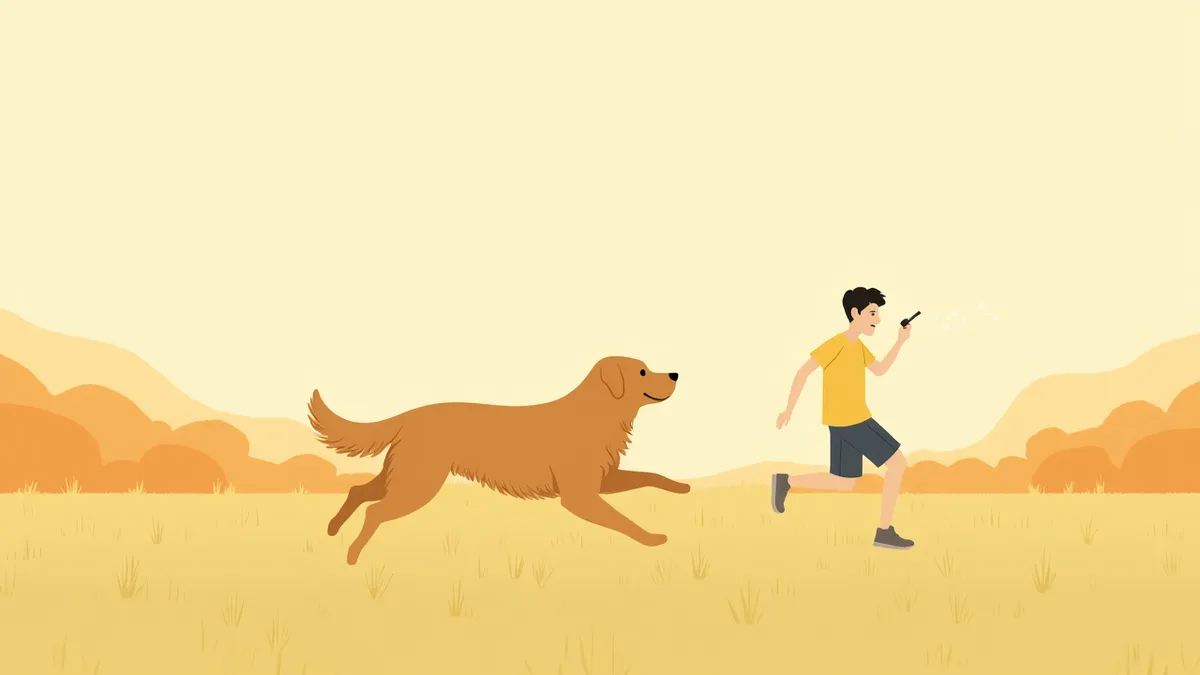
Why a Whistle Instead of Your Voice?
Comparing Whistle Types — Which One Should You Choose?
| Item | Standard Whistle | Plastic Dolfinish Whistle | Silent Whistle (High-Frequency) |
|---|---|---|---|
| Loudness | Very loud | Moderate | Sounds faint to the human ear |
| Range | Over 100 m | 50–80 m | 50–100 m |
| Ambient Noise Interference | Strong | Moderate | Weak |
| Recommended Situation | Wide fields and open grounds | Parks and walking paths | Around apartments and quiet environments |
| Price Range | Inexpensive | Moderate | Moderate |
The key is choosing a 'fixed-pitch whistle' that produces a consistent tone. Products whose pitch varies with each blow are unsuitable as training cues.
5-Step Basic Training Method
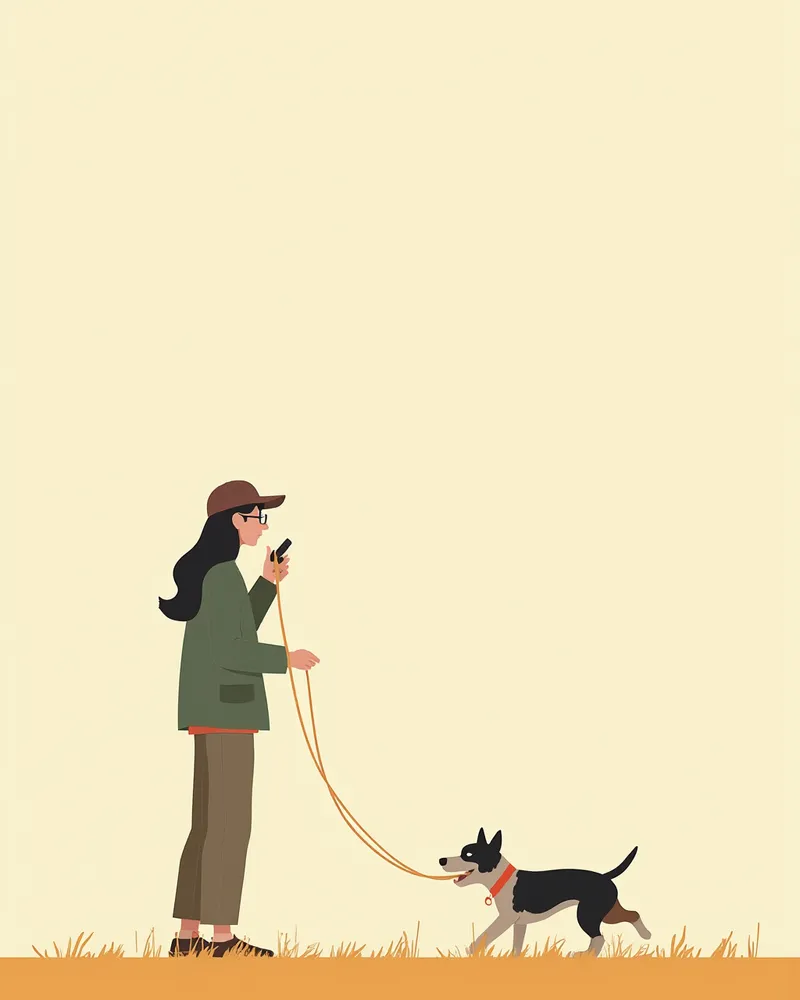
3 Things You Must Never Do During Training
If the meaning of the whistle signal becomes unclear, your training can fall apart from the start. Be sure to avoid these three mistakes: 1) Pairing the whistle with unpleasant experiences like scolding, bathing, or giving medication — If the whistle becomes a signal for something your dog dislikes, they will never come when called. 2) Blowing the whistle repeatedly and excessively when your dog doesn’t come — This turns the whistle into background noise. 3) Stopping treats every time your dog comes — Even in real-life situations, you must maintain intermittent reinforcement to keep the behavior strong.
Expanding to Outdoor Practice

Checkpoints When Training Isn’t Working
Useful Tips by Breed and Situation
Breeds with strong hunting instincts, such as Beagles, Dachshunds, and Hounds, may struggle to pay attention to external stimuli when focused on tracking scents. For these breeds, it is important to maintain the long-leash training phase for an adequate period without rushing, ensuring a reliable recall response is firmly established even in outdoor environments with various distractions. For senior dogs or those with diminished hearing, combining standard whistle signals with visual cues, such as hand gestures, can be helpful. If you suspect hearing impairment, please consult your veterinarian first.
Reviewed by a veterinarian

Dr. Tony — Punnawat Phongkittirak
VeterinarianA veterinarian who majored in veterinary medicine at Khon Kaen University, Thailand, and completed the IVSA program at North Carolina State University in the United States. Drawing on clinical experience at animal hospitals, he works in the pet healthcare field and is dedicated to building a digital care environment that connects pet parents with veterinarians.
Reviewed 2026-04-27
Frequently Asked Questions
At what age can I start training my dog to howl?
How long does the training period take?
I’ve been using the verbal cue “Come here” so far. Is it okay to use it together with the new command?
Do dogs hear better when you blow the horn louder?
What should I do if my dog dislikes the sound of car horns?
Share
Related Guides

7 Behavioral Enrichment Strategies for Mental Stimulation Recommended by Veterinarians

Top 5 Calming Supplements for Dogs and Cats in 2026

L-Theanine Effects and Calming Support

Feline Sex Hormone-Related Skin Conditions FAQ — Key Information for Pet Owners

Recurring Hypoglycemia and Seizures: Could It Be Feline Insulinoma? — Key Signs Explained

Is Rehoming Your Dog Really the Answer? — Considerations and Alternatives Before Deciding

What to Prepare Before Adopting a Puppy — Essential Checklist

Symptoms and Treatment Process of Bladder Stones in Dogs

How to Remove Tartar from Your Dog’s Teeth and Care Guide

Frequently Asked Questions on Preventive Diets for Canine Urinary Tract Stones — Key Information Every Pet Owner Should Know
References
[1] Rooney, N.J. and Cowan, S. (2011). Training methods and owner-dog interactions: Links with dog behaviour and learning ability. Appl. Anim. Behav. Sci. 132: 169–177
[2] Horwitz, D.F. and Mills, D.S. (eds). BSAVA Manual of Canine and Feline Behavioural Medicine, 2nd ed. (동물행동의학 교과서)
[3] Shaw, J.K. and Martin, D. Canine and Feline Behavior for Veterinary Technicians and Nurses (반려동물 행동 교과서)