Like
Share
멍실장
비타민B12(코발라민) 효과와 결핍 증상

Effects of Vitamin B12 (Cobalamin) and Deficiency Symptoms

Brain & CognitionIngredientsMeongsiljang Veterinary Advisory Board

Vitamin B12 is a water-soluble vitamin essential for the nervous system and red blood cell production. Deficiency can lead to lethargy, weight loss, and neurological symptoms, so it’s especially important to monitor pets with gastrointestinal issues.

What is Vitamin B12 (Cobalamin)?
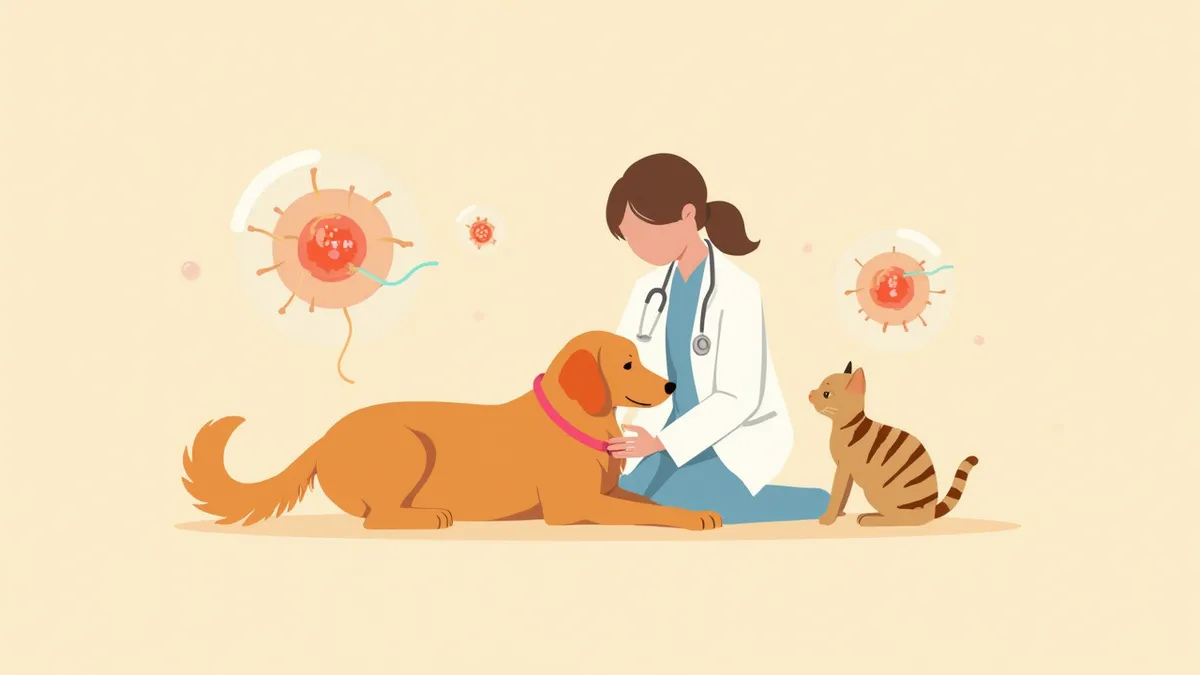
A veterinarian examining a dog and a cat, along with images of nerves and red blood cells.
Vitamin B12 (cobalamin) is a water-soluble vitamin essential for maintaining the nervous system and producing red blood cells in dogs and cats. What truly matters is gut health. Since vitamin B12 is absorbed in the ileum (the final section of the small intestine), pets with exocrine pancreatic insufficiency (EPI) or small intestinal diseases may develop deficiencies even if they consume adequate amounts through their diet, because absorption is impaired. Cats with underlying conditions such as small intestinal disease or EPI may also experience decreased serum cobalamin levels, so checking blood levels is recommended when such conditions are suspected.

Three Main Effects of Vitamin B12

Vitamin B12 plays three main roles in the body:
Nervous system protection: A deficiency in cobalamin can impair the maintenance of nervous system function, leading to lethargy and neurological symptoms. It is a nutrient closely linked to nerve function.
Red blood cell production: It acts as an essential cofactor in the bone marrow for red blood cell production, helping to prevent anemia.
Energy metabolism: If cobalamin-dependent enzyme activity declines, metabolic disturbances can occur, resulting in lethargy and weight loss.
Since all three functions are connected to gastrointestinal and pancreatic health, it is important to treat the underlying disease and supplement B12 together when absorption disorders are present.

Symptoms of Deficiency

Vitamin B12 deficiency may not show obvious signs at first, but if you notice any of the following recurring symptoms, it’s worth suspecting a deficiency:
Weight loss: Your pet continues to lose weight despite eating well.
Lethargy and decreased appetite: They avoid walks and sleep more than usual.
Chronic diarrhea and vomiting: A vicious cycle of poor intestinal absorption persists.
Neurological symptoms: Severe lethargy or abnormal gait may occur due to nervous system involvement.
Anemia: Gums appear pale and breathing becomes labored.
In cats, the combination of weight loss and chronic diarrhea is especially indicative of this condition.
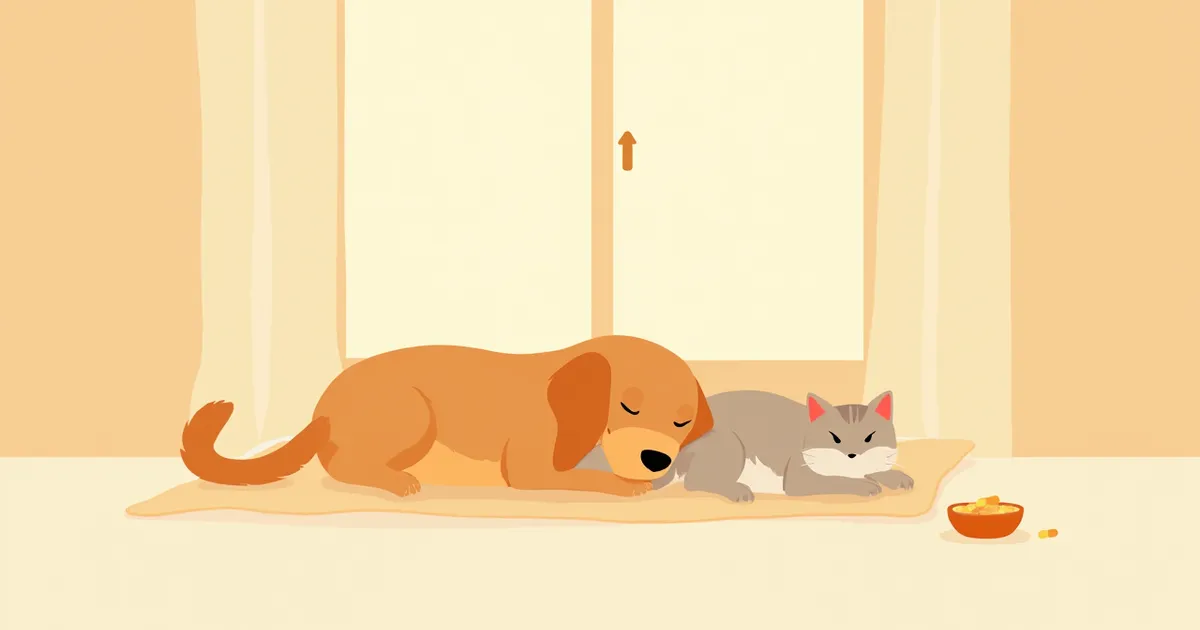
A lethargic-looking puppy and its food bowl

Evidence from Veterinary Research

According to standard veterinary internal medicine textbooks and Plumb’s Veterinary Drug Handbook, exocrine pancreatic insufficiency (EPI) and small intestinal diseases are known to be major causes of decreased serum cobalamin levels in both dogs and cats. Because malabsorption makes it difficult to maintain normal levels through diet alone, additional supplementation may be necessary. Studies have shown that both oral and injectable forms are effective in normalizing blood levels in dogs and cats. Therefore, the standard of care is to supplement vitamin B12 alongside treatment for the underlying condition.

Vitamin B12 Ingredient Summary Card

Safe

코발라민 (Cyanocobalamin)

신경·적혈구·에너지 대사 지원

Dosage: 수의사가 체중·상태에 맞춰 결정

NRC·수의내과학 교과서 권장

Caution

하이드록소코발라민 (Hydroxocobalamin)

코발라민 보충 + 일부 독소 해독 보조

Dosage: 병원 처방용 주사제

Plumb's 수의약리학 핸드북

How to Determine the Recommended Feeding Amount

Vitamin B12 is a water-soluble vitamin, so it’s relatively safe. Veterinary textbooks note that even when blood cobalamin levels exceed the normal range, adverse effects directly attributable to the vitamin are rarely reported. However, the dosage needed to correct a deficiency varies by individual, so your veterinarian will first measure blood levels and then determine the appropriate dosing schedule and amount based on your pet’s weight and test results. While the amount included in standard multivitamin supplements may be sufficient for maintenance, it might not be enough if there are absorption issues. Therefore, please consult your veterinarian before starting any separate supplementation.

Side Effects and Important Precautions
Vitamin B12 is generally considered very safe, but there are a few important points to keep in mind.
Adverse reactions after injection: Even if cobalamin levels exceed the normal range, side effects directly caused by this are rarely reported. However, if you notice any unusual reactions after administration, please inform your veterinarian.
Pregnancy and lactation: Cobalamin crosses the placenta and is excreted in breast milk. While there haven’t been extensive safety studies during pregnancy, it is considered safe to use. In fact, vitamin B12 deficiency can negatively impact fetal development, so consult your veterinarian if you suspect a deficiency.
Overlap with other supplements: If your pet is already taking a B-complex vitamin supplement, avoid duplicate intake.
Address the underlying cause first: If deficiencies recur, prioritize testing for intestinal or pancreatic diseases.
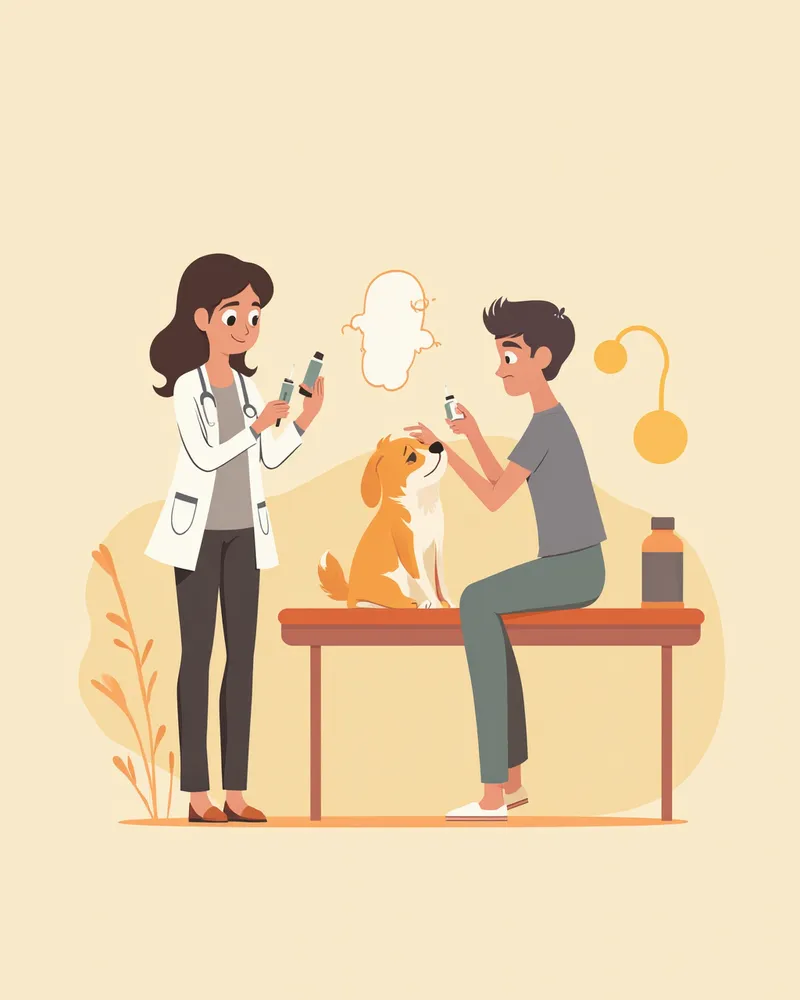
A veterinarian explaining supplements to a pet owner.

When to Visit the Vet Immediately

If chronic diarrhea and weight loss persist for more than two weeks, or if neurological symptoms such as hindlimb weakness or gait abnormalities appear, do not attempt to treat the condition with simple nutritional supplements; instead, seek veterinary care. The most efficient approach is to perform blood tests to check vitamin B12 (cobalamin) levels and assess the status of the pancreas and intestines. Administering high doses without veterinary guidance may cause you to miss the underlying cause.

Reviewed by a veterinarian

Dr. Tony — Punnawat Phongkittirak

Dr. Tony — Punnawat Phongkittirak

Veterinarian

A veterinarian who majored in veterinary medicine at Khon Kaen University, Thailand, and completed the IVSA program at North Carolina State University in the United States. Drawing on clinical experience at animal hospitals, he works in the pet healthcare field and is dedicated to building a digital care environment that connects pet parents with veterinarians.

Frequently Asked Questions

Is it safe to give my pet vitamin B12 every day?
Water-soluble vitamins are generally considered safe, and textbooks rarely report adverse effects solely from cobalamin levels exceeding the normal range. However, high doses beyond those found in standard multivitamins should only be administered after consulting with a veterinarian.
Are dogs or cats more vulnerable to nutrient deficiencies?
Rather than definitively stating that one species is absolutely more vulnerable, the presence of underlying conditions such as small intestine disease or exocrine pancreatic insufficiency (EPI) is the most critical factor determining the risk of deficiency. Both dogs and cats can develop cobalamin deficiency if they have these conditions.
If my pet eats a good quality food, do I still need to provide anything else?
For most healthy pets, a diet that meets AAFCO (Association of American Feed Control Officials) standards is sufficient. However, if your pet is experiencing chronic diarrhea or weight loss, it could indicate a malabsorption issue, in which case blood tests are necessary.
Which is better, oral supplements or injections?
Recent studies suggest that oral supplements can be just as effective as injections for both dogs and cats. However, injections are often preferred in cases of severe deficiency. Please consult your veterinarian to determine the best approach for your pet.
Can I give this supplement along with other supplements?
Omega-3 and joint supplements generally don’t interact with this product. However, if a product already contains a B-complex vitamin, there may be some overlap, so be sure to check the ingredient list.

Share

Related Guides

References

[1] National Research Council (NRC). Nutrient Requirements of Dogs and Cats. Chapter 8: Vitamins. Washington, D.C.: National Academies Press, 2006.

[2] Plumb's Veterinary Drug Handbook, 10th Ed. Cobalamin (Cyanocobalamin/Hydroxocobalamin) Monograph.

[3] Little S. The Cat, Clinical Medicine and Management, 2nd Edition. Chapter: Vitamins and Nutritional Management.

[4] Shane B. Folic Acid, Vitamin B12, and Vitamin B6. Biochemical, physiological and molecular aspects of human nutrition, 4th Ed. Saunders, 2006: 693–732.

This information is based on veterinary literature and does not replace diagnosis or treatment. Please consult a veterinarian for specific health concerns.

Metapet Co., Ltd. | CEO: Park Sung-yong | Business Reg. No. 417-88-02562 | Seoul, South Korea | Customer Center

Vitamin B12 (Cobalamin): Benefits & Deficiency in Pets | Meongsiljang