
Chitosan Effects and Obesity/Fat Absorption
Chitosan is a dietary fiber extracted from the shells of crustaceans. It binds to fat in the intestines, reducing its absorption and helping with weight management as a supportive ingredient. Here’s a summary of its effects and precautions.

Curcumin Efficacy and Anti-inflammatory/Joint Support
Curcumin is a natural ingredient that helps relieve joint pain thanks to its strong anti-inflammatory effects. Here’s a summary of its efficacy, recommended dosage, absorption rate, and precautions, all backed by veterinary evidence.

Coenzyme Q10 Benefits and Administration Guide
We’ve compiled the benefits, administration methods, and precautions for coenzyme Q10 in supporting heart health in dogs and cats, based on veterinary textbook evidence.

Benefits of Omega-3 for Dogs and a Guide to Proper Feeding
We’ve compiled the benefits of omega-3 fatty acids for skin and coat health in dogs and cats, along with information on ingredient sources and proper feeding methods, all based on veterinary textbooks.

What is MSM for Dogs? Effects on Relieving Joint Pain
We’ve compiled the effects, side effects, and proper administration methods of MSM (methylsulfonylmethane) for relieving joint pain in dogs, based on veterinary textbooks.

L-Theanine Effects and Calming Support
L-theanine is an amino acid extracted from green tea that helps alleviate stress and anxiety in dogs and cats. Here’s a summary of its mechanism of action, recommended dosage, and precautions.

Psyllium Husk Benefits for Constipation and Dietary Fiber
Psyllium husk is a water-soluble dietary fiber that absorbs water to soften stools. We've compiled information on this ingredient, which is commonly used to manage constipation and megacolon in dogs and cats.

Melatonin: A Complete Guide to Its Effects on Sleep, Anxiety, and Hair Loss
Melatonin is a sleep-regulating hormone secreted by the pineal gland in the brain. Here’s a summary of how it works for sleep disorders, anxiety, and seasonal hair loss in pets, along with recommended dosages and precautions.

NAC (N-acetylcysteine) Effects and Guide for Liver and Respiratory Use
We’ve compiled the mechanism of action, recommended dosage, and side effects of NAC (N-acetylcysteine), used for liver detoxification and respiratory mucus clearance in dogs and cats, based on veterinary textbooks.

Effects of Vitamin B12 (Cobalamin) and Deficiency Symptoms
Vitamin B12 is a water-soluble vitamin essential for the nervous system and red blood cell production. Deficiency can lead to lethargy, weight loss, and neurological symptoms, so it’s especially important to monitor pets with gastrointestinal issues.

7 Anti-Inflammatory Effects of Quercetin Noted by Veterinarians — Feeding Guide for Dogs
Quercetin is a natural flavonoid found abundantly in onions, apples, and berries, and it is used to help alleviate allergic itching and chronic inflammation in dogs and cats. Here’s a summary of weight-based dosages, administration on an empty stomach, and breeds to watch out for.

MCT Oil Benefits and Safe Feeding Dosage — Weight Management for Dogs and Cats
MCT oil is a medium-chain triglyceride extracted from coconut and palm kernel oils, commonly used to support weight management and cognitive brain function. We’ve outlined the safe dosage guidelines based on body weight, along with important precautions.

5 Ways Choline Benefits Senior Dogs’ Cognitive Function, Explained by a Veterinarian
Choline is a precursor to the neurotransmitter acetylcholine in the brain and an essential nutrient for liver protection. It plays a vital role in supporting your pet’s cognitive function and preventing fatty liver disease.
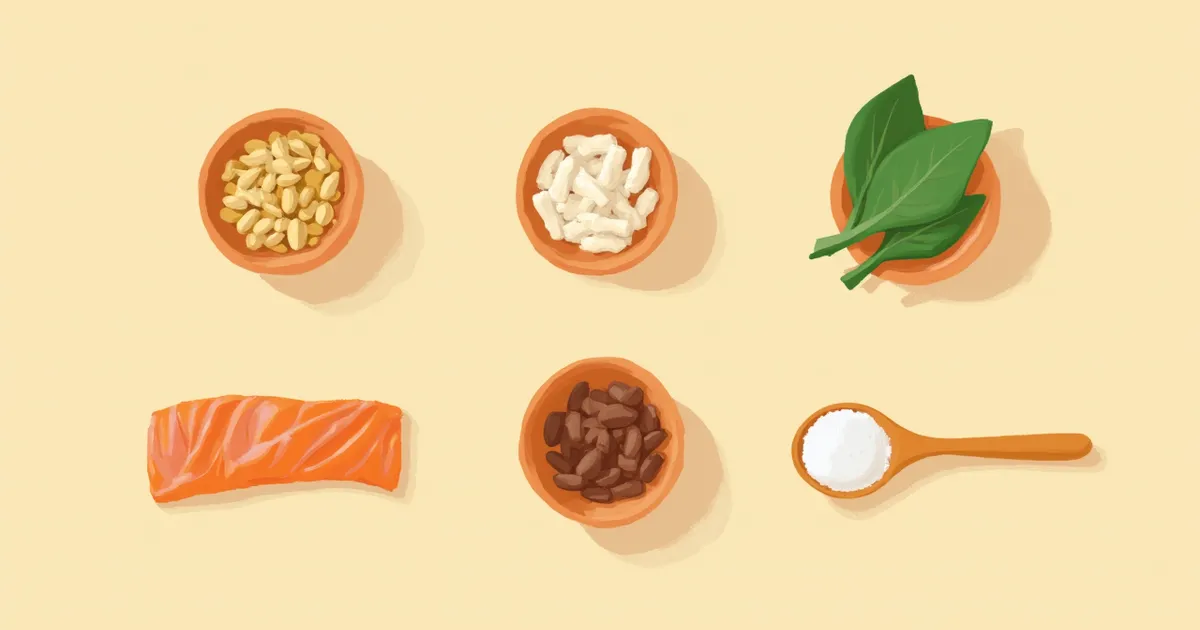
Magnesium Benefits and Feeding
Magnesium is an essential mineral involved in the function of over 300 enzymes in dogs and cats. Here’s a quick overview of its benefits, recommended dosage, and important precautions.

Guide to Feeding for Calcium-Phosphorus Balance
The calcium-to-phosphorus ratio is a key indicator that determines your pet’s bone and joint health. Here’s a summary of the recommended ratios for each life stage and important considerations when feeding.

Vitamin E Benefits and Feeding Guide
Vitamin E is a key fat-soluble antioxidant that protects dogs’ and cats’ cell membranes and immune cells from oxidative stress. Here’s a summary of what pet owners need to know, including its benefits, veterinary evidence, recommended dosages, and potential side effects.

Vitamin C Benefits and Feeding Guide
Vitamin C is an antioxidant vitamin that dogs and cats can produce naturally in their bodies. We’ve compiled information on this ingredient, which can be used as a supplement during times of stress, in senior pets, and during recovery from illness.

What is Lutein? Effects on Dog Eye Health
Lutein is a representative antioxidant carotenoid that protects dogs' eye health. I've summarized its effects, administration methods, and criteria for selecting supplements based on veterinary textbooks.
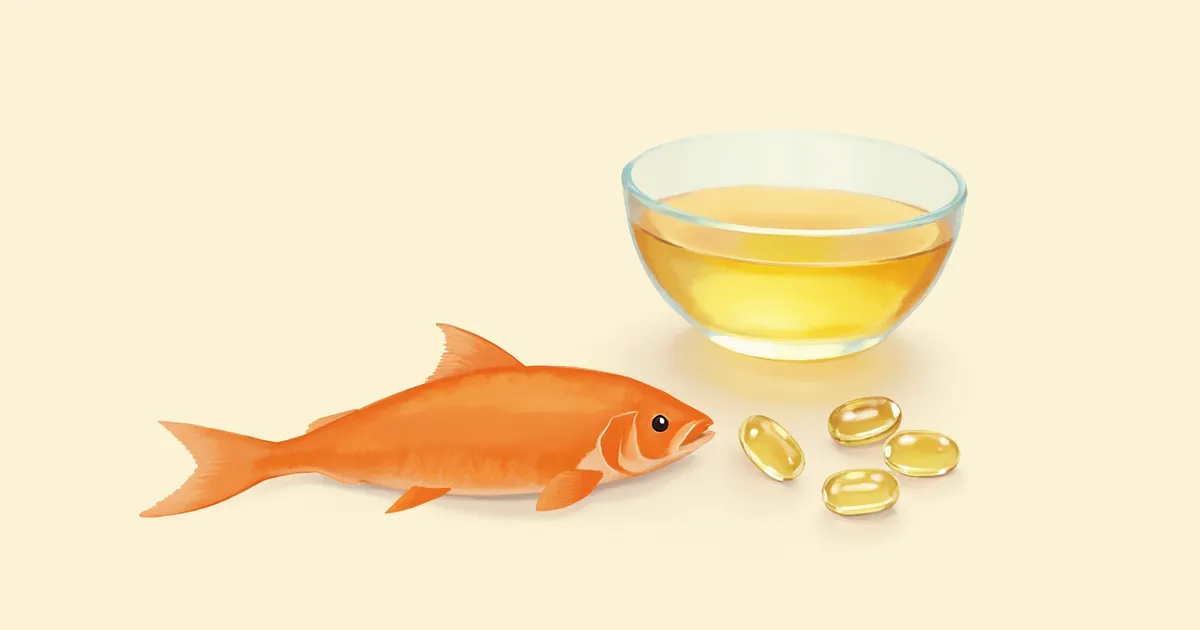
Fish Oil Benefits and EPA·DHA Content Comparison
Fish oil is a key ingredient rich in EPA and DHA, two types of omega-3 fatty acids that support skin, joint, and cardiovascular health. Here’s a breakdown of the omega-3 content in different types of fish oil and how to properly administer it.

Creatine Effects and Feeding Guide for Active Dogs
Creatine is an amino acid derivative that plays a role in muscle energy metabolism. It may help improve strength and recovery in highly active dogs, but it’s safest to consult your veterinarian before giving it to your pet.

What Are Pet Antioxidants? A Guide to Key Ingredients for Immune Support
We’ve compiled a clear overview of the types, benefits, and proper administration methods of antioxidants that support your pet’s immune system and cellular health, all backed by veterinary textbook evidence.

What is Chondroitin for Dogs? Joint Health Benefits and Dosage
We’ve compiled the effects, side effects, and proper administration methods of chondroitin, a key component of canine joint cartilage, based on veterinary textbooks.

Cranberry Effects and Urinary Tract Health
Cranberry is widely used as a supplement for supporting urinary tract health in pets. We’ve summarized how it works—specifically, how a compound called proanthocyanidins helps prevent bacteria from adhering to the bladder wall—along with proper feeding guidelines.

Phosphatidylserine Effects and Senior Dog Cognitive Function Management
Phosphatidylserine is a phospholipid component that makes up the cell membranes in dogs' and cats' brains. We've outlined why it may help manage cognitive decline in senior pets, along with proper administration guidelines.

5 Inulin Benefits Veterinarians Are Watching — Prebiotic for Dog Gut Health
Inulin is a well-known prebiotic dietary fiber that helps nourish beneficial gut bacteria. Here’s a clear overview of its benefits, recommended serving sizes, and important precautions.

Lactoferrin: Benefits for Immune Defense and Antibacterial Effects
Lactoferrin is an iron-binding protein found in colostrum, saliva, and tears, and it supports pets’ immune defense and exerts antibacterial effects. Here’s a summary of its benefits, supporting evidence, and precautions.

Silymarin Effects and Liver Protection (Active Ingredient of Milk Thistle)
Silymarin is a liver-protective compound extracted from milk thistle that helps reduce liver cell damage in dogs and cats while providing antioxidant benefits. Here’s a comprehensive overview covering its absorption rate, recommended dosage, and potential side effects.

5 Signs of Histidine Deficiency in Dogs and Feeding Guidelines Explained by Veterinarians
Histidine is an essential amino acid that both dogs and cats must obtain from their diet. We’ve summarized its key roles in supporting immune function, skin health, and joint health, as well as the symptoms that can arise when it’s deficient.
5 Key Benefits of Chromium for Pet Blood Sugar Management, as Noted by Veterinarians
Chromium is a mineral that supports insulin function and can be used as a complementary aid in managing pets with diabetes. Here’s a concise overview of its effects, evidence, and precautions.

Glycine Effects: Calming and Metabolism
Glycine is a non-essential amino acid that plays a role in calming, metabolism, and joint health in dogs and cats. Here’s a clear overview of how it works and safe feeding amounts.

Niacin (B3) Benefits for Skin and Digestion
Here’s a simple, vet-backed overview of how niacin (vitamin B3) supports skin health and digestive function in dogs and cats.

Cysteine Effects and Glutathione Precursor
Cysteine is a key amino acid in the production of glutathione, a detoxifying substance in the liver. We have summarized the components used for treating liver dysfunction and poisoning, along with precautions for administration.

7 Benefits of Thiamine (B1) for Dogs Highlighted by Veterinarians — Key to Nerve Health
We’ve summarized the key points pet owners should know about thiamine (vitamin B1), including its benefits for nerve health, symptoms of deficiency, and recommended daily intake.

Tryptophan Effects: Separation Anxiety and Calming
Tryptophan is an essential amino acid that serves as a precursor to serotonin, and it may help alleviate separation anxiety and aggression. We’ve summarized its effects, recommended dosage, and precautions based on veterinary evidence.

7 Roles of Copper Explained by Veterinarians — A Key Guide to Coat Color and Liver Health
Copper is an essential trace mineral for dogs and cats, playing a key role in coat color development, iron metabolism, and liver function. Both deficiency and excess can cause health issues, so maintaining the right balance is crucial.

7 Key Benefits of Iodine for Pet Thyroid Health, Explained by Veterinarians
Iodine is an essential mineral for producing thyroid hormones in dogs and cats. Both deficiency and excess can be harmful, so it's important to ensure your pet's food contains the appropriate amount.

Iron Benefits, Deficiency Symptoms, and Feeding Guide
Iron is an essential mineral for your pet’s oxygen transport and energy metabolism. Here’s a complete guide covering deficiency symptoms, recommended intake, and precautions against overconsumption.

SAM-e Liver Protection and Cognitive Benefits: A Comprehensive Summary
SAM-e is a natural compound that supports liver cell regeneration and enhances brain function. It has a wide range of applications, from improving liver enzyme levels to alleviating cognitive dysfunction in senior dogs.
6 Effects of Resveratrol for Pets Noted by Veterinarians — Antioxidant and Cardiovascular Protection
We’ve compiled the veterinary evidence behind resveratrol’s antioxidant and cardiovascular benefits, along with important precautions for feeding it to pets.
Benefits of Arginine and Signs of Deficiency
Arginine is an essential amino acid that plays a vital role in the immune function, growth, and detoxification of dogs and cats. We’ve put together a comprehensive guide for pet owners covering its benefits, signs of deficiency, recommended dosages, and important precautions.

L-Lysine: Immune Support Benefits for Cats
L-lysine is an essential amino acid used to help manage feline herpesvirus and support immune function. Here’s a veterinary-backed overview of its benefits, recommended dosage, and important precautions.

Methionine for Liver Protection and Urinary Tract Health
Methionine is an essential amino acid that plays a key role in liver detoxification and urinary tract pH regulation. Here’s a clear overview of its benefits, recommended dosage, and potential side effects.

Glutamine's Effect on Intestinal Mucosa Recovery
Glutamine is the primary energy source for intestinal cells, and it helps repair damaged intestinal mucosa and manage diarrhea and IBD.

L-Carnitine for Weight Management and Feeding Guidelines
L-carnitine is an essential nutrient that helps convert fat into energy. We’ve summarized its benefits for weight management and heart health in pets, along with safe dosage guidelines.

Biotin Benefits and Feeding Guide
Biotin is a water-soluble vitamin B7 that helps maintain healthy skin and coat in dogs and cats. Here’s a summary of its benefits, recommended dosage, and precautions based on veterinary nutritional science.

Folic Acid Benefits and Feeding Guide
Folic acid, also known as vitamin B9, is essential for cell division and red blood cell production in dogs and cats. I’ll walk you through its benefits, recommended dosages, and signs of deficiency all in one place.

Vitamin K Benefits and Feeding Guide
Vitamin K is a fat-soluble vitamin that supports blood clotting and bone health. Here’s everything you need to know about why dogs and cats need it, recommended dosages, and important precautions regarding deficiency and toxicity.

5 Key Benefits of Hyaluronic Acid for Joint Health, Explained by a Veterinarian
Hyaluronic acid is a moisture-retaining and cushioning component found in joint fluid and cartilage. We’ve summarized everything you need to know about its effects, dosage, and potential side effects.

7 Benefits of Pet Collagen Recommended by Veterinarians and a Guide to Proper Feeding
We’ve compiled the benefits of collagen for pets, differences by type, recommended dosages based on body weight, and important precautions—all backed by veterinary science.

Essentiality of Taurine in Cats and Deficiency Symptoms
Taurine is an essential amino acid that cats cannot produce on their own. A deficiency can lead to dilated cardiomyopathy (DCM) and blindness, so it must be supplemented through their diet.

Selenium Benefits and Feeding
Selenium is an essential mineral that supports your dog’s or cat’s immune system and thyroid function. We’ve put together a guide covering recommended dosages and important precautions to avoid excess.

Zinc Benefits and Feeding Guide for Dogs and Cats
Zinc is an essential trace mineral for skin health, immune function, and wound healing. Here’s a comprehensive overview of deficiency and toxicity thresholds, weight-based recommended dosages, and breeds that require special attention.

Vitamin D Benefits and Recommended Dosage
Vitamin D is an essential fat-soluble vitamin for maintaining bone health and immune function in dogs and cats. Since both deficiency and excess can be dangerous, it’s important to know the correct dosage.

Effects of Vitamin B Complex and Feeding Guidelines
Vitamin B complex is a group of eight water-soluble vitamins essential for energy metabolism and nerve function. We’ve summarized the key information pet owners need to know, including deficiency symptoms, recommended dosages, and important precautions.

Vitamin A Benefits and Feeding Guide
Vitamin A is an essential fat-soluble vitamin for dogs and cats, supporting vision, immune function, and skin health. Both deficiency and excess can cause problems, so it’s important to strictly follow the recommended dosage.

5 Taurine Benefits Emphasized by Veterinarians — Heart Health and Feeding Guide
Taurine is an essential amino acid for heart and eye health, and cats must obtain it through their diet since they cannot synthesize it on their own. Here’s a summary of taurine’s benefits, the risks of deficiency, and how to properly provide it.

What is Milk Thistle? Liver Health Benefits and Dosage
Silymarin, the key active compound in milk thistle, is a well-known liver-support supplement that helps protect liver cells and aids in the recovery of damaged liver tissue. We’ve compiled the veterinary evidence and proper administration guidelines for you.

What Are Probiotics for Dogs and Cats? Benefits and Recommended Feeding Methods
Probiotics are live microorganisms that help maintain a healthy balance of beneficial bacteria in the gut. We’ve compiled evidence-based veterinary insights on their benefits, how to choose a high-quality product, and proper administration methods.

What Is Glucosamine for Dogs? A Guide to Effects, Side Effects, and Recommended Dosage
We’ve compiled the effects, side effects, and proper administration methods of glucosamine for supporting your dog’s joint health, based on veterinary textbooks.

5 Key Points on Manganese’s Joint and Cartilage Health Benefits and Feeding Tips Selected by Veterinarians
Manganese is an essential trace mineral for cartilage synthesis and joint health in dogs and cats. Here’s a detailed guide on recommended amounts, precautions, and key feeding methods.

5 Benefits of Pantothenic Acid (B5) Veterinarians Focus On — Key Summary for Skin, Coat, and Energy
Pantothenic acid (vitamin B5) is a water-soluble vitamin essential for skin and coat health as well as energy metabolism. Here’s how it benefits dogs and cats, along with recommended dosages and important precautions.

Riboflavin (B2): Effects on Energy and Skin
Riboflavin (Vitamin B2) is a water-soluble vitamin that supports energy metabolism and skin and eye health in dogs and cats. Here’s a clear overview of deficiency symptoms and appropriate dosage.
5 Key Benefits of Vitamin B6 (Pyridoxine) for Dogs, According to Veterinarians
Pyridoxine is a water-soluble vitamin essential for protein and amino acid metabolism. It is necessary for both dogs and cats, and a deficiency can lead to skin and neurological issues.
5 Benefits of EPA for Pets Explained by Veterinarians — Standalone Feeding Guide
EPA is an omega-3 fatty acid abundant in fish oil. It is effective for managing inflammation in the heart, joints, and skin. We provide guidance on recommended dosages based on body weight and precautions for feeding it as a standalone supplement.

Colostrum Benefits and Complete Guide to Immune Support
Colostrum is a special type of milk rich in immune-boosting substances that a mother produces right after giving birth. We’ve put together key ingredients that help strengthen your dog or cat’s immunity and support gut health, along with proper feeding guidelines.

Beta-Carotene for Eye Health and Feeding Guide
Beta-carotene is a plant-based antioxidant that supports your dog’s eye health and immune system. I’ll explain the differences between dogs and cats, safe dosage guidelines, and important precautions.

DHA Cognitive and Brain Health Benefits and Feeding
DHA is an essential omega-3 fatty acid that forms a key component of the brain, retina, and nervous system in dogs and cats. It plays an important role in cognitive development, retinal health, and anti-inflammatory processes.