Like
Share
멍실장
비타민C 효과와 급여 가이드

Vitamin C Benefits and Feeding Guide

ImmunityIngredientsMeongsiljang Veterinary Advisory Board

Vitamin C is an antioxidant vitamin that dogs and cats can produce naturally in their bodies. We’ve compiled information on this ingredient, which can be used as a supplement during times of stress, in senior pets, and during recovery from illness.

What is Vitamin C? Is it a Necessary Nutrient for Dogs and Cats?

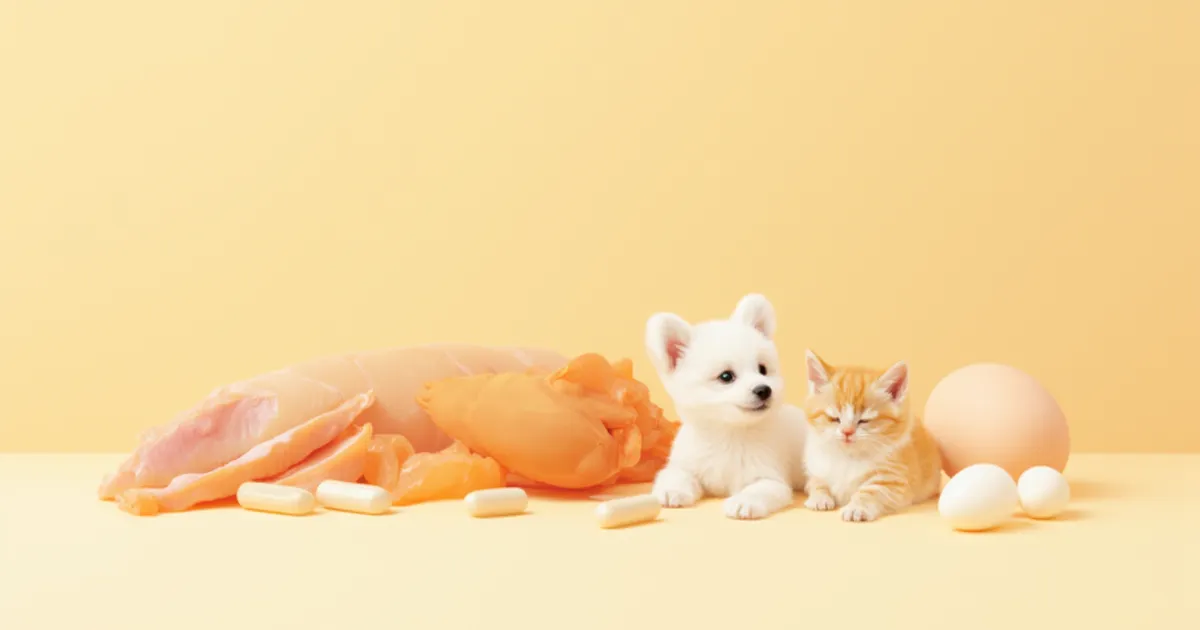
Fruits and supplements rich in vitamin C
Vitamin C (ascorbic acid) is a water-soluble antioxidant nutrient that removes free radicals both inside and outside cells and helps restore the function of vitamin E. Unlike humans, dogs and cats can synthesize vitamin C on their own from glucose, so it is not an essential nutrient that must be supplemented through diet. However, it is known that supplementation can be beneficial during periods of increased bodily demand, such as times of stress, old age, or recovery from illness.

Benefits of Vitamin C for Your Pet

Vitamin C offers several benefits, primarily through its antioxidant activity. The most important thing is to verify whether the effects pet owners expect align with actual scientific evidence.
Antioxidant activity: It neutralizes free radicals, helping to reduce cellular damage.
Regeneration of Vitamin E: It restores oxidized Vitamin E back to its active form.
Support for collagen synthesis: While it is known to be involved in the formation of connective tissues in the skin and joints, veterinary textbooks for pets provide limited direct evidence supporting this.
Immune support: Some suggest it may play a supportive role in recovery from infections, but there is insufficient veterinary evidence clearly proving it enhances white blood cell function in pets.
Enhancement of iron absorption: While some sources suggest it improves the absorption of plant-based iron, this effect is not directly confirmed by evidence in veterinary textbooks for pets.

What Does Veterinary Research Say?

According to the National Research Council’s (NRC) guidelines on pet nutrition, dogs and cats can synthesize vitamin C from glucose in their bodies. As a result, the classic deficiency symptoms seen in humans and guinea pigs, such as scurvy, are rarely reported in these two species. However, veterinary nutrition textbooks note that supplemental vitamin C may be beneficial in situations that increase oxidative stress, such as intense exercise, recovery from surgery, chronic illness, and old age.
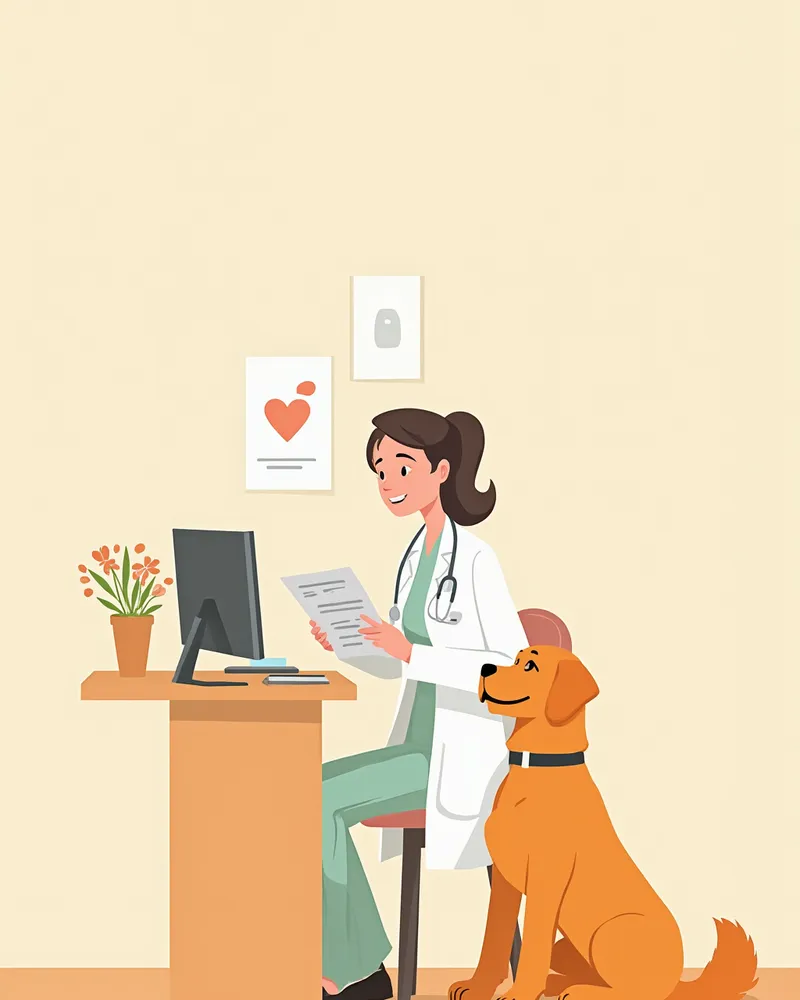
A veterinarian reviewing research materials on vitamin C

Vitamin C at a Glance

Safe

비타민C(Ascorbic Acid)

항산화·면역 보조·콜라겐 합성

Dosage: 체중 1kg당 약 18~25mg/일 (보조 목적)

미국국립연구위원회(NRC) 자료 기준

Safe

에스터-C(Ester-C)

위 자극이 적은 비산성 형태

Dosage: 제품 권장량 준수

위장 민감 반려동물용으로 흔히 사용

Caution

소듐 아스코르베이트

수용성·흡수 속도 빠름

Dosage: 제품 권장량 준수

나트륨 섭취 제한이 필요한 심장질환 아이는 주의

Recommended Vitamin C Dosage and Usage Tips

Healthy adult dogs and cats generally do not need to supplement their diet with vitamin C. If you are considering it as a supplement, please note that standard dosing guidelines for healthy pets have not yet been clearly established in veterinary textbooks. Always follow the dosage instructions on products specifically formulated for pets, and we do not recommend arbitrarily splitting high-dose human vitamin C tablets (500 mg or more). Your veterinarian will determine the appropriate dosage and whether supplementation is necessary based on your pet’s weight, health status, and specific needs.

Side Effects and Precautions — Be Cautious in These Cases
Although vitamin C is water-soluble and excess amounts are typically excreted through urine, feces, and sweat, supplementation doses should be determined with care, as long-term high-dose administration can lead to side effects.
Gastrointestinal side effects: Excessive intake may cause digestive disturbances. If you notice abnormal bowel movements, vomiting, or other unusual symptoms after administration, immediately reduce the dose or stop giving it and consult your veterinarian.
Urinary tract precautions: The association between vitamin C and urinary tract stones is supported by veterinary evidence. Overconsumption at toxic levels has been linked to urinary stone formation, and studies show that administering 200–1,000 mg daily to cats lowers urine pH in proportion to the dose. For pets with a history of urinary tract disease, always consult your veterinarian before deciding on supplementation.
Drug and underlying condition interactions: High-dose vitamin C may act as a pro-oxidant, promoting oxidation and potentially increasing the body’s requirement for vitamin E. If your pet is taking prescription medications or has underlying health conditions, always consult your veterinarian before administering vitamin C.
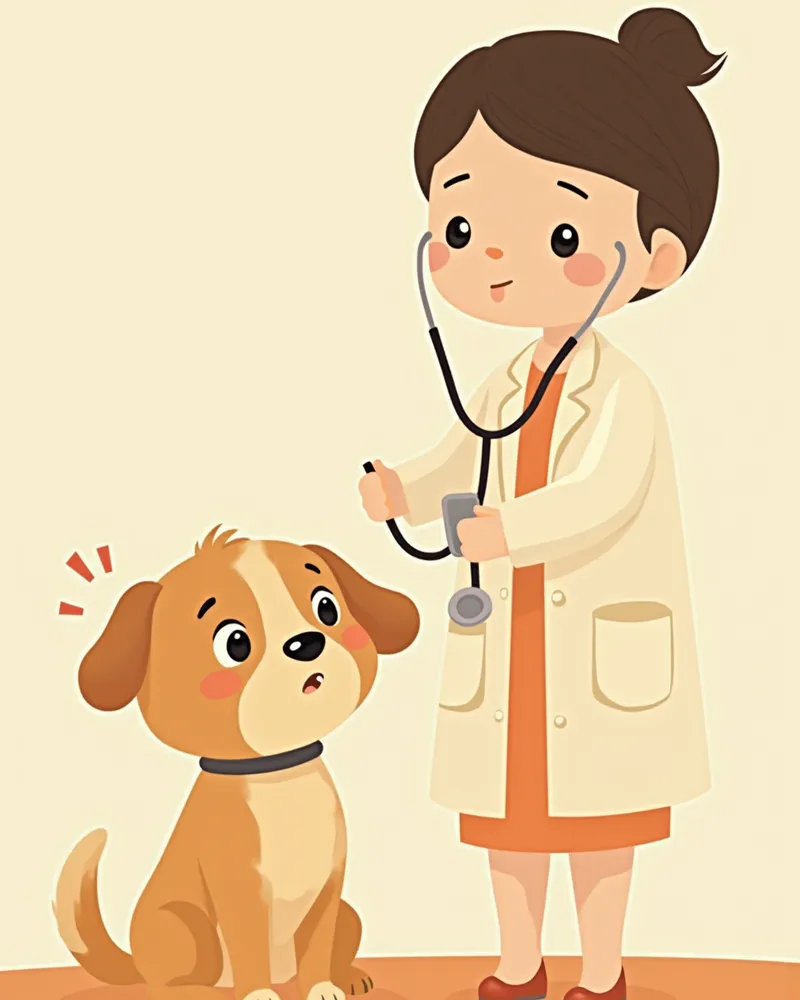
A dog being checked for side effects of vitamin C.

Pets Who Must Consult a Veterinarian Before Supplementing with Vitamin C

If your pet falls into any of the following categories, do not administer vitamin C on your own; please consult your veterinarian first. Vitamin C may actually be harmful for pets with a history of oxalate urinary stones, those diagnosed with chronic kidney disease, those with iron metabolism disorders such as hemochromatosis (iron overload), and those undergoing cancer treatment or taking prescription medications long-term.

Natural Supplementation with Vitamin C-Rich Foods

Instead of supplements, you can provide small amounts of natural foods. Here are some vitamin C-rich foods that are safe for dogs:
Red bell pepper: Approximately 128 mg per 100 g; finely chop and offer in small amounts as a treat.
Broccoli: Approximately 89 mg per 100 g; blanch and finely mince before feeding.
Strawberries: Approximately 59 mg per 100 g; offer 1–2 berries as a treat.
Kiwi: Approximately 92 mg per 100 g; remove the skin and offer in small amounts.
Be sure that the total amount of treats does not exceed 10% of your dog’s daily caloric intake. For cats, adjust vegetable and fruit intake even more conservatively.

Reviewed by a veterinarian

Dr. Tony — Punnawat Phongkittirak

Dr. Tony — Punnawat Phongkittirak

Veterinarian

A veterinarian who majored in veterinary medicine at Khon Kaen University, Thailand, and completed the IVSA program at North Carolina State University in the United States. Drawing on clinical experience at animal hospitals, he works in the pet healthcare field and is dedicated to building a digital care environment that connects pet parents with veterinarians.

Frequently Asked Questions

Is it safe to give human vitamin C supplements to dogs?
While the active ingredient is the same, the dosage is far too high. A single human tablet (typically 500–1000 mg) can be an overdose for small dogs. Please use a product specifically formulated for pets, or split the dose according to the amount prescribed by your veterinarian.
Do cats need vitamin C supplements?
Cats can synthesize vitamin C in their bodies, so additional supplementation is generally unnecessary. However, in cases of chronic illness or in senior cats with high oxidative stress, a veterinarian may recommend supplemental administration.
Is it safe to give vitamin C every day?
It’s relatively safe when used within the recommended dosage. However, if your pet develops loose stools or diarrhea, reduce the amount or stop giving it altogether. For long-term use of three months or more, regular check-ups with your veterinarian are recommended.
Are there any supplements that are especially beneficial when given alongside vitamin C?
It’s well known that giving vitamin E alongside this supplement can create a synergistic antioxidant effect. However, rather than starting multiple supplements at once, it’s safer to introduce them one at a time and monitor your pet’s response.
Does vitamin C help with colds and coughs?
There is limited strong evidence that vitamin C has a direct therapeutic effect on respiratory infections in dogs and cats. While it may support immune function, if your pet is showing symptoms such as coughing or nasal discharge, please seek veterinary care rather than relying on vitamin C.

Share

Related Guides

References

[1] National Research Council (NRC), Nutrient Requirements of Dogs and Cats, Chapter: Vitamins, 2006

[2] Hand, M.S. et al., Small Animal Clinical Nutrition, 5th Edition, Chapter on Vitamins, 2010

[3] Wegger, I. & Palludan, B., Vitamin C deficiency causes hematological and skeletal abnormalities, J. Nutr., 1994

This information is based on veterinary literature and does not replace diagnosis or treatment. Please consult a veterinarian for specific health concerns.

Metapet Co., Ltd. | CEO: Park Sung-yong | Business Reg. No. 417-88-02562 | Seoul, South Korea | Customer Center

Vitamin C for Dogs & Cats: Benefits and Feeding Guide | Meongsiljang