Like
Share
멍실장
펫보험 가입 시기 비교: 언제 드는 게 가장 유리할까?

Pet Insurance Enrollment Timing Comparison: When Is the Most Advantageous Time to Enroll?

ImmunityComparisonsMeongsiljang Veterinary Advisory Board

Pet insurance premiums, coverage scope, and exclusion conditions vary significantly depending on when you enroll. We provide a clear, side-by-side comparison of enrollment requirements for each age group, from 2 months old to 7 years.

What Is Pet Insurance Enrollment Timing?
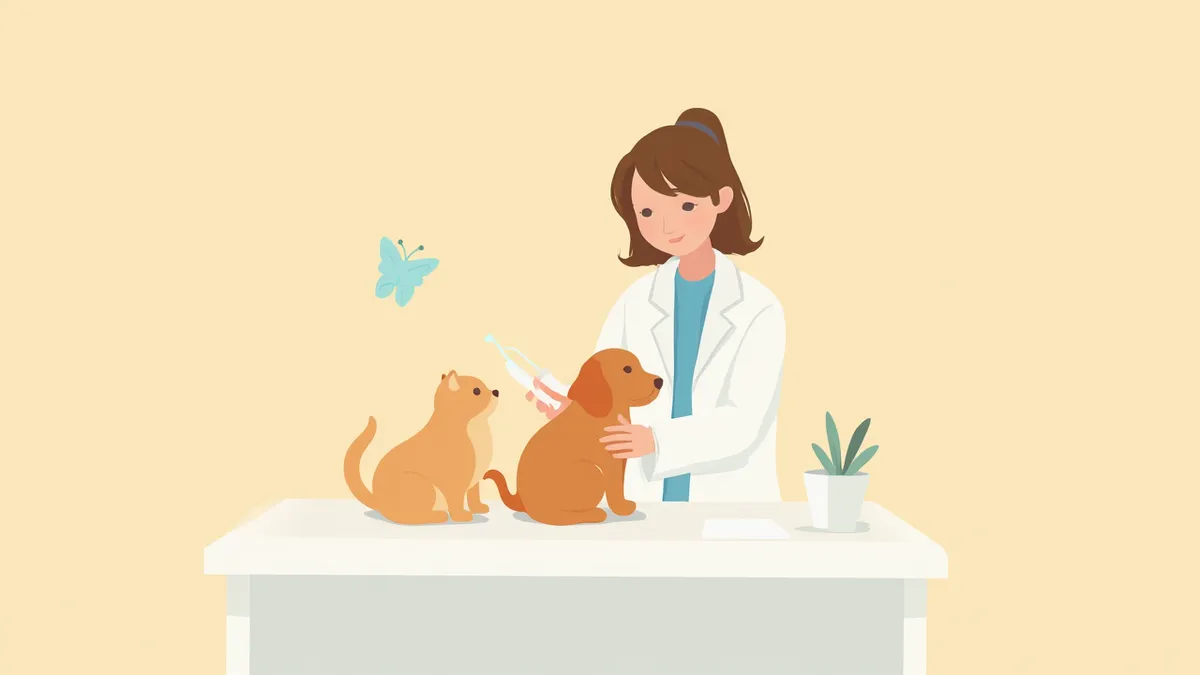
A veterinarian examining a puppy and a kitten.
The timing of pet insurance enrollment refers to the age of your pet when you sign up. The age at enrollment is the most critical factor insurers use to determine premiums, coverage scope, and exclusions. The earlier you enroll, the better. Signing up between 2 months and 1 year of age offers the lowest monthly premiums and ensures that most conditions are covered for life, as there are no exclusions for pre-existing conditions. Conversely, if your pet is over 7 years old, enrollment may be denied outright, or premiums may increase by two to three times.

Why Is Enrollment Timing So Important?

The biggest pitfall of pet insurance is the pre-existing condition exclusion clause. Any illness diagnosed or treated before enrollment is permanently excluded from coverage. For example, if your pet is diagnosed with patellar luxation at age three and you enroll in insurance at age five, all subsequent surgeries and treatments related to the patella will be entirely out-of-pocket. Additionally, as pets age, their risk of developing heart disease, kidney failure, and tumors increases, so insurers significantly raise premiums based on age. Therefore, the key is to enroll while your pet is still healthy and young.

Comparison of Pet Insurance Enrollment Conditions by Age Group

Item2 months–1 year old1–4 years5–7 years8 years and older
Enrollment eligibilityVery easyEasyLimitedMostly declined
Monthly premium levelLow (15K–30K KRW)Moderate (30K–50K KRW)High (50K–80K KRW)Very high (over 80K KRW)
Pre-existing condition exclusion riskAlmost noneLowHighVery high
Renewal rejection riskLowLowModerateHigh
Coverage scopeFull coverage possibleFull coverage possibleSome exclusionsExtensive exclusions

Average values from major domestic pet insurers (Meritz, Samsung, Hyundai, DB, Lotte), as of 2024

Detailed Features by Age Group

2 months to 1 year: This is the ideal time to enroll. With minimal pre-existing conditions related to neutering or vaccinations, full coverage is typically available.
1 to 4 years: This is the most common enrollment period and still offers favorable terms. Since most conditions have not yet manifested, the scope of coverage remains broad.
5 to 7 years: Diagnoses of patellar luxation, heart murmurs, and skin conditions are more common, leading to numerous exclusions. A pre-enrollment health checkup is essential.
8 years and older: New enrollment is rarely possible, and if accepted, coverage is significantly limited.
A scene showing the growth process of puppies by age

Three Things to Check Before Enrolling

First, check your pet’s medical records from the past two years to see if there are any existing diagnosed conditions. Second, claims cannot be made during the waiting period (typically 30 to 60 days) immediately after enrollment. Third, be sure to compare coverage overlaps, limits, and deductible percentages. In particular, annual renewable policies and lifetime coverage policies have completely different structures.

Lifetime Coverage vs. Annual Renewable Plans: Which Should You Choose?

Most pet insurance policies in Korea are annual renewable plans, meaning you must renew your coverage each year. A key drawback is that conditions claimed in one year may be excluded from coverage in the following year. In contrast, lifetime coverage plans provide lifelong protection for the same conditions once enrolled. While lifetime coverage is standard in countries like the UK and Japan, such options remain limited in Korea. The earlier you enroll, the greater the benefits of a lifetime plan. For instance, enrolling when your pet is young and maintaining coverage for nearly 20 years can result in savings of several thousand dollars compared to annual renewable plans.
A pet owner comparing pet insurance options with their dog by their side.

When Is the Best Time to Enroll for Cats?

Although there are fewer pet insurance options for cats than for dogs, the principle of when to enroll remains the same. It is most advantageous to enroll between 3 months and 1 year of age. As cats age, their immune function declines and they become more susceptible to multiple concurrent health conditions, increasing their health risks each year. This is particularly true after age 7, when cats enter their mature and senior stages, making regular health screenings such as blood and urine tests increasingly important. Additionally, long-haired breeds like Persians and Maine Coons have been reported to have a genetic predisposition to heart disease, so it is advisable to enroll these breeds as early as possible. The fact that enrolling while young, before age-related diseases appear, makes it easier to avoid exclusions remains unchanged.

What If You Missed the Enrollment Window?

There are still options available even if your pet is already over seven years old or has pre-existing conditions.
Senior pet insurance: Some insurers offer plans that allow enrollment for pets up to 8–10 years of age. While coverage is limited, these plans typically cover surgery and hospitalization costs.
Partial coverage plans: These policies exclude pre-existing conditions but provide coverage for other health issues.
Savings-based alternative: Instead of insurance, you can practically set aside a fixed monthly amount into a dedicated "pet medical savings account." Over five years, you can accumulate approximately $2,000 to $4,000.
A piggy bank and coins next to an elderly dog

Enrollment Timing Precautions by Breed

Certain breeds are predisposed to genetic conditions, so it’s best to enroll them earlier than the standard recommended age. It is well-established in veterinary medicine that specific diseases occur more frequently in certain breeds. For example, long-haired cat breeds like Persians and Maine Coons have been reported to have a predisposition to genetic heart disease. For breeds commonly cited as having higher incidence rates—such as Golden Retrievers, Labrador Retrievers, Dachshunds, Welsh Corgis, Pomeranians, and Maltese—it is safer to consult with a veterinarian to assess your pet’s health status before enrolling. If you miss this window and a related condition is recorded as a pre-existing condition, it may be excluded from lifelong coverage. Therefore, we strongly recommend enrolling pets of these breeds as early as possible.

Reviewed by a veterinarian

Dr. Tony — Punnawat Phongkittirak

Dr. Tony — Punnawat Phongkittirak

Veterinarian

A veterinarian who majored in veterinary medicine at Khon Kaen University, Thailand, and completed the IVSA program at North Carolina State University in the United States. Drawing on clinical experience at animal hospitals, he works in the pet healthcare field and is dedicated to building a digital care environment that connects pet parents with veterinarians.

Frequently Asked Questions

From what age can pets enroll in pet insurance?
Most insurance companies accept enrollment starting at 2 months (60 days) of age. The ideal time to enroll is after your pet has completed their basic vaccinations.
Can I switch insurance companies mid-term?
You can switch insurers, but the new company will re-evaluate your pet’s pre-existing conditions. Any illnesses that have already been treated will be excluded from coverage under the new policy, so please make your decision carefully.
Can pregnant dogs also enroll?
Pregnancy and birth-related incidents are typically excluded from coverage under most pet insurance plans. If you have breeding plans, be sure to carefully review the policy terms before enrolling.
How much does the premium increase each year?
On average, it increases by 5 to 15 percent each year as your pet ages. In particular, the rate of increase tends to become steeper after the age of seven.
Which is better, pet insurance or savings?
If you’re concerned about the financial risk of major illnesses requiring surgery or hospitalization, pet insurance is a smart choice. If your pet is generally healthy, setting aside savings can also be a viable option. For plans costing under $20 per month, we recommend going with insurance.

Share

Related Guides

References

[1] The Dog Care Handbook, Things I Wish My Vet Had Told Me - Pet Insurance Chapter

[2] 금융감독원, 반려동물보험 상품 비교공시 자료 (2024)

[3] 한국소비자원, 펫보험 가입 실태 및 소비자 유의사항 보고서 (2023)

This information is based on veterinary literature and does not replace diagnosis or treatment. Please consult a veterinarian for specific health concerns.

Metapet Co., Ltd. | CEO: Park Sung-yong | Business Reg. No. 417-88-02562 | Seoul, South Korea | Customer Center

Pet Insurance Timing: When Is the Best Age to Enroll? | Meongsiljang