
Like
Share
멍실장
골든리트리버 vs 래브라도리트리버 완벽 비교

Golden Retriever vs Labrador Retriever: The Ultimate Comparison

ImmunityComparisonsMeongsiljang Veterinary Advisory Board

We’ll compare Golden Retrievers and Labrador Retrievers based on veterinary evidence, covering their appearance, temperament, activity levels, and genetic conditions to watch for.

What kind of breeds are Golden Retrievers and Labrador Retrievers?

Golden Retrievers and Labrador Retrievers sitting side by side, highlighting their differences
Golden Retrievers and Labrador Retrievers are two medium-to-large companion dog breeds that were established for their role in retrieving game. What’s truly important is that while both breeds are known for being affectionate and gentle with people, they differ in coat length, activity levels, and the genetic conditions to watch for. Goldens have long coats and tend to be more emotionally expressive, whereas Labs have short coats and are generally more active. Both breeds are also prone to hip dysplasia and have higher rates of certain cancers, so it’s essential to be aware of these factors before adopting.

There are significant differences in appearance and build

Although both are medium-to-large breeds, they have distinctly different appearances. Golden Retrievers have long, soft coats in cream to golden shades, with gentle facial lines and kind eyes. Labrador Retrievers have short, dense double coats in three recognized colors—black, yellow, and chocolate—and feature a more angular head and a pronounced muscular build. In terms of weight, Goldens typically range from 25 to 34 kg, while Labradors range from 25 to 36 kg.

Golden vs Labrador: At-a-Glance Comparison

ItemGolden RetrieverLabrador Retriever
Coat LengthLong coat (double coat)Short coat (double coat)
Coat ColorCream to golden single-color rangeBlack, yellow, chocolate
Average Weight25–34kg25–36kg
Average Lifespan10–12 years10–12 years
Activity LevelModerate-high (emotional)High (energetic)
SheddingVery heavyHeavy
Conditions to WatchHip dysplasia, predisposition to malignant tumorsHip dysplasia, elbow dysplasia, obesity

Weight and lifespan vary greatly depending on the individual and care.

Differences in temperament and activity level

Both breeds are gentle and people-oriented, though their temperaments differ slightly. - Golden Retriever: Emotionally sensitive and forms a strong bond with their owner. They struggle with being left alone and are very affectionate. - Labrador Retriever: Energetic and highly curious. They have a strong fixation on food, making weight management essential. - Common traits: Quick to respond to training and well-suited to living with children and seniors. - Exercise needs: Goldens require 60–90 minutes of moderate-intensity exercise daily, while Labradors need 90–120 minutes.
Golden Retrievers and Labrador Retrievers playing together in the park

Early screening for genetic disorders is essential for both breeds

Both Golden Retrievers and Labrador Retrievers have a higher incidence of genetic disorders compared to other breeds. Hip dysplasia is a common concern for both breeds, while Golden Retrievers are known to have a predisposition to certain malignant tumors. Ensure you keep up with hip radiographs (using OFA or PennHIP methods) and regular comprehensive health check-ups, and seek veterinary care immediately if you notice any new changes in the skin or lymph nodes.

Conditions to be especially cautious about in Golden Retrievers

Golden Retrievers are highlighted in veterinary textbooks as a breed prone to certain malignant tumors, so proactive monitoring by owners is strongly recommended. - Malignant tumors in general: If your dog suddenly develops enlarged lymph nodes, or experiences persistent loss of appetite, lethargy, or weight loss after reaching middle age, it is wise to suspect conditions including tumors and seek veterinary care. - Hemangiosarcoma: Golden Retrievers are known to be predisposed to hemangiosarcoma. This malignant tumor often affects the spleen and heart, so sudden lethargy or collapse can be warning signs requiring immediate veterinary attention. - Oral tumors: Golden Retrievers are a breed in which oral tumors such as acanthomatous epulides have been reported. These typically appear around 7 to 10 years of age and are commonly found on the front part of the lower jaw. Please consult a veterinarian if you notice any lumps, bleeding, or changes in breath odor in the mouth. - Hip dysplasia: Early signs include abnormal gait in the hind legs and reluctance to climb stairs. Radiographic examination can assess the joint condition and help determine whether secondary osteoarthritis is progressing. - Skin changes: Any new lumps on the skin should be examined by a veterinarian to determine whether they are benign or malignant.

Conditions to be especially cautious about in Labrador Retrievers
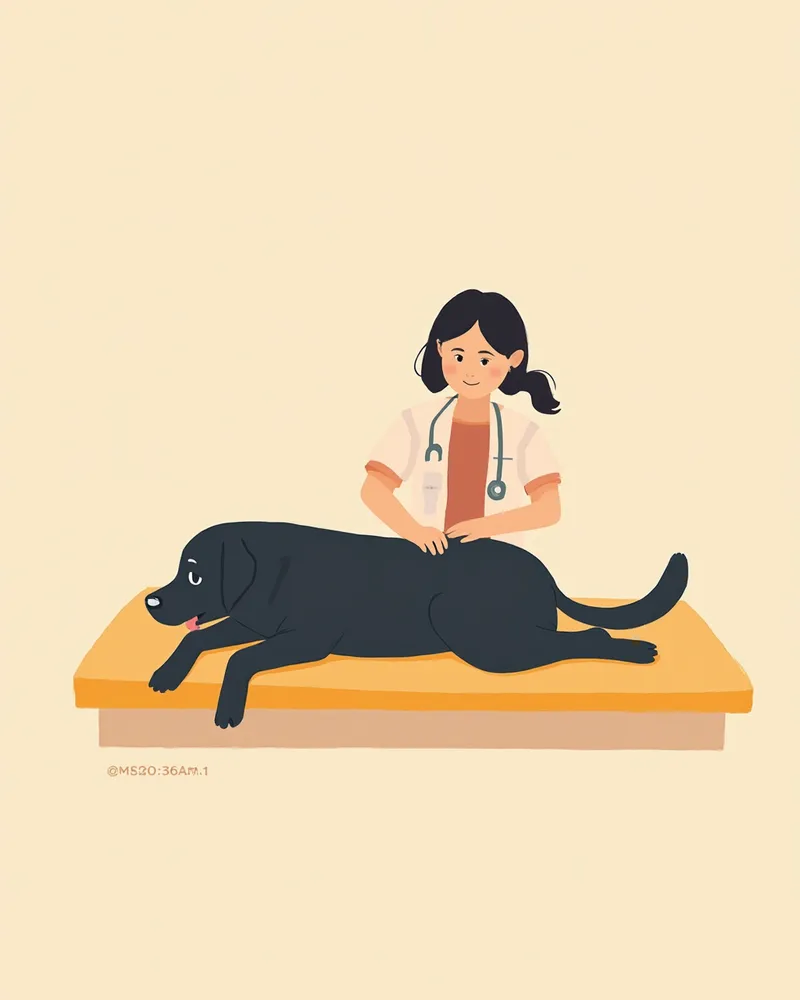
Labradors have a strong appetite, making obesity-related complications their biggest health challenge. - Obesity and joint/metabolic strain: Overweight Labradors have been reported to show altered balances in growth-related hormones such as IGF-I compared to dogs at a healthy weight. Failure to control food intake can lead to increased burden on the joints and overall metabolism, making weight management essential. - Hip and elbow dysplasia: Veterinary surgical textbooks identify the Labrador as a representative breed prone to these conditions. Elbow dysplasia (including medial coronoid disease) can cause front-leg lameness and joint effusion, potentially progressing to chronic osteoarthritis. - Osteochondritis dissecans (OCD): This condition involves the partial detachment of cartilage in the elbow or shoulder joints, which can cause pain and lameness. It is also influenced by environmental and nutritional factors such as overfeeding and rapid growth. - Hereditary diseases and genetic testing: Labradors are frequently cited as a breed predisposed to various hereditary conditions. For example, hereditary nasal parakeratosis, reported in young Labradors, can be identified through genetic testing to determine affected and carrier status. Atopic dermatitis (allergic skin disease) is also relatively common in this breed. If you notice any abnormal symptoms, it is best to consult with a veterinarian for an accurate diagnosis.
A Labrador Retriever undergoing a hip examination at a veterinary clinic

Care points necessary for both breeds

The key care points overlap significantly. - Weight Management: Maintaining an ideal body weight is crucial. Excess weight can accelerate the progression of hip dysplasia and increase stress on the joints overall. - Puppy Nutrition: Rapid growth due to overfeeding during the growth phase can place undue stress on developing joints. Feed large and giant breed-specific puppy food according to the recommended serving size. - Joint Supplements: You may consider supplements containing glucosamine and chondroitin as a preventive measure. However, always consult your veterinarian to determine whether supplementation is appropriate and to establish the correct dosage. - Regular Check-ups: Schedule a comprehensive health check-up at least once a year. For senior dogs (7 years and older), shortening the interval between check-ups based on their health status can be beneficial. - Coat Care: Golden Retrievers require brushing 2–3 times per week, while Labrador Retrievers need brushing 1–2 times per week.

Reviewed by a veterinarian

Dr. Tony — Punnawat Phongkittirak

Dr. Tony — Punnawat Phongkittirak

Veterinarian

A veterinarian who majored in veterinary medicine at Khon Kaen University, Thailand, and completed the IVSA program at North Carolina State University in the United States. Drawing on clinical experience at animal hospitals, he works in the pet healthcare field and is dedicated to building a digital care environment that connects pet parents with veterinarians.

Frequently Asked Questions

Between Golden Retrievers and Labrador Retrievers, which breed is better suited for first-time dog owners?
Both breeds are beginner-friendly, but if you find it challenging to provide sufficient exercise, the calmer Golden Retriever may be a better fit. However, Goldens require regular monitoring for hair shedding and tumor development, which can increase the long-term burden of health care.
Which breeds shed less?
Although Labrador Retrievers have short coats, both breeds shed a significant amount of hair. During shedding season, brushing at least once a day is virtually essential.
Do both breeds need joint supplements?
While not strictly necessary, many owners of large-breed dogs consider preventive supplementation with glucosamine and chondroitin. Be sure to consult your veterinarian to determine the appropriate dosage.
Is it true that Golden Retrievers are prone to cancer?
Golden Retrievers are known to have a predisposition to certain malignant tumors. However, since exact incidence rates vary across studies, it is important to focus on early detection through regular health check-ups after middle age and self-examinations of the skin and lymph nodes.
Is spaying or neutering linked to cancer risk?
While some studies have explored the link between the timing of spaying or neutering and the risk of certain tumors, the findings have been inconsistent. The decision on when and whether to spay or neuter should be made in close consultation with your veterinarian, taking into account your pet’s breed, individual health status, and living environment.

Share

Related Guides

References

[1] Textbook of Veterinary Orthopaedic Surgery - Hip Dysplasia chapter

[2] BSAVA Manual of Canine and Feline Dermatology, 4th Ed - Cutaneous Neoplasia

[3] Notes on Canine Internal Medicine, 4th Ed - Lymphoma chapter

[4] The Veterinary Workbook of Small Animal Clinical Cases - Canine Castration and Cancer Risk

[5] The Dog Care Handbook - Breed Predisposition and Hip Dysplasia

This information is based on veterinary literature and does not replace diagnosis or treatment. Please consult a veterinarian for specific health concerns.

Metapet Co., Ltd. | CEO: Park Sung-yong | Business Reg. No. 417-88-02562 | Seoul, South Korea | Customer Center

Golden Retriever vs Labrador: The Ultimate Comparison | Meongsiljang