
Like
Share
멍실장
1차 vs 2차 동물병원 비교

Primary vs. Secondary Veterinary Hospitals: A Comparison

ImmunityComparisonsMeongsiljang Veterinary Advisory Board

Primary and secondary veterinary hospitals differ in their roles and scope of practice. We’ve summarized the key criteria to help you choose the right hospital for your pet’s condition.

What Are Primary and Secondary Veterinary Hospitals?

A veterinarian treating dogs at a primary care animal hospital
Primary and secondary veterinary clinics are two distinct tiers of the veterinary healthcare system, each with different scopes of practice and roles. The most important thing to remember is that your pet’s primary care veterinarian is at a primary clinic. Primary clinics handle vaccinations, health check-ups, and general consultations, while secondary clinics specialize in complex surgeries, advanced diagnostics (such as CT and MRI scans), and intensive care. Rushing directly to a secondary clinic for every illness is actually inefficient.

The Role of Primary Veterinary Clinics

Primary care veterinary clinics serve as your pet’s neighborhood practice, acting as their closest and most trusted primary care provider. - Preventive care: Vaccinations, heartworm and external parasite prevention - Health screenings: Basic blood work, X-rays, and ultrasounds - Common conditions: Colds, gastroenteritis, skin diseases, otitis externa, and other frequent ailments - Minor procedures: Wound suturing, tooth extractions, and spay/neuter surgeries - Health counseling: Guidance on nutrition, weight management, and behavior Since these clinics maintain your pet’s lifelong health records, it is standard practice to begin your pet’s veterinary care at a primary care clinic.

The Role of Secondary Veterinary Hospitals
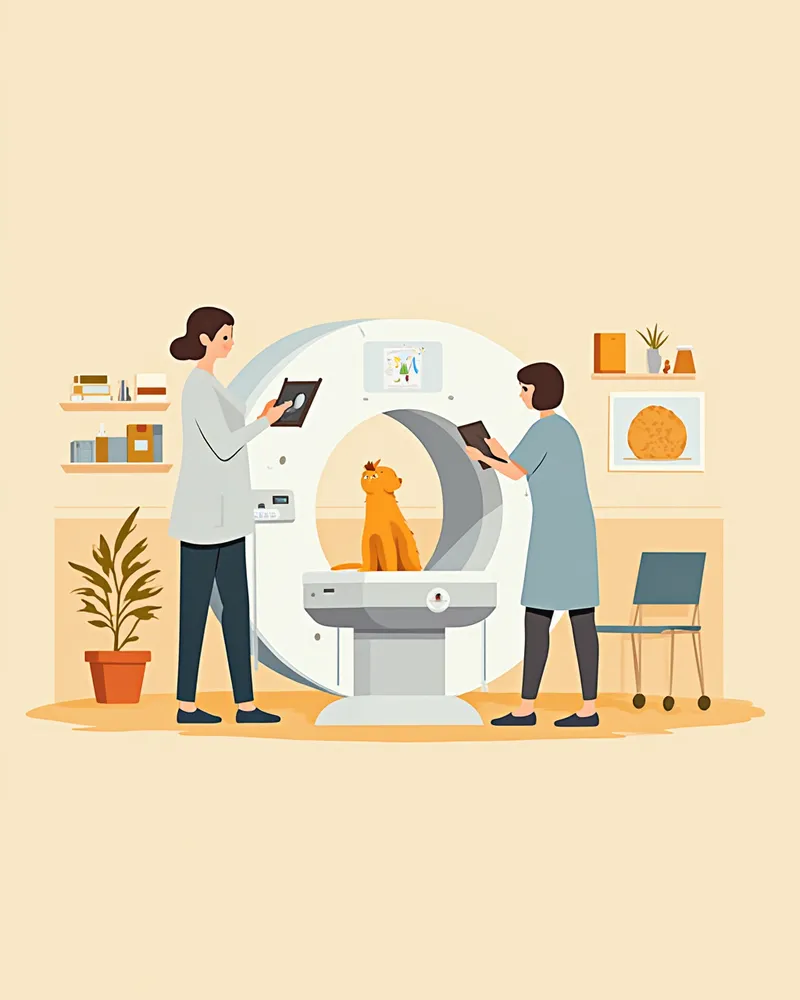
A Level 2 veterinary hospital is an advanced facility that specializes in subspecialty care and complex treatments. - Subspecialty departments: Staffed by board-certified specialists in internal medicine, surgery, radiology, ophthalmology, neurology, oncology, dentistry, and more. - Advanced diagnostics: CT, MRI, endoscopy, echocardiography, and histopathology. - Complex surgeries: Orthopedic procedures (patellar luxation, cranial cruciate ligament repair), neurosurgery, tumor resection, and laparoscopic surgery. - 24-hour intensive care unit: Emergency and critical care, including ventilator management. Most patients are referred to Level 2 hospitals by their primary care veterinarians.
Inside a second-tier veterinary clinic equipped with CT scanners

Primary vs. Secondary: A Quick Comparison

ItemPrimary animal hospitalSecondary (referral) animal hospital
RolePrimary care physician / general practiceSpecialty departments / advanced treatment
Main servicesVaccinations, health checkups, common illnessesPrecise diagnosis, specialized surgery, critical care
EquipmentBasic blood tests, X-ray, ultrasoundCT, MRI, endoscopy, echocardiography
VeterinariansGeneral clinical veterinariansDepartment specialist veterinarians
Consultation feesRelatively inexpensiveHigh testing and surgery costs
How to visitGuardian visits directlyReferral from primary hospital recommended
Consultation hoursAppointment or same-day availableMainly by appointment, waits can be long

Actual operations differ by hospital. Call to confirm before visiting.

When to Visit a Secondary Care Hospital

This applies when a general practice clinic is unable to resolve the issue, or when specialized equipment and expert judgment are required. - Advanced Imaging: Detailed diagnostics for the brain, spine, and abdomen that are difficult to assess with standard X-rays. - Specialized Surgery: Procedures such as patellar luxation repair (TPLO/TTA), cruciate ligament rupture surgery, and intervertebral disc disease (IVDD) surgery. - Cancer Treatment: Biopsies, chemotherapy, and radiation therapy. - Critical Care Intensive Treatment: Conditions requiring 24-hour monitoring, such as heart failure, acute kidney failure, and sepsis. - Chronic Diseases of Unknown Origin: Cases that do not improve despite repeated treatments.

In Emergencies, Go to the Nearest Facility First!

In emergency situations such as difficulty breathing, seizures, severe bleeding, or decreased consciousness, you should go to the nearest animal hospital or a 24-hour emergency center rather than spending time traveling to a secondary care facility. Even secondary care hospitals may require a wait if you arrive without an appointment, so it’s best to save the contact information for emergency-specialized clinics, like those listed in the 119 Animal Emergency service, in advance.

Why Is a Referral Letter Necessary?
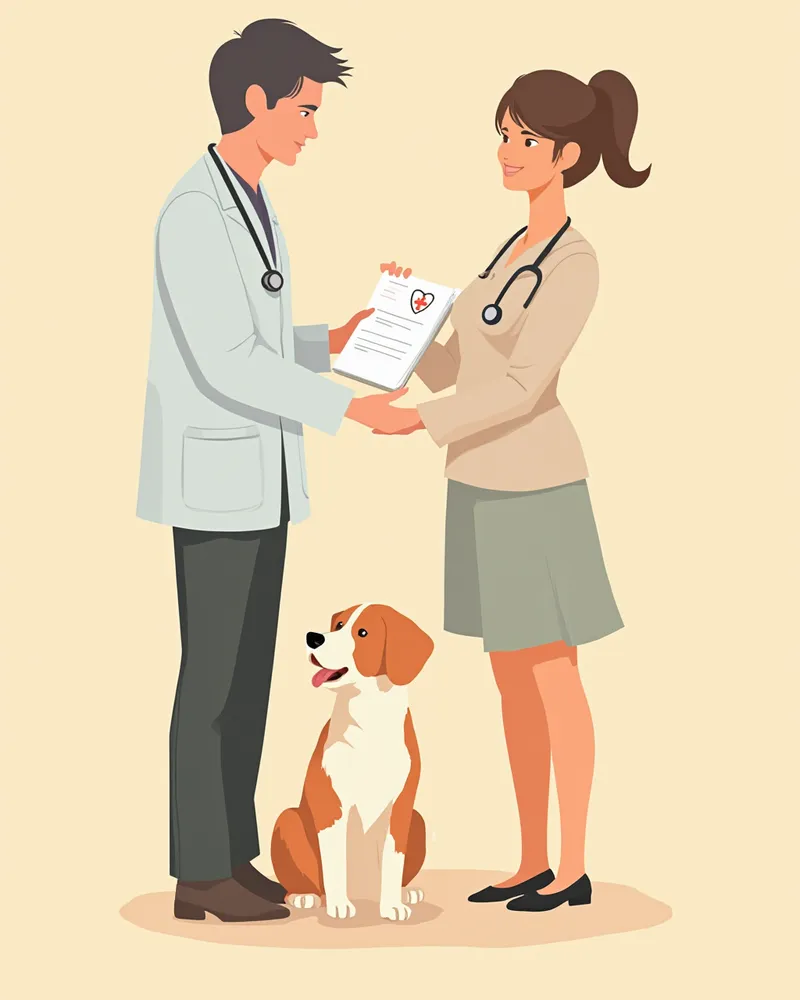
When visiting a secondary care facility, the referral letter provided by your primary veterinarian is a document that summarizes your pet’s medical history, test results, and medication records. - Prevents duplicate testing: You won’t need to repeat the same blood or imaging tests. - Ensures accurate diagnosis: The specialist can quickly understand the full context of your pet’s condition. - Reduces costs: You save money by avoiding unnecessary repeat tests. - Maintains treatment continuity: It makes it easier for your primary clinic to continue post-treatment care after the specialist visit. Be sure to request a referral letter from your primary veterinarian before visiting the secondary care facility.
A primary care veterinarian issuing a referral form for further treatment.

What to Prepare Before Visiting a Secondary Care Hospital

- Referral and test results: All documents from your primary care clinic - Imaging files: CDs or USB drives containing X-ray and ultrasound images - Medication records: A list of all current medications and supplements - Symptom log: A chronological record of when symptoms started and how they’ve progressed - Home videos: Recordings of symptoms that are hard to reproduce in the clinic, such as seizures or limping - Appointment confirmation: Secondary care clinics operate primarily by appointment, so booking in advance is essential

Why You Shouldn’t Skip Primary Care

Secondary care clinics primarily operate on a referral basis. If you visit without a referral form, you may face longer wait times or even be turned away. Additionally, relying solely on secondary care without a primary veterinarian can lead to gaps in routine health management, vaccinations, and lifestyle advice, which can compromise long-term health. The safest approach is to have a primary veterinarian for regular care and seek referrals to secondary care when necessary.

Reviewed by a veterinarian

Dr. Tony — Punnawat Phongkittirak

Dr. Tony — Punnawat Phongkittirak

Veterinarian

A veterinarian who majored in veterinary medicine at Khon Kaen University, Thailand, and completed the IVSA program at North Carolina State University in the United States. Drawing on clinical experience at animal hospitals, he works in the pet healthcare field and is dedicated to building a digital care environment that connects pet parents with veterinarians.

Frequently Asked Questions

Are secondary veterinary clinics covered by insurance?
Coverage varies by pet insurance plan. Most plans don’t distinguish between primary and secondary care, but some high-cost tests (like CT or MRI scans) or specific surgeries may have separate coverage limits. Be sure to review the policy terms before enrolling.
How much more expensive are the treatment costs at a secondary care hospital?
While consultation fees vary by clinic, advanced diagnostic tests like CT and MRI scans can cost hundreds of dollars, and specialized surgeries may reach into the millions. You can get an estimated cost breakdown during your initial consultation.
What if the first and second veterinary clinics give different opinions?
This is a perfectly reasonable situation. A specialist will base their assessment on more advanced equipment and greater experience. Before making a decision, ask both veterinarians to explain the rationale behind their recommended treatments and discuss alternative options. If needed, you can also seek a second opinion from another specialty clinic.
How can I tell whether it’s primary or secondary?
If a clinic’s website mentions “specialized departments,” “referral cases,” or “Referral Hospital,” or if it has CT or MRI equipment, it is likely a secondary care facility. Most neighborhood animal clinics are primary care, while those named “○○ Animal Medical Center” or “○○ University Veterinary Hospital” are often secondary care.
After secondary treatment, can we go back to primary treatment?
Yes, this is actually the recommended approach. After surgery and specialized treatment at a secondary care facility, continuing post-operative care, rehabilitation, and routine check-ups with your primary veterinarian is more convenient for both you and your pet, thanks to their accessibility.

Share

Related Guides

References

[1] Ettinger SJ, Feldman EC, Côté E, eds. Textbook of Veterinary Internal Medicine, 8th ed. Elsevier, 2017

[2] Silverstein DC, Hopper K. Small Animal Critical Care Medicine, 3rd ed. Elsevier, 2022

[3] 한국수의임상포럼(KVCF), 동물병원 의료전달체계 가이드라인, 2023

This information is based on veterinary literature and does not replace diagnosis or treatment. Please consult a veterinarian for specific health concerns.

Metapet Co., Ltd. | CEO: Park Sung-yong | Business Reg. No. 417-88-02562 | Seoul, South Korea | Customer Center

Primary vs Secondary Vet Hospitals: What's the Difference? | Meongsiljang