Like
Share
멍실장
강아지 췌장염 저지방 처방식 비교 — Royal Canin Low Fat vs Hill's i/d Low Fat

Comparison of Low-Fat Prescription Diets for Canine Pancreatitis — Royal Canin GI Low Fat vs Hill’s Prescription Diet i/d Low Fat

DigestiveComparisonsMeongsiljang Veterinary Advisory Board

We’ve compared the nutritional profiles, recommended use cases, and prices of two prescription diets for canine pancreatitis—Royal Canin GI Low Fat and Hill’s Prescription Diet i/d Low Fat—and outlined how to choose the best option for your dog.

What Are Low-Fat Prescription Diets for Canine Pancreatitis?

A dog taking prescription medication
Prescription diets for canine pancreatitis are veterinarian-recommended foods formulated with reduced fat content to minimize pancreatic stimulation. Since fat is the nutrient that most strongly stimulates pancreatic secretion, restricting fat intake is advised during acute pancreatitis. The most critical aspect is not reverting to regular food but continuing the prescription diet for a specified period after recovery. Because pancreatitis can progress to a chronic condition, consistent management with a low-fat diet after recovery is key to lifelong care. In this article, we will compare two commonly prescribed products in Korea—Royal Canin GI Low Fat and Hill’s i/d Low Fat—based on their nutritional profiles and appropriate use cases.

Why Is a Low-Fat Prescription Diet Necessary?

Pancreatitis is a condition in which the pancreas becomes inflamed. The pancreas produces lipase, an enzyme that breaks down fat, so feeding high-fat foods can strongly stimulate pancreatic secretion and worsen the inflammation. In fact, fat is the nutrient that most potently stimulates pancreatic secretion. Therefore, a low-fat diet is the primary management strategy during both recovery and chronic care phases. However, even among gastrointestinal prescription diets, fat content varies significantly between products, so not all "prescription diets" are equally low in fat. The protein and carbohydrate ratios are also specifically adjusted to reduce the burden on the pancreas, meaning this nutritional balance cannot be arbitrarily replaced by feeding only chicken breast.

Key Nutritional Comparison: Royal Canin GI Low Fat vs Hill’s Prescription Diet i/d Low Fat

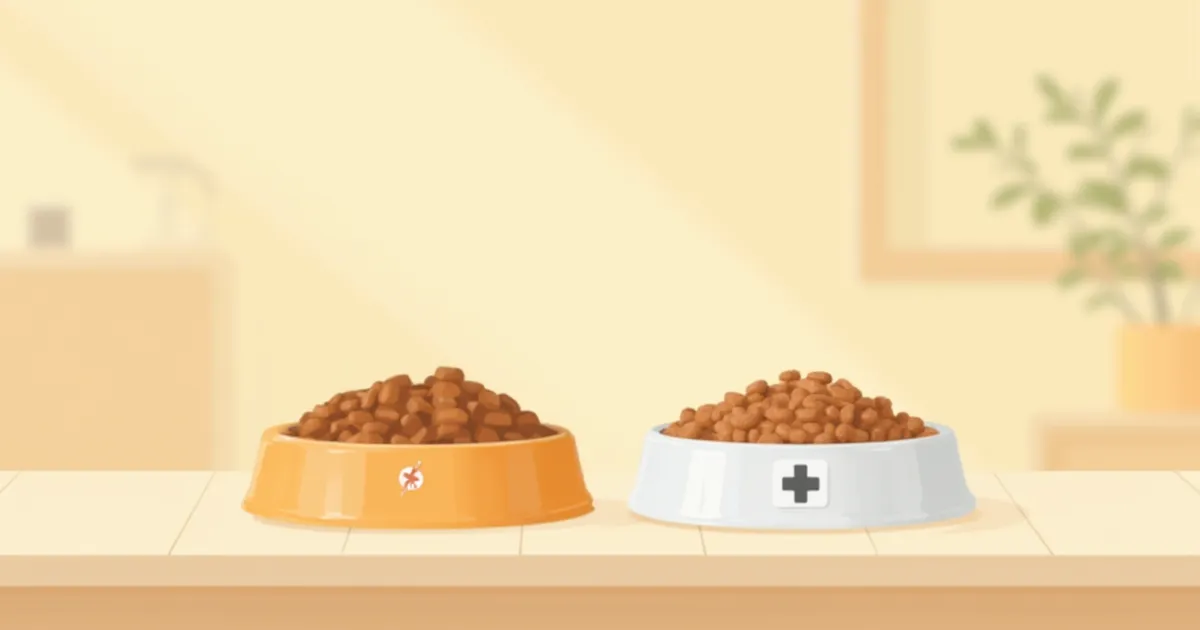
ItemRoyal Canin GI Low Fat (Dry)Hill's Prescription Diet i/d Low Fat (Dry)
Crude fat (fat)≈ 6.5%≈ 8.6%
Crude protein≈ 23%≈ 21.5%
Crude fiber≈ 2.4%≈ 3.5%
Calories (dry food)≈ 3,220 kcal/kg≈ 3,400 kcal/kg
Main protein sourceChicken by-product·riceChicken·corn starch
PrebioticsFOS, beet pulpActivBiome+ (dietary fiber blend)
Recommended situationsAcute pancreatitis recovery, fat digestion disordersPancreatitis with chronic enteropathy, IBD

Based on each manufacturer's product specifications; there may be slight differences by lot and timing. Always consult your veterinarian before prescribing.

When Royal Canin GI Low Fat Is the Better Choice

Royal Canin GI Low Fat reduces fat content to around 6.5%, making it ideal for the period when the pancreas is most sensitive to fat. Its key advantage is that it’s the first choice when you need to minimize pancreatic stress, such as right after hospital discharge or during recovery from acute pancreatitis. Fat restriction is especially helpful for breeds prone to pancreatitis due to a predisposition to hyperlipidemia, such as Miniature Schnauzers and Shetland Sheepdogs. However, this doesn’t apply to cases with exocrine pancreatic insufficiency (EPI), which may actually require a moderate-to-high-fat diet. The downside is that the low fat content may not meet energy needs, potentially leading to further weight loss in active or underweight dogs.
A Schnauzer puppy receiving a veterinary checkup

When Hill’s Prescription Diet i/d Low Fat Is the Better Choice

Hill’s i/d Low Fat contains 8.6% fat, which is slightly higher than Royal Canin’s, but it shines when you need to support gut health at the same time. It features ActivBiome+, a proprietary fiber blend, and is often prescribed for dogs with pancreatitis accompanied by chronic diarrhea or inflammatory bowel disease (IBD), as well as for those prone to frequent pancreatitis relapses with poor stool quality. Its slightly higher calorie content also makes maintaining a healthy weight easier. In short, if you’re dealing with a case that requires managing both the pancreas and the intestines, Hill’s i/d Low Fat is typically the first choice.
A puppy resting comfortably at home during its recovery period.

Important Considerations Before Choosing a Prescription Diet

Low-fat prescription diets are not like regular supplements or treats; they are foods that require veterinary prescription and ongoing management. Feeding them long-term without a pancreatitis diagnosis can lead to protein and fatty acid deficiencies, and the appropriate product varies significantly depending on concurrent conditions such as Cushing’s disease, diabetes, or kidney disease. You must determine the duration of feeding, the rate of transition, and the allowance for treats in consultation with your veterinarian, and we do not recommend switching products based solely on online reviews.

How to Choose? — Guide by Situation

Both products are prescription diets clinically proven for pancreatitis, so the choice isn’t about “good vs. bad” food, but rather which one better suits your pet’s specific condition. - Immediately after recovery from acute pancreatitis, or with concurrent hyperlipidemia: Royal Canin GI Low Fat is preferred. - With chronic enteritis, IBD, or frequent diarrhea: Hill’s i/d Low Fat is preferred. - If weight loss is a concern: Hill’s is often advantageous due to its calorie content and palatability. - If highly sensitive to dietary fat: Royal Canin is generally the safer option. The final decision should be made by your veterinarian, who will evaluate blood test results (lipase, triglycerides) along with stool characteristics.

Essential Guidelines for Feeding Prescription Diets
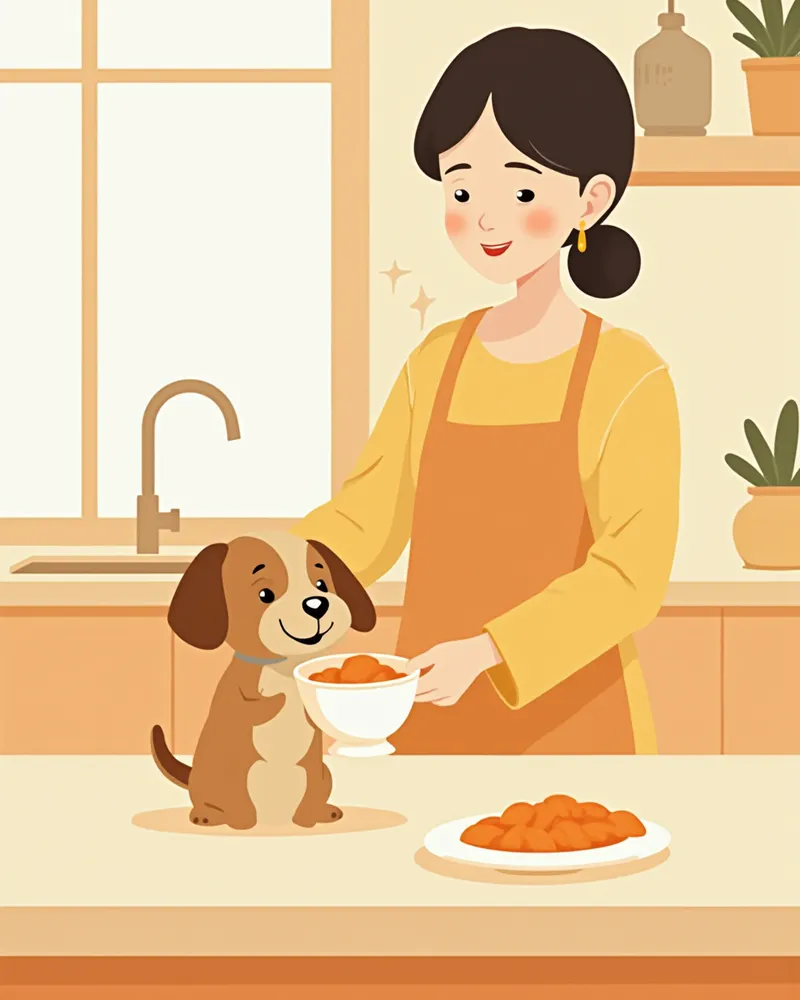
Transition period: Gradually mix the new food with the current diet over 7–10 days. Sudden changes can cause diarrhea.
Treat restrictions: The therapeutic effect comes from "fat blocking." Discontinue all human food, regular treats, cheese, and nuts.
Feeding amount: The recommended amount on the packaging is an average; your veterinarian should recalculate it based on your pet’s weight and activity level.
Storage: Use within 6–8 weeks after opening. Keep away from direct sunlight and moisture.
A pet owner measuring out food with a measuring cup

Reviewed by a veterinarian

Dr. Tony — Punnawat Phongkittirak

Dr. Tony — Punnawat Phongkittirak

Veterinarian

A veterinarian who majored in veterinary medicine at Khon Kaen University, Thailand, and completed the IVSA program at North Carolina State University in the United States. Drawing on clinical experience at animal hospitals, he works in the pet healthcare field and is dedicated to building a digital care environment that connects pet parents with veterinarians.

Frequently Asked Questions

Can I mix these two products and feed them together?
I don’t recommend it. The two products are formulated with different nutritional balances, so mixing them arbitrarily can disrupt the intended fat-to-protein ratio. If you need to switch, the proper approach is to transition gradually from one product to the other over 7 to 10 days.
Can I return to regular food once the pancreatitis has improved?
Pancreatitis can become chronic or recur, so it’s common to continue a prescription diet for a while after recovery rather than switching back to regular food right away, and then maintain a low-fat diet for ongoing management. The timing of the transition and the duration of the special diet vary depending on your pet’s condition, so please be sure to consult with your veterinarian.
Which is better, wet or dry food?
Wet food is beneficial during recovery when hydration is insufficient or appetite is low, while dry food is more convenient for everyday maintenance. Both products come in wet and dry formats, allowing you to mix and match based on your pet’s condition.
Can cats take the same product as well?
No, that won’t work. Both products are formulated for dogs and do not meet cats’ essential amino acid requirements, such as taurine. Cats need a separate prescription diet specifically designed for them, like Royal Canin GI or Hill’s i/d from the feline line.
Is there a big price difference?
In Korea, both products are similarly priced, ranging from the high $10 to the low $10 per kilogram. Since prices can fluctuate depending on the season and retailer, it’s best to choose based on which product better suits your pet’s individual needs rather than focusing solely on cost.

Share

Related Guides

References

[1] Hand MS et al., Small Animal Clinical Nutrition, 5th Ed (Pancreatitis chapter)

[2] Fascetti AJ, Delaney SJ, Applied Veterinary Clinical Nutrition, 2nd Ed (Commercial Diets)

[3] Ettinger SJ, Feldman EC, Textbook of Veterinary Internal Medicine, 8th Ed (Canine Pancreatitis)

This information is based on veterinary literature and does not replace diagnosis or treatment. Please consult a veterinarian for specific health concerns.

Metapet Co., Ltd. | CEO: Park Sung-yong | Business Reg. No. 417-88-02562 | Seoul, South Korea | Customer Center

Dog Pancreatitis Low-Fat Diets: RC GI Low Fat vs Hill's i/d | Meongsiljang