
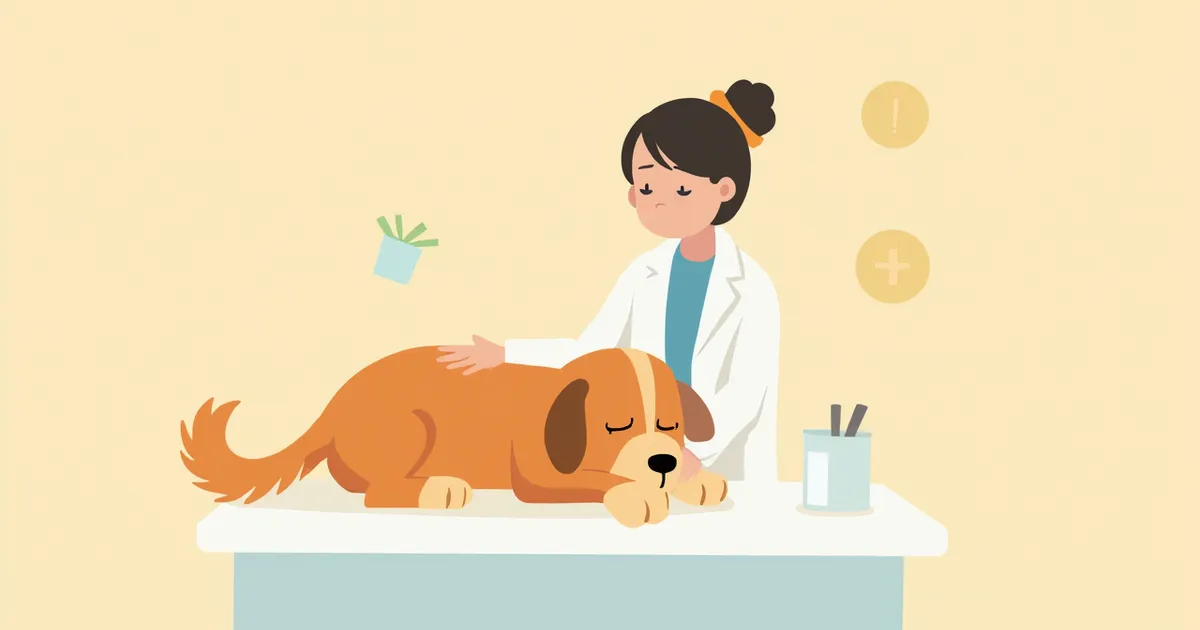
Dog Inflammatory Bowel Disease: Symptoms, Causes, Diagnosis, Treatment, and Management Essentials
Inflammatory bowel disease (IBD) in dogs is a condition characterized by recurring chronic inflammation of the digestive tract due to the infiltration of immune cells. Our veterinary advisory team has compiled a comprehensive guide covering everything from a symptom checklist to dietary management, medication, and relapse prevention.
What Is Inflammatory Bowel Disease in Dogs?
Causes and Pathogenesis
Key Symptom Checklist
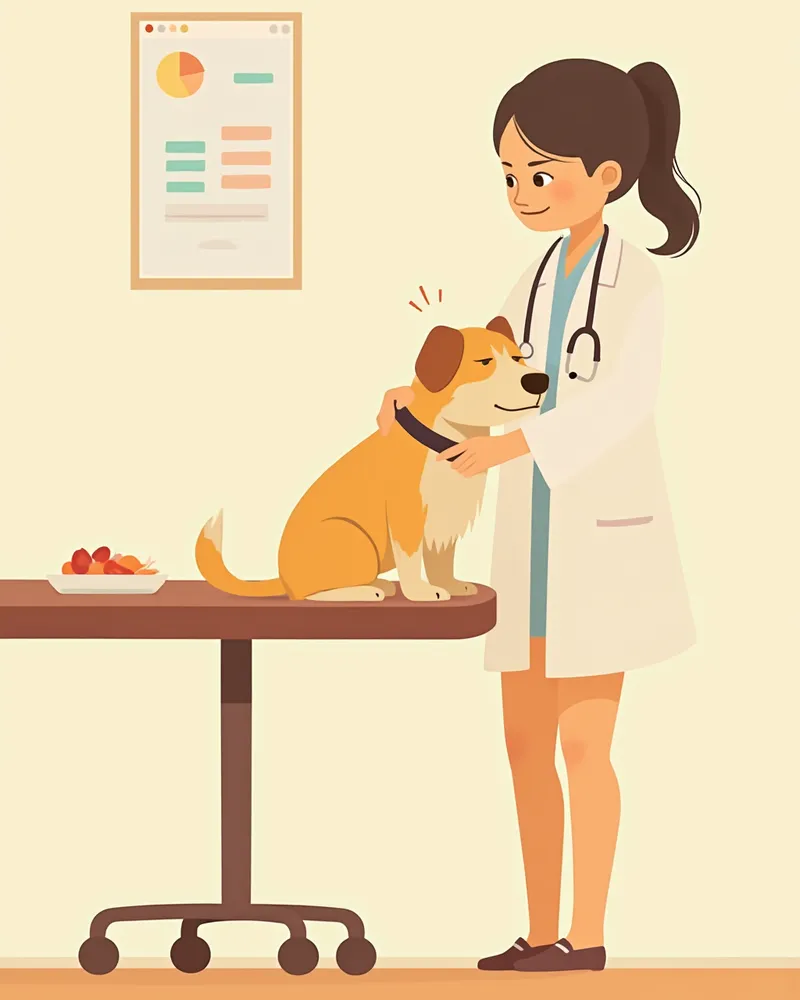
When to Visit the Vet Immediately
If any of the following apply, please visit a veterinary clinic within 24 hours: · Blood in the stool or vomit occurs two or more times in a row. · The pet hasn’t eaten for over 48 hours and vomiting persists. · Signs of dehydration are present, such as dry gums and loss of skin elasticity. · There is a sudden drop in energy or slowed responsiveness.
How Is It Diagnosed?
Treatment: Dietary Management and Medication
Home Management Tips
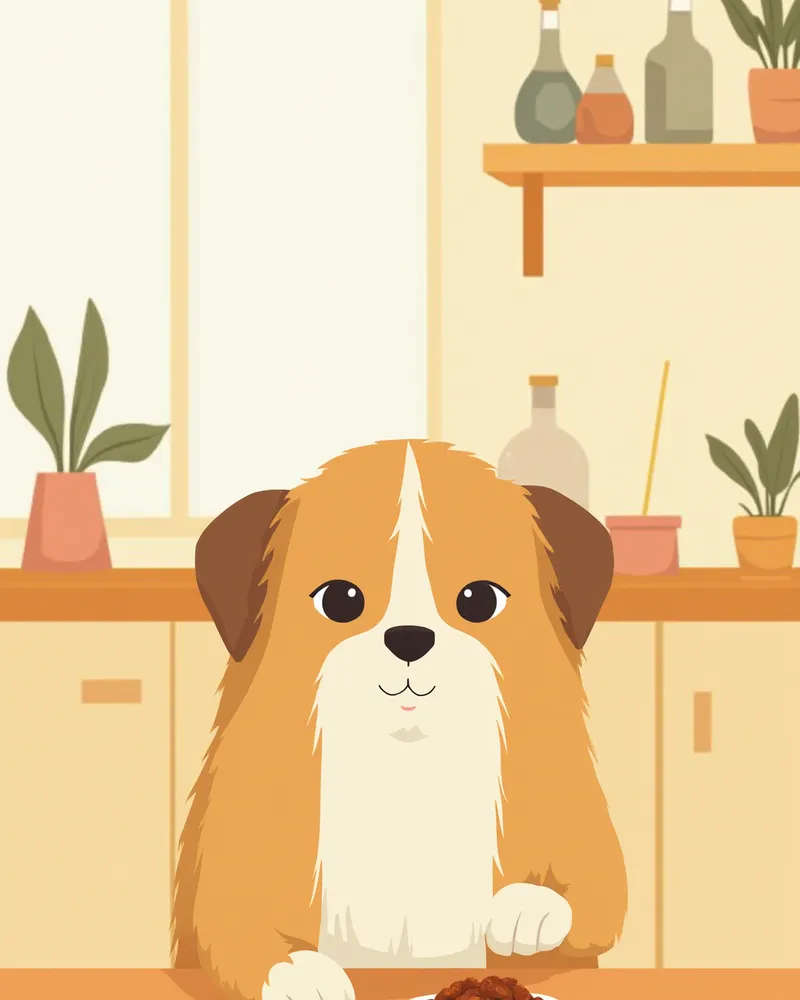
Breed-Specific Risks and Relapse Prevention
Boxers, German Shepherds, Rottweilers, Weimaraners, Border Collies, and French Bulldogs have been reported to have a relatively higher risk of developing inflammatory bowel disease (IBD). If your dog is one of these breeds, please visit the clinic promptly if chronic diarrhea or vomiting persists for more than two weeks. The goal of IBD treatment is management rather than a complete cure. To help prevent relapses, it’s important to continue regular check-ups and dietary management even after symptoms have subsided.
Reviewed by a veterinarian

Dr. Tony — Punnawat Phongkittirak
VeterinarianA veterinarian who majored in veterinary medicine at Khon Kaen University, Thailand, and completed the IVSA program at North Carolina State University in the United States. Drawing on clinical experience at animal hospitals, he works in the pet healthcare field and is dedicated to building a digital care environment that connects pet parents with veterinarians.
Reviewed 2026-05-28
Frequently Asked Questions
How is IBD different from regular enteritis?
Is IBD curable?
What kind of food should I switch to?
Is it safe to give steroids to my pet for a long time?
Can probiotics help with IBD?
Share
Related Guides
My Senior Cat Won’t Eat — A Complete Guide to Choosing Food for Cats with Weak Digestion
Top 5 Prescription Diets for Feline Pancreatitis Recommended by Veterinarians — Low-Fat, Highly Digestible Food Guide
Royal Canin vs Hill’s vs Purina vs Orijen — Which Brand Is Right for Your Pet, According to Veterinarians?

If Your Dog’s Eyes Suddenly Become Red and Painful — Emergency Signs and Response for Lens Luxation

If Your Dog’s Eye Color Has Changed — Symptoms of Intraocular Tumors and When to Visit the Vet

If Your Dog Suddenly Loses Vision — Causes and Treatment Timing for Hypertensive Retinopathy

Canine Eyelid Tumors: Symptoms, Causes, Diagnosis, Treatment, and Management Essentials

If Your Dog Has Severe Tear Staining — Causes and Management of Tear Stains

If Your Dog’s Eyelids Are Drooping — Causes of Ectropion and Surgical Timing

If Your Diabetic Dog’s Eyes Look Cloudy — Causes of Diabetic Cataracts and Timing for Surgery
References
[1] Nelson RW, Couto CG. Small Animal Internal Medicine, 6th Ed. Elsevier, 2019.
[2] Washabau RJ, Day MJ. Canine and Feline Gastroenterology. Elsevier Saunders, 2013.
[3] Tams TR, Rawlings CA. Small Animal Endoscopy, 3rd Ed. Elsevier Mosby, 2011.