Like
Share
멍실장
강아지 급성 신부전 원인·응급 처치 증상과 원인, 진단·치료와 관리 포인트 총정리

Acute Kidney Failure in Dogs: Causes, Emergency Treatment, Symptoms, Diagnosis, Treatment, and Management Essentials

KidneyDiseasesMeongsiljang Veterinary Advisory Board

Acute kidney failure in dogs is a critical condition where kidney function drops rapidly. Early detection and immediate veterinary care are essential for survival.

Acute kidney failure in dogs is a critical condition where kidney function drops rapidly.
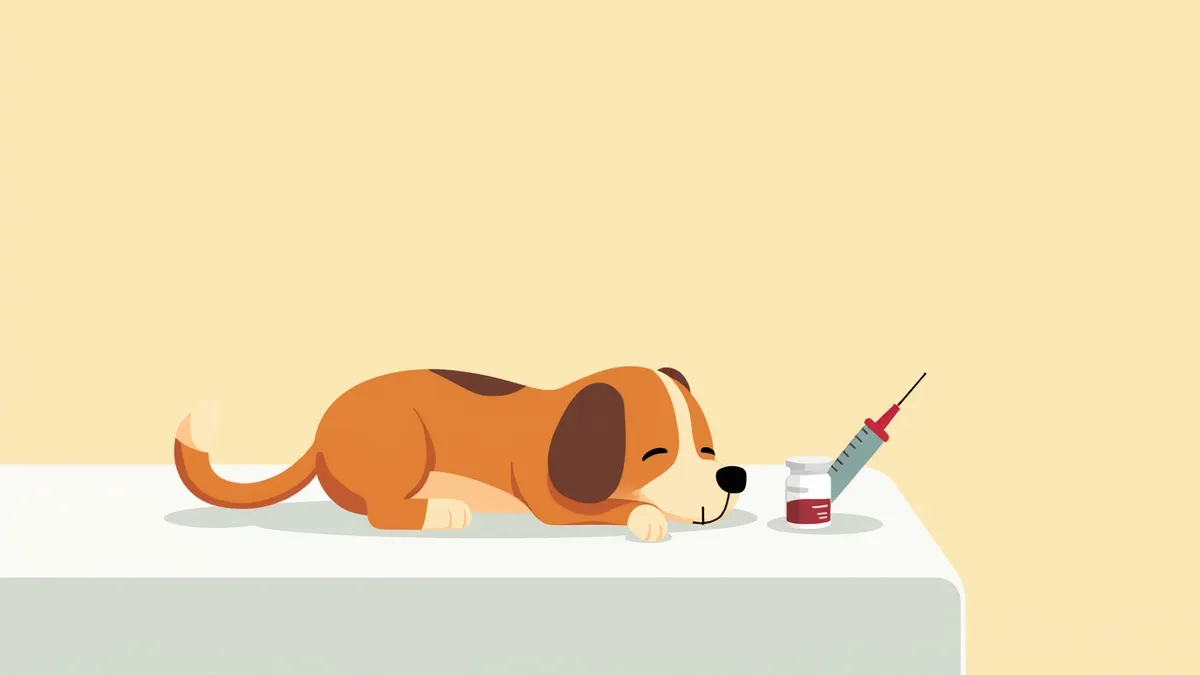
In-clinic setting for diagnosing acute kidney failure in dogs
Acute kidney failure in dogs is a condition where the kidneys are suddenly damaged, causing a rapid decline in their ability to filter waste products. Symptoms typically worsen quickly within 24 to 72 hours, making early detection and immediate veterinary care critical for survival. - Decline in kidney function: When the kidneys fail to remove waste, toxins build up in the body, leading to a rapid deterioration of overall health. - Importance of early diagnosis: Blood and urine tests are essential to measure creatinine and BUN levels and assess kidney function. - Need for immediate treatment: The cornerstone of treatment is fluid therapy to correct dehydration and restore blood flow to the kidneys. - Improving survival rates: Early intervention significantly increases the chances of recovery, while delays greatly raise the risk of death.

The main causes include dehydration, ingestion of toxic substances, and reduced blood flow.
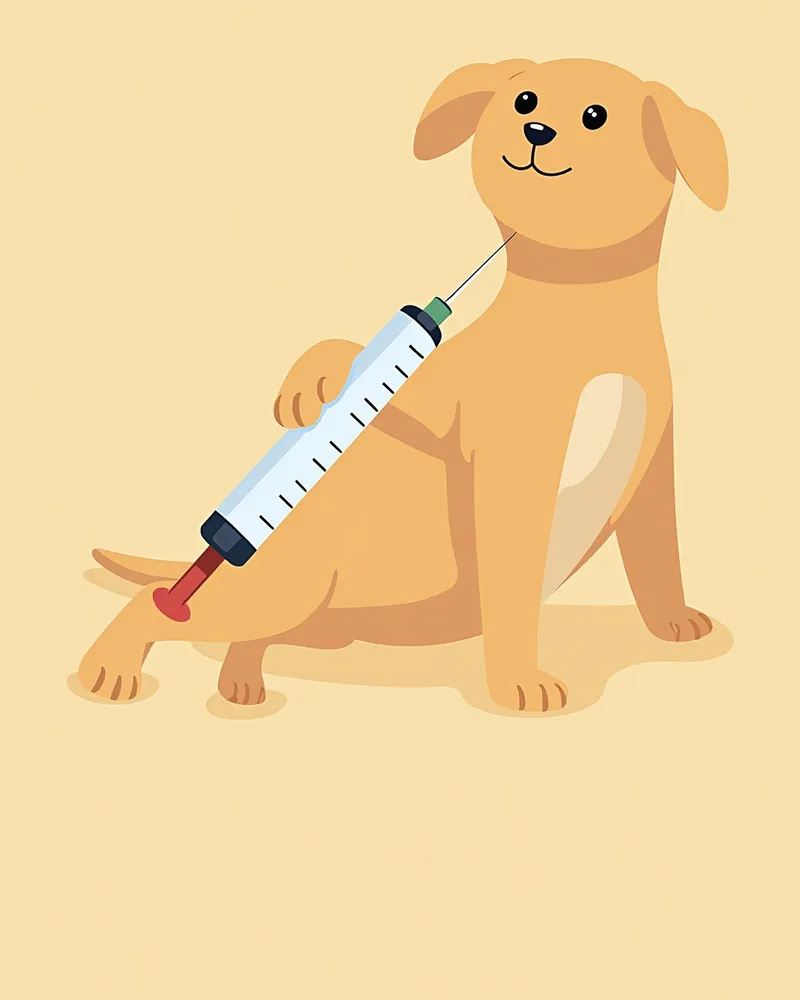
The main causes of acute kidney failure in dogs are ingestion of nephrotoxic substances, infections, and reduced blood flow to the kidneys (ischemia). In pets, nephrotoxins and infectious causes are the most common. Typical nephrotoxic substances include grapes and raisins, ethylene glycol (antifreeze), and painkillers such as NSAIDs. Cats, in particular, must be kept away from lilies. - Exposure to nephrotoxic substances: Grapes, raisins, ethylene glycol, and certain medications can directly damage kidney cells, leading to acute injury. - Caution with painkillers (NSAIDs): NSAIDs are common nephrotoxins that can cause severe damage by reducing blood flow to the kidneys. - Reduced blood flow (ischemia): Ischemic injury can occur when blood flow to the kidneys decreases due to heart dysfunction, bleeding, dehydration, or low blood pressure during anesthesia. - Infections and systemic diseases: Infectious causes, such as bacterial infections, as well as systemic diseases, can also damage the kidneys.
Drug-related risks as a major cause of acute kidney failure in dogs

Main symptoms include vomiting, dehydration, lethargy, and decreased urine output.

The hallmark signs of acute kidney failure in dogs include sudden vomiting, loss of appetite, dehydration, lethargy, and a marked decrease in urine output or complete anuria. In some cases, abdominal pain, difficulty breathing, and even shock may occur. - Vomiting and loss of appetite: As kidney function declines, toxins accumulate in the body, impairing gastrointestinal function. - Changes in urination: A sudden drop in urine volume or complete absence of urination signals that the kidneys are failing. - Signs of dehydration: These include dry mouth, sunken eyes, and reduced skin elasticity. - Lethargy and shock: Your dog may experience a rapid decline in energy, collapse, or become unresponsive. - Importance of early recognition: Because these symptoms can worsen rapidly, immediate veterinary care is essential.
Main symptoms of acute kidney failure in dogs

Emergency signs requiring immediate veterinary care

If your dog suddenly becomes lethargic, stops urinating altogether, or experiences repeated vomiting, seek veterinary care immediately. These signs indicate a critical condition in which kidney function has nearly ceased. Anuric or oliguric acute kidney injury carries a poorer prognosis, and without prompt treatment, it can be fatal. Emergency intervention by a veterinarian, including intravenous fluid and electrolyte therapy, is essential.

Diagnosis is confirmed through blood and urine tests.

Acute kidney injury in dogs is characterized by a rapid rise in blood creatinine and BUN levels, along with a urine test pattern showing impaired urine-concentrating ability. When the kidneys fail to concentrate urine properly, urine specific gravity may appear low. - Blood test results: A sharp increase in creatinine and BUN levels is a key indicator of declining kidney function. However, prerenal causes such as dehydration must also be considered. - Importance of urine testing: Impaired urine-concentrating ability may indicate that the kidneys are not functioning properly. - Use of ultrasound: In acute kidney injury, kidney size may be normal or enlarged. Ultrasound evaluation of size and structure can help identify the underlying cause. - Need for differential diagnosis: Distinguishing among prerenal, renal, and postrenal causes, as well as chronic kidney disease, is crucial for determining prognosis and treatment planning. - Value of early diagnosis: Integrating results from multiple tests to assess the cause and severity is essential to avoid delaying treatment.
Blood test procedures for diagnosing acute kidney failure in dogs

Treatment consists of intravenous fluid therapy, toxin removal, and addressing the underlying cause.
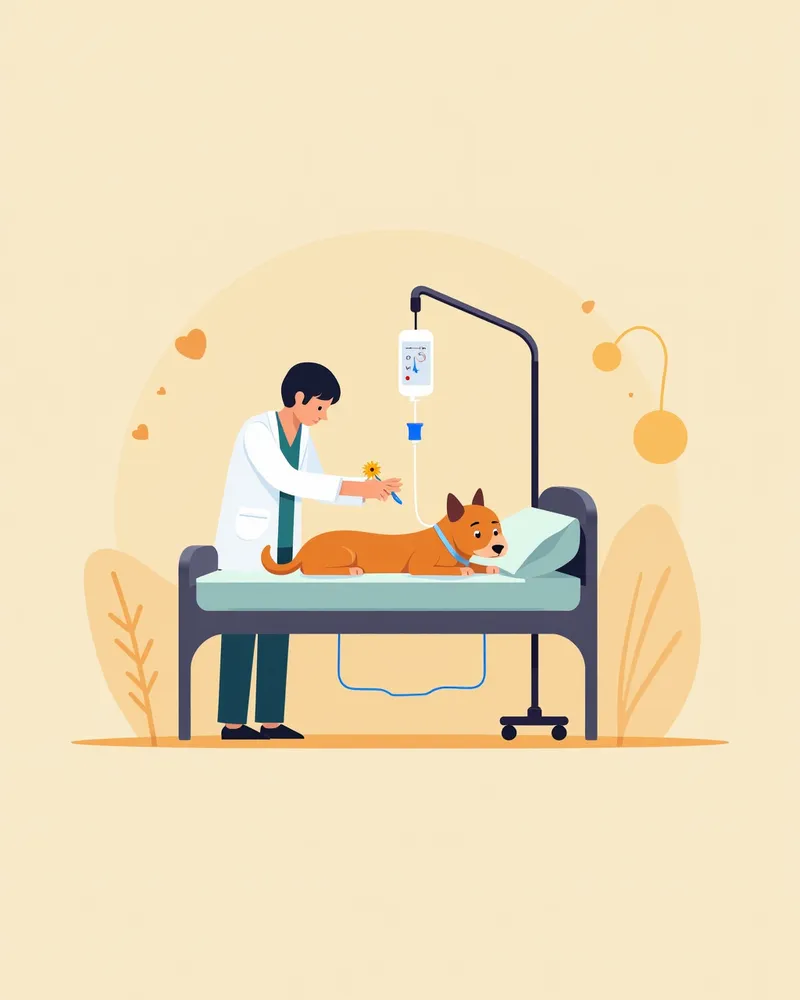
The cornerstone of acute kidney failure treatment is intravenous fluid therapy to correct dehydration and restore and maintain renal perfusion (blood flow). If ingestion of nephrotoxic substances is suspected, prompt intervention targeting the causative agent is essential, along with additional treatments such as antibiotics depending on the underlying cause. - Fluid therapy: Intravenous administration of fluids and electrolytes to restore renal perfusion is central to treatment. - Removal of the cause: If nephrotoxic substances have been ingested, rapid response to the underlying cause is critical. - Cause-specific treatment: Antibiotics are used if infection is the cause, while treatments to restore circulation are applied if reduced blood flow is responsible. - Consideration of dialysis: Dialysis may be necessary in severe cases where kidney function does not recover. - Effect of early treatment: Hemodynamic (prerenal) causes can often be reversed with prompt correction, whereas recovery from intrinsic renal parenchymal damage may take several weeks to months.
Progress of fluid therapy during treatment of acute kidney failure in dogs

Home management focuses on hydration, dietary control, and regular check-ups.
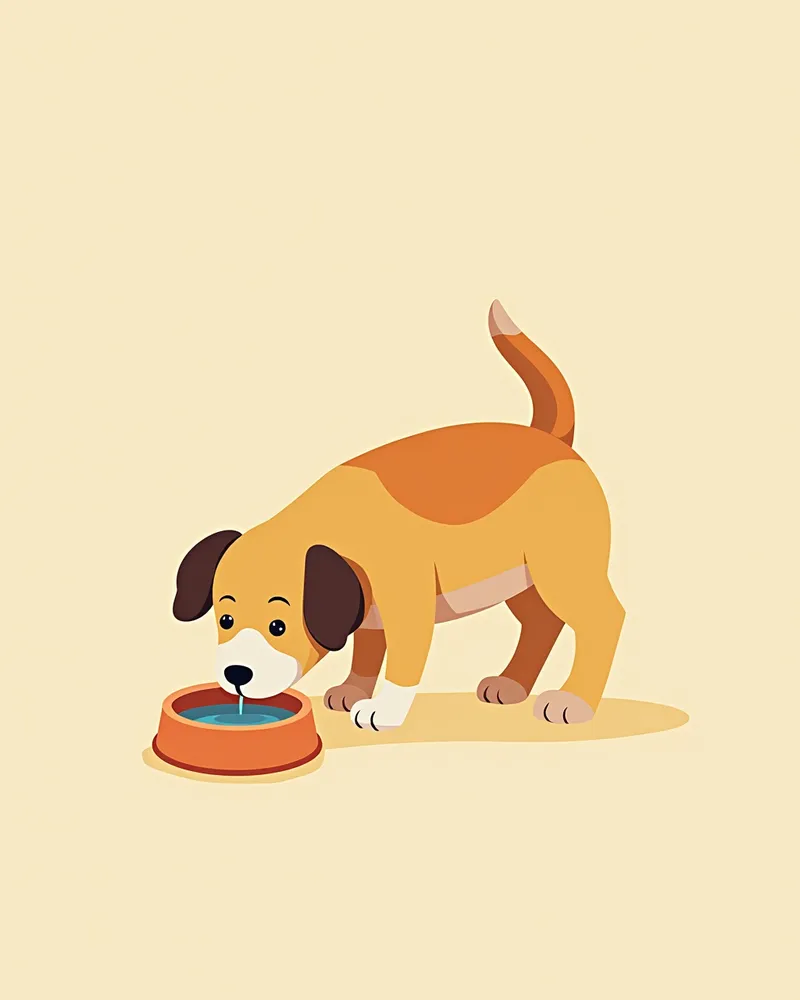
During the recovery phase after treatment, it’s important to encourage adequate hydration and recommend a low-protein, low-phosphorus diet. Avoid high-potassium foods and use special diets recommended by your veterinarian. Regular blood and urine tests are essential to monitor kidney function. - Hydration Management: Offer water frequently and encourage fluid intake. - Dietary Control: Limit protein and phosphorus intake to reduce the burden on the kidneys. - Special Diets: Use veterinarian-recommended diets specifically formulated for kidney health. - Regular Check-ups: Conduct tests every 1–3 months to monitor changes in kidney function. - Owner’s Role: Consistent observation and record-keeping are key to long-term management.
Managing a dog during the recovery phase of acute kidney failure

Preventing recurrence and breed-specific precautions

Acute kidney failure usually develops as a result of underlying conditions such as infections, kidney stones, tumors, genetic defects, or poisoning. Be cautious, as repeated dehydration or exposure to nephrotoxic drugs and substances can place additional strain on the kidneys. It is important to work with your veterinarian to establish a long-term management plan and to completely eliminate toxic substances from your pet’s environment. Prevention is the most critical factor.

Reviewed by a veterinarian

Dr. Tony — Punnawat Phongkittirak

Dr. Tony — Punnawat Phongkittirak

Veterinarian

A veterinarian who majored in veterinary medicine at Khon Kaen University, Thailand, and completed the IVSA program at North Carolina State University in the United States. Drawing on clinical experience at animal hospitals, he works in the pet healthcare field and is dedicated to building a digital care environment that connects pet parents with veterinarians.

Frequently Asked Questions

My dog suddenly stopped urinating. Could it be acute kidney failure?
Yes, if your pet stops urinating completely or experiences a sudden drop in urine output, there is a high likelihood of acute kidney failure. Immediate veterinary care is essential.
Can acute kidney failure be cured?
Acute kidney failure is a serious condition with a high mortality rate (approximately 50%), but recovery is possible depending on the underlying cause and severity. In particular, hemodynamic (prerenal) causes can often be corrected quickly, leading to rapid recovery. However, if there is significant damage to the kidney tissue itself, it may progress to chronic kidney disease or carry a poor prognosis. Early intervention is key.
What preventive measures can I take at home?
Always provide plenty of fresh water, and keep your pet away from nephrotoxic substances such as grapes, raisins, antifreeze (ethylene glycol), and, in the case of cats, lilies. Do not administer medications such as NSAIDs without your veterinarian’s guidance.
Can my pet live a normal life after acute kidney failure?
While the extent of recovery varies, pets whose kidney function has sufficiently recovered can live comfortably with proper care and dietary management. Since some cases may progress to chronic kidney disease, ongoing monitoring through regular check-ups is essential.
Can a high creatinine level on a blood test still indicate acute kidney failure?
Yes, a sudden spike in creatinine levels should raise suspicion for acute kidney failure. However, dehydration and other potential causes must also be considered. Your veterinarian will make a comprehensive assessment.

Share

Related Guides

References

[1] Notes on Canine Internal Medicine, 4th Ed. (2023)

[2] Urinalysis in the Dog and Cat. (2022)

[3] Clinical Medicine of the Dog and Cat, 4th Ed. (2021)

This information is based on veterinary literature and does not replace diagnosis or treatment. Please consult a veterinarian for specific health concerns.

Metapet Co., Ltd. | CEO: Park Sung-yong | Business Reg. No. 417-88-02562 | Seoul, South Korea | Customer Center

Acute Kidney Failure in Dogs: Causes & Emergency Treatment | Meongsiljang