
Top 5 Cat Kidney Supplements Recommended for 2026
We’ve compared and summarized the five key ingredients in supplements that help manage chronic kidney disease in cats, based on veterinary textbooks.
Cat Kidney Supplements: Which Ingredients Should You Choose?
Why Cats with Declining Kidney Function Need Supplements
Before Starting Supplements, Always Consult Your Veterinarian First
Kidney supplements should be selected based on a veterinarian’s diagnosis and blood test results. Even with chronic kidney disease, the required ingredients and dosages vary depending on the stage of the condition. In particular, the use of phosphate binders is determined by blood phosphorus levels, so administering them without proper testing can actually be harmful.
1st: Omega-3 Fatty Acids (EPA·DHA)
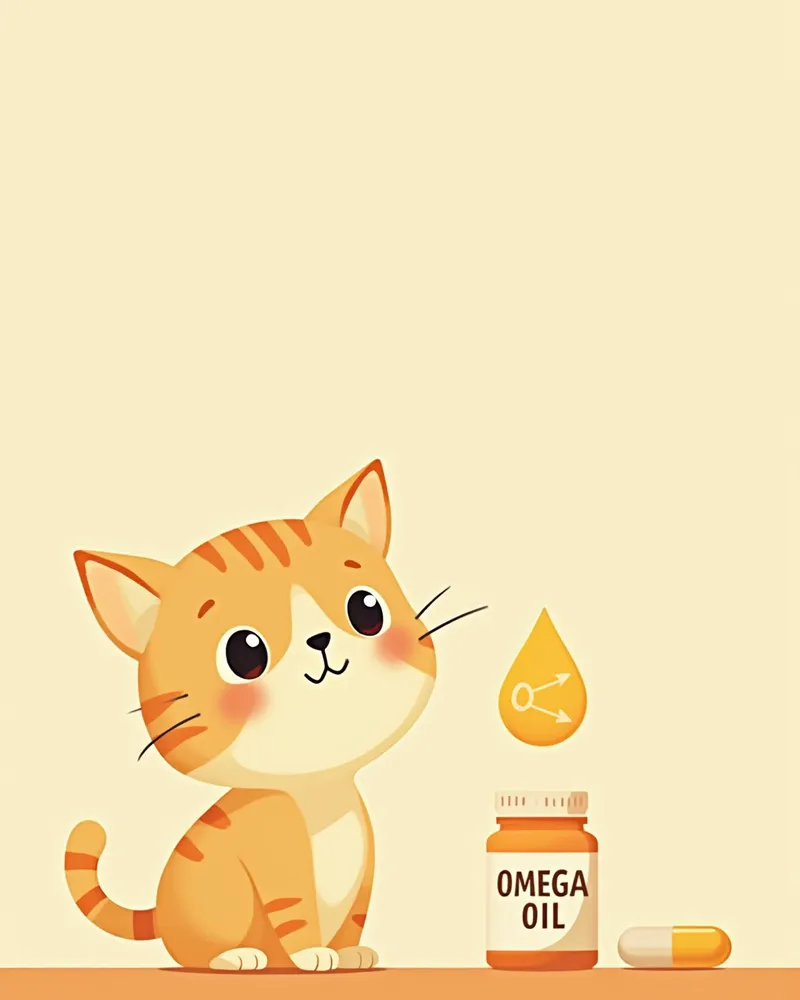
2nd: Phosphate Binders
3rd: Probiotics for Adsorbing Gut Uremic Toxins

4th: Vitamin B Complex · 5th: Antioxidants
Comparison of the Top 5 Ingredients at a Glance
| Rank | Ingredient | Primary Role | Precautions for Use |
|---|---|---|---|
| 1st | Omega-3 (EPA·DHA) | Reduces kidney inflammation, decreases proteinuria | Choose fish oil formulations |
| 2nd | Phosphate binders | Regulates blood phosphorus levels | Requires veterinary prescription |
| 3rd | Probiotics | Improves gut health, reduces metabolic burden | Limited evidence; veterinary consultation required |
| 4th | B vitamins | Supplements water-soluble vitamins, maintains nutritional balance | Follow veterinarian-recommended dosage |
| 5th | Antioxidants (e.g., vitamin E) | Reduces oxidative stress on kidney cells | Avoid ingredients with insufficient evidence; prevent overdosing |
Correct Criteria for Choosing Kidney Supplements and Feeding Methods

Ingredients to Avoid
High-dose vitamin D can disrupt calcium metabolism and pose a risk to cats with impaired kidney function. Supplements with high sodium content should also be avoided, as they can raise blood pressure. Never administer human supplements to your cat without veterinary guidance. Cats and humans have different metabolic structures, so ingredients that are safe for people can be toxic to cats.
Reviewed by a veterinarian

Dr. Tony — Punnawat Phongkittirak
VeterinarianA veterinarian who majored in veterinary medicine at Khon Kaen University, Thailand, and completed the IVSA program at North Carolina State University in the United States. Drawing on clinical experience at animal hospitals, he works in the pet healthcare field and is dedicated to building a digital care environment that connects pet parents with veterinarians.
Reviewed 2026-04-13
Frequently Asked Questions
When is the best time to start giving kidney supplements?
My pet is already on a kidney prescription diet. Do I still need to give them supplements?
Is it safe to give kidney supplements to a healthy cat as a preventive measure?
My pet refuses to take the supplement. What’s the best way to administer it?
Is it safe to give my pet multiple supplements at the same time?
Share
Related Guides
Top 5 Prescription Diets for Cats with Chronic Kidney Disease — Stage-Specific Protein Adjustment

7 Emergency Signs and Causes of Acute Kidney Failure in Dogs You Must Not Miss
Top Recommended Prescription Renal Diets for Cats and Key Selection Criteria

Comprehensive Guide to Recommended Management for Excessive Meowing in Cats and Selection Criteria

Anxious Cat After Moving — Top 7 Strategies to Alleviate Environmental Change Stress and Selection Criteria
7 Best Feline Behavior Modification Medications Recommended by Veterinarians — Criteria for Choosing to Manage Anxiety and Aggression
7 Key Management Strategies for Feline Asthma and Product Selection Criteria Highlighted by Veterinarians
Best Cat Eye Health Supplements for Tear Stains and Dry Eyes: Recommendations and Selection Criteria

The Best Senior Cat Supplements and Selection Criteria: A Complete Guide

Top Recommended Supplements for Canine Cognitive Dysfunction and Selection Criteria
References
[1] Small Animal Critical Care Medicine, 3rd Ed — Chapter: Chronic Kidney Disease (Langston CE, Eatroff AE)
[2] The Cat, Clinical Medicine and Management, 2nd Edition — Chapter 35: Urinary Tract Disease
[3] Small Animal Internal Medicine, 6th Ed — Section: Chronic Kidney Disease in Cats
[4] Veterinary Pharmacology and Therapeutics, 10th Ed — Chapter: Nutraceuticals and Dietary Supplements