Like
Share
멍실장
고양이 삼장기 질환(간-췌-장) 관리 추천 BEST와 고르는 기준 총정리

7 Signs of Feline Triaditis (Liver, Pancreas, Intestines) Management Recommended by Veterinarians

Liver HealthTop PicksMeongsiljang Veterinary Advisory Board

Feline triaditis is a complex condition in which the liver, pancreas, and intestines become inflamed simultaneously, making early diagnosis and tailored management essential. Here’s a guide to effective management products and how to choose them.

Feline Triaditis Is a Complex Inflammation of the Liver, Pancreas, and Intestines
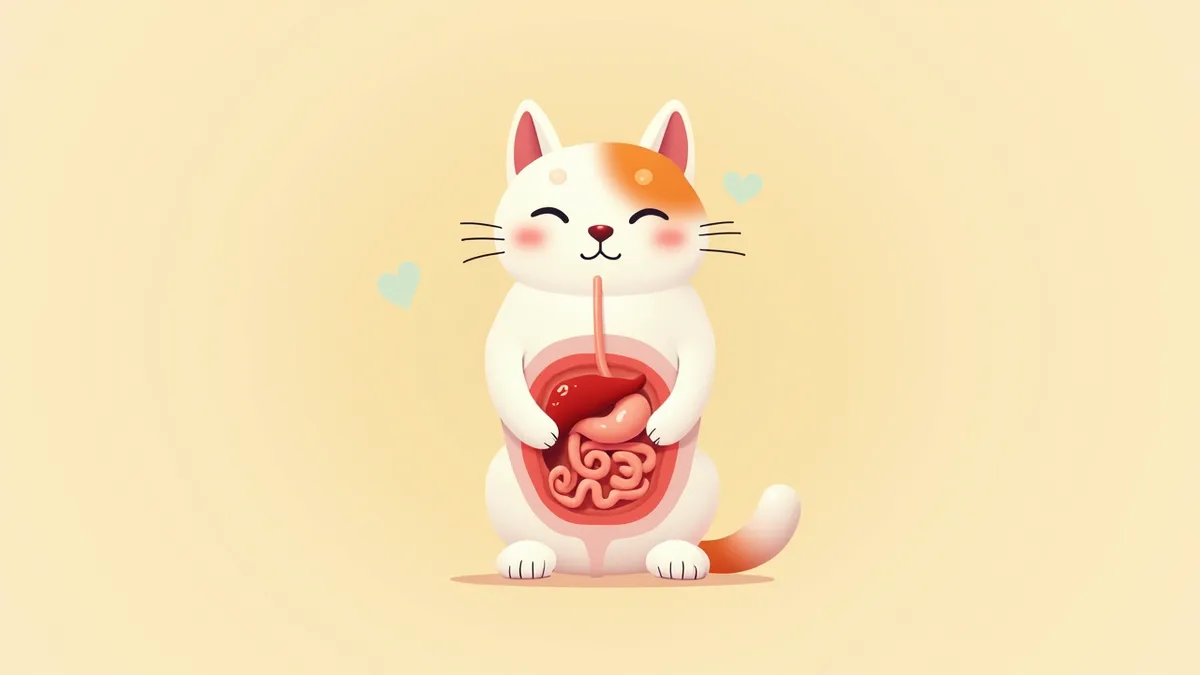
An anatomical diagram showing the location of the major organs and the site of inflammation in feline triorgan disease
Feline triaditis is a complex condition in which the liver, pancreas, and intestines become inflamed simultaneously, leading to impaired digestion and chronic pain. Because it directly impacts a cat’s survival rate and quality of life, early diagnosis and consistent management are essential. It is important to obtain an accurate diagnosis from a veterinarian and develop a tailored treatment plan. In particular, combining management products with dietary adjustments before the condition becomes chronic is highly effective. Early intervention significantly improves quality of life, as the health of these three organs plays a central role in maintaining a cat’s overall well-being.

Selection Criteria: Ingredients, Safety, and Cat-Specific Suitability

When selecting a management product for triaditis (simultaneous inflammation of the liver, pancreas, and intestines), it is important to consider the efficacy and safety of the key ingredients, as well as a form that is easy for your cat to consume. - Liver-protective ingredients: N-acetylcysteine is a precursor to glutathione, an antioxidant, and can help protect the liver by aiding tissue oxygen supply. Ingredients such as S-adenosylmethionine (SAMe) and silymarin (milk thistle) are also used in inflammatory and metabolic liver diseases. - Gut health and dietary management: In triaditis, dietary control is key to managing the gut environment. However, please note that because there is no research yet proving the effectiveness of probiotics in feline pancreatitis or inflammatory bowel disease, they are generally not used as standard treatment. - Digestive and nutritional assessment: Evaluating cobalamin (vitamin B12) and folate levels is useful for diagnosing and managing intestinal disease, so consultation with a veterinarian is necessary. Carefully check the product’s ingredient sources and manufacturing standards, and the safest choice is to follow your veterinarian’s recommendation.
An image summarizing three nutritional supplements for managing liver, kidney, and heart diseases.

BEST 1: Premium Collagen + Probiotics Cat Supplement
This premium product features collagen and probiotics as its key ingredients, formulated in a jelly texture for easy consumption by cats. However, since there is currently no research proving the efficacy of probiotics in treating feline pancreatitis or inflammatory bowel disease, it is difficult to definitively claim they alleviate diarrhea or constipation, and they are not considered standard treatment. Similarly, the evidence supporting collagen’s ability to strengthen the intestinal barrier remains insufficient. In cases of triaditis, dietary management is paramount for maintaining a healthy gut environment. Therefore, these supplements should be used only to complement veterinarian-prescribed diets and treatments, and it is best to consult your vet before trying one serving daily with meals.
Jelly-form nutritional supplement for managing feline tri-organ disease

BEST 2: Pancreatic Health Capsule with Liver Protectant
This capsule contains N-acetylcysteine, which is used to support liver health. As a precursor to glutathione, a potent antioxidant, N-acetylcysteine improves tissue oxygen supply and is utilized in managing inflammatory and toxic liver diseases. While pancreatic enzyme supplementation can help address digestive enzyme deficiencies, such as those seen in exocrine pancreatic insufficiency, it is not a standard treatment for pancreatitis itself; therefore, a veterinary diagnosis is essential. The included probiotics lack conclusive evidence of efficacy in cats, so it is best to avoid placing excessive expectations on them. Administer once daily with food; if your cat has difficulty swallowing the capsule, you may crush it or convert it into a liquid form. Please consult your veterinarian before use.
Pancreatic Health Capsules for Managing Feline Tri-Organ Disease

BEST 3: Low-Irritant Cat Food (Acidity Control Type)
This food is formulated with a low-irritant composition specifically designed for cats with triaditis. In managing triaditis—a concurrent condition of pancreatitis and inflammatory bowel disease—dietary control is considered a cornerstone of treatment. As obligate carnivores, cats require high-quality animal protein, and a balanced formulation that minimizes digestive burden is essential. Palatability has been carefully considered to encourage natural eating, and we recommend gradually transitioning to this food to reduce the risk of gastrointestinal upset. Since the optimal composition and prescription vary depending on your cat’s individual condition, please consult your veterinarian to determine the most appropriate dietary plan.
Low-irritant food for managing feline tri-organ disease

Comparison Table of Products BEST 1–3

ItemMain IngredientsFormReason for Recommendation
BEST 1Collagen, probioticsJelly typeGut health support (limited evidence of efficacy in cats)
BEST 2N-acetylcysteine, enzyme supplementationCapsule typeLiver protection support, veterinary consultation required
BEST 3High-quality protein, low-irritation compositionDry foodManagement centered on dietary control

Product effects may vary from cat to cat, and evidence for the efficacy of some ingredients (such as probiotics) in cats is limited. Always use in accordance with your cat's condition after consulting your veterinarian.

Caution: Risk of Side Effects with Overdose

Products for managing tri-organ diseases should be administered under the guidance of a veterinarian. Overdose may cause side effects such as diarrhea, vomiting, and decreased appetite. In particular, capsule formulations can be difficult for cats to swallow, so please crush them or convert them into a liquid form before administration.

Usage Tips: Gradual Transition and Consistent Administration Time
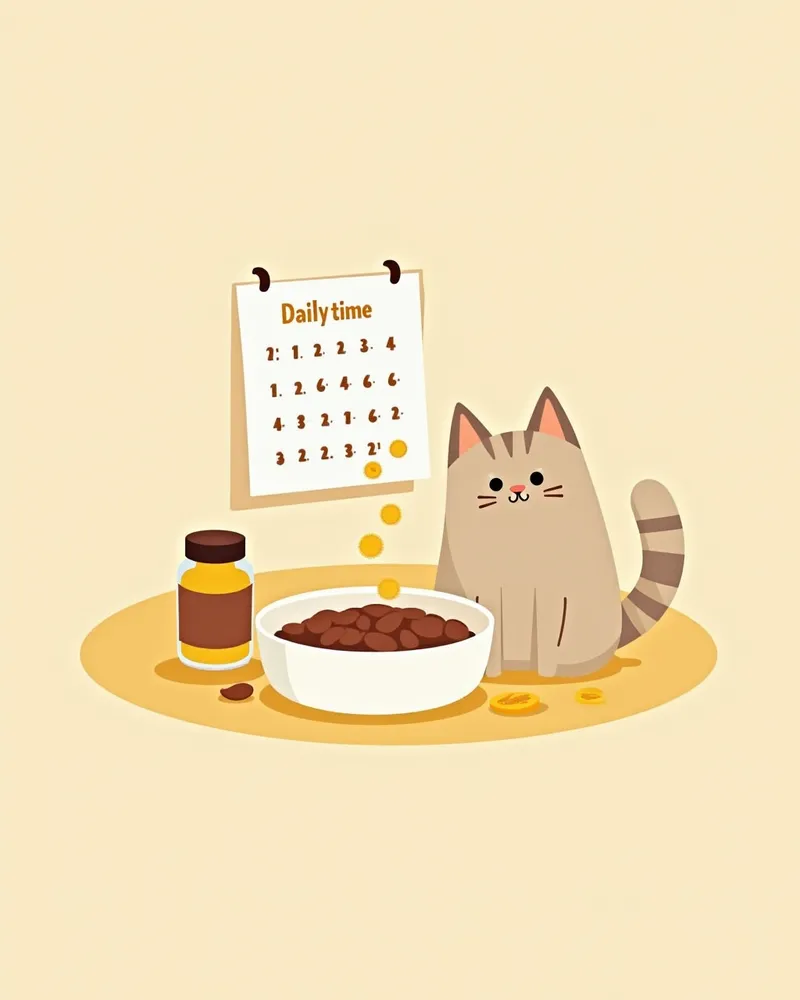
When introducing a new product, it’s best to transition gradually over seven days. Establishing a routine of administering it once or twice daily at mealtimes can help your cat adjust more easily. Since administration methods vary by product, be sure to carefully read the label. For capsule formulations, it’s often helpful to crush them or mix them with liquid. Monitor your cat’s response closely, and if any side effects occur, stop use immediately and consult your veterinarian. Consistent care can significantly improve your cat’s quality of life.
Nutritional supplement schedule for managing feline tri-organ disease

Reviewed by a veterinarian

Dr. Tony — Punnawat Phongkittirak

Dr. Tony — Punnawat Phongkittirak

Veterinarian

A veterinarian who majored in veterinary medicine at Khon Kaen University, Thailand, and completed the IVSA program at North Carolina State University in the United States. Drawing on clinical experience at animal hospitals, he works in the pet healthcare field and is dedicated to building a digital care environment that connects pet parents with veterinarians.

Frequently Asked Questions

Can three-organ disease be cured?
While chronic conditions are difficult to cure completely, proper management can help control symptoms and improve quality of life. Ongoing care in partnership with your veterinarian is essential.
How many times a day should I give my pet supplements?
It varies depending on the product. In general, it is best to administer once daily with meals, and always follow the label instructions.
My cat won’t eat when I change its food. What should I do?
It’s important to transition gradually. Start by mixing about 10% of the new food with your pet’s current food, and gradually increase the proportion over a period of 7 days.
Can I give my pet supplements and medication at the same time?
While generally possible, there may be drug interactions, so be sure to consult your veterinarian.
Can other cats eat this product too?
Products for managing feline chronic kidney disease may have different effects depending on the cat's health status, so a veterinarian's assessment is necessary for other cats.

Share

Related Guides

References

[1] Greenhalgh SN, Reeve JA, Johnstone T, et al. Long-term survival and quality of life in dogs with clinical signs associated with a congenital portosystemic shunt after surgical or medical treatment. J Am Vet Med Assoc. 2014;245(5):527–533.

[2] Spillmann T, Willard MD, Ruhnke I, et al. Feasibility of endoscopic retrograde cholangiopancreatography in healthy cats. Vet J. 2013;197(2):456–461.

[3] Clinical Medicine of the Dog and Cat, 4th Ed. Elsevier, 2023. Chapter 11: Gastrointestinal and Hepatobiliary Diseases in Cats.

This information is based on veterinary literature and does not replace diagnosis or treatment. Please consult a veterinarian for specific health concerns.

Metapet Co., Ltd. | CEO: Park Sung-yong | Business Reg. No. 417-88-02562 | Seoul, South Korea | Customer Center

7 Signs of Feline Triaditis & Vet-Recommended Management Tips | Meongsiljang