Like
Share
멍실장
고양이 마취 치과 처치 안전성 관리 추천 BEST와 고르는 기준 총정리

Is Feline Dental Anesthesia Safe? Pre-Procedure Check Criteria Owners Must Know

Oral HealthTop PicksMeongsiljang Veterinary Advisory Board

Feline dental procedures under anesthesia can carry a higher level of risk, but they can be performed safely with proper preparation and care. We’ve compiled the best recommendations and key criteria for ensuring safety in one easy-to-read guide.

Safety Management for Feline Anesthetic Dental Procedures Is Essential
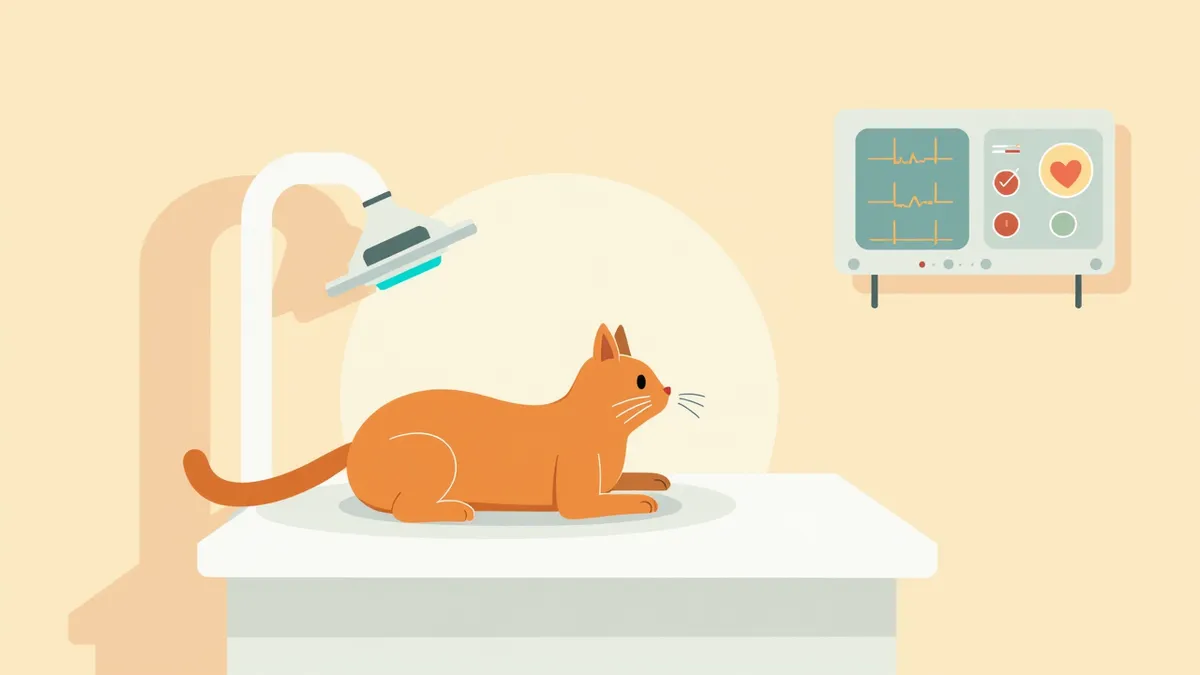
A cat recovering from anesthesia, with a veterinarian monitoring its condition.
Because feline anesthesia for dental procedures involves general anesthesia, safety management is paramount. - Pre-anesthetic testing is essential: Complete blood count (CBC) and biochemistry profiles are used to check for anemia and assess liver and kidney function. Urinalysis and cardiac evaluations are performed as needed. For cats with oral inflammation extending beyond gingivitis, testing for feline leukemia virus (FeLV) and feline immunodeficiency virus (FIV) should also be considered. - Veterinary expertise: The procedure should be performed by a veterinarian with extensive experience in anesthesia and dental care. - Monitoring systems: Vital signs—including heart rate, oxygen saturation, respiration, and body temperature—are continuously monitored throughout anesthesia, with dedicated staff overseeing the patient. - Anesthetic drug selection: Medications are carefully chosen based on the cat’s age, weight, and overall health status. - Recovery environment: After anesthesia, the cat is closely observed for at least several hours and allowed to rest in a quiet, warm space. Contact the clinic immediately if any abnormal symptoms arise.

Note: Points to Check Before Anesthetic Dental Procedures

To ensure the safety of anesthesia for feline dental procedures, be sure to verify the following criteria. These elements are key to guaranteeing safe anesthesia. The veterinarian’s expertise and the condition of the equipment are also important factors to consider.
Pre-anesthetic testing is essential: Evaluate anemia, liver, and kidney function through complete blood count and biochemistry tests. Depending on the case, confirm overall health status with additional checks such as urinalysis, and cardiac and respiratory auscultation.
Appropriate selection of anesthetic drugs: Use medications tailored to the cat’s weight, age, and underlying conditions. For senior cats, who may require lower drug doses, adjust accordingly.
Continuous monitoring: Check heart rate, blood pressure, oxygen saturation, and body temperature in real time.
Regular checks: Frequently assess the cat’s condition during both the anesthesia and recovery periods.
Preparedness for acute reactions: Ensure that emergency equipment and medications are on hand to manage acute events such as cardiac arrest or respiratory distress.
A veterinarian reviewing a cat’s pre-anesthesia test results.

Note 1: Why Anesthesia Is Necessary for Dental Procedures
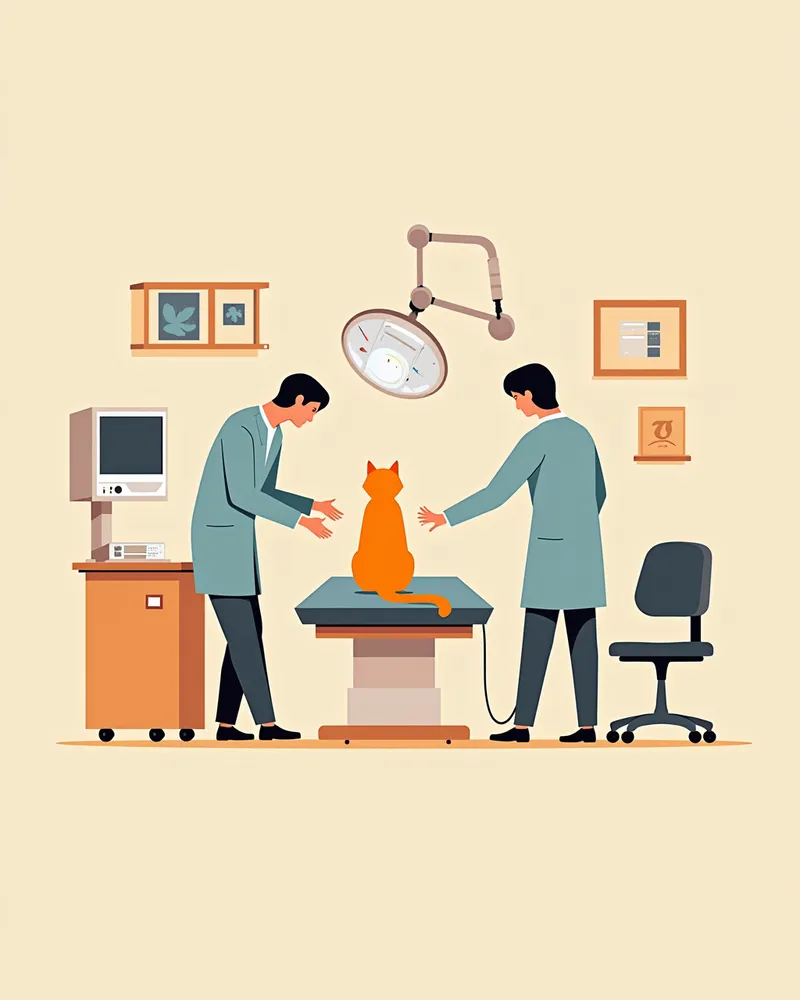
Dental procedures like scaling and extractions require meticulous cleaning of the gums and tooth roots, which is why general anesthesia is necessary. Simply scraping away visible tartar without anesthesia can miss tartar buildup below the gumline and root-related diseases, while performing the procedure on an awake patient increases the risk of pain and accidents. Anesthesia is a crucial step to ensure the procedure is performed accurately and safely. It’s best to understand the limitations of non-anesthetized treatments and discuss with your veterinarian to make an informed decision.
Why anesthesia is necessary for dental procedures

Note 2: Reduce Risks with Pre-Anesthetic Evaluation

Anesthesia safety begins with a thorough pre-anesthetic evaluation. Blood tests are performed to check liver and kidney function and screen for anemia, while heart and respiratory conditions, as well as risks associated with advanced age or underlying diseases, are assessed to develop a tailored anesthesia plan. Cats are particularly prone to stress, requiring extra careful preparation. Choose a clinic that conducts meticulous pre-anesthetic testing and adjusts the anesthesia protocol to suit your cat’s individual condition. Don’t hesitate to ask in advance about the specific evaluations they perform.
Reduce risks with pre-anesthesia evaluations. Related guide image.

Note 3: Factors That Enhance Safety and Recovery Management
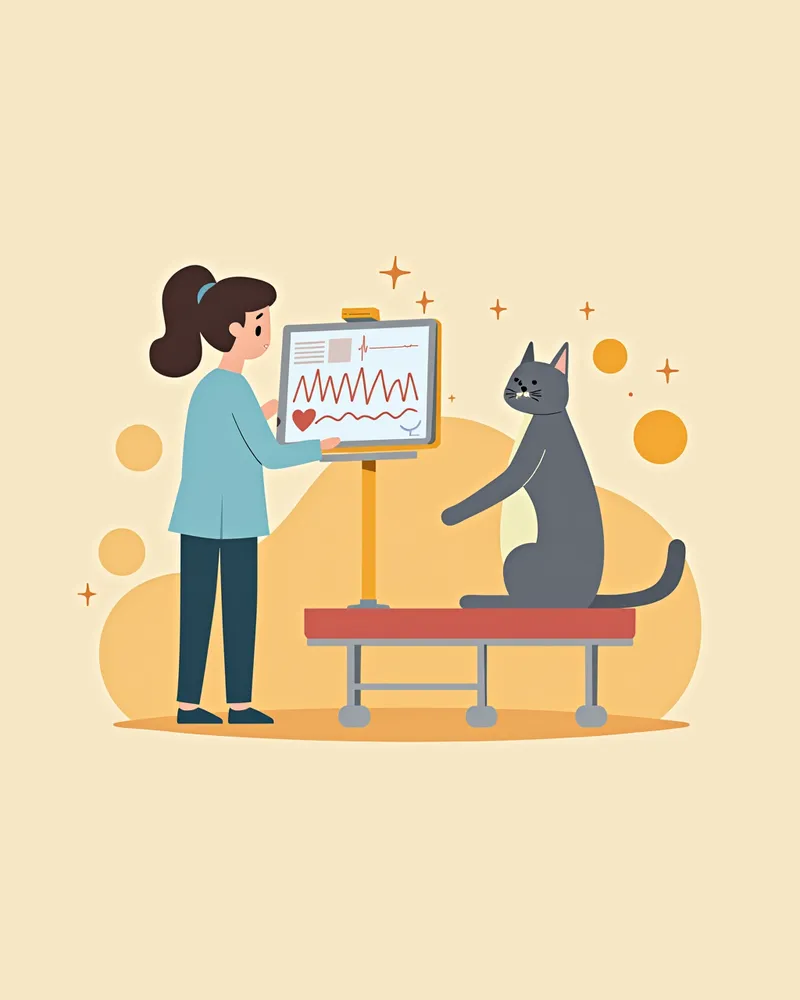
Safety during anesthesia is significantly enhanced by continuous monitoring of heart rate, respiration, oxygen saturation, and body temperature using specialized equipment, as well as by having dedicated personnel focused solely on overseeing the anesthesia. It is also important to maintain blood pressure through intravenous fluids and to provide careful post-procedural care until the pet has fully awakened and stabilized. You can feel more at ease by confirming that the clinic has these monitoring and recovery management systems in place and by thoroughly discussing the benefits and risks of anesthesia with your veterinarian before proceeding.
Factors that enhance safety and recovery care, along with related guide images

Anesthetic Dental Procedures: What Owners Should Know

ItemKey points
Reason for anesthesiaGeneral anesthesia is needed to treat within the gums and down to the roots accurately and safely
Limitations of anesthesia-free proceduresOnly surface tartar is removed, missing subgingival disease and posing injury risk
Pre-anesthetic evaluationEstablish an anesthesia plan through blood tests and cardiac and senior-risk assessment
Safety factorsMonitoring of heart rate, respiration, oxygen, and body temperature, with dedicated staff, fluids, and recovery management
ConsultationDecide by fully discussing the benefits and risks of anesthesia with your veterinarian

This is not a table recommending specific products or hospitals, but a reference for when you consult your veterinarian. Always make treatment and examination decisions together with your veterinarian through a proper consultation.

Caution: Never Skip Pre-Anesthetic Tests

Before any anesthetic dental procedure for your cat, it is essential to perform a complete blood count and biochemical profile to check for anemia and assess liver and kidney function. Depending on the case, additional tests such as urinalysis and cardiac evaluations may be necessary to thoroughly evaluate overall health. Cats with underlying conditions like heart disease or poor systemic health (high ASA grade) face significantly increased anesthetic risks. Proceeding with anesthesia without proper testing can lead to severe complications or even death. Please consult thoroughly with your veterinarian and review the test results before making a decision.

Tip: Strictly Follow Post-Anesthetic Recovery Management

After anesthesia, cats go through a recovery period that requires careful attention. For at least a few hours after the anesthesia wears off, closely monitor your cat. Provide a quiet, warm environment for rest and take care to prevent hypothermia. Offer food and water only when directed by your veterinarian, and avoid excessive movement or play. If you notice any abnormal symptoms such as vomiting, lethargy, or difficulty breathing, contact your clinic immediately. Follow your veterinarian’s instructions carefully and keep a close eye on your cat’s recovery.
A cat recovering from anesthesia, resting in a quiet environment

Reviewed by a veterinarian

Dr. Tony — Punnawat Phongkittirak

Dr. Tony — Punnawat Phongkittirak

Veterinarian

A veterinarian who majored in veterinary medicine at Khon Kaen University, Thailand, and completed the IVSA program at North Carolina State University in the United States. Drawing on clinical experience at animal hospitals, he works in the pet healthcare field and is dedicated to building a digital care environment that connects pet parents with veterinarians.

Frequently Asked Questions

How risky is anesthesia for dental procedures in cats?
Although general anesthesia carries some risks, the procedure can be performed safely with thorough pre-anesthetic evaluation and monitoring. A large-scale study reported an anesthesia-related mortality rate within 48 hours of approximately 0.24% in cats, with the level of risk varying depending on age and health status, particularly the presence of underlying conditions such as heart disease.
Why is a pre-anesthetic exam absolutely necessary?
Cats with underlying health conditions or poor overall health are at a higher risk of serious complications during anesthesia. Pre-anesthetic testing helps assess their health status and allows us to develop a safe anesthesia plan.
How long does the recovery period after anesthesia take?
Recovery speed varies from cat to cat. The recovery period is a time that requires particular attention, so you should closely monitor your cat for at least a few hours after anesthesia wears off. It may take longer for senior cats or those with underlying health conditions. Please follow your veterinarian’s instructions for care.
What should I do if my pet vomits after anesthesia?
If vomiting persists or recurs after anesthesia, contact your veterinarian immediately. Repeated vomiting can be dangerous. Follow your veterinarian’s instructions for care.
What should I do if my cat becomes lethargic after anesthesia?
Temporary lethargy after anesthesia is normal. However, if the lethargy persists for an extended period or is accompanied by other abnormal symptoms, contact your veterinary clinic immediately so the veterinarian can assess your pet's condition.

Share

Related Guides

References

[1] Bruno H. Pypendop and Jan E. Ilkiw. The Cat, Clinical Medicine and Management, 2nd Edition. 2023.

[2] Brodbelt DC, Blissitt KJ, Hammond RA, et al. The risk of death in small animal anaesthesia. Vet J. 2009;182:152–161.

[3] Davies JA, Fransson BA, Davis AM, et al. Incidence of and risk factors for postoperative regurgitation and vomiting in dogs. J Am Vet Med Assoc. 2015;246(3):327-35.

This information is based on veterinary literature and does not replace diagnosis or treatment. Please consult a veterinarian for specific health concerns.

Metapet Co., Ltd. | CEO: Park Sung-yong | Business Reg. No. 417-88-02562 | Seoul, South Korea | Customer Center

Is Cat Dental Anesthesia Safe? Pre-Procedure Checklist | Meongsiljang