
Comprehensive Guide to Recommended Products and Selection Criteria for Feline Ureteral Bypass (SUB) Care
We’ve compiled a comprehensive guide to recommended products and care methods for effective post-operative management after a feline ureteral bypass surgery (SUB). This information will help you work with your veterinarian to develop a tailored care plan for your cat.
What is Feline Ureteral Bypass (SUB) Surgery?
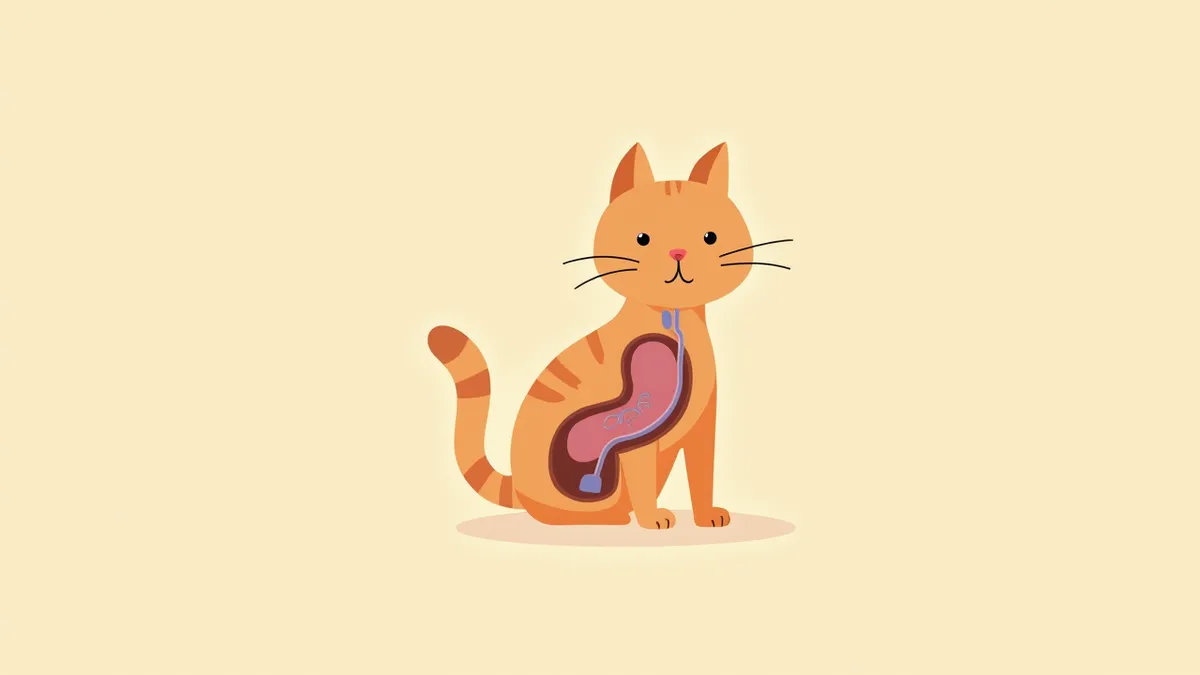
Criteria for Selecting the Best SUB Care Products

BEST 1: Premium SUB Care Kit (High-End)
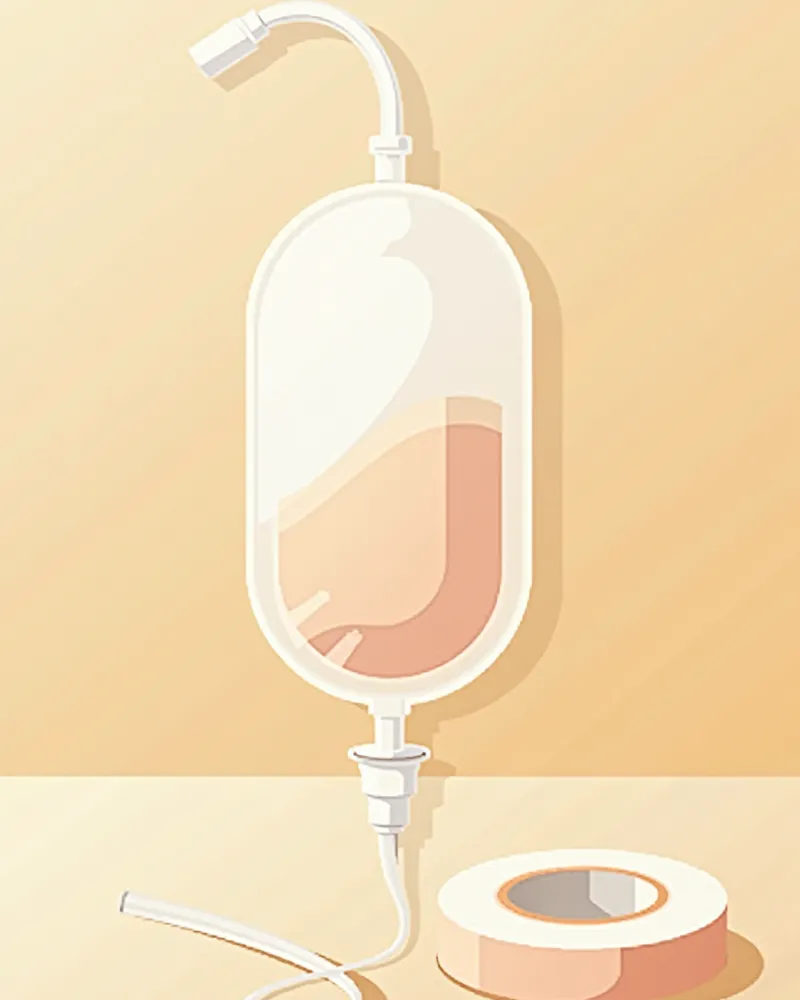
BEST 2: Economical SUB Care Kit (Basic)
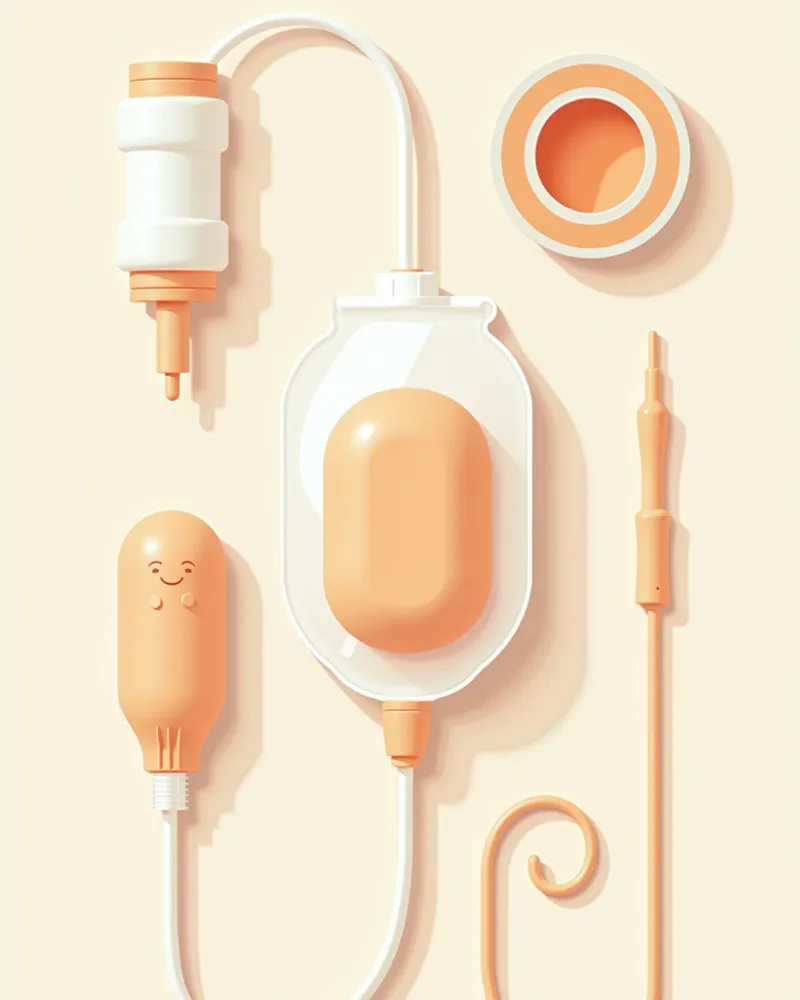
BEST 3: Portable SUB Care Kit (Travel-Friendly)

Comparison Table of BEST 1–3 Products
| Item | Premium Type | Economy Type | Portable Type |
|---|---|---|---|
| Drainage Bag Capacity | Capacity matched to daily urine output | Standard capacity | Small capacity |
| Catheter Material | Durable silicone | Silicone | Lightweight silicone |
| Securing Tape Performance | Strong hold, skin-friendly | Skin-friendly | Quick attachment/removal |
| Price Range | High | Low | Medium |
| Recommended Duration of Use | Long-term use | Short-term/daily | For travel |
Choose according to the duration of use and situation after consulting with a veterinarian.
Caution: If the Catheter Becomes Dislodged or the Drainage Bag Tears
If the catheter becomes dislodged or the drainage bag tears, contact your veterinarian immediately. Urine contact with the skin can lead to inflammation or infection. This is an emergency, so a visit to the clinic is essential.
SUB Care Tips and Checkpoints
Reviewed by a veterinarian

Dr. Tony — Punnawat Phongkittirak
VeterinarianA veterinarian who majored in veterinary medicine at Khon Kaen University, Thailand, and completed the IVSA program at North Carolina State University in the United States. Drawing on clinical experience at animal hospitals, he works in the pet healthcare field and is dedicated to building a digital care environment that connects pet parents with veterinarians.
Reviewed 2026-06-29
Frequently Asked Questions
How long can a subcutaneous catheter be used?
Can I replace the catheter at home?
Why does the drainage bag smell even when it’s empty?
My cat is trying to pull out the catheter. What should I do?
My cat is acting differently than usual after spay surgery.
Share
Related Guides

Top 5 Prescription Diets for Feline FLUTD — Comparison by Struvite and Calcium Oxalate Stones

Top 7 Prescription Diets for Feline Bladder and Urinary Tract Health Recommended by Veterinarians — Including Selection Criteria

Top 5 Cranberry Urinary Supplements for Dogs — Preventing Cystitis
Top 5 Recommended Cat Ear Cleaners — Complete Guide to Preventing and Managing Ear Mites

Top 5 No-Rinse, Soap-Free Shampoos for Cats

Top 5 Cat Diarrhea Recovery Foods — Hydrolyzed Protein Prescription Diet Comparison

Top 5 Prescription Diets for Cats with IBD Recommended by Veterinarians — Managing Chronic Vomiting and Diarrhea

Top 5 Senior Dog Digestive Care Diets Recommended by Veterinarians — Soft Texture & High Digestibility

Top 5 Single-Protein Dog Food Recommendations (Rabbit/Fish) — For Allergy Diagnosis

Top 5 Hydrolyzed Prescription Diets for Dog Food Allergies
References
[1] Berent, A.C. (2011). Ureteral obstructions in dogs and cats: a review of traditional and new interventional diagnostic and therapeutic options. J. Vet. Emerg. Crit. Care, 21(3), 245–256.
[2] Kruger, J., Osborne, C., Goyal, S. et al. (1991). Clinical evaluation of cats with lower urinary tract disease. J. Am. Vet. Med. Assoc., 199(2), 211–216.
[3] Feline Emergency and Critical Care Medicine, 2nd Ed. (2011). Chapter 12: Ureteral Obstruction Management. Elsevier Health Sciences.