Like
Share
멍실장
고양이 FLUTD 처방식 추천 TOP 5 — 스트루바이트·옥살산 결석별 비교

Top 5 Prescription Diets for Feline FLUTD — Comparison by Struvite and Calcium Oxalate Stones

UrinaryTop PicksMeongsiljang Veterinary Advisory Board

Feline urinary diets are essential for managing feline lower urinary tract disease (FLUTD). We’ve compared and summarized five prescription diets, each formulated with specific adjustments to urinary pH and mineral content based on the type of urinary stone.

Why Are There Separate Prescription Diets for Feline Urinary Health?
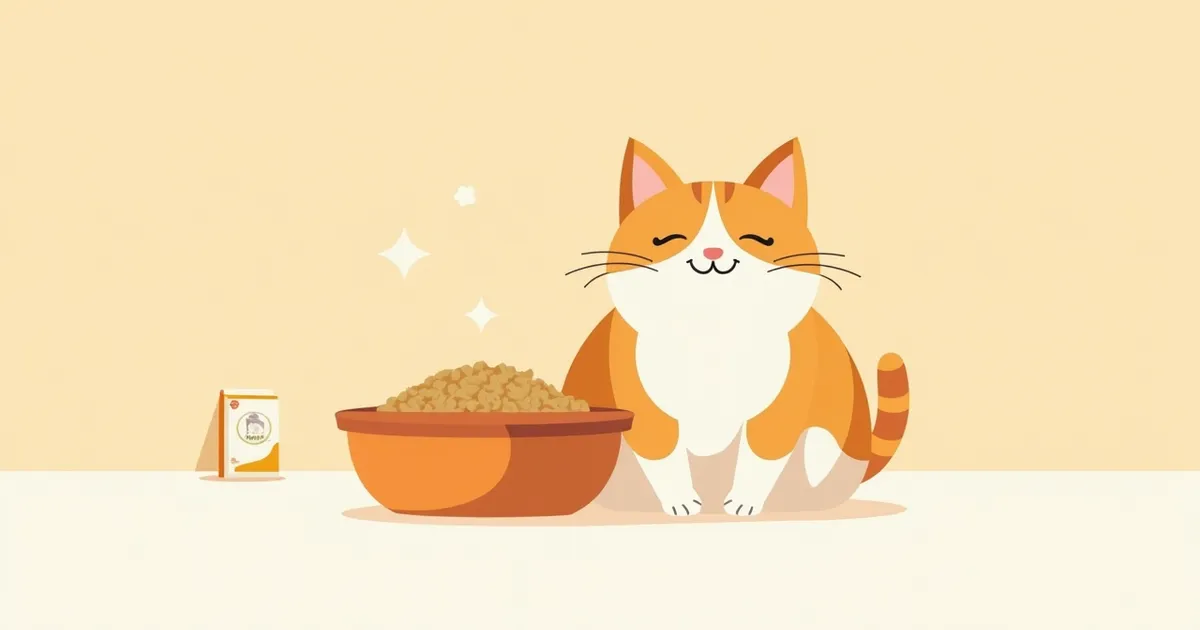
A cat sitting calmly next to its urinary prescription food bowl
Feline urinary diets are prescription foods designed to manage mineral balance and urine pH for cats with feline lower urinary tract disease (FLUTD) or those at high risk of forming stones. The key is that the choice of diet depends entirely on the type of stone. For struvite stones, the appropriate diet lowers urine pH to below 6.5 while restricting magnesium and phosphorus. In contrast, managing calcium oxalate stones requires maintaining a neutral to slightly alkaline urine pH of 7.0–7.5 and increasing water intake to dilute the urine. Because stones tend to recur once they have formed, it is safest to maintain a prescription diet alongside regular veterinary check-ups after an initial diagnosis.

Confirm the Stone Type First

The most common types of bladder stones in feline lower urinary tract disease (FLUTD) are struvite (magnesium ammonium phosphate) and calcium oxalate. Because the management strategies for these two types are completely opposite, switching to a prescription diet based on guesswork rather than a proper diagnosis can actually promote the formation of the other type of stone. - Struvite stones: These tend to form when urine pH is alkaline (7.0 or higher). They can often be dissolved through dietary management. - Calcium oxalate stones: These tend to form in urine that is closer to acidic. Since they cannot be dissolved by diet, the key is to increase water intake to keep the urine dilute and maintain an appropriate pH level. - Feline idiopathic cystitis (FIC): This condition presents with symptoms but without the presence of stones. Stress management and adequate hydration are the most critical factors in managing FIC.

At-a-Glance Comparison of the Top 5 Feline Urinary Prescription Diets

ItemRoyal Canin Urinary SOHill's c/d MulticarePurina UR St/OxRoyal Canin Urinary SO+CCHill's c/d Multicare Stress
Target urolithStruvite dissolution, recurrence preventionStruvite and oxalate simultaneouslyStruvite and oxalate simultaneouslyStruvite + stress-related FICStruvite, oxalate + FIC
Target urine pH6.0–6.36.2–6.46.1–6.46.0–6.36.2–6.4
Magnesium restrictionStrongModerateModerateStrongModerate
Stress careNoneNoneNoneTryptophan, α-casozepineL-tryptophan
Recommended duration of use1–3 months for dissolution, lifelong possibleLifelong possibleLifelong possibleLifelong possibleLifelong possible

Based on official manufacturer guidelines. Actual prescriptions are decided by the veterinarian after reviewing urolith analysis results.

#1 — Royal Canin Urinary SO
This is a representative struvite dissolution diet that strongly restricts magnesium and phosphorus to lower alkaline urine pH to the acidic side (below 6.5). It serves as the benchmark for approaches that dissolve stones through diet alone. - Advantages: Struvite stones often dissolve with dietary management alone, and this diet is commonly used for lifelong feeding to prevent recurrence. However, official data on recurrence rates remain limited. - Disadvantages: It is unsuitable for cats already diagnosed with calcium oxalate stones. - Recommended for: Cats with struvite stones confirmed by stone analysis, or those in the early stages of a first-time urinary tract disease diagnosis.
A close-up of a stainless steel bowl filled with urinary prescription dry food.

#2 — Hill’s Prescription Diet c/d Multicare

This multi-stone formula is designed to address both struvite and calcium oxalate stones. It moderately restricts minerals while maintaining urine pH in the intermediate range of 6.2–6.4. - Advantages: A safe choice for cats with an undetermined stone type or those diagnosed with both types of stones simultaneously. - Disadvantages: Its ability to dissolve struvite stones alone is weaker than that of the SO formula. - Recommended for: Cats with mixed-type stone analysis results, or households with multiple cats having different stone histories.

#3 — Purina Pro Plan Veterinary Diets UR
This is a well-regarded multi-stone diet that frequently appears as a benchmark in U.S. veterinary nutrition resources. Its protein and mineral balance is relatively natural, which many owners note contributes to its good palatability. - Pros: Even picky cats tend to eat it well, and its sodium chloride content is formulated to encourage increased water intake. - Cons: Its distribution channels in Korea are narrower compared to the top two options, which may reduce purchasing convenience. - Recommended for: Cats that have rejected other prescription diets or are not drinking enough water.
A curious cat sniffing the food in its bowl

#4 — Royal Canin Urinary SO+CC (Calm)

This diet addresses struvite care while also targeting stress-induced feline idiopathic cystitis (FIC). It includes tryptophan and α-casozepine to help calm your cat’s mind. - Pros: There are reported success cases in cats with FIC that recurred after environmental changes, in multi-cat households, or after moving. - Cons: It is more expensive than standard struvite diets. - Recommended for: Cats diagnosed with FIC who show recurring hematuria and frequent urination without stones, or cases where both stones and stress are suspected as contributing factors. Environmental enrichment—such as providing multiple water bowls and litter boxes—should also be implemented for optimal results.

#5 — Hill’s c/d Multicare Stress

This formula enhances multi-stone care by adding L-tryptophan and hydrolyzed milk protein to help buffer stress. - Pros: Designed to address both struvite and oxalate stones while reducing the recurrence of feline idiopathic cystitis (FIC), making it a frequent recommendation for cats with chronic urinary issues in multi-cat households. - Cons: The effects may take time to become noticeable to pet owners. Consistent feeding for at least 8 to 12 weeks is required. - Recommended for: Cats with unclear stone types accompanied by stress-related symptoms, or cases where a urine specific gravity (SG) of 1.040 or higher and calcium oxalate crystals were not observed.

Do Not Switch Diets Based on Self-Diagnosis in These Cases

Switching to a urinary diet without analyzing the stone type can actually promote the growth of the opposite type of stone. For example, long-term use of struvite-dissolving prescription food in cats with calcium oxalate stones can be dangerous. Additionally, cats with other conditions such as kidney disease or heart disease may struggle with the sodium and phosphorus levels in urinary diets. Always consult your veterinarian before starting a prescription diet, and have your cat’s urine tested every six months for safety.

Tips to Maximize the Benefits of Urinary Diets
Staying well-hydrated is just as important as the prescription diet itself. The key is that drinking plenty of water dilutes the urine, lowering the concentration of minerals that form stones and crystals, which in turn reduces the risk of their formation. - Combine with wet food: Offering canned or pouch food from the same product line alongside the dry food increases urine output, helping to lower the risk of stone formation. - Diversify water sources: Placing two to three water stations around the home, such as a fountain-style water dispenser and ceramic bowls, encourages cats to drink more frequently. - Transition the diet: To minimize food refusal, gradually mix the new prescription food with the current diet over a period of 7 to 10 days. - Weight management: Obesity is a known risk factor for Feline Lower Urinary Tract Disease (FLUTD), particularly feline idiopathic cystitis. Portion sizes should be based on the calorie recommendations provided by your veterinarian, not the feeding guide on the package.
A cat water fountain and food bowl placed side by side

Reviewed by a veterinarian

Dr. Tony — Punnawat Phongkittirak

Dr. Tony — Punnawat Phongkittirak

Veterinarian

A veterinarian who majored in veterinary medicine at Khon Kaen University, Thailand, and completed the IVSA program at North Carolina State University in the United States. Drawing on clinical experience at animal hospitals, he works in the pet healthcare field and is dedicated to building a digital care environment that connects pet parents with veterinarians.

Frequently Asked Questions

Do urinary prescription diets need to be fed for life?
Once stones have been diagnosed, it’s generally recommended to stay on a prescription diet for life. Returning to regular pet food increases the risk of stones forming again. However, the specific type of prescription diet can be adjusted based on the results of regular check-ups.
Which is better, dry food or wet food?
If possible, we recommend mixing in more than 50% wet food from the same product line. Increased water intake dilutes the urine, significantly reducing the risk of stone and crystal formation. If you’re feeding only dry food, you’ll need to compensate by increasing water consumption—try adding more water fountains and bowls around the house.
I don’t know what type of stone my pet has. Which food should I choose?
Without a stone analysis, multi-stone diets (such as c/d Multicare or UR) are the safest option. However, if your pet is experiencing hematuria or frequent urination, it is essential to first identify the type of stone through urinalysis and imaging before selecting a diet.
Can cats with kidney failure also eat urinary tract formula food?
For cats with kidney failure, phosphorus restriction is the most critical factor. Since the phosphorus and sodium levels in standard urinary diets can place additional strain on the kidneys, your veterinarian must determine whether a renal prescription diet or another option is the better choice. Self-diagnosing and choosing a diet on your own can be dangerous.
Can I give treats or canned food along with it?
We recommend using only urinary prescription cans or treats from the same product line. Regular treats like Churu or other snacks are high in magnesium and calcium, which can negate the mineral-restricting benefits of the prescription diet. Limit treat intake to no more than 10% of your pet’s daily caloric needs.

Share

Related Guides

References

[1] Fascetti AJ, Delaney SJ. Applied Veterinary Clinical Nutrition, 2nd Ed. Chapter on Urinary Disorders.

[2] Ettinger SJ, Feldman EC. Textbook of Veterinary Internal Medicine, 8th Ed. Feline Lower Urinary Tract Disease.

[3] Hand MS et al., Small Animal Clinical Nutrition, 5th Ed. Chapter 46: Feline Lower Urinary Tract Disease.

This information is based on veterinary literature and does not replace diagnosis or treatment. Please consult a veterinarian for specific health concerns.

Metapet Co., Ltd. | CEO: Park Sung-yong | Business Reg. No. 417-88-02562 | Seoul, South Korea | Customer Center

Top 5 Prescription Diets for Feline FLUTD by Stone Type | Meongsiljang