Like
Share
멍실장
강아지 저작 근육염 관리 추천 BEST와 고르는 기준 총정리

The Best Products for Managing Canine Masticatory Myositis and How to Choose Them

Oral HealthTop PicksMeongsiljang Veterinary Advisory Board

Masticatory myositis in dogs is an inflammatory condition that makes it difficult for them to open their mouths, so proper management is essential. We’ve put together a guide to the best products and how to choose them.

Masticatory Myositis in Dogs Is an Inflammatory Condition That Makes It Difficult to Open the Mouth

Swollen area around the mouth due to masticatory muscle myositis in dogs
Masticatory myositis is a condition in dogs where inflammation affects the muscles used for chewing, such as the temporalis, masseter, and pterygoid muscles, making it difficult to open the mouth or chew. This immune-mediated disease selectively targets only the masticatory muscles, sparing the limb muscles, and occurs when the immune system mistakenly attacks proteins found exclusively in these muscles. The condition causes pain, with muscle swelling during the acute phase and muscle atrophy in the chronic phase. Dogs may experience trismus (difficulty opening the mouth), leading to challenges with eating and potential weight loss. Diagnosis is confirmed through tests such as anti-2M muscle fiber antibody testing, serum creatine kinase (CK) levels, and muscle biopsy. The cornerstone of treatment is systemic corticosteroids prescribed by a veterinarian, with immunosuppressants added if the condition is difficult to control, and treatment may need to continue for an extended period. Early diagnosis and consistent management are crucial.

Criteria for Choosing Products for Managing Canine Masticatory Myositis

The cornerstone of treating masticatory myositis in dogs is systemic corticosteroids prescribed by a veterinarian, and if the response is inadequate, immunosuppressants may be used in combination. When considering supplementary products, it is essential to ensure they do not replace prescribed treatment and to prioritize safety and ease of administration.
Prescription treatment first: Controlling the inflammation of masticatory myositis with prescription treatments such as corticosteroids is fundamental, and there is insufficient evidence that nutritional supplements can cure this condition.
Safety first: Avoid ingredients that may trigger immune reactions or gastrointestinal irritation, and consult with your veterinarian.
Ease of administration: Confirm that the method of application in the mouth causes minimal resistance and is easy to administer.
Minimize resistance: Check whether the form is one that your dog will not dislike.
These criteria should only be applied from the perspective of complementing prescription treatment.

BEST 1: Masticatrit Liquid

Masticatrit Liquid is a supplement containing glucosamine, omega-3 fatty acids, and resveratrol. However, there is insufficient evidence that these nutrients reduce inflammation or promote muscle recovery in masticatory myositis. The standard approach to managing inflammation in this condition is systemic corticosteroids prescribed by a veterinarian. The liquid form is easy to apply directly into the mouth, and its lack of flavor helps minimize rejection by dogs, offering a practical advantage for administration.
Administration: Administer 1 ml once daily by dripping it into the mouth. Always use under veterinary prescription and guidance.
Note: Supplements cannot replace prescribed medical treatment.
Precautions: Overdose may cause gastrointestinal symptoms such as diarrhea. Consult your veterinarian before use.
Image of MasticaTree liquid product

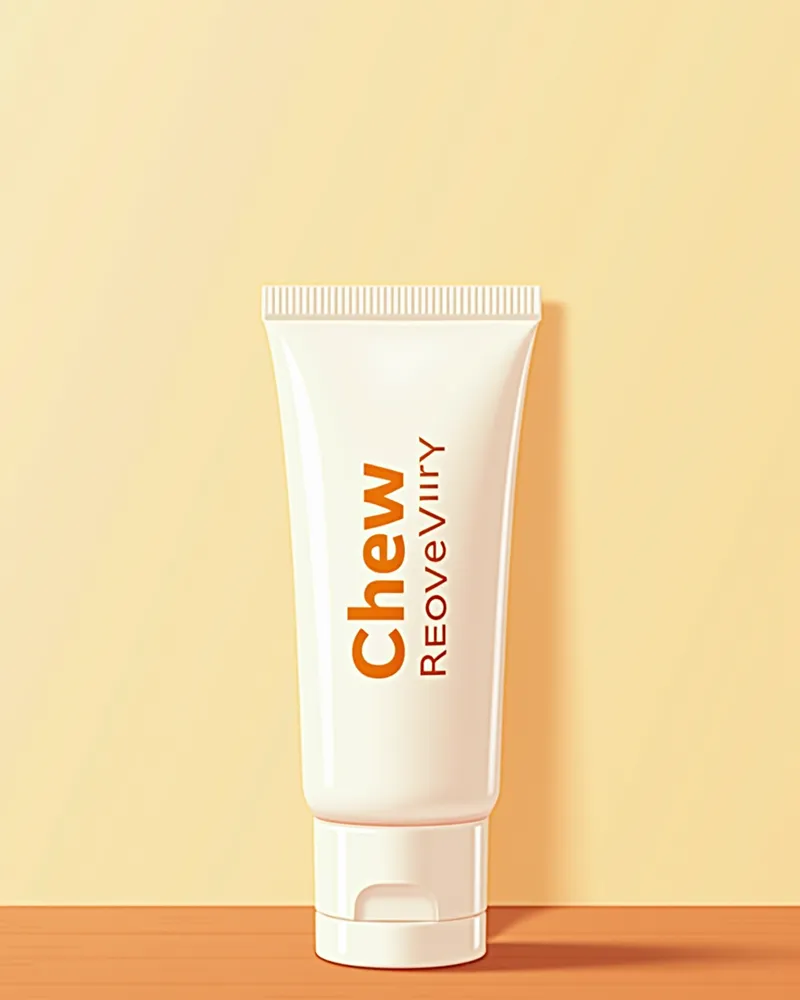
BEST 2: Chewing Power Recovery Cream

Chewing Power Recovery Cream is introduced as a topical oral supplement. However, there is insufficient evidence to support the claim that this local application treats the pain or inflammation associated with masticatory myositis. The cornerstone of managing pain and inflammation remains corticosteroids and analgesic care prescribed by a veterinarian. Its odorless nature is a practical advantage, as it reduces rejection by dogs and minimizes administration stress.
Key Ingredients: Resveratrol, aloe vera, collagen peptides (as listed on the product label).
Directions for Use: Apply a thin layer inside the mouth twice daily, following your veterinarian’s guidance.
Note: Supplements do not replace prescribed medical treatment.
Precautions: Discontinue use and consult your veterinarian if skin or mucous membrane irritation occurs.
Product image of Chewing Power Recovery Cream

BEST 3: Masticatory Muscle Protection Capsules

The masticatory muscle protection capsules are marketed as a supplement to be taken with meals. Although the label lists glucosamine, collagen, omega-3, and vitamin D, there is insufficient evidence that these nutrients treat masticatory myositis. Management of masticatory myositis primarily relies on prescription treatments, such as corticosteroids prescribed by a veterinarian, while supplements play only a supportive role.
Key Ingredients: Glucosamine, collagen, omega-3, vitamin D (as listed on the product label).
Administration: One capsule per day, taken with meals; consult your veterinarian before use.
Note: Even with long-term use, this supplement does not replace prescribed treatment.
Caution: If the capsule is too large, it can be crushed before administration.
Product image of joint muscle protection capsules

Comparison Table of Products BEST 1–3

ItemMasticatreat LiquidChewing Strength Recovery CreamMasticatory Muscle Protection Capsule
FormLiquidCreamCapsule
Main Ingredients (as labeled)Glucosamine, omega-3, resveratrolResveratrol, aloe vera, collagen peptidesGlucosamine, collagen, omega-3, vitamin D
Dosing FrequencyOnce a dayTwice a dayOnce a day
Ease of UseVery easyEasyModerate
NatureSupplementary useSupplementary useSupplementary use

These products are supplementary in nature, and the treatment of masticatory myositis is fundamentally based on systemic corticosteroids (and immunosuppressants if needed) prescribed by a veterinarian. Always consult a veterinarian before use, as overdose can cause side effects.

Caution: Side Effects May Occur with Overdosing

Products for managing canine masticatory muscle myositis should be used under a veterinarian’s guidance. Overdosing can cause side effects such as diarrhea, vomiting, and skin reactions. Always consult your veterinarian before using the product.

Tips for Managing Canine Masticatory Myositis

Managing canine masticatory myositis requires combining your veterinarian’s prescribed treatment with careful daily care.
Dietary adjustments: Offer soft, easy-to-swallow food, and if needed, elevate the food bowl or serve it in small, bite-sized portions.
Avoid forcing the mouth open: Be careful not to force the jaw open, as this can cause pain.
Reduce stress: Allow your dog to rest comfortably in a quiet environment.
Regular check-ups: Schedule regular visits with your veterinarian to monitor your dog’s condition and response to medication.
These care practices complement prescribed treatments and help reduce your dog’s discomfort.

Reviewed by a veterinarian

Dr. Tony — Punnawat Phongkittirak

Dr. Tony — Punnawat Phongkittirak

Veterinarian

A veterinarian who majored in veterinary medicine at Khon Kaen University, Thailand, and completed the IVSA program at North Carolina State University in the United States. Drawing on clinical experience at animal hospitals, he works in the pet healthcare field and is dedicated to building a digital care environment that connects pet parents with veterinarians.

Frequently Asked Questions

Is masticatory myositis in dogs curable?
Early diagnosis and treatment with systemic corticosteroids can improve symptoms. However, treatment may need to continue for a long time or even require lifelong management, and if the condition progresses to a chronic stage resulting in jaw stiffness, the prognosis may be poor.
Which dogs are most commonly affected by triceps muscle inflammation?
This immune-mediated condition is commonly seen in medium- to large-breed dogs, particularly German Shepherds, Hungarian Vizslas, and Cavalier King Charles Spaniels, as well as young adult dogs. It is rare in cats.
What should I do if my pet won’t open its mouth while eating?
Switch to soft food or liquid diets, elevate the food bowl, or offer small, bite-sized portions, and consult your veterinarian. In severe cases, additional feeding assistance may be necessary.
Even though I’m giving my pet the supplement, the symptoms aren’t improving.
Supplements are only an adjunct to treatment. If symptoms persist, a veterinarian needs to adjust prescription therapies, such as corticosteroids or immunosuppressants.
Can lumbosacral muscle inflammation recur?
There is a risk of recurrence. Regular check-ups and long-term management are important, and it helps to avoid stopping prescribed treatments on your own.

Share

Related Guides

References

[1] Packer RMA, Berendt M, Bhatti S, et al. (2015). Inter-observer agreement in the diagnosis of immune-mediated myositis in dogs. J Vet Intern Med 29(4):1123–1130.

[2] Barnett L, Martin MWS, Todd J, et al. (2011). A retrospective study of 153 cases of undiagnosed collapse, syncope or exercise intolerance: The outcomes. J Small Anim Pract 52(1):26–31.

[3] Veterinary Immunology, 11th Edition. Elsevier, 2022. Chapter 38: Autoimmune Myopathies in Dogs.

This information is based on veterinary literature and does not replace diagnosis or treatment. Please consult a veterinarian for specific health concerns.

Metapet Co., Ltd. | CEO: Park Sung-yong | Business Reg. No. 417-88-02562 | Seoul, South Korea | Customer Center

Canine Masticatory Myositis: Best Products & How to Choose | Meongsiljang