
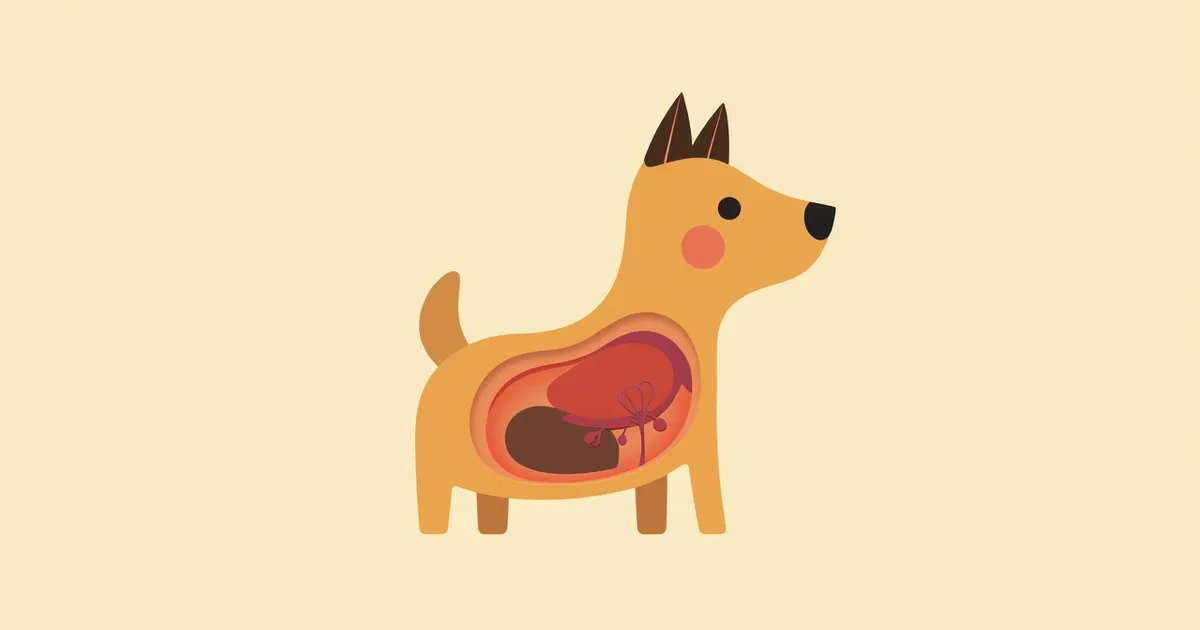
Top Recommended Products and Selection Criteria for Managing Canine Diaphragmatic Hernia
A diaphragmatic hernia in dogs is a condition in which internal organs protrude through the diaphragm into the thoracic cavity, making early diagnosis and proper management essential. This article outlines effective management strategies and recommended products.
What Is a Diaphragmatic Hernia in Dogs?
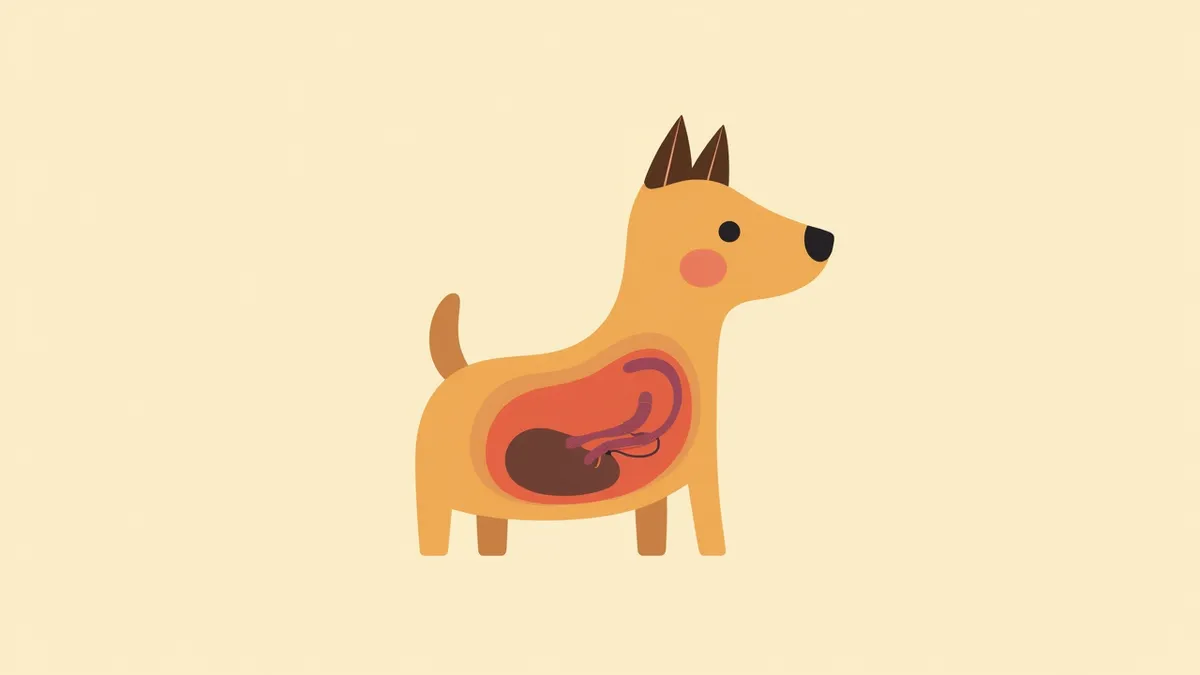
Key Points: Managing a Diaphragmatic Hernia in Dogs
Key Point 1: What Is a Diaphragmatic Hernia?

Key Point 2: How Is It Diagnosed and Treated?

Key Point 3: Post-Surgical Care and Precautions for Owners
What Owners Should Know About Canine Diaphragmatic Hernia
| Item | Key Points |
|---|---|
| Condition | Abdominal organs move into the thoracic cavity due to a diaphragmatic defect |
| Cause | Trauma (accidents, falls) is the main cause; congenital cases also exist |
| Diagnosis | Confirm the defect site with X-ray, ultrasound, and CT |
| Treatment | Surgical restoration of organs and suturing of the diaphragm is standard |
| Caution | Post-surgery activity restriction, adherence to prescribed medication, and regular check-ups are essential |
This is not a table recommending specific products or clinics, but a reference for consulting with your veterinarian. Always make treatment and testing decisions together with your veterinarian through an examination.
Caution: Side Effects May Occur with Overdose
Overdosing on omega-3 fatty acids or probiotics can cause side effects such as diarrhea, vomiting, and decreased appetite. It is essential to strictly follow the dosage prescribed by your veterinarian. Dosage requirements vary depending on your dog’s weight and health condition, so never increase the amount arbitrarily. Administering omega-3s or probiotics without veterinary guidance can lead to adverse effects, so please exercise caution.
Usage Tips: Three Essentials of Post-Surgical Care

Reviewed by a veterinarian

Dr. Tony — Punnawat Phongkittirak
VeterinarianA veterinarian who majored in veterinary medicine at Khon Kaen University, Thailand, and completed the IVSA program at North Carolina State University in the United States. Drawing on clinical experience at animal hospitals, he works in the pet healthcare field and is dedicated to building a digital care environment that connects pet parents with veterinarians.
Reviewed 2026-06-29
Frequently Asked Questions
Is a diaphragmatic hernia curable?
How long does the recovery period after surgery take?
What are some ways I can manage this at home?
Is the likelihood of recurrence high?
Can I give my pet supplements without consulting a veterinarian?
Share
Related Guides

Top Recommended Feline Bronchodilators and Selection Criteria: A Complete Guide

Best Recommendations and Selection Criteria for Monitoring Your Cat’s Respiratory Rate (RR) During Sleep for Heart Care

Best Recommendations and Selection Criteria for Monitoring Your Dog’s Respiratory Rate (RR) During Sleep for Heart Care

7 Key Post-Heart Surgery Recovery Care Tips for Dogs, as Recommended by Veterinarians

How to Choose Prescription Heart Diets for Dogs — 7 Key Criteria You Must Know

7 Key Strategies for Managing Canine Heart Disease Prognosis, Explained by Veterinarians
7 Early Screening Tests for Canine Heart Disease When Asymptomatic

7 Key Pre-Anesthesia Checks for Dental Treatment in Dogs with Heart Conditions

Top Recommendations and Selection Criteria for Managing Breed-Specific Heart Disease Predisposition in Dogs

7 Heart Warning Signs of Canine Atrial Fibrillation (Arrhythmia) You Must Not Miss
References
[1] Evans, H.E. (1993). The respiratory system. In Miller’s Anatomy of the Dog, 3rd edition, pp. 463–493.
[2] Plumb's Veterinary Drug Handbook, 8th Edition. Wiley-Blackwell.
[3] Veterinary Internal Medicine: A Case-Based Approach. Elsevier, 2020.