
Like
Share
멍실장
강아지 바이러스성 상부호흡기감염 관리 추천 BEST와 고르는 기준 총정리

Top Recommended Products for Managing Canine Viral Upper Respiratory Infections and Selection Criteria

RespiratoryTop PicksMeongsiljang Veterinary Advisory Board

Canine viral upper respiratory infections are caused by a combination of multiple viruses, making symptom management and prevention key. Here’s a summary of criteria for selecting effective management products.

What Is Canine Viral Upper Respiratory Infection?

Symptoms of viral upper respiratory infection in dogs
Canine viral upper respiratory infection is a condition in which several viruses—such as canine parainfluenza virus, canine adenovirus type 2 (CAV-2), canine herpesvirus, and canine influenza virus—act together to cause inflammation of the nose, airways, and throat. Common signs include persistent nasal discharge, frequent sneezing, coughing, excessive tearing, and decreased appetite. The disease spreads rapidly in environments where dogs are in close contact, such as shelters or boarding facilities. Recovery typically takes one to two weeks after infection. Puppies with immature immune systems are especially susceptible, and senior dogs also require careful monitoring. Because the virus spreads through airborne particles and direct or indirect contact, prevention and early management are crucial. If symptoms appear, consult your veterinarian promptly to begin appropriate care.

Key Criteria for Selecting Management Products

Managing viral upper respiratory infections in dogs revolves around three key pillars: boosting immunity, alleviating symptoms, and sanitizing the environment. - Ingredient Safety: Choose products free from fragrances, preservatives, and alcohol to avoid irritating your dog’s sensitive mucous membranes. - Proven Efficacy: Products backed by clinical trial data or animal study results are generally more reliable. - Monitoring Your Dog’s Response: Carefully watch for any adverse reactions after use, such as skin irritation, vomiting, or diarrhea. - Ease of Use: For sprays, ensure the mist is gentle; for supplements, check that they come in a form your dog will easily consume. - Brand Credibility: Prioritize brands with a long track record of use or those recommended by professional veterinarians.
A guide to managing products for upper respiratory infections in dogs

BEST 1: Immune-Boosting Supplement (Probiotics + Vitamin C)

This supplement combines probiotics to support gut balance with vitamin C to help maintain your dog’s overall well-being. Since most viral upper respiratory infections resolve naturally with supportive care—such as adequate rest, hydration, and nutrition—rather than specific antiviral treatments, this product is best used as a supportive aid for everyday health maintenance rather than as a treatment. By promoting beneficial gut bacteria, it can help support digestion and overall dietary condition. Administer one tablet daily, adjusted according to your dog’s body weight, ideally with meals for convenience. Its mild, flavor-free taste ensures easy acceptance without burdening your dog. For safety, please consult your veterinarian before starting this supplement.
Product image of an immune-boosting supplement

BEST 2: Natural-Ingredient Nasal Relief Spray

This natural-ingredient nasal relief spray helps protect the nasal mucosa and effectively alleviates sneezing, runny nose, and nasal congestion. - Naturally derived ingredients: Contains hyaluronic acid, aloe vera, and lavender extract to work gently without irritation. - High-adhesion formula: The spray stays in the nasal passages longer, providing sustained relief. - Fragrance-free and alcohol-free: Safe for use on dogs’ sensitive noses without causing irritation. - Frequency of use: Apply lightly around the nose 2–3 times daily, preferably in the morning and evening. - Post-use care: After each use, clean and dry the spray nozzle thoroughly to prevent bacterial growth.
Product image of a natural-ingredient nasal discharge relief spray

BEST 3: Air Purifier (with Antibacterial Filter)
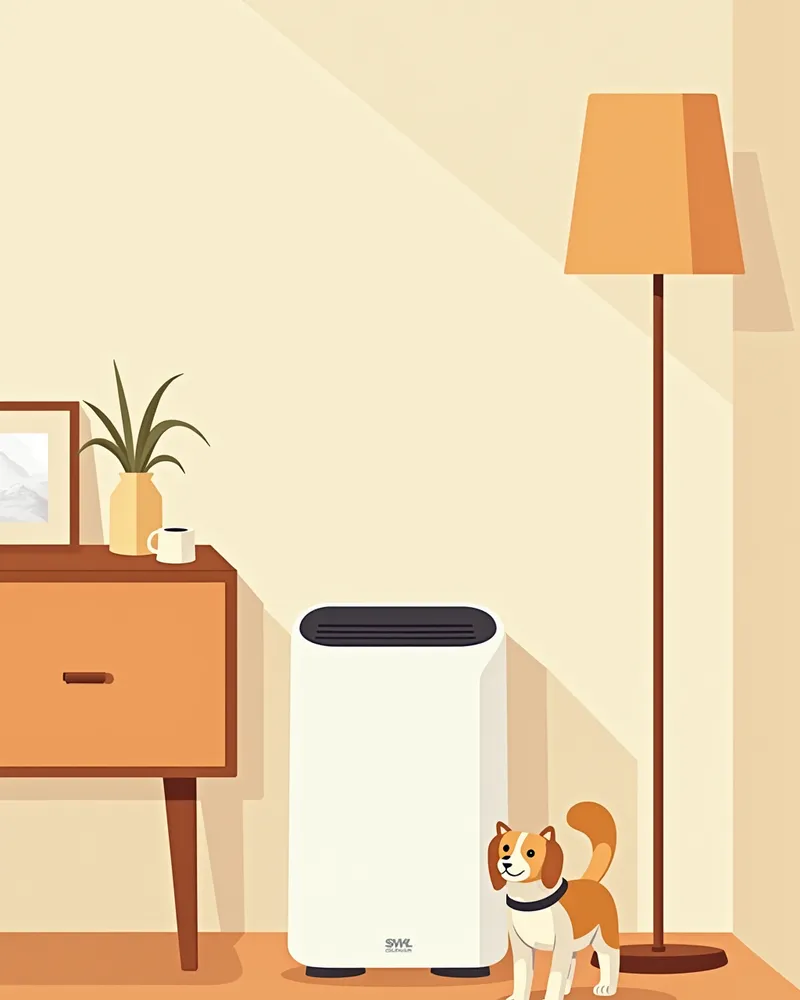
To prevent the rapid spread of viruses indoors, an air purifier equipped with an antibacterial filter is essential. - Antibacterial filter function: Combines a HEPA filter with UV-C light to remove over 99.9% of airborne virus particles. - Real-time air quality monitoring: Features smart functionality that automatically adjusts operation based on pollution levels for added convenience. - Noise-reduction design: Operates quietly to avoid disturbing your pet during nighttime use. - Suitable space coverage: Optimized for indoor spaces of 20–40 square meters, making it ideal for rooms where your dog spends most of its time. - Regular filter replacement: Replace the filter every six months to maintain optimal purification efficiency.
Image of an air purifier for preventing upper respiratory infections in dogs

Comparison Table of BEST 1–3 Products

ItemBEST 1 (Immune supplement)BEST 2 (Nasal-discharge spray)BEST 3 (Air purifier)
Main ingredientsProbiotics, vitamin CNatural plant extracts, waterAntibacterial filter, HEPA filter
Main effectSupports condition and gut health managementSupports relief of nasal discharge and sneezingRemoves airborne particles
Frequency of useOnce a day2–3 times a dayRuns 24 hours
Additional advantagesHelps improve gut healthNo fragrance, non-irritatingImproves indoor air quality

Supplements and sprays are not treatments but supportive measures, and it is safest to use all products under a veterinarian's advice.

Precautions: Avoid Excessive Use

All products should be used according to the recommended dosage. In particular, excessive intake of supplements can cause digestive upset or diarrhea. Be careful to keep sprays out of your pet’s eyes, and be sure to replace air purifier filters on schedule.

Usage Tips and Practical Application

In the early stages of infection, it’s important to support your dog’s condition with nutritional supplements while prioritizing rest and providing adequate hydration and nutrition. Using a nasal spray in the morning and evening can help keep the area around the nose moist. Place an air purifier in the room where your dog spends most of its time, especially near its bed. Administering supplements with meals makes them easier to give without resistance. Shake the spray well before use and take care to avoid getting it in the eyes. Regularly replace and clean filters to maintain the equipment’s effectiveness. However, if symptoms are severe or persist, don’t rely solely on home care—seek veterinary attention.
Image of a dog using an air purifier together

Reviewed by a veterinarian

Dr. Tony — Punnawat Phongkittirak

Dr. Tony — Punnawat Phongkittirak

Veterinarian

A veterinarian who majored in veterinary medicine at Khon Kaen University, Thailand, and completed the IVSA program at North Carolina State University in the United States. Drawing on clinical experience at animal hospitals, he works in the pet healthcare field and is dedicated to building a digital care environment that connects pet parents with veterinarians.

Frequently Asked Questions

Can viral upper respiratory infections in dogs be treated?
In most cases, pets can recover on their own. Supportive care to alleviate symptoms and environmental adjustments are important, as there are no specific treatments. In severe cases, veterinary consultation is necessary.
When should I start giving my pet nutritional supplements?
It can be given as a supplement during the early stages of infection or for routine wellness support. Just remember that supplements are not treatments but supportive aids, and when your pet is in a group-living environment, be especially attentive to their everyday health care.
Is it safe if the spray gets into the eyes?
It may cause irritation if it gets into the eyes. Avoid contact with the eye area during use, and rinse thoroughly with water if exposure occurs. Consult your veterinarian if irritation persists.
How often should I replace the filter in my air purifier?
It varies by product. In general, we recommend replacing it every six months. Depending on the usage environment, earlier replacement may be necessary.
Can all dogs use this product?
While safe for most dogs, some may experience allergic reactions. When using it for the first time, start with a small amount to test for sensitivity, and discontinue use immediately if any adverse reactions occur.

Share

Related Guides

References

[1] Canine and Feline Respiratory Medicine, 3rd Edition, 2020

[2] Textbook of Respiratory Disease in Dogs and Cats, 2018

[3] Clinical Medicine of the Dog and Cat, 4th Ed, 2021

This information is based on veterinary literature and does not replace diagnosis or treatment. Please consult a veterinarian for specific health concerns.

Metapet Co., Ltd. | CEO: Park Sung-yong | Business Reg. No. 417-88-02562 | Seoul, South Korea | Customer Center

Best Tips for Managing Canine Viral Upper Respiratory Infections | Meongsiljang