

The Complete Guide to Tick-Borne Lyme Disease in Dogs
Lyme disease in dogs is a bacterial infection transmitted by tick bites. Key signs include arthritis, fever, and loss of appetite. Early antibiotic treatment and tick prevention are essential.

If Your Dog Has High Fever and Hematuria — Causes and Treatment Timing for Pyelonephritis
Pyelonephritis in dogs is an upper urinary tract disease in which bacteria ascend from the bladder to the kidneys. Early antibiotic treatment is key to preventing kidney damage.

Best Recommendations and Selection Criteria for Monitoring Your Cat’s Respiratory Rate (RR) During Sleep for Heart Care
A cat’s resting respiratory rate (RR) is a key indicator of heart health. Knowing the normal range and choosing the right monitoring tools can help detect diseases early.

Frequently Asked Questions on How to Increase Your Dog’s Water Intake — Key Points for Pet Owners
When dogs don’t drink enough water, their risk of urinary tract diseases increases. Here are answers to frequently asked questions about how to encourage your dog to drink more water.

Dog Increased Water Intake: Causes, Symptoms, Diagnosis, Treatment, and Management Tips
Increased water intake in dogs can be caused by various factors, including dehydration, kidney disease, and diabetes. Early detection and accurate diagnosis are essential.
Q&A

What is feline lung cancer? — What symptoms appear when lung metastasis occurs?
Feline lung cancer is difficult to detect early because it often presents no symptoms in its initial stages. Once metastasis to the lungs occurs, treatment options become limited, making the owner’s understanding and prompt response crucial.

10 Warning Signs of Dog Cancer — Symptoms Pet Owners Often Miss
Dog cancer is so common that it affects one in four senior dogs, yet early signs are often missed by pet owners. Based on veterinary oncology textbooks, we’ve compiled ten warning signs—such as lumps, weight loss, and decreased appetite—along with clear guidelines on when to seek immediate veterinary care.

Guide to Prescription Abbreviations — Meanings of SID, BID, and PRN at a Glance
We’ve put together a clear guide to the exact meanings of common prescription abbreviations like SID, BID, TID, PO, and PRN, along with tips to help you avoid mistakes when giving your pet medication at home.

Early Signs of Congestive Heart Failure in Dogs and Management
Catching the early signs of congestive heart failure in dogs allows you to slow its progression through medication and lifestyle management. We’ve compiled a guide to the warning signs you can monitor at home—such as coughing, changes in breathing, and decreased energy—along with practical management tips.
Diseases

Comprehensive Guide to Cat Indoor Environmental Enrichment: Symptoms, Causes, Diagnosis, Treatment, and Management
Enriching your cat’s indoor environment is essential for maintaining their emotional well-being and behavioral health. A monotonous environment can lead to stress-related symptoms.

Feline Odontoclastic Resorptive Lesions (FORLs): Symptoms, Causes, Diagnosis, Treatment, and Management Essentials
Feline odontoclastic resorptive lesions (FORLs) are a dental condition in which the enamel and dentin of the teeth gradually break down. Because they can cause pain, early detection is essential.

Feline Hypertrophic Cardiomyopathy (HCM): Symptoms, Causes, Diagnosis, Treatment, and Management Essentials
Feline hypertrophic cardiomyopathy (HCM) is a condition in which the heart muscle abnormally thickens, leading to impaired cardiac function. Genetic factors play a major role, making early detection and management essential.

If Your Dog Drinks Excessive Water and Has a Distended Abdomen — Symptoms and Treatment of Cushing’s Syndrome
Canine Cushing’s syndrome is an endocrine disorder caused by excessive cortisol secretion from the adrenal cortex, with primary symptoms including excessive thirst, frequent urination, and abdominal enlargement. Early diagnosis and proper management are essential.
Breed Health

7 Genetic Conditions in Bichon Frises: Symptoms, Causes, and Lifelong Care Guide
This guide provides a clear overview of the main health conditions Bichon Frises are genetically predisposed to, such as patellar luxation, atopic dermatitis, and cataracts, along with checkpoints owners can use to monitor their pets at home.

The Ultimate Guide to Maltipoo Grooming and Coat Care
Maltese-Poodle mixes have curly or wavy coats that tangle easily, so daily grooming is essential. Here’s everything you need to know about brushing, bathing, professional grooming schedules, and tear-stain care—all in one place.

Complete Guide to Border Collie Genetic Conditions — Critical Warning on MDR1 Drug Side Effects
Border Collies are a breed that requires special attention to genetic conditions such as the drug sensitivity gene (MDR1), Collie Eye Anomaly (CEA), and hip and elbow dysplasia. We’ve compiled essential tests and care points to check before and after adoption.

The Ultimate Guide to Pomeranian Double-Coat Grooming | Key Pomeranian Grooming Tips
We’ve put together a guide on the Pomeranian’s lush double coat and how to safely brush, bathe, dry, and manage shedding at home.
Symptoms

Dog Pancreatitis: How to Tell if It’s Acute or Chronic — From Symptoms to Dietary Management
If your dog experiences repeated vomiting and loss of appetite, it could be pancreatitis. We’ve compiled evidence-based information from veterinary textbooks, including how to distinguish between acute and chronic forms, emergency symptoms, and low-fat dietary management.

Why Your Cat Is Meowing Excessively
We’ve outlined the behavioral and medical causes to consider when a cat meows excessively, along with steps owners can take to help.

Emergency Response for Respiratory Arrest — Golden Time Guide for Dog and Cat CPR
Respiratory arrest in dogs and cats is an emergency that requires immediate action within four minutes. We’ve outlined everything pet owners need to know, including how to confirm breathing has stopped, the correct sequence for rescue breathing and chest compressions, and when to transport your pet to the hospital.

Causes of Frequent Urination in Dogs
Frequent urination in dogs can be a sign of conditions such as cystitis, urinary stones, or diabetes. We’ve compiled a guide to help you determine the cause and urgency, along with a checklist you can use at home.
Prevention

Age-Specific Routine Health Checkups for Cats — Guide to Senior Cat Examination Items
For cats, annual check-ups are recommended starting at age 1, while senior cats aged 7 and older should be seen every six months. We’ve compiled a complete list of essential blood, urine, and imaging tests to monitor at each life stage.
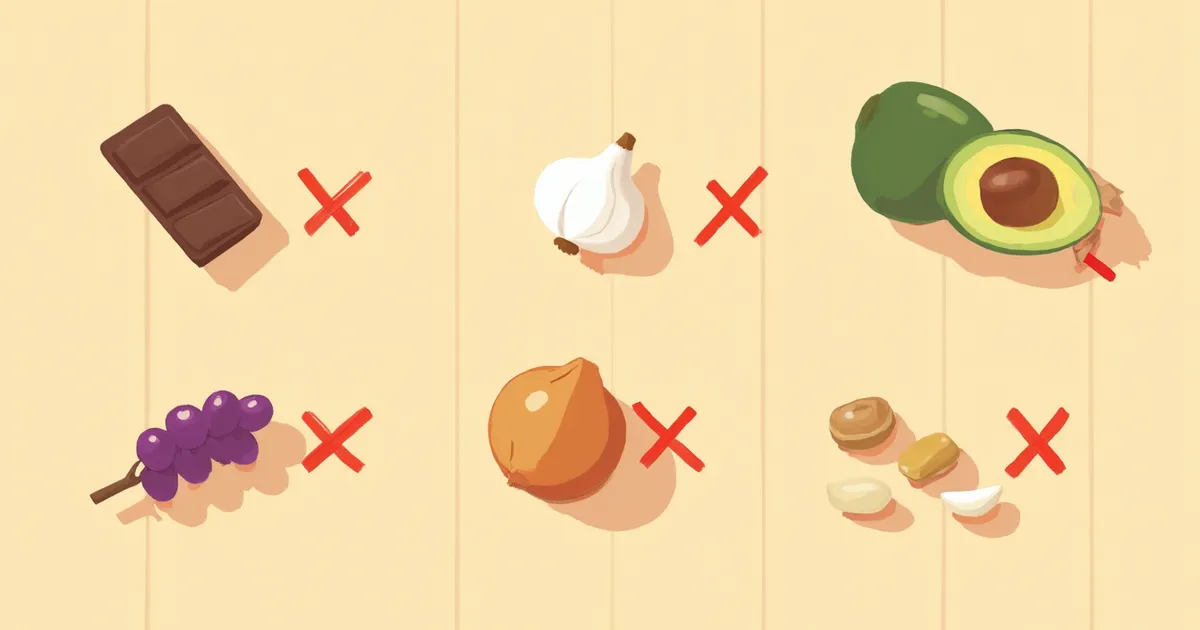
25 Forbidden Dog Foods Warned by Veterinarians — Complete Checklist by Risk Level
From chocolate, onions, grapes, and xylitol to 25 surprisingly dangerous foods, we’ve compiled a list of items you should never feed your dog, categorized by risk level, along with steps to take if your dog accidentally ingests them.

Cat Summer Heatstroke — Warning Signs You Must Not Miss and Indoor Temperature Management
Cats have very few sweat glands, making it difficult for them to regulate their body temperature during the summer. Here’s how to manage indoor temperature and humidity, along with tips for preventing heatstroke.

Guide to Regular Health Checkup Items and Recommended Timing by Dog Age
Regular health checkups for dogs vary in scope and frequency depending on age. We’ve outlined the essential tests and recommended timing for puppies, adult dogs, and senior dogs.
Top Picks

My Senior Cat Won’t Eat — A Complete Guide to Choosing Food for Cats with Weak Digestion
We’ve compared five soft, easily digestible kibble formulas designed for senior cats aged 7 years and older, evaluating them based on protein and fat content, kibble size, and digestive support ingredients.

Top 5 Medicated Dog Shampoos — For Pyoderma and Bacterial Infections
Medicated dog shampoos are OTC products designed to treat skin infections like pyoderma and Malassezia. Here are our top five recommendations by ingredient, along with proper usage instructions.

Veterinarian-Recommended Top 5 Medicated Shampoos for Canine Yeast Dermatitis — Relieves Itching and Greasiness
We’ve compiled five medicated shampoos effective against yeast dermatitis (Malassezia dermatitis) in dogs, including their ingredients, precautions, and usage instructions. If your dog suffers from recurring itching and a greasy, musty odor, be sure to check this out.

Top 5 Prescription Diets for Feline Pancreatitis Recommended by Veterinarians — Low-Fat, Highly Digestible Food Guide
We’ve compared five low-fat, highly digestible prescription diets essential for managing feline pancreatitis, and compiled a clear guide on how to choose the right one for acute or chronic stages, along with important feeding precautions.
Ingredients

Chitosan Effects and Obesity/Fat Absorption
Chitosan is a dietary fiber extracted from the shells of crustaceans. It binds to fat in the intestines, reducing its absorption and helping with weight management as a supportive ingredient. Here’s a summary of its effects and precautions.

Curcumin Efficacy and Anti-inflammatory/Joint Support
Curcumin is a natural ingredient that helps relieve joint pain thanks to its strong anti-inflammatory effects. Here’s a summary of its efficacy, recommended dosage, absorption rate, and precautions, all backed by veterinary evidence.

Coenzyme Q10 Benefits and Administration Guide
We’ve compiled the benefits, administration methods, and precautions for coenzyme Q10 in supporting heart health in dogs and cats, based on veterinary textbook evidence.

Benefits of Omega-3 for Dogs and a Guide to Proper Feeding
We’ve compiled the benefits of omega-3 fatty acids for skin and coat health in dogs and cats, along with information on ingredient sources and proper feeding methods, all based on veterinary textbooks.
Comparisons

Royal Canin vs Hill’s vs Purina vs Orijen — Which Brand Is Right for Your Pet, According to Veterinarians?
We compare the ingredients, prescription diet lines, price ranges, and recommended body types of four leading dog food brands at a glance. We’ve also outlined the criteria for choosing the right brand for your pet.

Primary vs. Secondary Veterinary Hospitals: A Comparison
Primary and secondary veterinary hospitals differ in their roles and scope of practice. We’ve summarized the key criteria to help you choose the right hospital for your pet’s condition.

Recovery Nutrition Comparison — Hill's a/d vs Royal Canin Recovery vs RC Liquid
We’ve compared three leading prescription diets for dogs and cats recovering from surgery or severe illness, focusing on their protein, fat, and calorie density, as well as their specific use cases. This guide helps you quickly identify which product is best suited for your pet’s situation.

Comparing Feline Urinary Prescription Diets — Hill’s c/d vs Royal Canin Urinary SO
We compare two leading feline urinary prescription diets, Hill’s c/d Multicare and Royal Canin Urinary SO, based on their ingredients, mechanisms of action, palatability, and price. We also summarize their suitability for different types of urinary stones and provide a step-by-step guide for transitioning your cat to the new diet.
What makes Meongsiljang different
Independent, ad-free analysis
We accept no advertising fees from any company. All information follows the same veterinary standards.
Evidence-based health info
Disease guides, breed health, and nutrition analysis — all powered by veterinary data.
Connect with real veterinarians
Have a question? Ask a veterinarian directly in the app.