
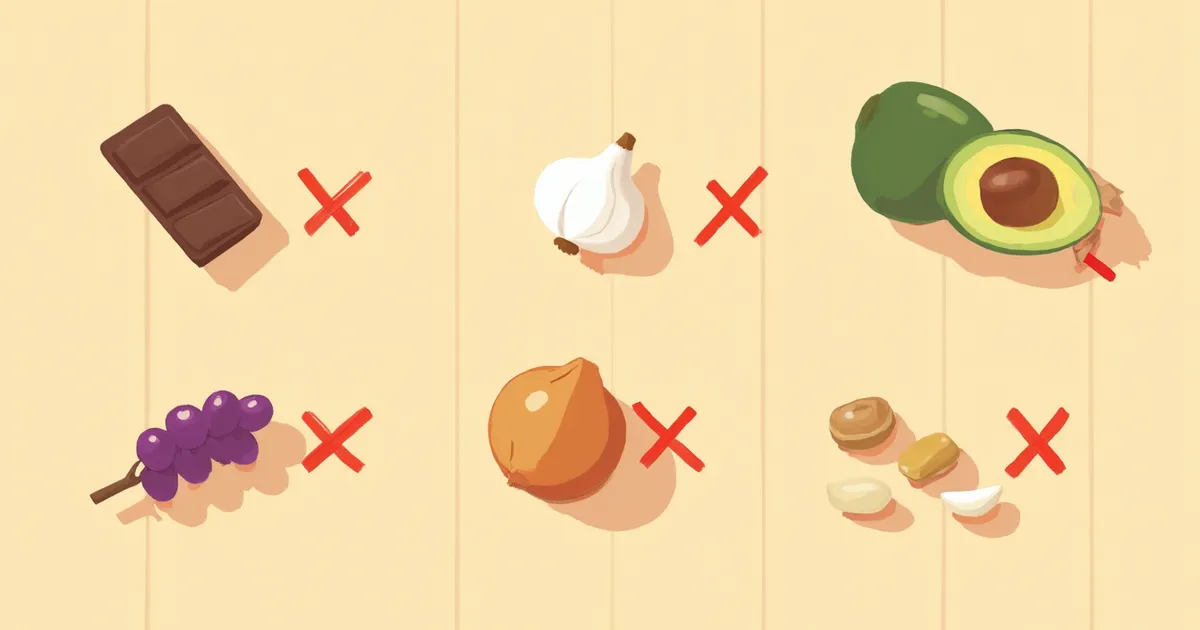
25 Forbidden Dog Foods Warned by Veterinarians — Complete Checklist by Risk Level
From chocolate, onions, grapes, and xylitol to 25 surprisingly dangerous foods, we’ve compiled a list of items you should never feed your dog, categorized by risk level, along with steps to take if your dog accidentally ingests them.
Why You Need to Know About Foods Dangerous for Dogs
Please Check This Before Viewing the Checklist
This article’s risk assessment is based on a general guideline for an average 10 kg dog. Even with the same amount, small-breed dogs, senior dogs, and those with compromised liver or kidney function may be at significantly higher risk. If you suspect your pet has ingested something harmful, do not attempt to induce vomiting on your own; contact your veterinarian first. Improperly inducing vomiting can cause esophageal damage or aspiration pneumonia.
Absolutely Forbidden — 8 Lethal Toxic Foods

25 Foods at a Glance by Risk Level
| Item | Risk level | Main risk |
|---|---|---|
| Chocolate (dark) | Fatal | Theobromine poisoning, heart failure |
| Xylitol | Fatal | Hypoglycemia, liver failure |
| Grapes / raisins | Fatal | Acute kidney failure |
| Onion / garlic | Fatal | Hemolytic anemia |
| Macadamia | Fatal | Hind limb paralysis, fever |
| Alcohol | Fatal | Hypoglycemia, respiratory depression |
| Caffeine | Fatal | Arrhythmia, seizures |
| Raw dough | Fatal | Gastric dilatation, alcohol poisoning |
| Chocolate (milk) | High | Vomiting, tachycardia |
| Avocado (pit/skin) | High | Persin poisoning, pancreatitis |
| Peach/plum pits | High | Cyanide, intestinal obstruction |
| Cherry pits | High | Cyanide poisoning |
| Apple seeds (large amount) | High | Cyanide poisoning |
| Walnuts / pecans | High | Mold toxins, pancreatitis |
| Starfruit / rhubarb | High | Oxalate, hypocalcemia |
| Uncooked potato (green) | High | Solanine poisoning |
| Bones (cooked chicken bones) | High | Intestinal perforation |
| Salt / salty food | Caution | Electrolyte imbalance, kidney failure |
| Butter / greasy food | Caution | Acute pancreatitis |
| Milk / cheese | Caution | Lactose intolerance, diarrhea |
| Raw egg (egg white) | Caution | Biotin deficiency, salmonella |
| Raw fish (salmon, etc.) | Caution | Parasites, thiamine deficiency |
| Peanut butter (containing xylitol) | Caution | Label check essential |
| Nutmeg | Caution | Neurotoxin, tremors/seizures |
| Gum (containing xylitol) | Fatal | Hypoglycemia, liver failure |
General guide based on an average 10 kg adult dog as of May 2026; large individual variation.
Unexpectedly Dangerous Foods — Human Food Edition
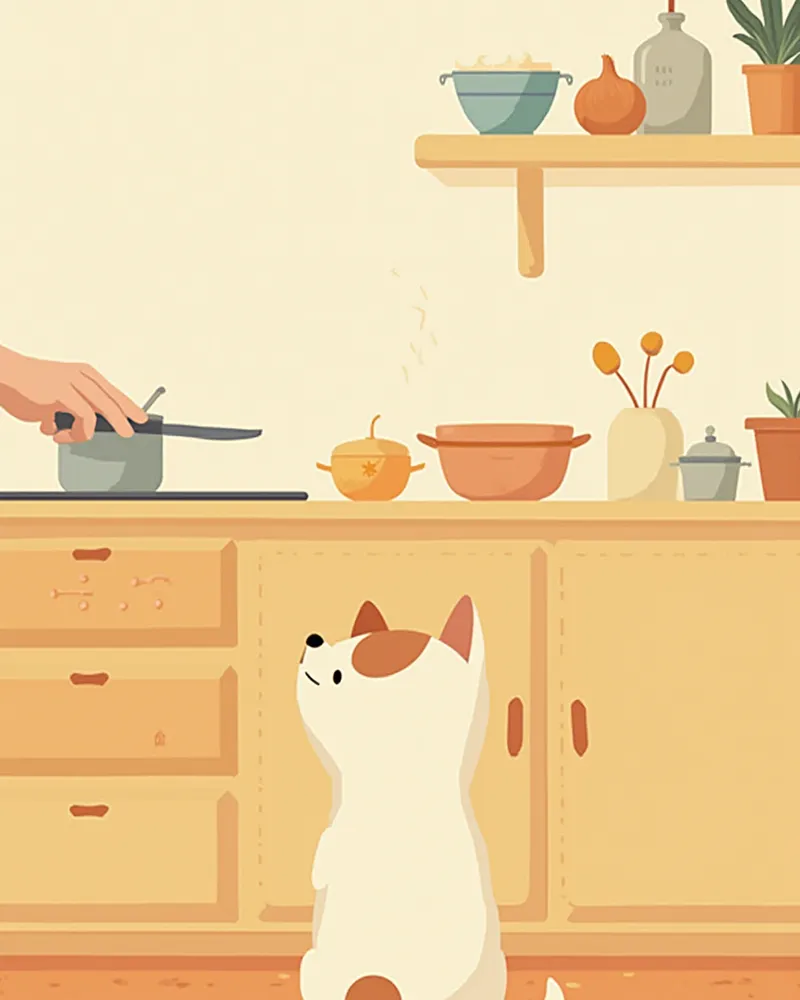
Hidden Dangers in Desserts and Snacks

Do This Immediately If You Suspect Ingestion
1) Determine what and how much was ingested (take photos of the packaging and any remaining amount). 2) Record the time of ingestion. 3) Do not induce vomiting on your own, as this risks esophageal damage and aspiration pneumonia. 4) Call your veterinarian, explain the situation, and follow their instructions. 5) If your pet ingested xylitol, grapes, or dark chocolate, go to an emergency clinic immediately, even if no symptoms are present. 6) If it is nighttime, search for a 24-hour emergency animal hospital and head there right away.
Risk Assessment Criteria by Weight and Ingestion Amount
Recommended Safe Alternative Treats

Pay Extra Attention for Certain Breeds
Certain breeds are more sensitive to medications and toxins. Herding breeds such as Collies, Shetland Sheepdogs, and Australian Shepherds may carry an MDR1 (multidrug resistance) gene mutation, which allows certain drugs to cross into the brain more easily, increasing their susceptibility to side effects. However, this applies only to specific medications and does not automatically extend to all foodborne toxins. For toy breeds like Yorkshire Terriers and Maltese, their small body size means that even the same absolute amount of a substance results in a higher dose per kilogram of body weight, making it potentially more lethal. Owners of senior dogs or dogs with liver or kidney disease should keep this checklist handy—perhaps taped to the refrigerator.
Reviewed by a veterinarian

Dr. Tony — Punnawat Phongkittirak
VeterinarianA veterinarian who majored in veterinary medicine at Khon Kaen University, Thailand, and completed the IVSA program at North Carolina State University in the United States. Drawing on clinical experience at animal hospitals, he works in the pet healthcare field and is dedicated to building a digital care environment that connects pet parents with veterinarians.
Reviewed 2026-05-05
Frequently Asked Questions
My dog ate a piece of chocolate. Do I absolutely need to go to the vet?
Is just one grape okay?
My pet swallowed sugar-free gum containing xylitol. What should I do?
My pet licked broth from a dish that contained onions. Is this dangerous?
Is it really true that dogs should never eat human food?
Share
Related Guides
Top 5 Emergency Poisoning Kits for Dogs Recommended by Veterinarians
7 Emergency Checklist Items for Cat Poisoning — Signs to Check Immediately After Exposure

Preventing Spring Allergies (Pollen & Insects)

Why Your Pet’s Skin Gets Dry in Winter: A Complete Guide to Causes and Moisturizing Care
Protecting Senior Dogs’ Kidneys: Regular Check-ups and Dietary Management, Where to Start
Age-Specific Routine Health Checkups for Cats — Guide to Senior Cat Examination Items
Cat Summer Heatstroke — Warning Signs You Must Not Miss and Indoor Temperature Management
Guide to Regular Health Checkup Items and Recommended Timing by Dog Age
If Your Cat Is Aging Too — Key Care for Senior Cat Kidneys, Joints, and Teeth
The Ultimate Guide to Senior Dog Health Management — Owner Checklist
References
[1] Blackwell's Five-Minute Veterinary Consult Clinical Companion, Small Animal Toxicology, 3rd Edition
[2] The Dog Care Handbook — Things I Wish My Vet Had Told Me
[3] Plumb's Veterinary Drug Handbook (수의약리학 교과서)
[4] ASPCA Animal Poison Control Center, Toxic and Non-Toxic Food List for Dogs