Like
Share
멍실장
외이염 예방 (수영 후·미용 후 케어)

Preventing Otitis Externa (Post-Swimming and Post-Grooming Care)

Skin & CoatPreventionMeongsiljang Veterinary Advisory Board

The most critical times to prevent otitis externa in dogs are after swimming and after grooming. We’ve compiled everything you need to know, including how often to clean your dog’s ears, how to properly use ear-cleaning solutions, and breed-specific precautions.

Why Is Preventing Otitis Externa Important?
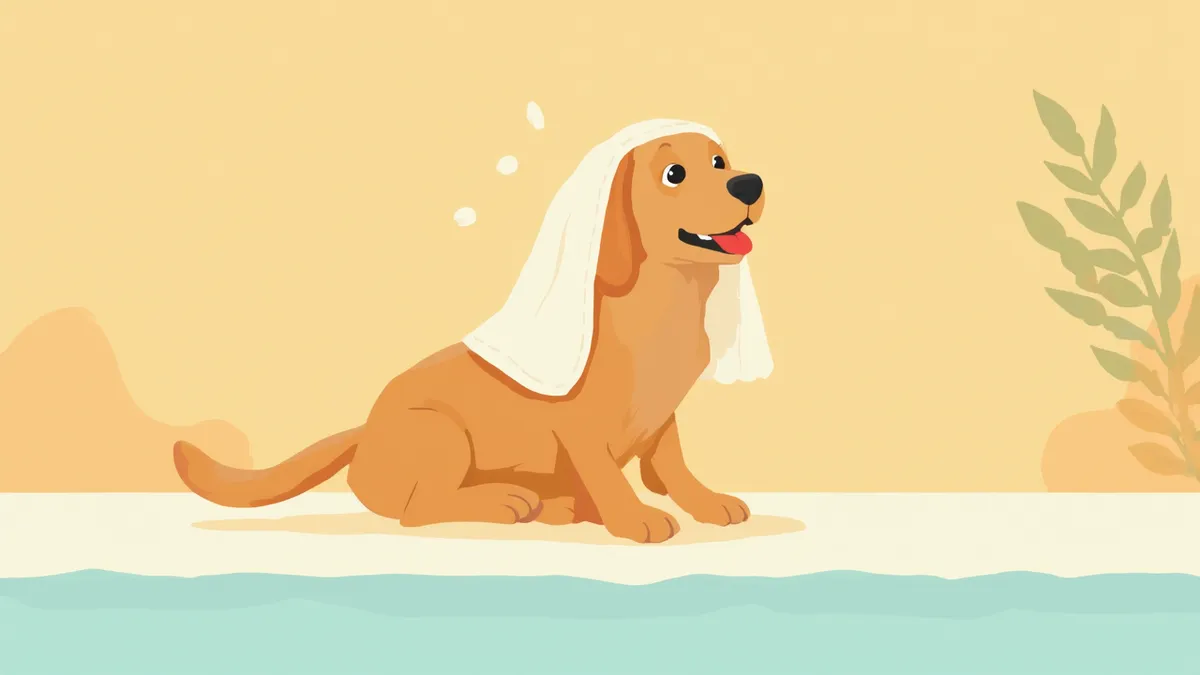
A guardian gently drying a Golden Retriever's ears with a towel after swimming
Preventing otitis externa in dogs involves establishing consistent ear and skin care habits to stop secondary infections from bacteria or yeast from taking hold and causing inflammation. The most critical factor is timing when it comes to removing moisture. The period immediately after water or hair gets into the ears—such as after swimming, bathing, or grooming—is the highest-risk window. Because otitis externa is prone to recurrence and chronicity, ignoring mild acute symptoms can lead to chronic changes like otitis media. In severe cases, it may result in irreversible damage, hearing loss, or even conditions requiring surgery. Therefore, the most reliable prevention is maintaining a regular ear care routine even when your dog shows no symptoms.

Check This Before Prevention

If your pet is already frequently scratching their ears, shaking their head, or if there’s an odor coming from their ears, this is no longer a matter of prevention—it’s time for treatment. Using regular ear cleaners at this stage can worsen the symptoms. If you notice any redness, brown or yellow discharge, or swelling inside the ear, it’s important to first visit a veterinarian for an otoscopic exam and ear swab test to identify the underlying cause. Only after that should you begin a preventive care routine.

5 Steps for Post-Swimming Ear Care

The key to preventing otitis externa is to remove any water left in the ears as soon as possible after swimming. Moisture remaining in the external auditory canal creates an environment where bacteria and yeast can easily proliferate. - Step 1: Gently dry the outer surface of the pinna with a soft towel. - Step 2: Administer 2–3 drops of a pet-specific ear cleanser (dry type) into the external auditory canal. - Step 3: Gently massage the base of the ear for 20–30 seconds. - Step 4: Allow your dog to shake its head naturally. - Step 5: Wipe only the visible areas with cotton or gauze. Never insert cotton swabs deep into the ear canal, as this can push earwax further inward and irritate the external auditory canal. This practice is strictly prohibited.

Key Points to Remember After Grooming

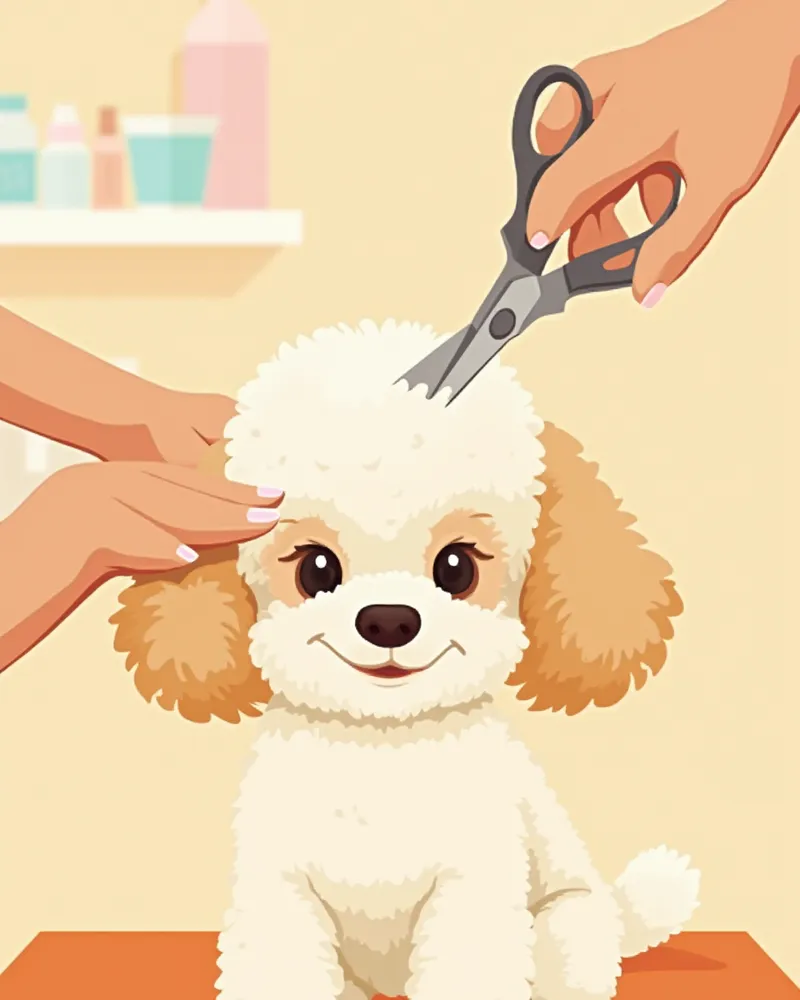
Otitis externa after grooming often starts when plucking ear hair or trimming around the ears causes micro-abrasions, or when leftover hair fragments irritate the external ear canal. Here are key care points: - Within 48 hours after plucking: Gently wipe the area with a cleanser containing anti-inflammatory ingredients. - Immediately after ear hair removal: Avoid bathing or swimming on the same day. - After returning from the groomer: Monitor for frequent head shaking for three days. It’s also important to ask your groomer to remove only the necessary amount of ear hair. Not all dogs require plucking.
A groomer carefully trimming around a Poodle’s ears at the grooming salon

How to Determine Your Dog’s Regular Ear Cleaning Frequency

Ear cleaning can be problematic if done too frequently or not often enough. The normal external ear canal has a self-cleaning mechanism, so excessive cleaning can actually cause inflammation due to minor irritation. - Healthy ears: Once every 2–3 weeks - Floppy-eared breeds: Once a week - After swimming or bathing: Remove moisture every time - Breeds with abundant ear hair: Light grooming once or twice a month Recording the color and amount of earwax each time helps you quickly notice any changes. Taking photos with your smartphone is also a helpful method.

Comparison of Ear Cleaner Types

ItempH-balanced TypeMoisture-removing (drying) TypeAntimicrobial · germicidal Type
Main UseDaily careRight after swimming · bathingMild early-stage infection
Example Main IngredientsSalicylic acid · boric acidIsopropyl alcoholChlorhexidine
Frequency of UseOnce every 2–3 weeksEvery time exposed to waterWhen directed by a veterinarian
Daily use on a healthy earFalseFalseFalse
When there is a wound · ulcerFalseFalseFalse

Acidic · irritant cleansers should be avoided when the ear canal is raw or ulcerated, and most cleansers are contraindicated in an ear with a ruptured eardrum. When using for the first time, choose a product after consulting a veterinarian.

How to Properly Use Ear Cleaners
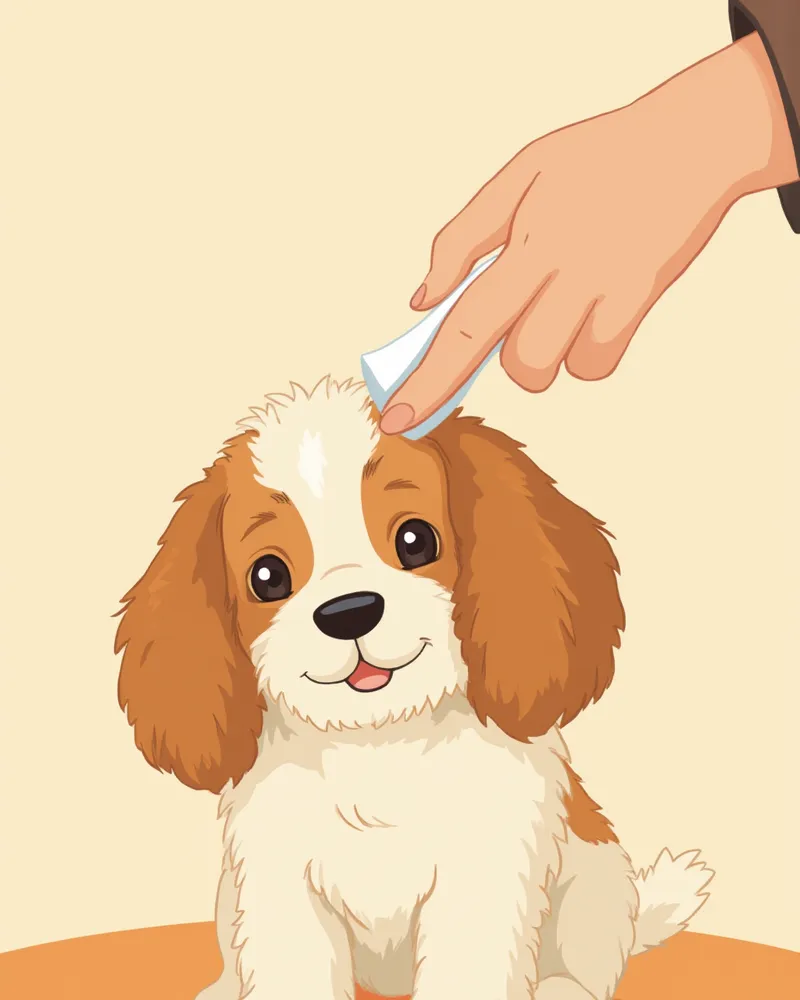
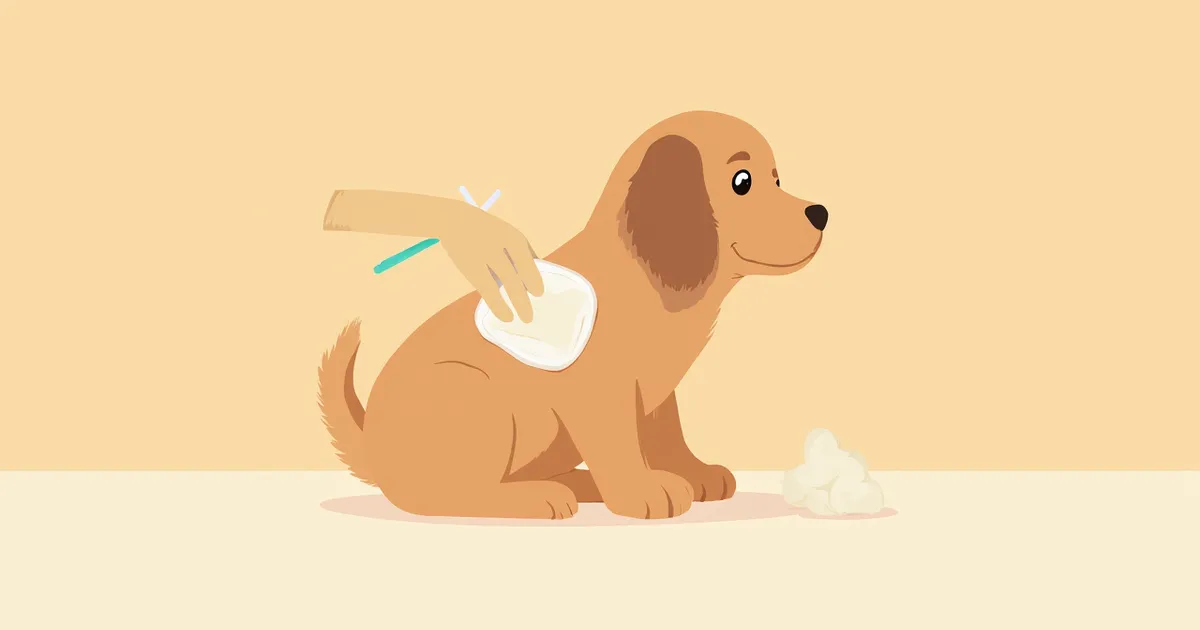
For ear cleaners to work effectively, you need to apply enough solution to thoroughly fill the ear canal. Just one or two drops won’t be enough to properly flush out earwax and moisture. - Dosage: Fill the ear canal completely (1–2 ml for small dogs, 3–5 ml for large dogs) - Position: Tilt your dog’s head slightly so the solution reaches deep into the ear canal - Massage: Gently massage the base of the ear for at least 20 seconds until you hear a squishing sound - Finishing: After your dog shakes its head, gently wipe away any visible residue with gauze Dogs often dislike cold ear cleaners. To reduce discomfort, warm the solution in your hand before use so it’s closer to body temperature.
A pet owner's hand massaging the base of a Cocker Spaniel's ear after applying a cleaning solution

Breeds That Require Extra Caution

The risk of otitis externa varies significantly by breed. The breeds listed below are predisposed to ear inflammation, so it’s a good idea to check their ears at least once a week. - Cocker Spaniels and Basset Hounds: Their floppy ears limit airflow and trap moisture. - Poodles and Bichon Frises: They have dense hair growth in the external ear canal. - Shih Tzus and Maltese: They face a double risk due to both ear hair and floppy ears. - Labrador Retrievers and Golden Retrievers: They love swimming, so water frequently gets into their ears. Moisture buildup from floppy ears, excessive ear hair, and frequent water exposure are all common predisposing factors for otitis externa. For these breeds, regularly inspect the ears even when symptoms aren’t obvious, and have a veterinarian examine them at the first sign of any abnormality. Early intervention helps prevent the condition from becoming chronic or recurring.

Reviewed by a veterinarian

Dr. Tony — Punnawat Phongkittirak

Dr. Tony — Punnawat Phongkittirak

Veterinarian

A veterinarian who majored in veterinary medicine at Khon Kaen University, Thailand, and completed the IVSA program at North Carolina State University in the United States. Drawing on clinical experience at animal hospitals, he works in the pet healthcare field and is dedicated to building a digital care environment that connects pet parents with veterinarians.

Frequently Asked Questions

Can I use human ear cleaners (such as those containing hydrogen peroxide)?
We don’t recommend it. Hydrogen peroxide can irritate the ear canal lining and damage healthy tissue. Alcohol-based solutions can also cause pain and irritation when applied to inflamed or ulcerated ears. Irritating or corrosive cleaners can actually trigger otitis externa, so it’s safest to use products specifically tested for pets after consulting with your veterinarian.
Is it normal for my dog to keep shaking its head after I clean its ears?
This is a normal reflex as your pet shakes its head to clear out the ear cleaner and softened earwax. However, if the shaking persists for more than 1–2 hours or your pet consistently tilts its head to one side, it may indicate residual cleaner or irritation, and a veterinary visit is necessary.
Does water getting into the ears during a bath always cause otitis externa?
Not necessarily. However, if water remains in the ear, it creates an environment where bacteria and yeast can easily multiply. After bathing, be sure to thoroughly dry the inside of the ears and use a dry-type ear cleanser to help prevent infections.
Is plucking ear hair always a good idea?
Not every dog needs ear hair removal. While dense hair in the external ear canal can predispose dogs to otitis externa, trimming should be done minimally and only when the hair is excessive enough to block the canal, and always under the guidance of a groomer or veterinarian. Rather than frequent, aggressive plucking, decisions should be tailored to each dog’s individual condition.
Can diet also help prevent otitis externa?
Otitis externa is often not a standalone condition but rather a symptom of underlying issues such as atopic dermatitis or food allergies. If your pet suffers from recurrent allergic otitis externa, managing the underlying condition is key. If a food allergy is suspected, consult your veterinarian to adjust your pet’s diet accordingly. Rather than making arbitrary changes to supplements or food, follow a treatment plan based on a proper diagnosis.

Share

Related Guides

References

[1] Nuttall T (2016) Successful management of otitis externa. In Practice 38, 17-21

[2] Nuttall T and Cole LK (2004) Ear cleaning: the UK and US perspective. Veterinary Dermatology 15, 127-136

[3] Paterson S and Matyskiewicz W (2018) A study to evaluate the primary causes associated with Pseudomonas otitis externa. Veterinary Dermatology

[4] Miller WH, Griffin CE and Campbell KA (2012) Muller and Kirk's Small Animal Dermatology, 7th edn. W.B. Saunders

This information is based on veterinary literature and does not replace diagnosis or treatment. Please consult a veterinarian for specific health concerns.

Metapet Co., Ltd. | CEO: Park Sung-yong | Business Reg. No. 417-88-02562 | Seoul, South Korea | Customer Center

Preventing Otitis Externa: Ear Care After Swimming & Grooming | Meongsiljang