
Like
Share
멍실장
심장사상충 검사 방법과 양성 시 치료 과정

Heartworm Testing Methods and Treatment Process for Positive Results

HeartPreventionMeongsiljang Veterinary Advisory Board

Here’s a step-by-step guide on how heartworm testing is performed and the treatment process if the result is positive.

Why Is Heartworm Testing Essential?

A veterinarian performing a heartworm blood test on a puppy
Heartworm testing is a blood test that checks for heartworm antigens or larvae (microfilariae) to determine whether an infection is present. Because heartworm disease shows few or no symptoms in its early stages, regular blood testing is the most reliable way to detect it early. In fact, most heartworm infections are discovered during annual wellness exams. Since it takes 6–7 months after infection for a test to turn positive, it’s important to test your pet every year, even if they’re on consistent preventive medication. Even if a test comes back positive, heartworm disease can be cured with a step-by-step treatment protocol. This article outlines the types of heartworm tests and the treatment process for positive cases. If you’d like to learn more about the symptoms of heartworm infection, please refer to Heartworm Infection Symptoms and Treatment.

Important Information Before Testing

Heartworm antigen tests typically don’t turn positive until about six to seven months after infection, so we can’t immediately detect a recent exposure. If you’re starting heartworm prevention for the first time or have missed any doses, please share your pet’s complete medication history with your veterinarian. This information is crucial for determining the appropriate timing and method of testing.

Types of Heartworm Tests

There are two main methods for testing heartworm disease.
Antigen test: This test detects proteins produced by adult female worms. It is the most widely used method because results can be obtained in about 10 minutes using a small blood sample at the animal hospital.
Microfilaria test: This test involves examining blood under a microscope to identify larvae circulating in the bloodstream. When performed alongside the antigen test, it provides a more accurate assessment of infection status.
Combining both tests yields the most accurate results. Veterinary internal medicine textbooks also recommend performing both tests together.

Antigen Test vs. Microfilaria Test Comparison

Let’s take a quick look at how each test compares.
CategoryAntigen TestMicrofilaria Test
Target DetectedAdult female worm proteinMicrofilariae in the blood
ProcedureSmall blood sample → kit testBlood sample → microscopic examination
Time RequiredApproximately 10 minutesApproximately 10–20 minutes
AccuracyHigh (in cases of adult worm infection)Used as a supplementary diagnostic tool
LimitationsMay yield negative results in early infection or male-only infectionInfections without microfilariae also exist

When and How Often Should Heartworm Testing Be Performed?

According to the guidelines of the American Heartworm Society, it is recommended to follow these testing intervals:
Annual routine testing: Even if you are consistently administering heartworm preventive medication, annual testing is still necessary. This is because your pet may have vomited the medication or experienced reduced efficacy due to vomiting.
Testing before starting preventive medication: For pets beginning heartworm prevention for the first time, the American Heartworm Society recommends conducting a test first. Preventive medications only protect against new infections and do not eliminate adult worms that have already established themselves, so confirming infection status before starting treatment is the safest approach.
Retesting after a missed dose: If a dose was missed, retesting is required 6 to 7 months after the last administration.
A scene of receiving guidance on the schedule for regular heartworm tests at the animal hospital.

Positive Result: How Is Treatment Proceeded?
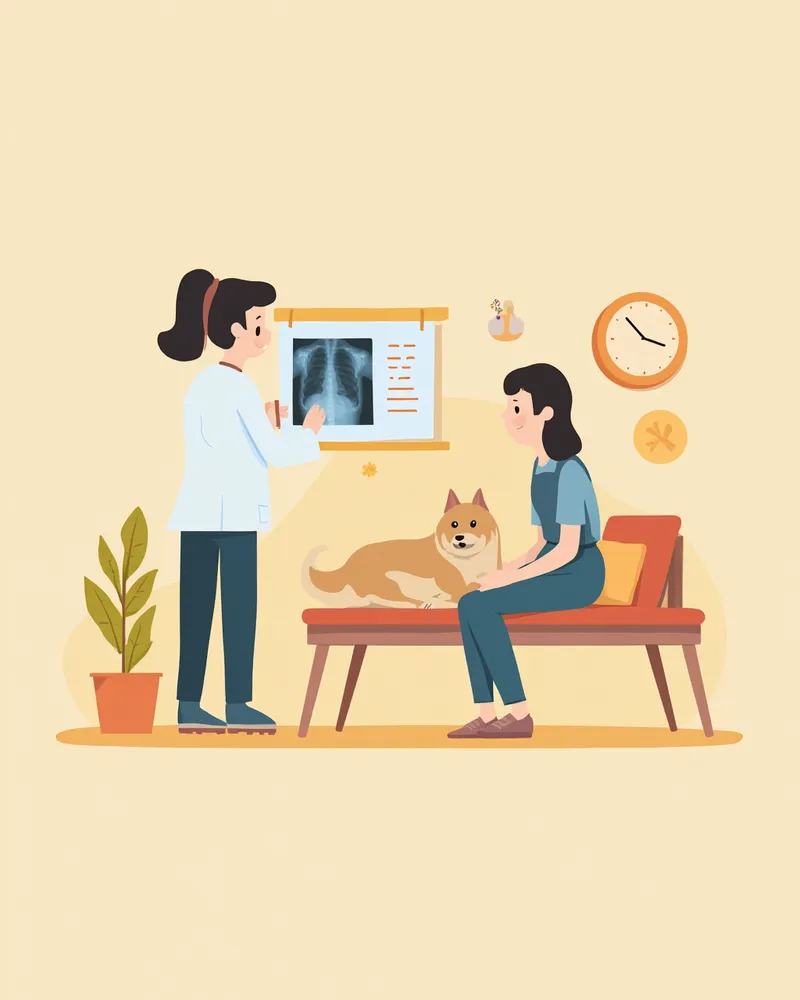
If the test result is positive, the veterinarian will assess the severity of the infection and proceed with treatment in stages. According to veterinary pharmacology textbooks, treatment is broadly divided into two phases: adult worm elimination and larval worm elimination. The process begins by removing the adult worms first, followed by clearing the larvae from the bloodstream. Before starting treatment, the veterinarian will evaluate the condition of the heart and lungs through chest radiographs and blood tests to determine the infection stage. In severe cases, a stabilization period may be necessary before initiating treatment.
A veterinarian explaining a heartworm treatment plan to a pet owner.

Step-by-Step Heartworm Treatment Process

The standard treatment protocol proceeds in the following steps:
Step 1 — Antibiotic Administration: First, we eliminate the bacteria that live in symbiosis with heartworms inside the body. Administer the veterinarian-prescribed antibiotics as directed for the specified duration.
Step 2 — Adulticide Injections: The veterinarian will administer adulticide medication via injection, dosed according to the pet’s weight. This is typically given in three doses: one initial injection, followed by two additional injections one month later, administered consecutively.
Step 3 — Larvicide Treatment: After adulticide treatment, the veterinarian may recommend therapy to eliminate larvae present in the bloodstream, based on their clinical judgment.
Step 4 — Follow-up Testing: Approximately six months after completing treatment, an antigen test is performed to confirm the success of the treatment.

Strict Rest Is Required During Treatment

After adulticide injections, dead fragments of heartworms can travel to the pulmonary blood vessels. Vigorous exercise during this time can lead to pulmonary thromboembolism, a life-threatening complication. Throughout the treatment period, strictly limit walking, play, and excitement until your veterinarian clears your pet for activity. Keeping your pet confined and resting in a crate is the safest approach.

Post-Treatment Care and Prevention of Reinfection

Even after treatment is complete, it’s important not to let your guard down. About six months post-treatment, your pet should undergo another antigen test to confirm that all adult worms have been fully eliminated. To prevent reinfection, the most crucial step is to administer monthly preventive medication without missing a single dose. Since infection does not confer immunity, stopping the preventive medication can lead to reinfection. If you’d like to learn more about the types of heartworm preventives and how to administer them, please refer to our Heartworm Preventive Medication Guide.
A healthy puppy resting comfortably at home after treatment.

Reviewed by a veterinarian

Dr. Tony — Punnawat Phongkittirak

Dr. Tony — Punnawat Phongkittirak

Veterinarian

A veterinarian who majored in veterinary medicine at Khon Kaen University, Thailand, and completed the IVSA program at North Carolina State University in the United States. Drawing on clinical experience at animal hospitals, he works in the pet healthcare field and is dedicated to building a digital care environment that connects pet parents with veterinarians.

Frequently Asked Questions

How much does a heartworm test cost?
Costs vary from clinic to clinic. Depending on whether the test is offered as a standalone antigen test, combined with a microfilaria test, or included in a comprehensive health checkup, the price will differ. For the most accurate information, we recommend contacting your veterinary clinic directly before your visit.
Do I still need to have my pet tested even though they’re on preventive medication?
Yes, even if you consistently administer preventive medication, it’s still a good idea to have your pet tested annually. The medication’s effectiveness can be reduced if it’s vomited up or if your pet experiences vomiting or diarrhea, and no preventive treatment offers 100% guaranteed protection.
Do cats need to be tested for heartworms too?
Cats can also become infected with heartworms. However, because the pattern of infection in cats differs from that in dogs, antigen tests tend to be less accurate. In cats, antibody testing is often performed alongside antigen testing, so please consult with your veterinarian.
If my pet tests positive for heartworms but shows no symptoms, is treatment still necessary?
Yes, it's best to start treatment even if there are no symptoms. Heartworm disease causes cumulative damage to the heart and lungs over time, so the earlier treatment begins, the better the prognosis.
How long does heartworm treatment take?
The entire treatment process typically takes six months or longer. This includes the antibiotic administration period, a stabilization phase after the adulticide injection, and follow-up tests to confirm treatment efficacy. The duration of each stage is determined by your veterinarian based on your pet’s condition and the severity of the infection. Strict rest during treatment is essential.

Share

Related Guides

References

[1] Handbook of Veterinary Pharmacology. Hsu WH. Section III: Drugs for Heartworm Prevention and Therapy.

[2] Textbook of Respiratory Disease in Dogs and Cats. King LG. Chapter 70: Heartworm Disease.

[3] American Heartworm Society. Current Canine Guidelines for the Prevention, Diagnosis, and Management of Heartworm (Dirofilaria immitis) Infection in Dogs. 2020.

[4] Small Animal Internal Medicine, 6th Ed. Nelson RW, Couto CG. Section: Heartworm Disease.

[5] Plumb's Veterinary Drug Handbook, 9th Ed. Plumb DC. Melarsomine, Doxycycline, Ivermectin entries.

This information is based on veterinary literature and does not replace diagnosis or treatment. Please consult a veterinarian for specific health concerns.

Metapet Co., Ltd. | CEO: Park Sung-yong | Business Reg. No. 417-88-02562 | Seoul, South Korea | Customer Center

Heartworm Testing: Methods and Treatment for Positive Results | Meongsiljang