Like
Share
멍실장
반려동물을 위한 실내 공기 질·먼지 관리 가이드

The Right Way to Manage Indoor Air Quality for Pets: Air Purifiers, Ventilation, and Fine Particulate Matter

RespiratoryPreventionMeongsiljang Veterinary Advisory Board

Dogs and cats spend most of their time close to the floor, so they’re more exposed to dust and fine particulate matter. Consistently managing indoor air quality can help reduce chronic coughing, sneezing, and even allergy-related skin issues.

What Is Indoor Air Management for Pets?

A dog lying on the living room floor where dust is visible in the sunlight, and a cat on the sofa.
Managing indoor air quality for pets is a daily practice that helps protect dogs and cats from respiratory issues by reducing dust, fine particulate matter, mold, and volatile chemicals in your home. The key factor is “air quality at floor level.” Even if the air seems fine at human height, pets living close to the ground are more directly exposed to airborne irritants like dust, hair, smoke, and pollen. These irritants can trigger respiratory symptoms such as coughing and sneezing in dogs and cats, so consistent ventilation, cleaning, and humidity control are essential for maintaining your pet’s respiratory health.

Check This Before Buying an Air Purifier

Before bringing in an air purifier, first check the basics: ventilation, cleaning, and humidity. Open windows twice a day for 5–10 minutes each time, clean the floors at least twice a week, and maintain humidity between 40% and 60%. If you don’t follow these three steps, even the best air purifier will lose half its effectiveness. Especially after moving into a new home or completing renovations, chemicals like formaldehyde can continue to off-gas for over six months.

Ventilation — The Most Basic and Powerful Method

Open windows for cross-ventilation 2–3 times a day, for 5–10 minutes each time. Short, strong bursts of ventilation are more effective than leaving windows slightly open for long periods. On days when fine particulate matter (PM2.5) levels are rated “Unhealthy” or worse, use an air purifier instead of ventilating. Always prioritize ventilation immediately after cooking or cleaning. Since pets are at risk of falling out of windows during ventilation, be sure to install pet-safe window screens or guards.

Air Purifiers — HEPA Filters Are Key

If you have a pet at home, choose an air purifier equipped with a HEPA H13 filter or higher. It captures pet hair, dander, and fine dust particles as small as 0.3 micrometers. We recommend selecting a model with a coverage area 1.5 times larger than the room where it will be used. Replace the main filter every 3 to 6 months, and vacuum the pre-filter (hair-catching mesh) once a week. Avoid ionizing or ozone-generating air purifiers, as they can irritate your pet’s respiratory system.
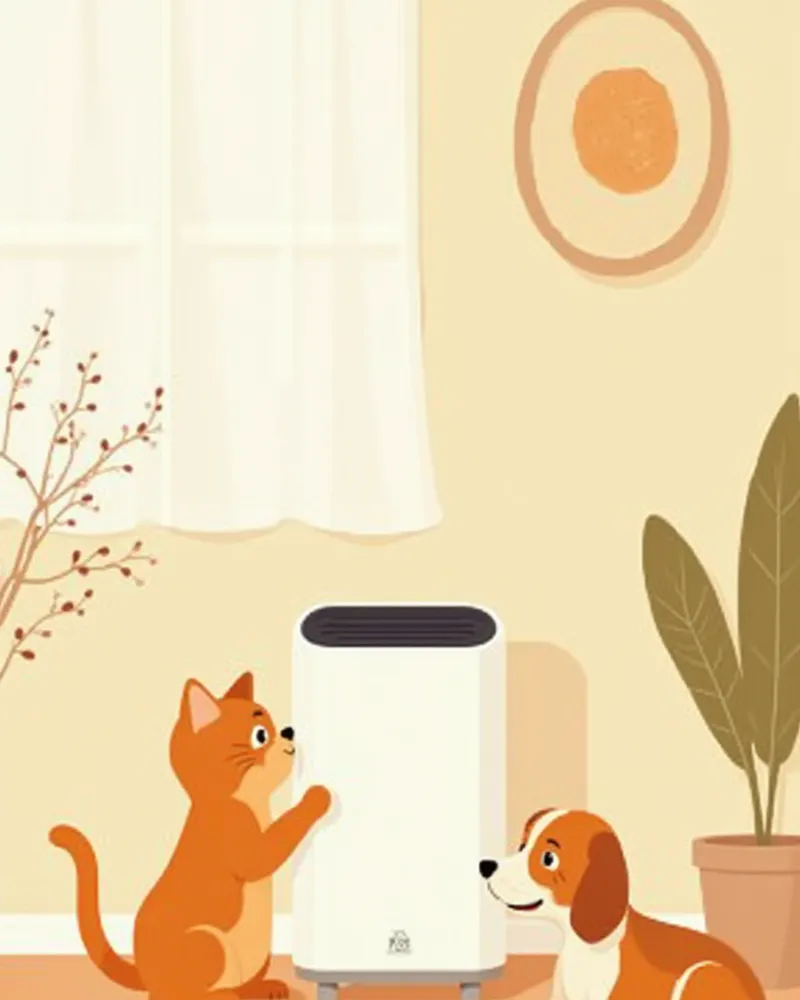
A curious cat and a beagle showing interest in an air purifier

Dust and Hair Management — The Floor Is Most Important

Since pets spend most of their time on the floor, the dust there becomes part of their breathing air. Vacuuming 2–3 times a week with a HEPA-filter vacuum and following up with a damp mop significantly reduces airborne fine dust. Carpets and rugs easily accumulate pet hair and mites, so it’s best to wash or remove them weekly. Fabric items like cushions and blankets should be washed at high temperatures (60°C or above) at least once every two weeks.

Comparison of Air Quality Management Tools

ItemVentilationAir Purifier (HEPA)Humidifier/Dehumidifier
Fine Dust RemovalTrueTrueFalse
Chemical (VOC) RemovalTrueFalseFalse
Mold & Mite SuppressionFalseFalseTrue
Pet Hair & Dander RemovalFalseTrueFalse
Recommended Frequency/Setting2–3 times a day for 5–10 minRun continuously 24 hoursMaintain humidity at 40–60%

Using all three together is the most effective

Humidity Management — Neither Too Dry Nor Too Humid
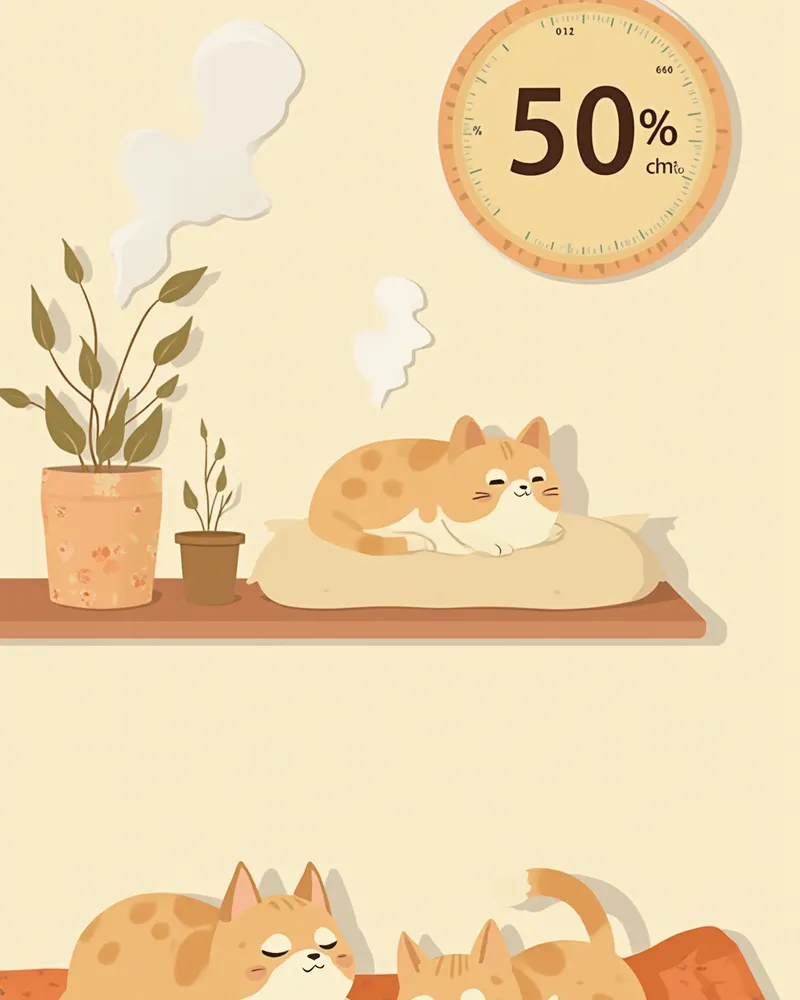
Maintaining a consistent indoor humidity level—neither too dry nor too damp—is important for both pets and people. Excessively dry air can irritate the respiratory mucous membranes, while overly humid conditions create an environment conducive to the growth of mold and dust mites. Use a humidifier in winter and a dehumidifier during the rainy season to keep humidity stable, and place a digital hygrometer in a visible spot to check the levels regularly. Change the water in your humidifier daily and clean the interior with vinegar at least once a week to prevent the dispersal of bacteria.
A cat and dog resting beside a hygrometer and humidifier

Indoor Air Pollutants to Avoid

- Cigarette smoke: Secondhand and thirdhand smoke are common respiratory irritants for dogs and cats, much like dust and pollen. Prolonged exposure increases the risk of respiratory symptoms such as coughing and bronchial irritation, and it can trigger asthma attacks in cats with asthma. Please refrain from smoking in areas where your pets are present. - Diffusers, scented candles, and air fresheners: Certain fragrances from scented candles and air fresheners are known to be irritants that can trigger respiratory attacks in cats with asthma. Avoid using eucalyptus, tea tree, and citrus-based products in spaces where cats are present. If you must use them, ensure the area is well-ventilated. - Smoke and fumes from cooking: Smoke and fumes from overheated pans or coated cookware during cooking can act as inhaled irritants that stimulate your pet’s respiratory system. Always ventilate the area thoroughly after cooking. - Strong detergents and bleach: Always ventilate the area after cleaning, and wipe the floor one more time with clean water.

Pay Special Attention to Brachycephalic Breeds, Senior Cats, and Pets with Bronchial Disease

Brachycephalic breeds such as Pugs, Bulldogs, Shih Tzus, and Pekingese are particularly sensitive to air pollution due to their unique airway anatomy. This also applies to brachycephalic cat breeds like Persians and Himalayans, as well as pets diagnosed with chronic bronchitis or asthma. If you have such pets, it is essential to run an air purifier 24/7, avoid walks on days with poor fine dust levels, and use a humidifier during winter. If your pet's cough persists for more than two weeks, please consult a veterinarian promptly.

Reviewed by a veterinarian

Dr. Tony — Punnawat Phongkittirak

Dr. Tony — Punnawat Phongkittirak

Veterinarian

A veterinarian who majored in veterinary medicine at Khon Kaen University, Thailand, and completed the IVSA program at North Carolina State University in the United States. Drawing on clinical experience at animal hospitals, he works in the pet healthcare field and is dedicated to building a digital care environment that connects pet parents with veterinarians.

Frequently Asked Questions

Is it okay to run the air purifier all day?
Yes, HEPA-type air purifiers are safe for pets even when running 24/7. However, it’s best to avoid ion or ozone-based models, as they can irritate the respiratory system.
How should you walk your dog on days with high levels of fine dust?
If the air quality index is “Poor” or worse, limit walks to 20 minutes or less and wipe your pet’s paws and body with a damp towel after returning home. On “Very Poor” days, we recommend replacing outdoor walks with indoor play.
Is it safe to use diffusers or scented candles in a home with a cat?
Try to avoid them as much as possible. Certain scents, such as those from scented candles and air fresheners, are known to trigger respiratory attacks in cats with asthma. If you must use them, do so in a room where your cat is not present and ensure the area is well-ventilated.
Is a robot vacuum cleaner enough to handle pet hair?
Use your robot vacuum as a supplementary tool, but make sure to thoroughly clean with a HEPA-filtered corded vacuum once or twice a week. Be sure to reach dust hidden under sofas and in corners.
We recently moved to a new home, and our pet is sneezing. What should we do?
It could be sick building syndrome, caused by volatile chemicals like formaldehyde. Ensure good ventilation for at least six months, and repeat bake-out procedures (heating the space followed by thorough ventilation). If symptoms persist, please consult a veterinarian.

Share

Related Guides

References

[1] Small Animal Critical Care Medicine, 3rd Ed — Chapter on Air Conditioning and Ventilation in Critical Care Facilities

[2] Textbook of Respiratory Disease in Dogs and Cats — Environmental Factors in Respiratory Disease

[3] The Cat, Clinical Medicine and Management, 2nd Edition — Environmental Management and Humidity Control

This information is based on veterinary literature and does not replace diagnosis or treatment. Please consult a veterinarian for specific health concerns.

Metapet Co., Ltd. | CEO: Park Sung-yong | Business Reg. No. 417-88-02562 | Seoul, South Korea | Customer Center

Indoor Air Quality for Pets: Purifiers, Ventilation & Dust | Meongsiljang