Like
Share
멍실장
강아지 내부기생충 구충 일정 — 연령·계절별 보호자 완벽 가이드

When and How Often to Deworm Puppies: A Guide to Schedules by Age and Season, and Drug Selection

Infection/ParasitesPreventionMeongsiljang Veterinary Advisory Board

Deworming for internal parasites in puppies should begin at two weeks of age and continue periodically throughout adulthood, tailored to the dog’s age and living environment as an essential preventive measure. This article provides a clear, at-a-glance deworming schedule by life stage.

Why Should Puppies Be Dewormed Regularly?
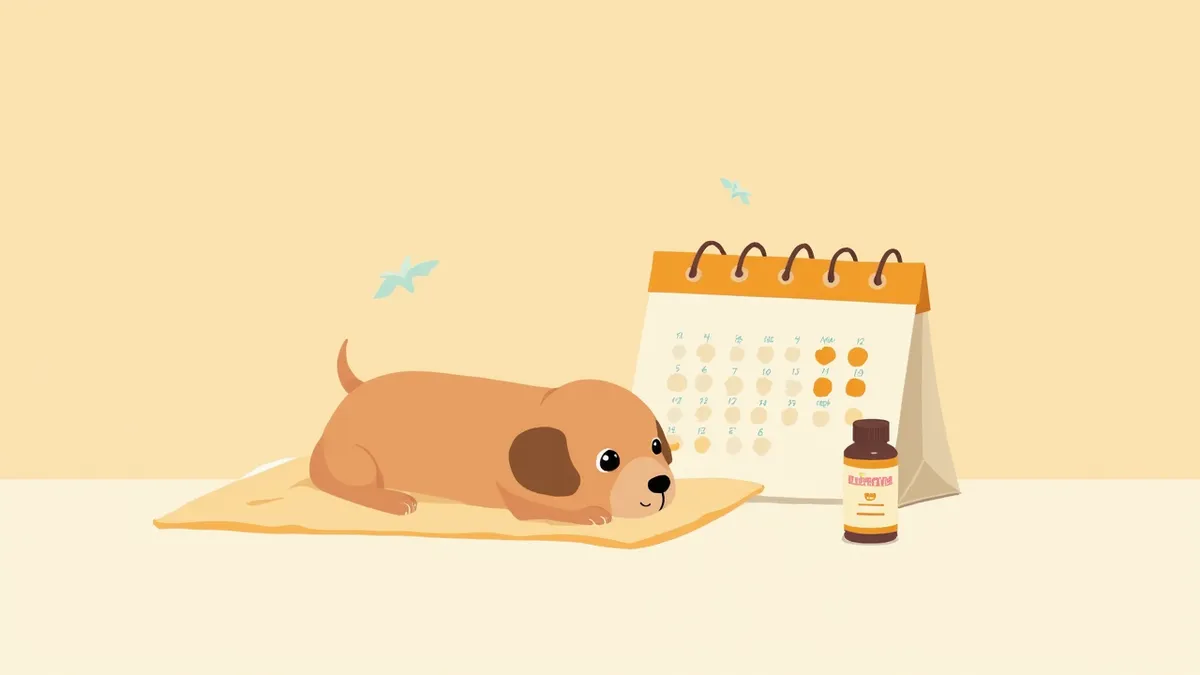
A deworming schedule and deworming medication placed next to a puppy
Regular deworming for dogs helps eliminate intestinal parasites such as roundworms, hookworms, tapeworms, and whipworms, protecting both your dog’s health and that of your family. The key is consistency. Puppies should begin deworming at two weeks of age, with treatments administered every two weeks, while adult dogs should be dewormed at least once every three months or monthly. Since some parasites can be transmitted to humans, households with young children require especially diligent scheduling.

Points to Check Before Deworming

Deworming medications vary in their effectiveness and potential side effects depending on the type. Pregnant or nursing dogs, very young puppies, and dogs suspected of having heartworm infections must be examined by a veterinarian before treatment. Certain breeds, such as Collies and Shetland Sheepdogs, or individual dogs may be more sensitive to specific medications, so it is essential to have a veterinarian carefully assess the risks before prescribing any medication. The safest approach is to confirm the presence of parasites through a fecal exam before administering dewormers. Even after deworming, there is no guarantee that all parasites have been eliminated, so regular fecal exams should be performed alongside deworming treatments.

Deworming Schedule for Puppies (2 Weeks to 6 Months of Age)
Puppies are especially vulnerable to roundworms (Toxocara canis), making prompt deworming essential. Roundworms are a significant pathogen in young dogs, potentially causing stillbirth, neonatal mortality, or chronic growth retardation. - Around 2 weeks of age: Begin the first deworming treatment (targeting roundworms and other intestinal parasites) - At 4, 6, and 8 weeks of age: Administer follow-up treatments at two-week intervals - From 8 weeks to 6 months of age: Deworm once a month - Fecal examination: Perform fecal testing on all puppies, even after deworming, to identify any remaining parasites Deworming does not guarantee the complete elimination of all parasites, and puppies can easily become reinfected by ingesting roundworm eggs from contaminated soil. Therefore, conducting fecal examinations is also important for public health. Because puppies have immature immune systems, parasite burdens can increase rapidly, so it is crucial not to delay the deworming schedule.
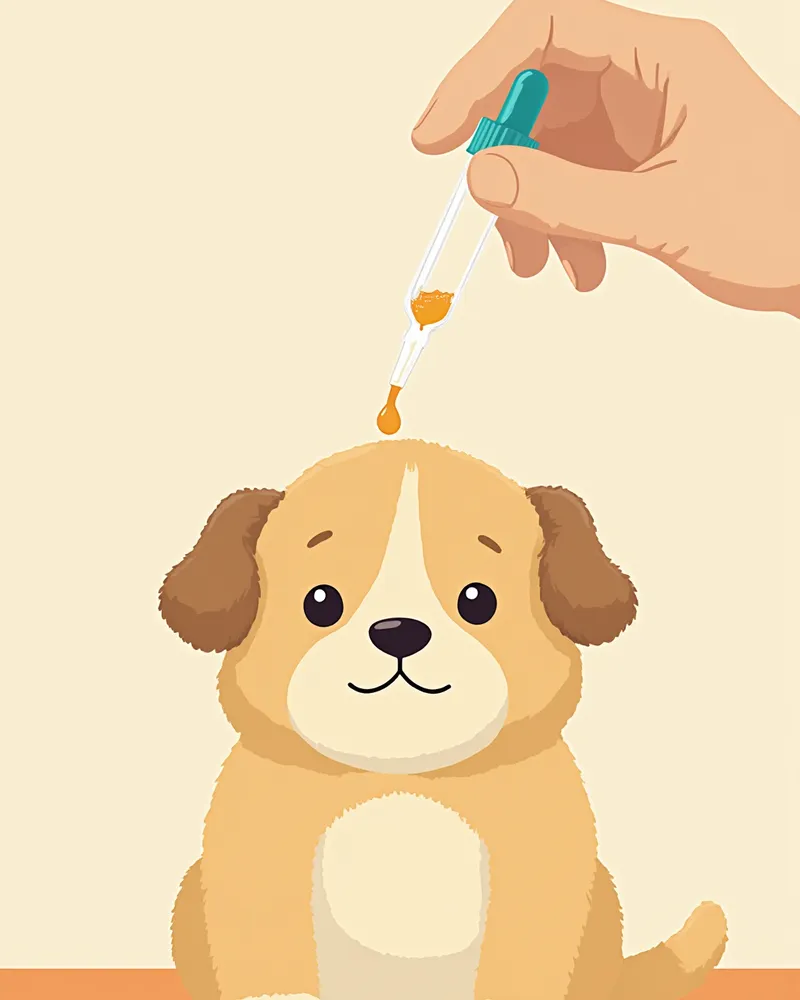
A veterinarian administering deworming syrup to a young puppy.

Deworming Schedule for Adult Dogs (7 Months and Older)

For adult dogs, deworming schedules should be adjusted based on their living environment and diet. - Indoor living, primarily dry food: Once every three months (four times a year) - Outdoor walks, frequent exposure to grass: Once a month - Raw meat or raw food diet: Once a month, plus an additional dewormer targeting tapeworms - Multi-dog households or frequent dog park visits: Monthly deworming is recommended Senior dogs may experience declining kidney and liver function, so veterinarians will reassess the dosage and frequency based on their weight and overall health, even if using the same medication. Fecal examinations are recommended as a baseline once or twice a year.

Main Symptoms by Parasite Type

Knowing the signs of missed deworming can help you take early action. - Roundworms: Distended abdomen, stunted growth, white spaghetti-like worms in vomit or feces - Hookworms: Anemia, pale gums, black tarry stools (melena) - Whipworms: Mucoid diarrhea, weight loss, chronic colitis - Tapeworms: Rice-grain-like segments around the anus, scooting - Heartworms: Coughing, exercise intolerance, difficulty breathing (late stage) If you notice any of these symptoms, consult a veterinarian before attempting home deworming.

Main Types of Deworming Medications and Their Scope of Effectiveness

ItemComprehensive dewormer (all-in-one)Roundworm/hookworm–specificHeartworm preventive
Main ingredientsMilbemycin + praziquantelPyrantel pamoateIvermectin/milbemycin
RoundwormTrueTrueTrue
HookwormTrueTrueTrue
WhipwormTrueFalseFalse
TapewormTrueFalseFalse
HeartwormTrueFalseTrue
Dosing intervalOnce a monthEvery 2 weeks to once a monthOnce a month
Recommended timingRegular use in adult dogsEarly stage in puppiesYear-round (including mosquito-exposure season)

Macrocyclic lactones (ivermectin/milbemycin) are effective against nematodes such as roundworms and hookworms but not against tapeworms, and pyrantel is not effective against whipworms or tapeworms. Ingredients and intervals vary by product, body weight, and health status. The veterinarian's prescription should take priority.

Parasites to Watch for by Season

The risk of parasite exposure varies by season. Here’s a breakdown based on conditions in Korea: - Spring (March–May): As temperatures rise, mosquitoes and ticks become active—be vigilant about vector-borne parasites. - Summer (June–August): Mosquitoes, ticks, and fleas are most prevalent—ensure deworming is administered without fail every month. - Autumn (September–November): Extended outdoor activity increases parasite exposure and detection rates—check your pet after walks. - Winter (December–February): Indoor activity increases—multi-dog households should be cautious of cross-infection. However, heartworm risk cannot be judged by season alone. In fact, danger can persist into late autumn and winter, and climate change allows vectors to survive year-round. Therefore, it is recommended to administer heartworm prevention continuously throughout the year, rather than stopping based on the season. Missing even one month will break the protective effect.
A dog and its owner enjoying a walk through the grassy fields in spring.

Proper Administration of Deworming Medication

To get the most out of deworming medication, proper administration is key. However, even with treatment, it’s not guaranteed that all parasites will be completely eliminated, so regular check-ups are essential. - Timing: Follow the product instructions (if concerned about stomach irritation, give after meals). - Accurate Weight-Based Dosing: Never arbitrarily split a dose meant for a 10kg dog and give it to a 5kg dog. - If Your Pet Refuses Pills: Try chewable tablets or hide the medication in a small treat. - Topical Treatments (Spot-On): Apply directly to the skin between the shoulder blades at the back of the neck. Avoid bathing for a specified period after application. - Keep a Record: Note the date of each dose in a calendar app or notebook. Some medications may have different absorption rates depending on how they’re administered or whether your pet has eaten. Always follow the product instructions or your veterinarian’s guidance first.

Pay Extra Attention to These Puppies

Certain breeds and individual dogs—such as Collies, Australian Shepherds, Shetland Sheepdogs, and Long-haired Whippets—may be more sensitive to specific medications, meaning the risk of side effects can vary even with the same drug. Senior dogs, as well as those with kidney or liver disease, or who are pregnant or nursing, may also find standard doses too taxing. Therefore, it is safest to have your veterinarian conduct an examination and carefully assess the risks before prescribing any medication. If you notice any abnormalities within 24 hours of deworming, such as vomiting, severe lethargy, seizures, or dilated pupils, please take your dog to an animal hospital immediately.

Reviewed by a veterinarian

Dr. Tony — Punnawat Phongkittirak

Dr. Tony — Punnawat Phongkittirak

Veterinarian

A veterinarian who majored in veterinary medicine at Khon Kaen University, Thailand, and completed the IVSA program at North Carolina State University in the United States. Drawing on clinical experience at animal hospitals, he works in the pet healthcare field and is dedicated to building a digital care environment that connects pet parents with veterinarians.

Frequently Asked Questions

Is one round of deworming enough to keep my pet safe for an entire year?
Not exactly. Most dewormers only eliminate parasites present at the time of administration. Since reinfection can occur through walks, food, or the environment, adult dogs should be dewormed quarterly, or monthly if they are highly active.
Should I deworm my pet even if I don’t see worms in their stool?
Yes, that's correct. Eggs of roundworms, whipworms, and hookworms are generally invisible to the naked eye. Since fecal tests cannot detect them with 100% accuracy, regular deworming is the most reliable form of prevention.
Can I give my pet heartworm preventatives and regular dewormers together?
Using products with overlapping ingredients can lead to an overdose. Opting for a comprehensive dewormer that includes heartworm prevention (containing milbemycin) can address all concerns in one go. If you're considering using separate products together, please consult with your veterinarian.
Can it be transmitted to humans?
Yes, some parasites, such as roundworms (Toxocara canis) and hookworms, are zoonotic, meaning they can be transmitted between animals and humans. In households with young children, it is especially important to strictly adhere to the deworming schedule for puppies, wash hands thoroughly after walks, and promptly dispose of feces.
Is it normal to see dead worms in my pet’s stool after deworming?
This is normal. The dead roundworms and whipworms expelled in the stool are a result of the medication’s effect, so you may observe them for 1 to 3 days. However, if this persists for more than 7 days or if live worms continue to appear, it may indicate reinfection or inadequate drug efficacy, and a follow-up veterinary visit is necessary.

Share

Related Guides

References

[1] Principles and Practices of Canine and Feline Clinical Parasitic Diseases, Chapter 22 Deworming

[2] Plumb's Veterinary Drug Handbook, 10th Edition, Anthelmintics Section

[3] Companion Animal Parasite Council (CAPC) Guidelines on Canine Intestinal Parasites

This information is based on veterinary literature and does not replace diagnosis or treatment. Please consult a veterinarian for specific health concerns.

Metapet Co., Ltd. | CEO: Park Sung-yong | Business Reg. No. 417-88-02562 | Seoul, South Korea | Customer Center

Puppy Deworming: Schedule by Age & Season, Plus Meds | Meongsiljang