Like
Share
멍실장
강아지 연간 케어 캘린더 (백신·검진·구충)

The Puppy Annual Care Calendar — Complete Monthly Checklist for Vaccinations, Health Checkups, and Deworming

ImmunityPreventionMeongsiljang Veterinary Advisory Board

The Puppy Annual Care Calendar is a preventive care plan that organizes vaccination, health checkup, and deworming schedules on a yearly basis. By keeping track of it month by month, you can safeguard your pet's health without missing any important steps.

What is the Annual Care Calendar for Dogs?

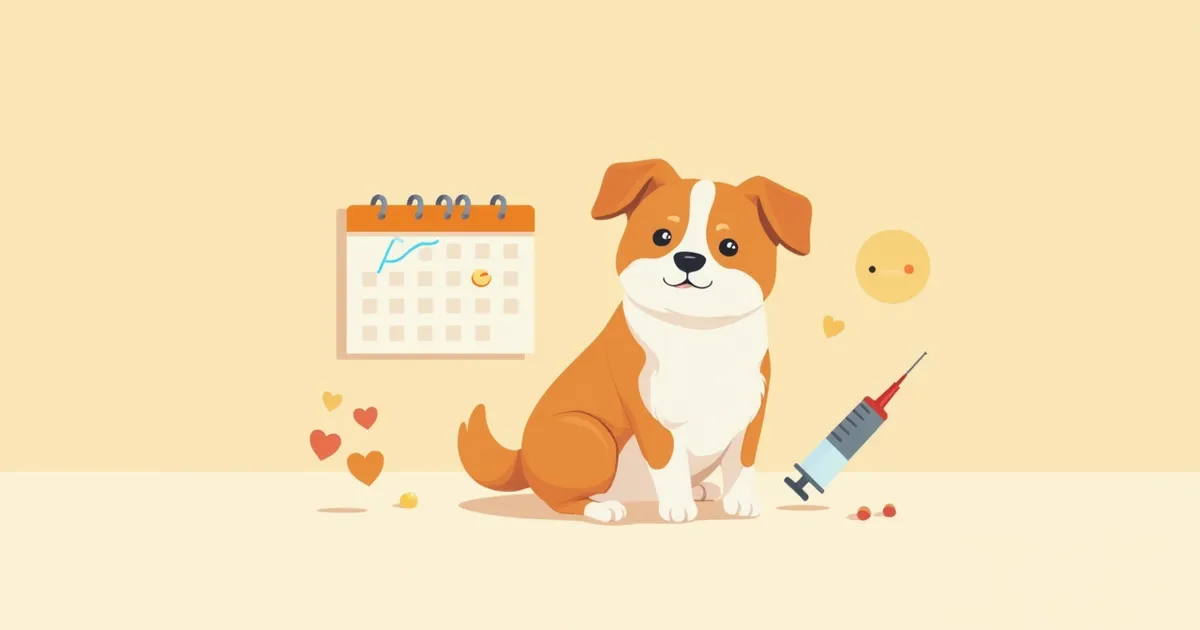
A calendar showing a monthly puppy health care schedule and a dog
The annual care calendar for dogs is a preventive care plan that organizes the timing of vaccinations, health check-ups, and deworming on a yearly basis. The most important thing is not to miss the scheduled times. If you miss a dose of vaccines or heartworm prevention medication, it can create an immunity gap or significantly increase the risk of infection. Knowing the monthly checkpoints in advance allows you to plan your vet visits more effectively and greatly reduces the burden of care for pet owners.

Important Points to Check Before Starting Annual Care

The schedule varies depending on your dog’s age, weight, and whether they have any underlying health conditions. Since vaccination and check-up intervals differ significantly for puppies under one year old, adult dogs, and seniors aged seven and above, please refer to the calendar below as a guideline for adult dogs only. If you’ve recently adopted your dog or their vaccination history is unclear, be sure to consult with your veterinarian before starting any schedule.

Monthly Care Essentials (Monthly)
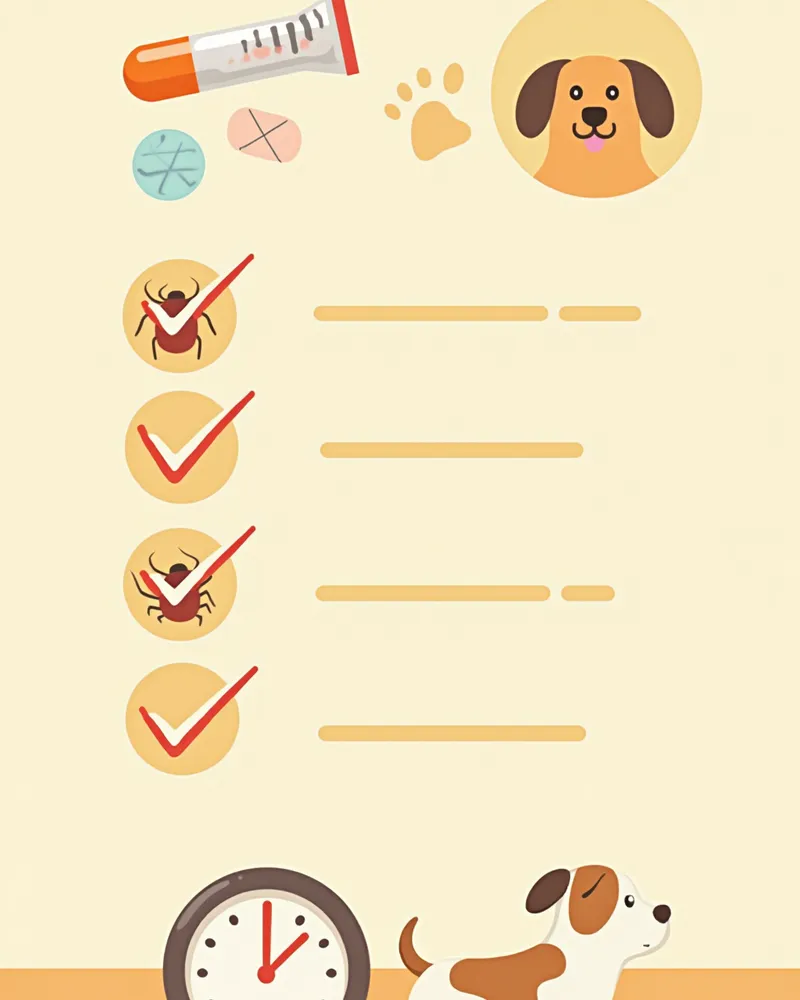
There are three essential items you should never skip each month. These three tasks need to be repeated every month throughout the year.
Heartworm preventive medication: This prevents heartworm disease, which is transmitted through mosquito bites. Administer it on the same date each month.
External parasite preventive medication: This protects against ticks and fleas. Depending on the product, it may be applied monthly or every three months.
Weight and appetite check: Weigh your pet once a month and keep a record. Sudden changes can be a sign of illness.
Monthly heartworm and external parasite prevention medications, along with weight checks

Quarterly Care Essentials (Every 3 Months)

There are also care points to revisit every three months.
Internal deworming: This eliminates intestinal parasites such as roundworms, whipworms, and tapeworms. The standard schedule is once every three months.
Dental scaling check: Examine your pet’s mouth at home for signs of tartar buildup or gum inflammation.
Nail, ear, and anal gland care: Trim nails every two to four weeks, and check the ears and anal glands quarterly, treating them if necessary.
Neglecting these three areas can easily lead to periodontal disease or parasitic infections.

Annual Care Essentials (1–2 Times a Year: Vaccinations and Health Checkups)
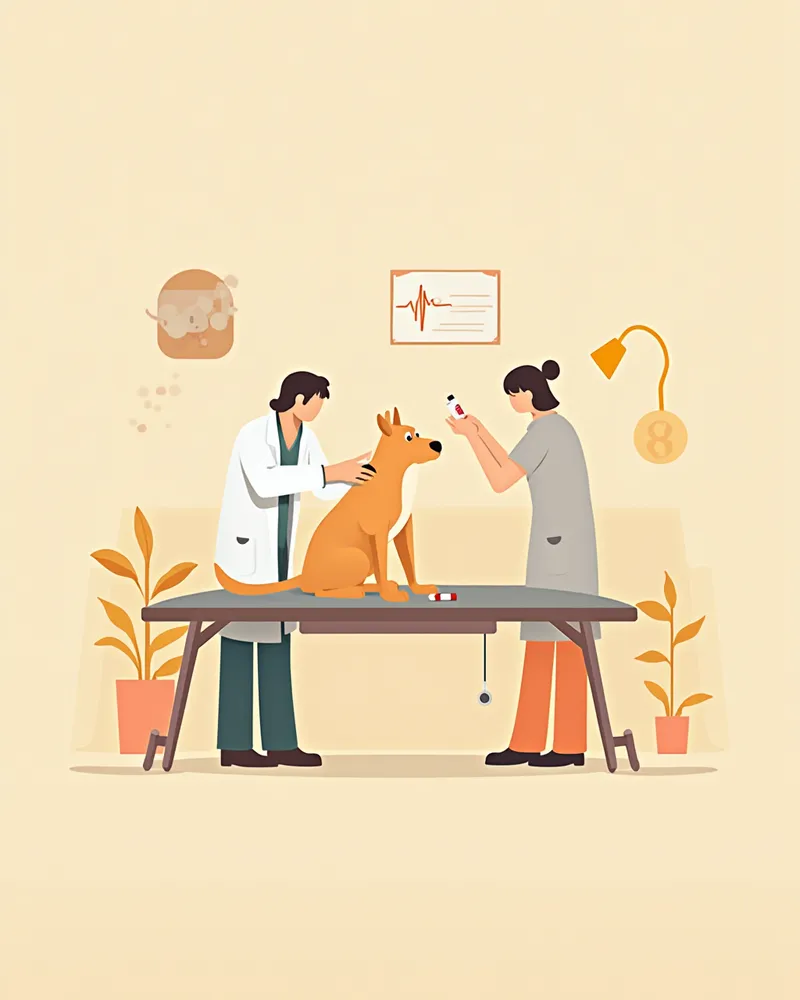
The most important annual events are vaccinations and health checkups.
Core Vaccines (DHPPL) Booster: These are essential vaccines recommended for all dogs, protecting against diseases like distemper and parvovirus. After completing the initial puppy vaccination series, the booster schedule should be determined in consultation with your veterinarian, following established guidelines such as those from WSAVA. The frequency may vary from annually to every few years, depending on the specific vaccine and the individual dog.
Rabies Vaccine: This is a legally required vaccination. It must be administered once every year.
Kennel Cough, Coronavirus, and Parainfluenza Vaccines: These are non-core vaccines, meaning they are not essential for every dog. The decision to vaccinate should be based on your dog’s lifestyle (such as grooming, boarding, or walking frequency) and local disease risks. Please consult with your veterinarian to determine if these are necessary for your pet.
Health Checkups: Adult dogs should have a basic health checkup at least once a year. For senior dogs, we recommend more frequent checkups, as the risk of disease increases with age. Basic tests typically include blood and urine analysis.
A scene of a puppy receiving its annual vaccinations and undergoing a health checkup.

Monthly Annual Care Schedule (Based on Adult Dogs)

ItemJanuaryAprilJulyOctober
Heartworm PreventionMonthlyMonthlyMonthlyMonthly
External Parasites (Ticks, Fleas)MonthlyMonthlyMonthlyMonthly
Internal DewormingTrueTrueTrueTrue
Combination Vaccine BoosterFalseTrueFalseFalse
Rabies VaccineFalseTrueFalseFalse
Health Check-up (Blood, Urine)TrueFalseTrueFalse
Dental CheckFalseTrueFalseTrue

This is an example schedule; the timing of vaccines and check-ups may vary by individual depending on when the puppy's basic vaccination series is completed.

How to Establish a Proper Care Routine

Once you’ve created a calendar, the key is to turn it into a habit. Set recurring reminders on your phone’s calendar, and fix the dates for heartworm and deworming medications to the same day each month (e.g., the 1st) so you won’t forget. Keep all vaccination and check-up records in one notebook or app, and update them every time you visit the clinic. Always consult your veterinarian to determine the appropriate dosage or switch to a new product based on your pet’s weight.
A pet owner who sets up dog care reminders using their smartphone calendar

Additional Precautions by Breed and Age

Because sensitivity to certain medications can vary by breed and individual, your veterinarian should select the appropriate drug after considering your dog’s breed, weight, and overall health. Before receiving a prescription, be sure to inform your vet of your dog’s breed and any past reactions to medications. Puppies under one year of age follow a different “core vaccination schedule” than adult dogs (for example, the rabies vaccine is typically administered after 12 weeks of age), while senior dogs are at increased risk of disease due to aging and therefore benefit from more frequent check-ups. Some medications are restricted during pregnancy and lactation, so always consult your veterinarian before administering any treatment. Please also note that the active ingredients approved and available for purchase in deworming products may vary by region.

Reviewed by a veterinarian

Dr. Tony — Punnawat Phongkittirak

Dr. Tony — Punnawat Phongkittirak

Veterinarian

A veterinarian who majored in veterinary medicine at Khon Kaen University, Thailand, and completed the IVSA program at North Carolina State University in the United States. Drawing on clinical experience at animal hospitals, he works in the pet healthcare field and is dedicated to building a digital care environment that connects pet parents with veterinarians.

Frequently Asked Questions

I missed a month of my dog’s heartworm preventive medication. What should I do?
If the dose is only one to two weeks late, you can administer it immediately and then resume the regular schedule starting next month. However, if there has been a gap of two months or more, you must confirm whether your pet is infected with heartworm through a blood test before restarting the medication. Do not give two doses at once on your own; please consult your veterinarian.
Should I still give my pet heartworm prevention medication during the winter?
Yes, year-round administration is recommended in Korea as well. Due to indoor heating and urban environments, mosquitoes don’t completely disappear even in winter, and skipping just one month can expose your pet to infection risk. Administering the medication consistently on the same date each month is the safest approach.
Can vaccines and deworming medications be administered on the same day?
While adult dogs can typically receive multiple treatments at the same time, it’s safer to space them out if your dog is in poor condition or has a history of allergic reactions. For puppies and senior dogs, veterinarians often recommend separating appointments to minimize physical stress, so be sure to consult with your vet to determine the best schedule.
What basic tests should be included in a routine health checkup?
For adult dogs, the standard checkup includes a blood test (CBC and serum chemistry), urinalysis, and a heartworm test. For senior dogs aged seven and older, we recommend adding an echocardiogram, chest X-rays, and thyroid hormone testing. Since package contents vary by clinic, it’s a good idea to confirm the specific items in advance.
How much should I expect to spend on annual care costs?
The exact cost varies significantly depending on the clinic and the specific products used, so it’s difficult to give a definitive figure. A standard preventive care package typically includes vaccinations, a health check-up, heartworm prevention, external parasite prevention, and internal deworming. For practical budgeting, it’s best to consult with your regular veterinarian early in the year to get a detailed estimate.

Share

Related Guides

References

[1] Ford RB, Larson LJ, et al., 2022 AAHA Canine Vaccination Guidelines, 2022

[2] The Dog Care Handbook, Things I Wish My Vet Had Told Me

[3] Plumb's Veterinary Drug Handbook, 10th Edition

This information is based on veterinary literature and does not replace diagnosis or treatment. Please consult a veterinarian for specific health concerns.

Metapet Co., Ltd. | CEO: Park Sung-yong | Business Reg. No. 417-88-02562 | Seoul, South Korea | Customer Center

Puppy Annual Care Calendar: Vaccines, Checkups & Deworming | Meongsiljang