
Protecting Your Dog’s Liver — Checklist of Medications and Foods to Avoid in Daily Life
Liver damage in dogs often stems from incorrectly administered medications or common household foods. We’ve compiled a list of medications and foods to strictly avoid, along with safe practices for supporting your dog’s liver health.
What Is Protecting Your Dog’s Liver?
Check This Before Prevention
If your dog has ingested a suspected toxic substance or food, please call your veterinarian or a 24-hour emergency clinic before attempting any home treatment. Forcing your dog to vomit can cause esophageal damage or aspiration pneumonia. To help speed up the diagnosis and treatment, prepare the time of ingestion, the amount consumed, and the product name (a photo of the packaging is helpful if available).
Strictly Prohibited — 5 Human Medications
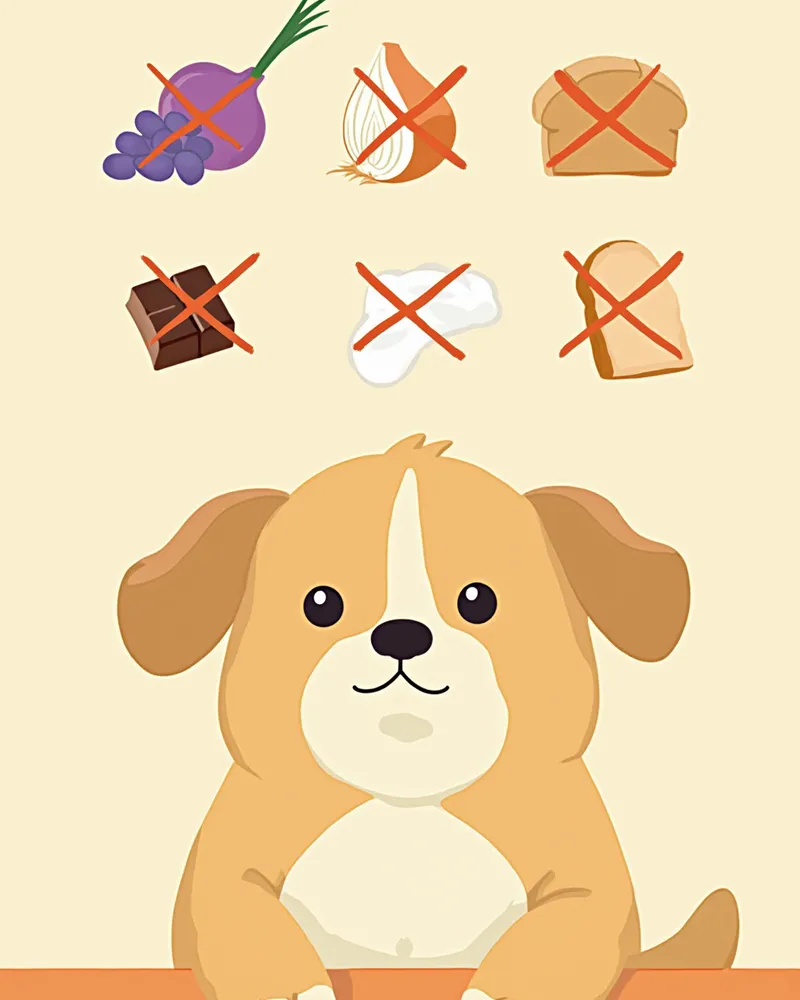
Risky Foods to Keep Away from the Kitchen
Key Hazardous Substances — Priority Actions Upon Exposure
| Item | Risk Level | Minimum Toxic Dose (based on 5kg body weight) | Response |
|---|---|---|---|
| Acetaminophen | Very High | 1 tablet (500mg) | Immediate emergency room |
| Xylitol | Very High | 1–2 pieces of gum | Immediate emergency room |
| Grapes/Raisins | High | 5–6 grapes | Immediate emergency room |
| Ibuprofen | High | 1 tablet (200mg) | Immediate emergency room |
| Onion | Moderate | 20–30g or more | Consult a clinic |
Grapes/raisins cause acute kidney injury, not liver damage, and the figures above are for reference only. Because body weight and individual variation are significant, always consult a veterinarian if exposure is suspected, even below the figures above.
Proper Liver Care — Daily Practice Points
Go to the Emergency Room Immediately If You See These Signs
Liver damage can be tricky to catch early because its initial symptoms are often vague. If you notice any of the following signs, especially if multiple symptoms appear together, treat it as an emergency: - Yellowing of the gums and the whites of the eyes (jaundice) - Sudden loss of appetite accompanied by vomiting - Staring blankly at walls or seizures (possible hepatic encephalopathy) - Dark brown urine and pale gray stools - Abdominal distension (ascites) If these symptoms appear after your pet has ingested a suspected toxic medication or food, it may indicate liver cell damage. Please seek veterinary care immediately.
Regular Checkups — Monitoring Cycle for Liver Health
Reviewed by a veterinarian

Dr. Tony — Punnawat Phongkittirak
VeterinarianA veterinarian who majored in veterinary medicine at Khon Kaen University, Thailand, and completed the IVSA program at North Carolina State University in the United States. Drawing on clinical experience at animal hospitals, he works in the pet healthcare field and is dedicated to building a digital care environment that connects pet parents with veterinarians.
Reviewed 2026-05-05
Frequently Asked Questions
My dog ate one Tylenol pill. Should I induce vomiting?
Can SAMe and silymarin, which are liver supplements, be given as a preventive measure on a regular basis?
Is it okay to feed my pet food that has been left out of the bag for over a month?
Could eating grass while on a walk affect my pet’s liver?
The blood test results show that the ALT level is slightly higher than normal.
Share
Related Guides
Top 7 Low-Protein Diets for Dogs with Liver Disease Recommended by Veterinarians — Protein Adjustment Criteria
7 Key Symptoms and Management Essentials for Canine Cholecystitis Recommended by Veterinarians
Top 5 Milk Thistle (Silymarin) Liver Supplements for Dogs — A Comparison Guide Based on Silybin Content and Absorption Rates
When Your Cat Stops Breathing — CPR Steps to Perform Within the Golden Hour
The Ultimate Guide to Canine Home CPR — Owner Checklist
The Ultimate Guide to Puppy First Aid Kits — Owner Checklist
Early Detection of Feline Cancer — A Guide to Monthly Home Checks
Cat Dental Scaling — A Guide to General Anesthesia Safety and Timing
Age-Specific Routine Health Checkups for Cats — Guide to Senior Cat Examination Items
Kitten Vaccinations — 4-Way vs. 5-Way Combination Vaccines: Which One Should You Choose?
References
[1] Blackwell's Five-Minute Veterinary Consult Clinical Companion, Small Animal Toxicology, 3rd Edition
[2] Clinical Medicine of the Dog and Cat, 4th Ed, Chapter 20 Clinical Toxicology
[3] Trepanier LA. Idiosyncratic drug toxicity affecting the liver, skin, and bone marrow in dogs and cats. Vet Clin North Am Small Anim Pract. 2013;43(5):1055-1066.