
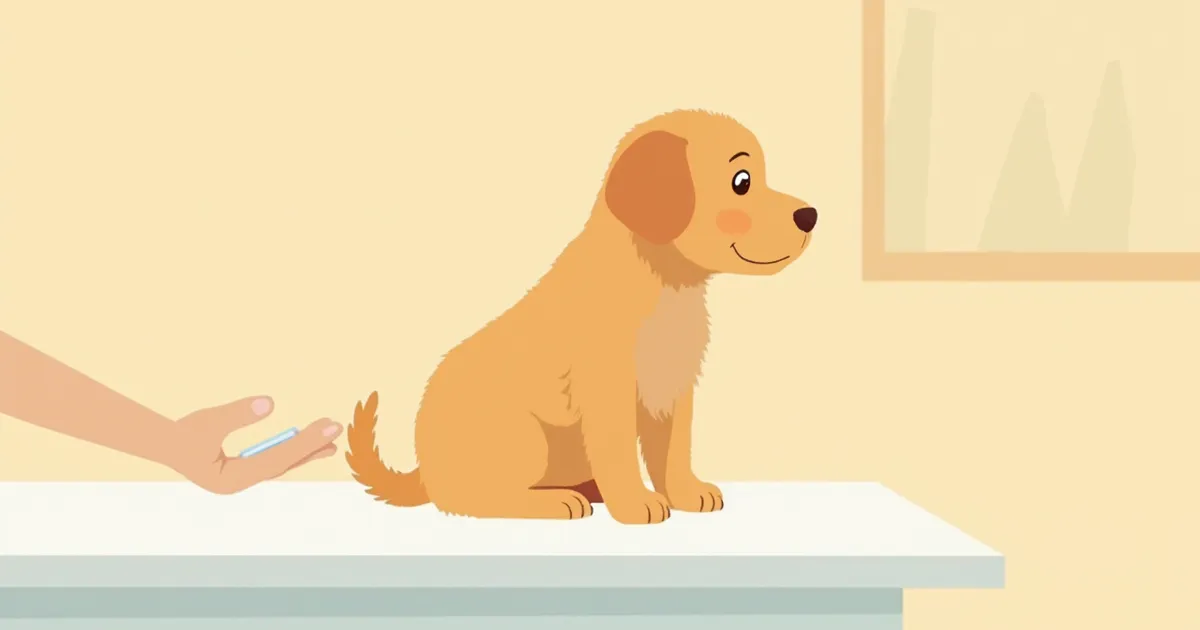
Comprehensive Care Guide for Puppies Aged 6–12 Months
The period from 6 to 12 months is a transitional phase for puppies as they grow into adult dogs. We’ve summarized the key care essentials for this stage, including completing vaccinations, timing neutering, transitioning food, and finalizing socialization.
Why Is the 6–12 Month Period Important for Puppies?

What to Check Before Starting Care
Schedule a comprehensive health checkup at the six-month mark. This visit should include monitoring the growth curve, assessing tooth eruption, palpating the patella and hip joints, performing cardiac auscultation, and conducting basic blood work. These evaluations are essential for determining the precise timing for the next steps, such as neutering and transitioning food. This is especially critical for large-breed dogs, whose growth plates close later; switching to adult dog food too early without a veterinary assessment can adversely affect bone and joint development.
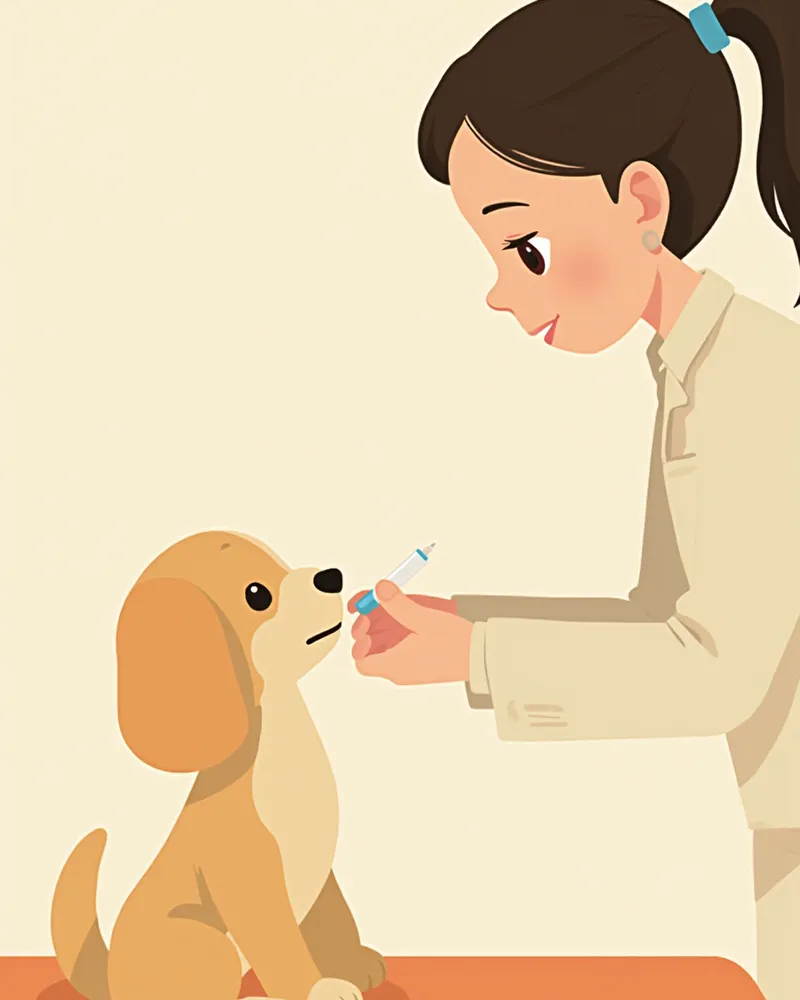
Completing Vaccinations and Booster Schedule
When Is the Right Time for Spaying or Neutering?

Transitioning from Puppy Food to Adult Food: Timing
Comparison of Key Care by Size for 6–12 Months
| Item | Small dogs (~10 kg) | Medium dogs (10–25 kg) | Large dogs (25 kg and up) |
|---|---|---|---|
| Switch to adult food | 10–12 months | Around 12 months | After 18–24 months |
| Recommended neutering time | 6–9 months | 9–12 months | After 12–18 months |
| Daily feeding frequency | 2 times | 2 times | 2–3 times |
| Importance of weight management | Watch for obesity | Watch for obesity | Watch for both rapid growth and obesity |
| Joint supplement consideration | Optional | Optional | Strongly recommended |
Based on veterinary textbooks and clinical guidelines; individual variation is large, so consult your attending veterinarian.
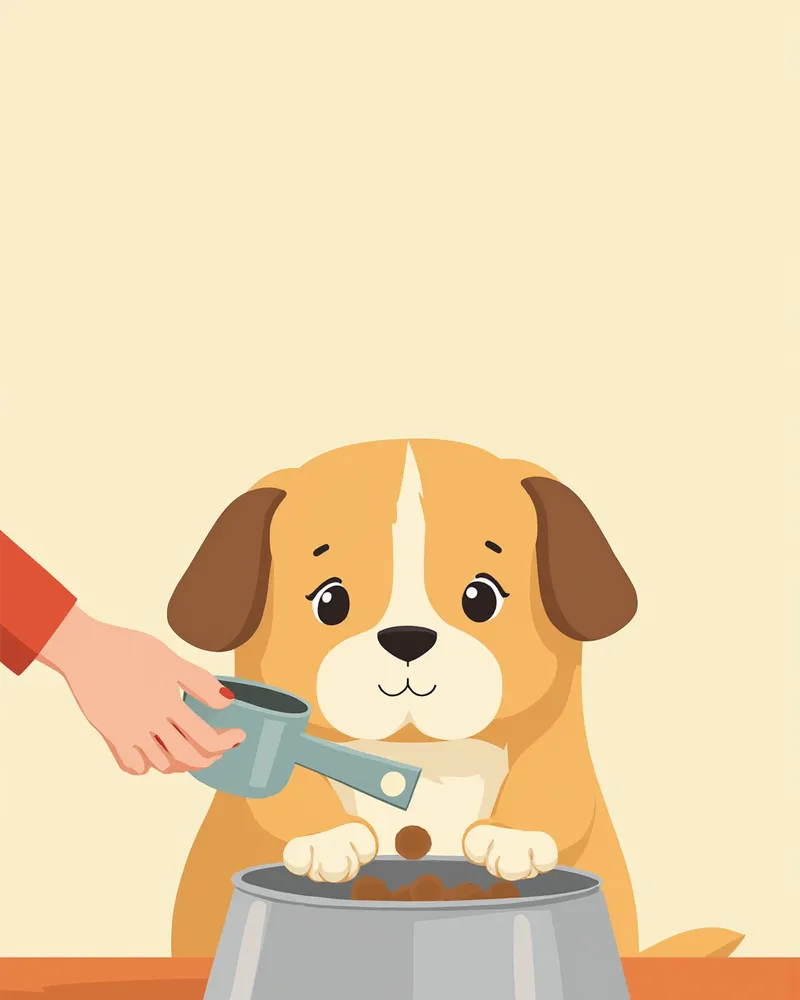
Proper Feeding Amounts and Body Condition Score (BCS) Management
Special Precautions by Breed
Large and giant breeds (such as Labrador Retrievers, Golden Retrievers, and German Shepherds) are at risk of orthopedic conditions like hip dysplasia and osteochondrosis if they consume excessive calcium and calories during their rapid growth phase. Always use puppy food specifically formulated for large breeds. For small breeds (such as Pomeranians and Maltese), consider having them screened for patellar luxation during this period. Brachycephalic breeds (such as French Bulldogs and Pugs) require careful management of their airways and body temperature, while Collie-type breeds should be considered for genetic testing for drug sensitivity.
Key Points for Completing Socialization, Training, and Exercise
Reviewed by a veterinarian

Dr. Tony — Punnawat Phongkittirak
VeterinarianA veterinarian who majored in veterinary medicine at Khon Kaen University, Thailand, and completed the IVSA program at North Carolina State University in the United States. Drawing on clinical experience at animal hospitals, he works in the pet healthcare field and is dedicated to building a digital care environment that connects pet parents with veterinarians.
Reviewed 2026-04-29
Frequently Asked Questions
My dog is six months old and still has baby teeth. Is that normal?
My puppy is 8 months old. Can I switch them straight to adult dog food?
Are there any tests that must be done before neutering?
How much treat can I give my pet at this stage?
When is the best time to start giving joint supplements?
Share
Related Guides

Primary vs. Secondary Veterinary Hospitals: A Comparison

5 Easy-to-Raise Cat Breeds for First-Time Owners — Grooming Difficulty Comparison

Top 7 Short-Legged Dog Breeds

Preventing Spring Allergies (Pollen & Insects)

Why Your Pet’s Skin Gets Dry in Winter: A Complete Guide to Causes and Moisturizing Care

Protecting Senior Dogs’ Kidneys: Regular Check-ups and Dietary Management, Where to Start
Age-Specific Routine Health Checkups for Cats — Guide to Senior Cat Examination Items
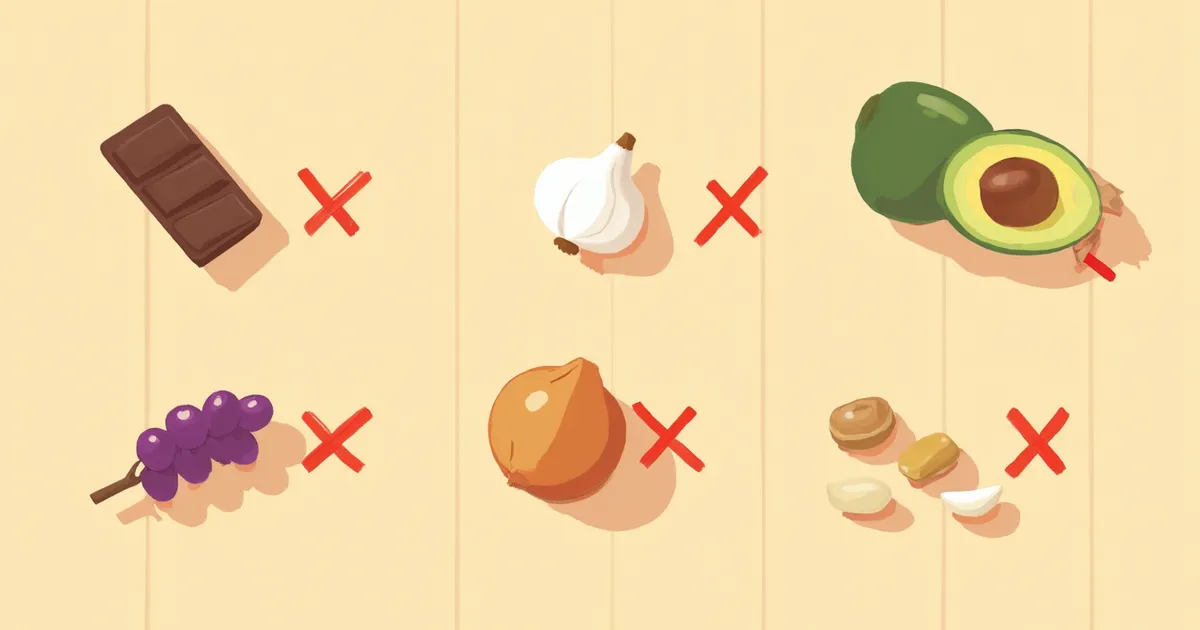
25 Forbidden Dog Foods Warned by Veterinarians — Complete Checklist by Risk Level

Cat Summer Heatstroke — Warning Signs You Must Not Miss and Indoor Temperature Management
Guide to Regular Health Checkup Items and Recommended Timing by Dog Age
References
[1] The Dog Care Handbook, Things I Wish My Vet Had Told Me - Puppy Nutrition and Feeding
[2] Applied Veterinary Clinical Nutrition, 2nd Ed - Growing Dogs and Orthopedic Development
[3] Nutrient Requirements of Dogs and Cats (NRC) - Nutrient Requirements for Growth of Puppies After Weaning
[4] The Veterinary Workbook of Small Animal Clinical Cases - The New Puppy Wellness Examination