

Protecting Senior Dogs’ Kidneys: Regular Check-ups and Dietary Management, Where to Start
For senior dogs aged 7 and older, early detection and dietary management are key to maintaining kidney health. We’ve put together a comprehensive guide covering recommended check-up intervals, kidney-supportive diets, and essential care tips you can implement at home.
Why Start Kidney Care for Senior Dogs Early?
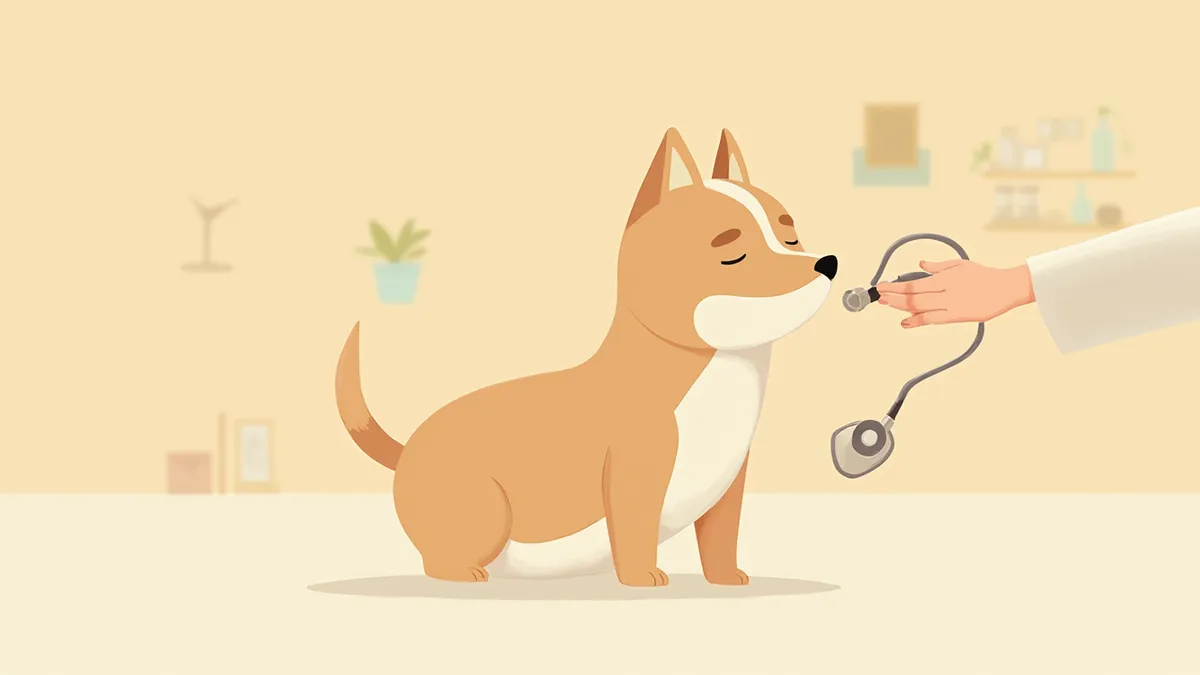
Confirm This Before Starting Check-ups
Before switching to a kidney-support diet, you must first confirm your pet’s current kidney status through blood and urine tests. Kidney-prescription diets, which are restricted in protein and phosphorus, can actually cause nutritional deficiencies in pets with healthy kidneys. After reviewing SDMA, creatinine, BUN, urine specific gravity (USG), and urine protein-to-creatinine ratio (UPC) values, consult your veterinarian to determine the appropriate diet.
Age-Based Regular Check-up Intervals: How to Set Them

Recommended Kidney Screening Intervals by Age and Size
| Item | Small to medium dogs | Large to giant dogs | Test items |
|---|---|---|---|
| Ages 7–9 | Once a year | Twice a year (every 6 months) | Basic blood & urine |
| Ages 10–12 | Twice a year (every 6 months) | 2–3 times a year (every 4–6 months) | Blood & urine + SDMA + blood pressure |
| Ages 13+ | Every 3–4 months | Every 3 months | Blood & urine + SDMA + blood pressure + abdominal ultrasound |
| Already borderline kidney values | Every 3 months | Every 2–3 months | All items + UPC |
To compare trends in values over time, it's important to measure consistently at the same laboratory
Key Points of Kidney-Supportive Dietary Management

Key Nutrients That Support Kidney Health
오메가-3(EPA·DHA)
신장 사구체 염증 완화·진행 지연
Dosage: 체중에 맞춰 수의사 처방
수의내과학 교과서 권장
고품질 동물성 단백질
근육 손실 방지·필수 아미노산 공급
Dosage: 수의사 지시 범위 내
비타민 B군
수용성으로 소변 배출돼 보충 필요
Dosage: 처방식에 보통 포함
인(Phosphorus)
과도하면 신장 부담 — 제한 대상
Dosage: 신장 단계에 따라 제한
고염분(나트륨)
혈압 상승·신장 부담
Dosage: 최소화
Daily Care Points to Monitor at Home

If You See These Signs, Go to the Clinic Immediately Regardless of Check-up Schedule
There are warning signs that mean you shouldn’t wait for your scheduled check-up but should visit the clinic right away. - A sudden, significant increase in water intake and urine output (polydipsia and polyuria) - Loss of appetite lasting more than 24 hours, accompanied by lethargy - Repeated vomiting or an ammonia-like odor from the mouth (uremic halitosis) - Noticeable weight loss within 1–2 weeks or rapid muscle wasting - Pale gums and rapid breathing (which may indicate anemia) Pay special attention if your dog is a breed more frequently reported to have abnormal kidney values, such as the Shetland Sheepdog, Yorkshire Terrier, Pomeranian, Boxer, or Golden Retriever.
Reviewed by a veterinarian

Dr. Tony — Punnawat Phongkittirak
VeterinarianA veterinarian who majored in veterinary medicine at Khon Kaen University, Thailand, and completed the IVSA program at North Carolina State University in the United States. Drawing on clinical experience at animal hospitals, he works in the pet healthcare field and is dedicated to building a digital care environment that connects pet parents with veterinarians.
Reviewed 2026-05-05
Frequently Asked Questions
Do senior dogs need to stay on a kidney prescription diet for the rest of their lives?
Is it okay to feed a healthy 7-year-old dog a kidney prescription diet in advance?
How long does it take for omega-3 supplements to start showing effects?
What should I do if my senior dog doesn’t drink enough water?
What is SDMA, and is it necessary to test for it?
Share
Related Guides

Top 5 Prescription Diets for Cats with Chronic Kidney Disease — Stage-Specific Protein Adjustment

7 Emergency Signs and Causes of Acute Kidney Failure in Dogs You Must Not Miss

Top 5 Cat Kidney Supplements Recommended for 2026

Symptoms and Prevention Management Guide for Dog and Cat Pollen Allergies

Preventing Skin Eczema During the Rainy Season

Seasonal Transition Pet Immunity & Respiratory Health — Which Comes First, Nutrition or Environmental Management?

Indoor Warmth vs. Winter Walks — How to Prevent Hypothermia and Frostbite in Pets

Is It Dangerous to Walk Your Dog in the Summer Heat? — A Complete Guide to Heatstroke Prevention and Emergency Response

Heartworm Testing Methods and Treatment Process for Positive Results

Kitten Care Checklist by Age: The Complete 0–12 Month Guide
References
[1] National Research Council, Nutrient Requirements of Dogs and Cats, Chapter on Geriatric Nutrition, 2006
[2] Fascetti AJ, Delaney SJ, Applied Veterinary Clinical Nutrition 2nd Edition, Chapter on Nutrition for Aging Dogs and Cats, 2024
[3] International Renal Interest Society (IRIS), Staging and Management Guidelines for CKD in Dogs, 2023
[4] Polzin DJ, Chronic Kidney Disease in Small Animal Practice, Veterinary Clinics of North America, 2011