

Cat Health Care at 1–3 Years: Complete Guide to Diet, Weight, and Vaccination Schedules
Cats aged 1 to 3 years are in the early adult stage, a critical period when preventive vaccinations, weight management, and dental care lay the foundation for lifelong health. Here are five essential care points to keep in mind.
Why Is Care Important for Adult Cats Aged 1–3?

Essential Checks Before Starting Care
Before starting care for an adult cat, you should first check its current weight, body condition score (BCS), and basic vaccination history. If the cat was rescued from the streets or its vaccination history is uncertain, it’s safer to consult with a veterinarian for testing rather than administering vaccinations arbitrarily. If there are underlying health conditions, any changes to supplements or diet should be made only after consulting with a veterinarian.
5 Key Care Points
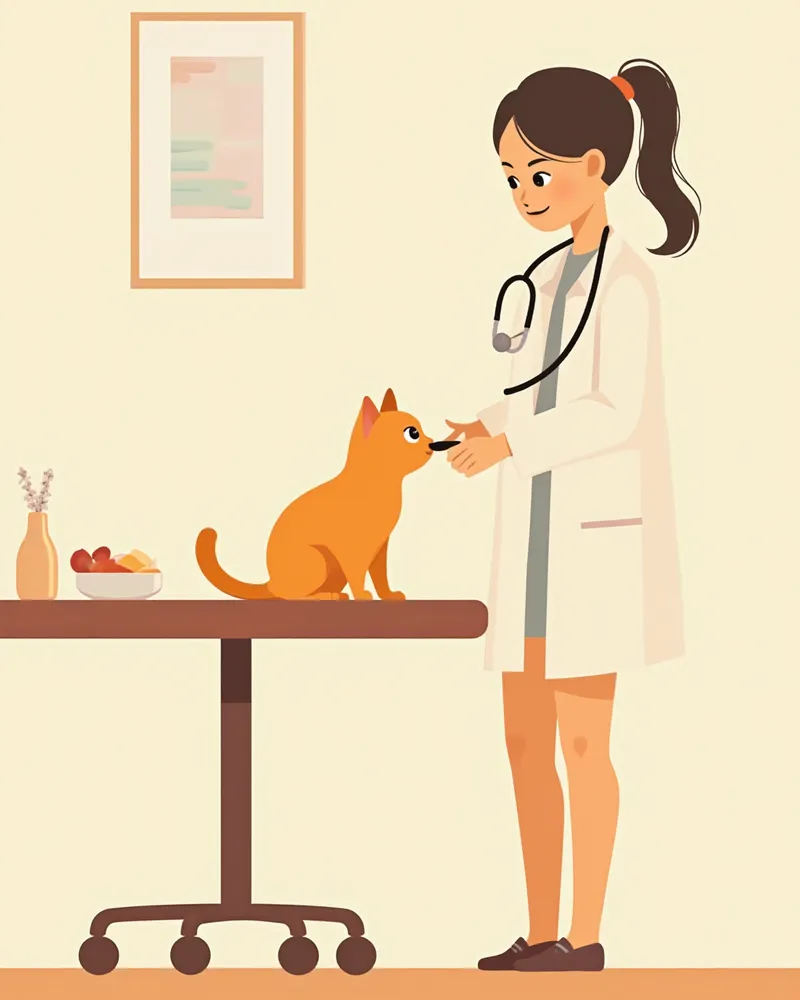
Essential Vaccination Schedule
Comparison of Major Vaccines for Adult Cats
| Item | Combination vaccine (FVRCP) | Rabies | Leukemia (FeLV) |
|---|---|---|---|
| Target | All cats | Outdoor-access cats / mandatory regions | Outdoor cats / multi-cat environments |
| Vaccination interval | 1-3 years | 1 year | 1 year |
| Required for indoor cats | Required | Check local ordinances | Optional |
| Key preventable disease | Panleukopenia | Rabies | Feline leukemia |
The exact schedule and necessity should be decided after consulting a veterinarian
Principles of Weight and Diet Management

Dental Care and Health Checkups
Breed-Specific Precautions
Certain breeds should be considered for genetic disease screening starting at 1 to 3 years of age. Maine Coons and Ragdolls are recommended for echocardiographic screening for hypertrophic cardiomyopathy (HCM), Persians and Himalayans for genetic and ultrasound testing for polycystic kidney disease (PKD), and Scottish Folds for joint abnormality checks. For purebred cats, it is advisable to have a baseline cardiac ultrasound performed once between the ages of 1 and 2 years for safety.
Reviewed by a veterinarian

Dr. Tony — Punnawat Phongkittirak
VeterinarianA veterinarian who majored in veterinary medicine at Khon Kaen University, Thailand, and completed the IVSA program at North Carolina State University in the United States. Drawing on clinical experience at animal hospitals, he works in the pet healthcare field and is dedicated to building a digital care environment that connects pet parents with veterinarians.
Reviewed 2026-04-29
Frequently Asked Questions
My cat stays indoors. Is vaccination really necessary?
Do I need to change my cat’s food once it reaches adulthood?
Should I get my pet spayed or neutered now, even though it hasn’t been done yet?
What tests should be included in a health checkup?
Has my cat become less active? Could it be due to age?
Share
Related Guides

Primary vs. Secondary Veterinary Hospitals: A Comparison

5 Easy-to-Raise Cat Breeds for First-Time Owners — Grooming Difficulty Comparison

Top 7 Short-Legged Dog Breeds

The Ultimate Seasonal Health Care Guide for Cats — Owner Checklist

The Ultimate Guide to Seasonal Health Care for Dogs — Owner Checklist

Cat First-Aid Kit: A Complete Guide to Essential Items

The Ultimate Guide to Puppy First Aid Kits — Owner Checklist

The Ultimate Guide to Cat Health Checkup Schedules and Items — Owner Checklist

The Ultimate Guide to Dog Health Check-up Schedules and Items — Owner Checklist

How Many Litter Boxes for Cats? — FLUTD Prevention, Environment and Stress Management
References
[1] August's Consultations in Feline Internal Medicine, Volume 7
[2] AAFP Feline Vaccination Advisory Panel Report, 2020
[3] Nutrient Requirements of Dogs and Cats, National Research Council