
Is It Dangerous to Walk Your Dog in the Summer Heat? — A Complete Guide to Heatstroke Prevention and Emergency Response
We’ve put together an easy-to-read guide on keeping your dog cool and hydrated during the summer, including safe walking times and tips for preventing heatstroke. Be sure to check the breed-specific precautions as well.
What Is Summer Heat Management for Dogs?
What to Check Before Summer Care
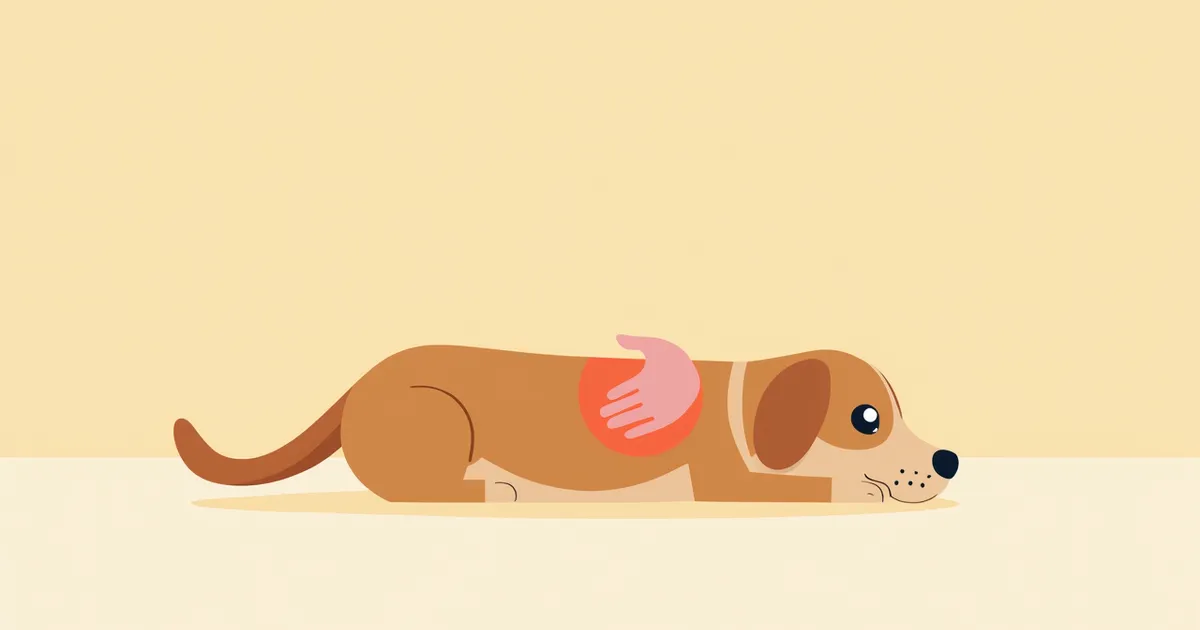
If the back of your hand can’t stay on the asphalt for five seconds because it’s too hot, your dog’s paw pads could get burned, too. Also, once a dog’s body temperature exceeds 41°C, it’s already in the heatstroke danger zone and needs immediate action. Brachycephalic breeds (Pugs, Bulldogs, French Bulldogs), senior dogs, overweight dogs, and dogs with heart disease are at higher risk because their airways are narrower or they struggle to dissipate heat, so heatstroke can develop faster than in other dogs. If your dog fits any of these categories, it’s safest to minimize outdoor time throughout the summer and always provide indoor air conditioning.
Managing Safe Summer Walk Times

The Formula for Summer Hydration
Indoor Cooling and Environmental Management
Step-by-Step Comparison of Summer Danger Signs
| Item | Early warning | Moderate heatstroke | Emergency |
|---|---|---|---|
| Breathing | Panting faster than usual | Tongue out, harsh panting | Respiratory distress/bluish gums |
| Body temperature | 39.5–40°C | 40–41°C | 41°C or above |
| Behavior | Limp and lethargic | Drooling heavily/staggering | Seizures/reduced consciousness |
| Response | Provide shade/water | Wet the body with lukewarm water | Go to the clinic immediately |
A body temperature of 41°C or above is a minute-by-minute emergency.
Initial Response Steps for Heatstroke
Special Precautions for Brachycephalic Breeds and Senior Dogs
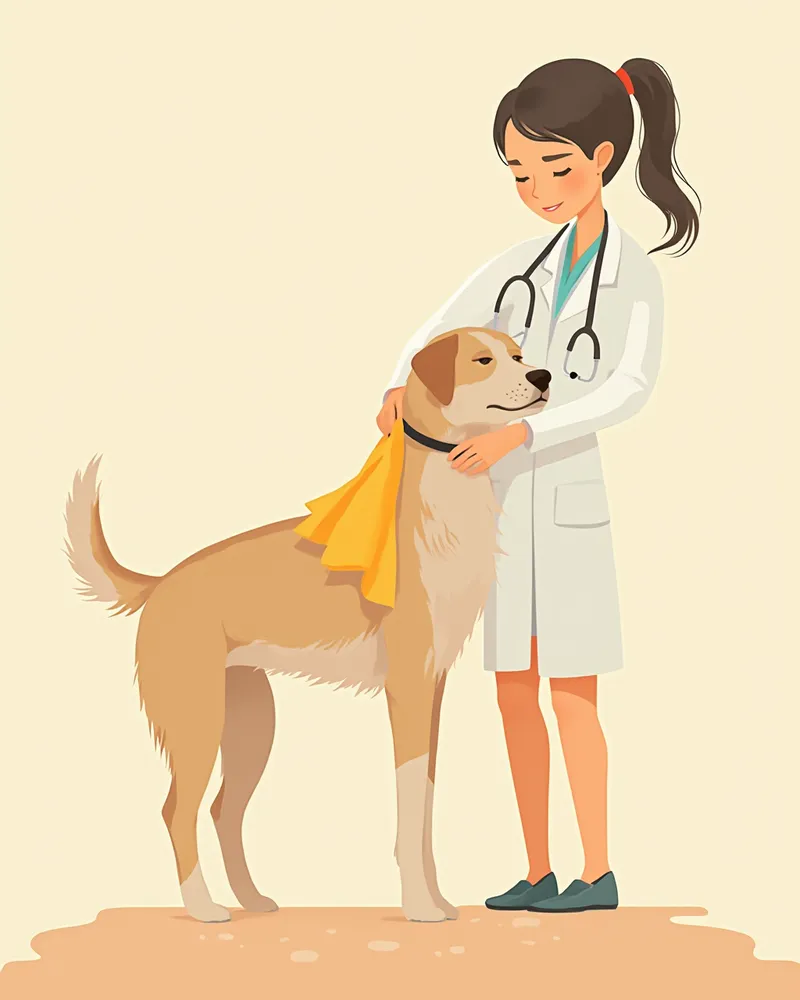
Brachycephalic breeds such as Pugs, Bulldogs, French Bulldogs, and Shih Tzus are particularly vulnerable to heat due to their shortened snouts and airway anatomy. Conditions like narrowed nostrils or an elongated soft palate can easily obstruct airflow, making it difficult for them to dissipate body heat. As a result, they are at risk of respiratory distress during hot weather. For their safety, minimize outdoor walks in the summer and opt for indoor play in air-conditioned environments instead. Senior dogs aged seven years and older, as well as those with heart disease or obesity, are also highly susceptible to heat stress and should be managed with the same precautions. Additionally, dogs with pre-existing medical conditions may struggle even more with thermoregulation, so please consult your veterinarian to develop a tailored summer care plan.
Reviewed by a veterinarian

Dr. Tony — Punnawat Phongkittirak
VeterinarianA veterinarian who majored in veterinary medicine at Khon Kaen University, Thailand, and completed the IVSA program at North Carolina State University in the United States. Drawing on clinical experience at animal hospitals, he works in the pet healthcare field and is dedicated to building a digital care environment that connects pet parents with veterinarians.
Reviewed 2026-04-19
Frequently Asked Questions
Can I give my dog ice to eat?
Is it better to shave my pet's coat very short in the summer?
Do cooling vests and cooling mats actually work?
Can I give my dog a cold shower right after a walk when their body is still hot?
Should I reduce my pet’s food intake during the summer?
Share
Related Guides

My Senior Cat Won’t Eat — A Complete Guide to Choosing Food for Cats with Weak Digestion

Top 5 Prescription Diets for Feline Pancreatitis Recommended by Veterinarians — Low-Fat, Highly Digestible Food Guide

Royal Canin vs Hill’s vs Purina vs Orijen — Which Brand Is Right for Your Pet, According to Veterinarians?
The Ultimate Guide to Senior Dog Health Management — Owner Checklist

Dog Flea Prevention and Treatment — A Guide to Environmental Disinfection and Medication Selection

Feline Diabetes Prevention — Key Guide to Weight Management and Avoiding High-Carbohydrate Diets

Senior Cat Health Care Guide: Health Checklist for Cats Aged 7 and Older

Types of Dog Tick Preventatives and Recommendations

When Your Cat Stops Breathing — CPR Steps to Perform Within the Golden Hour
The Ultimate Guide to Canine Home CPR — Owner Checklist
References
[1] Ettinger SJ, Feldman EC, Cote E. Textbook of Veterinary Internal Medicine, 8th ed. Heatstroke and Hyperthermia Chapter
[2] Bruchim Y et al., Heat Stroke in Dogs: A Retrospective Study of 54 Cases, Journal of Veterinary Internal Medicine, 2006
[3] BSAVA Manual of Canine and Feline Emergency and Critical Care, 3rd ed.