Like
Share
멍실장
고양이 건강검진 주기와 항목 완벽 가이드 — 보호자 체크리스트

The Ultimate Guide to Cat Health Checkup Schedules and Items — Owner Checklist

Lifestyle & Age CarePreventionMeongsiljang Veterinary Advisory Board

Cats are masters at hiding their pain. We’ve put together a checklist of age-specific checkup schedules—from kittens to seniors—along with key tests like blood work, urinalysis, and ultrasounds.

Why Cat Health Checkups Are Important
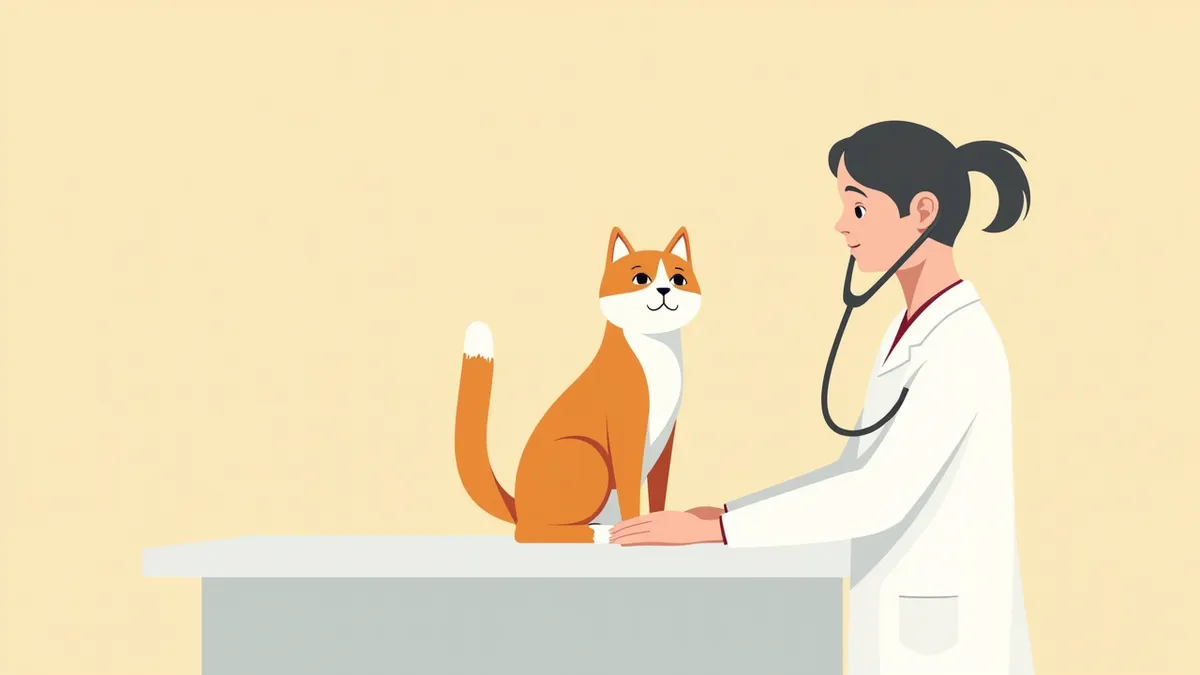
A veterinarian conducting a health check-up on a cat.
Feline health screenings are routine medical exams designed to detect hidden diseases early, increasing the chances of successful treatment. The most critical factor to remember is that cats rarely show signs of illness. Due to their wild instincts, they have a strong tendency to mask pain and discomfort, so by the time owners notice something is wrong, the disease has often progressed significantly. Regular check-ups are the most reliable way to compensate for this natural feline behavior.

Things to Check Before a Health Checkup

On the day of the checkup, your pet needs to fast for at least 4–6 hours, as blood test results can vary depending on whether they’ve eaten. However, water is fine. To help reduce stress at the clinic, get your pet accustomed to the carrier by leaving it open at home. Also, bring any previous checkup records and a list of current medications and supplements so the veterinarian can make a more accurate assessment.

Recommended Health Checkup Frequency by Age

Kittens (under 1 year old): Visit the clinic regularly according to the vaccination and deworming schedule, and have a physical examination at each visit to prevent and detect diseases early.
Adult cats (1–6 years old): Even without specific symptoms, it is essential to have a comprehensive checkup at least once a year. This allows for regular monitoring of changes that may not be outwardly visible.
Middle-aged to senior cats (7–10 years old): As the risk of disease increases during this stage, checkups including diagnostic tests such as blood work and blood pressure measurements are recommended at least once a year. These results serve as a baseline for comparing future changes.
Senior cats (10 years and older): Because health status needs to be monitored more frequently, checkups are recommended twice a year (approximately every six months). Adjust the frequency in consultation with your veterinarian based on your cat’s health condition.
Guidelines for age-specific health check-up schedules for cats, from kittens to seniors

Basic Health Checkup Item Checklist

Physical Examination: The veterinarian checks your pet’s overall condition by measuring weight and temperature, listening to heart and lung sounds, and palpating lymph nodes.
Complete Blood Count (CBC): This test measures blood cell levels to check for anemia, inflammation, or infection.
Blood Chemistry Panel: This evaluates kidney, liver, and pancreatic function, as well as blood sugar and electrolyte levels.
Urinalysis: An essential test for assessing kidney function and urinary tract health.
Oral Examination: Because tartar buildup, periodontal disease, and stomatitis are very common in cats, we check the mouth at every visit.

Advanced Screening Items to Check for Cats Aged 7 and Older
Thyroid function test (T4): This test helps detect hyperthyroidism, a common condition in senior cats, at an early stage.
Blood pressure measurement: Blood pressure often rises in cats with kidney disease or thyroid issues, so we check it alongside other tests.
Abdominal ultrasound: This allows us to visually assess the size, shape, and internal structure of abdominal organs, as well as identify any abnormalities.
Chest X-ray: This provides a clear view of heart size and lung condition.
Viral infection screening (FIV/FeLV): Testing for Feline Immunodeficiency Virus and Feline Leukemia Virus is essential for newly adopted cats or those with a history of outdoor exposure.
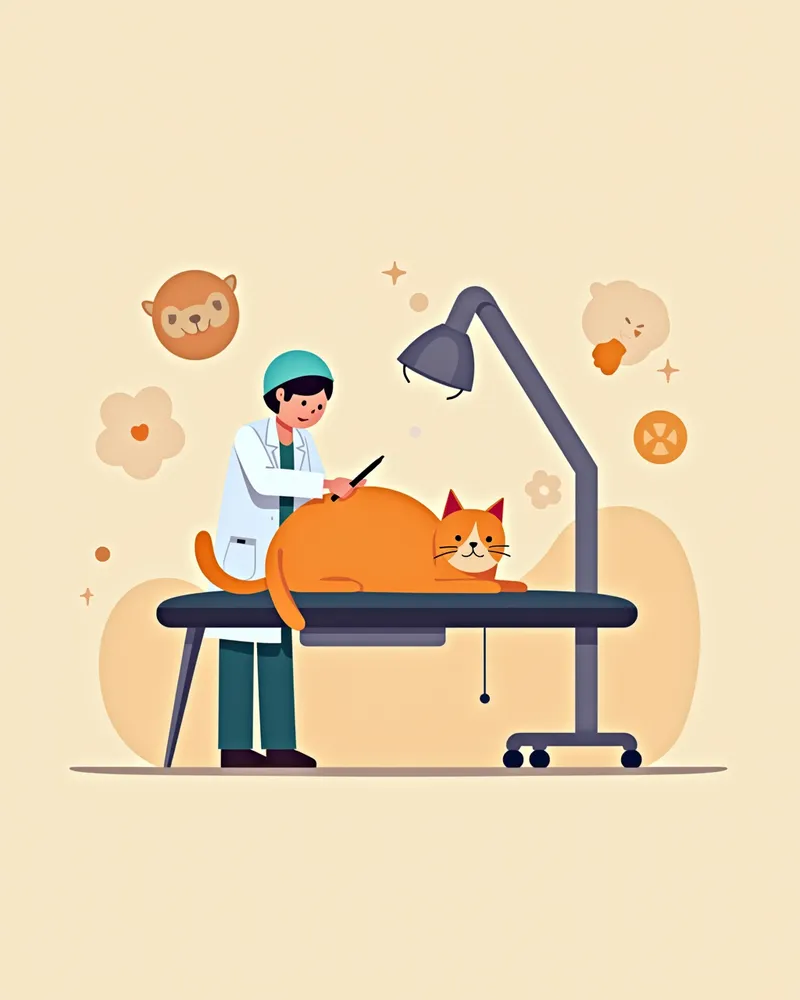
An in-depth abdominal ultrasound examination for a senior cat

Comparison of Recommended Screening Items by Age at a Glance

ItemUnder 1 year1–7 years7+ years10+ years
Physical examination
Blood test (CBC)
Blood chemistry test
UrinalysisIf needed
Thyroid test (T4)Optional
Blood pressure measurementOptional
Abdominal ultrasoundOptional
Chest X-rayOptional

Adjust the items in consultation with your veterinarian according to age and health condition.

Health Checkup Costs and Preparation

While basic physical exam and blood test packages vary by clinic, they typically cost between $40 to $70. Adding imaging tests such as ultrasounds or X-rays can raise the total to $100 or more. If you have pet insurance, you may be able to receive partial coverage for checkup costs, so it’s a good idea to review your policy details first. Bringing a urine sample on the day of the visit (collected within 2–4 hours) can help reduce the need for additional trips.
A pet owner preparing to visit the vet by placing their cat in a carrier

Symptoms Requiring an Immediate Vet Visit Regardless of Checkup Schedule

Even if it’s not time for a routine checkup, you should visit the vet immediately if you notice any of the following symptoms: vomiting or diarrhea occurring three or more times a day, not eating for over 24 hours, frequent attempts to urinate with little or no urine output, sudden weakness in the hind legs, or open-mouthed labored breathing. In particular, urinary obstruction can become life-threatening within hours.

Reviewed by a veterinarian

Dr. Tony — Punnawat Phongkittirak

Dr. Tony — Punnawat Phongkittirak

Veterinarian

A veterinarian who majored in veterinary medicine at Khon Kaen University, Thailand, and completed the IVSA program at North Carolina State University in the United States. Drawing on clinical experience at animal hospitals, he works in the pet healthcare field and is dedicated to building a digital care environment that connects pet parents with veterinarians.

Frequently Asked Questions

At what age should a cat start having health check-ups?
It’s best to start as soon as your cat is adopted, regardless of age. Kittens should have a physical exam during each vaccination visit, and adult cats should have regular check-ups at least once a year.
Is a health check-up really necessary for cats that live indoors only?
Regular check-ups are essential. Even indoor cats can develop various health issues, such as kidney disease, diabetes, hyperthyroidism, and periodontal disease. Regardless of whether your cat goes outdoors, routine veterinary exams are a must.
How is a cat blood test performed?
A small amount of blood is typically drawn from a vein in the front leg or neck. The procedure usually takes just 1 to 2 minutes and is performed without anesthesia. Results are often available the same day or the next day.
Can I collect a urine sample at home?
Yes, it’s possible. You can temporarily replace the litter with a non-absorbent material (such as plastic pellets) to collect the urine. Please bring the sample to the clinic within 2–4 hours of collection.
If all the check-up results are normal, can I rest assured until the next check-up?
To some extent, yes. However, a cat’s condition can change suddenly even between check-ups. It’s important to regularly monitor your cat’s appetite, water intake, litter box habits, and any changes in behavior. If you notice anything unusual, it’s best to visit the vet right away, regardless of your scheduled check-up date.

Share

Related Guides

References

[1] Ettinger, S.J., Feldman, E.C., Côté, E. (Eds.), Textbook of Veterinary Internal Medicine, 8th Ed., Chapter 6: Preventive Health Programs, Elsevier, 2017

[2] Little, S.E., The Cat: Clinical Medicine and Management, Chapter 1: Preventive Healthcare for Cats, Saunders Elsevier, 2012

[3] American Association of Feline Practitioners (AAFP), AAFP Feline Senior Care Guidelines, Journal of Feline Medicine and Surgery, 23(7):613-638, 2021

This information is based on veterinary literature and does not replace diagnosis or treatment. Please consult a veterinarian for specific health concerns.

Metapet Co., Ltd. | CEO: Park Sung-yong | Business Reg. No. 417-88-02562 | Seoul, South Korea | Customer Center

Cat Health Checkup Schedule & Checklist: The Ultimate Guide by Age | Meongsiljang