
Recommended Products and Selection Criteria for Managing Dogs During Winter Cold Snaps and Preventing Hypothermia
We’ve compiled recommended products and selection criteria for managing your dog during winter cold snaps and preventing hypothermia. We’ll also share practical tips for maintaining body temperature and ensuring safe outdoor outings.
Managing Dogs During Winter Cold Snaps and Preventing Hypothermia Is Essential
Criteria for Choosing Winter Cold-Weather Gear for Dogs

BEST 1: Premium Thermal Coat for Short-Haired Dogs
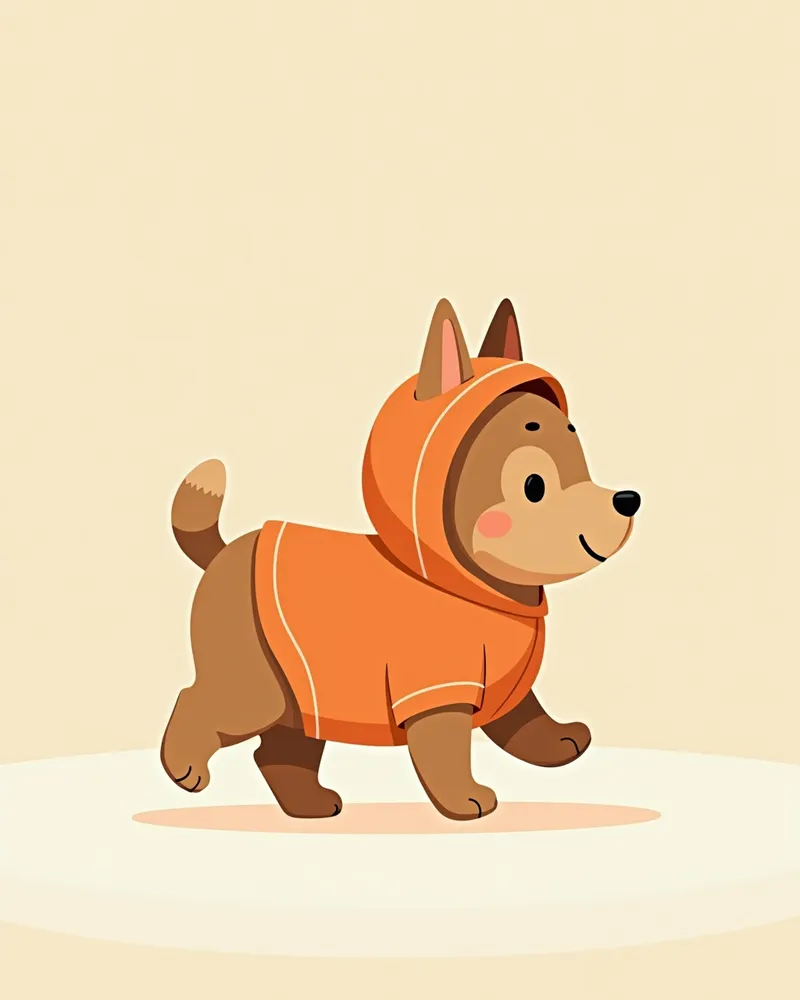
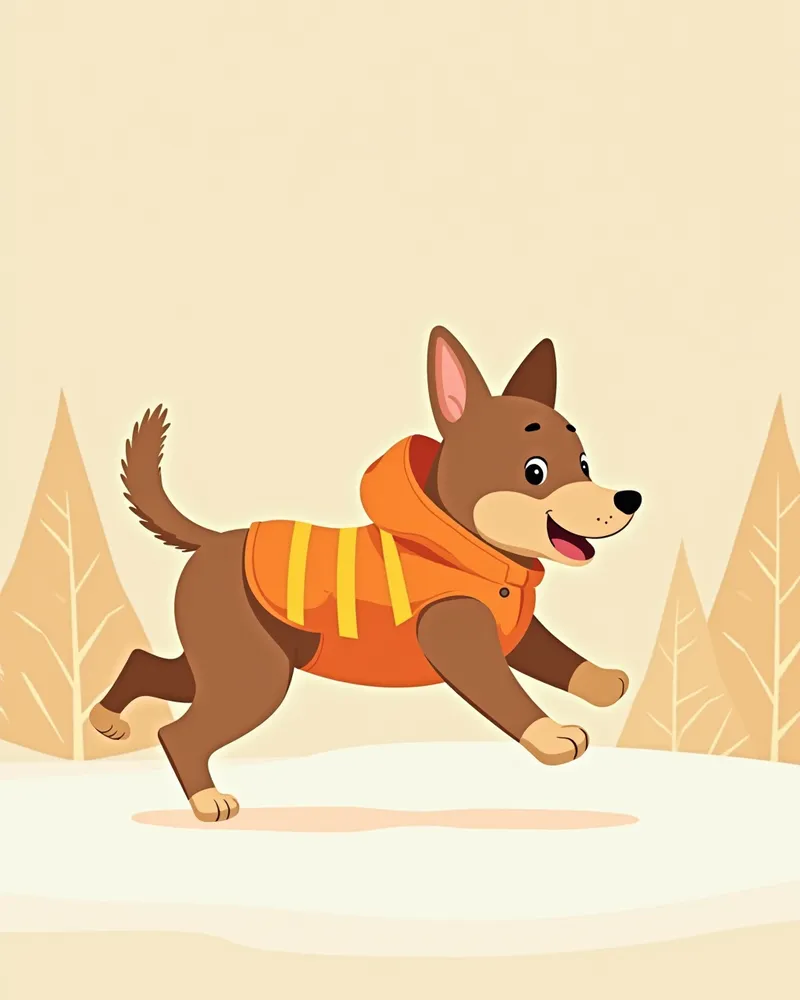
BEST 2: Lightweight Waterproof Jacket for Active Dogs
BEST 3: Insulated Boot Set for Dogs

Comparison Table of BEST 1–3 Products
| Item | BEST 1 Insulated Coat | BEST 2 Waterproof Outerwear | BEST 3 Insulated Boots |
|---|---|---|---|
| Insulation | Very high | Moderate | High |
| Waterproofing | High | Very high | Moderate |
| Weight | Heavy | Lightweight | Medium |
| Ease of Cleaning | Moderate | Very easy | Moderate |
| Recommended Breeds | Short-haired, senior dogs | Highly active dogs | Dogs with sensitive paw pads |
Insulation is rated on a 1–5 scale, with 5 being the highest. Ease of cleaning: 'Very easy' > 'Easy' > 'Moderate' > 'Difficult'
Caution: Respond Quickly to Signs of Hypothermia in Dogs
Dogs may shiver, have cold ears and paws, move slowly, or even collapse. If you notice these signs, bring your dog indoors immediately and help restore their body temperature in a warm environment. Do not use hot water or electric heating pads. Never attempt self-treatment without consulting a veterinarian, as severe hypothermia can be life-threatening.
Tips for Using Winter Cold-Weather Gear for Dogs
Reviewed by a veterinarian

Dr. Tony — Punnawat Phongkittirak
VeterinarianA veterinarian who majored in veterinary medicine at Khon Kaen University, Thailand, and completed the IVSA program at North Carolina State University in the United States. Drawing on clinical experience at animal hospitals, he works in the pet healthcare field and is dedicated to building a digital care environment that connects pet parents with veterinarians.
Reviewed 2026-06-29
Frequently Asked Questions
Should I dress my dog in a warm coat when going out in winter?
Should I put the insulated boots on my pet every time they go outside?
How long should I walk my pet while they’re wearing a warming product?
What should I keep in mind when washing a pet warming product?
What should I do if my dog dislikes using a warming product?
Share
Related Guides

Top Recommendations and Selection Criteria for Cat FIV and FeLV Testing
Top Microchip Implantation Management Recommendations for Dogs and Key Selection Criteria
Complete Guide to Choosing, Comparing, and Managing the Best Heartworm Preventives for Dogs
7 Key Management Points for Maximizing the Effectiveness of Pimobendan in Dogs

7 Key Management Tips for Canine Patent Ductus Arteriosus (PDA) Recommended by Veterinarians
7 Dog Heart Markers Explained by a Veterinarian — How to Read NT-proBNP and Troponin Levels

Veterinarian-Explained: 4 Stages of Canine Heart Failure (ACVIM) and Management Guidelines
7 Key Points for Emergency Management of Canine Congestive Heart Failure Recommended by Veterinarians
7 Key Management Strategies and Selection Criteria for Canine Bradycardia and Atrioventricular Block According to Veterinarians

6 Key Management Strategies for Feline Ventricular Septal Defect (VSD) Recommended by Veterinarians
References
[1] Brodeur, A., Wright, A., & Cortes, Y. (2017). Hypothermia and targeted temperature management in cats and dogs. J. Vet. Emerg. Crit. Care, 27, 151–163.
[2] Stoppler, M.C. (2022). Frostbite. eMedicineHealth. https://www.emedicinehealth.com/frostbite/article_
[3] Small Animal Critical Care Medicine, 3rd Ed. (2023). Chapter 10: Thermal Regulation and Hypothermia Management.