
Like
Share
멍실장
고양이 복강 내 종양 감별 관리 추천 BEST와 고르는 기준 총정리

Top Recommendations and Selection Criteria for Feline Intra-Abdominal Tumor Differential Diagnosis and Management

Oncology/CancerTop PicksMeongsiljang Veterinary Advisory Board

Feline intra-abdominal tumors often present with subtle early symptoms, making early detection challenging. Accurate differential diagnosis and tailored management are key to successful treatment.

Early Diagnosis Saves Lives in Feline Intra-Abdominal Tumor Differential Diagnosis
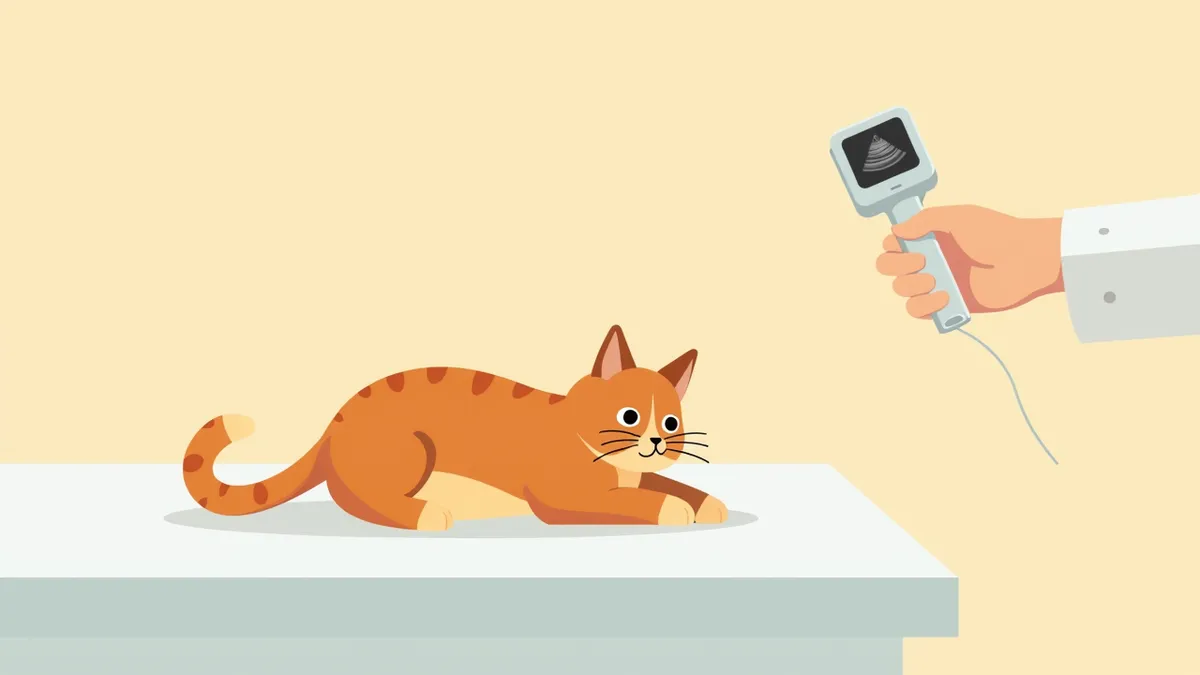
A cat with a slightly swollen abdomen undergoing an ultrasound examination alongside a veterinarian.
Feline intra-abdominal tumors often present no obvious symptoms in the early stages, making them easy for pet owners to overlook. By the time signs such as abdominal distension, decreased appetite, and weight loss appear, the disease has frequently progressed. In clinical practice, many cats are diagnosed at a stage where the tumor has already advanced significantly. - Early Diagnosis: Accurate differential diagnosis enables rapid establishment of a treatment plan. - Advanced Imaging: Ultrasound or CT scans can visualize intra-abdominal lesions. However, since ultrasound results may vary depending on equipment quality and operator expertise, it is best used in conjunction with targeted tissue sampling. - Veterinary Collaboration: Developing a customized diagnostic plan is key to effective diagnosis. Given that smaller tumor size is associated with better prognosis, early detection and precise diagnosis are crucial.

Selection Criteria: Tips for Choosing a Clinic for Feline Intra-Abdominal Tumor Differential Diagnosis
When selecting products or management strategies for differentiating abdominal tumors in cats, diagnostic accuracy and safety are paramount. The first step is to develop a customized diagnostic plan in collaboration with your veterinarian.
Accurate Imaging Diagnostics: Ultrasound or CT scans are essential to determine the tumor’s location, size, and extent of infiltration.
Cytological Examination: Fine-needle aspiration helps assess the nature of the tumor.
Integration with Blood Tests: These evaluate the cat’s overall health status and check for any complications.
Veterinary Consultation is Essential: A veterinarian must interpret the diagnostic results and formulate a treatment plan.
Safety and Side Effect Management: It is crucial to minimize stress and adverse effects on the cat throughout the treatment process.
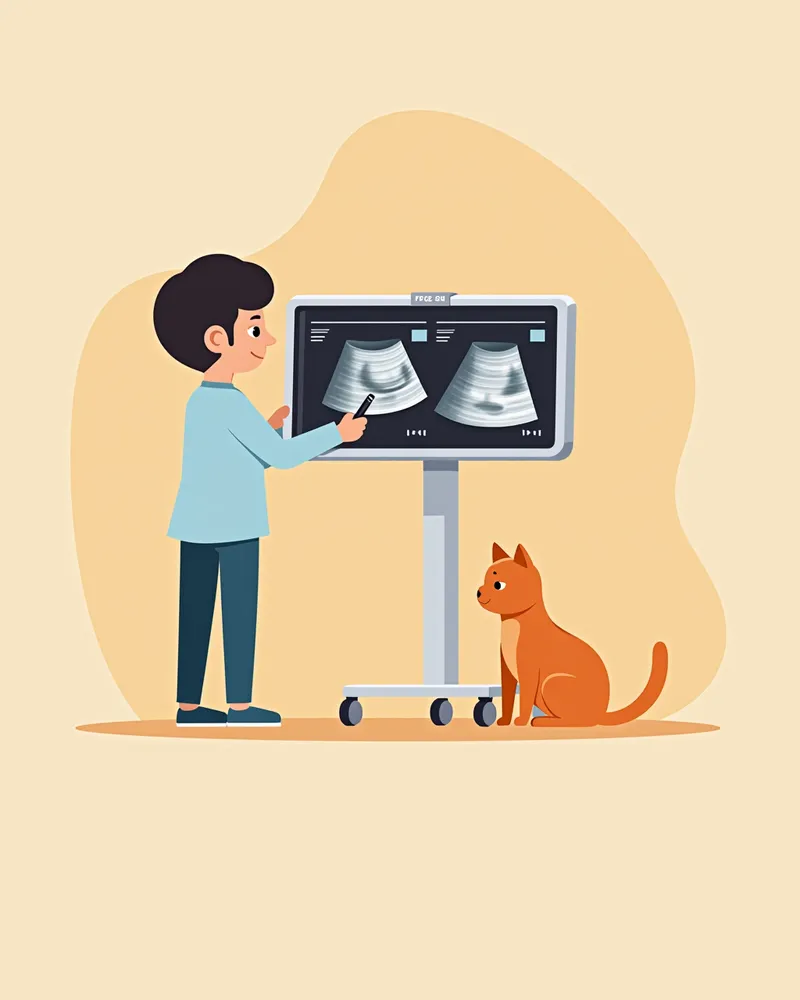
A veterinarian analyzing an ultrasound image of a cat's abdominal cavity.

Check 1: Equipped with the Necessary Equipment and Techniques for Intra-Abdominal Tumor Differential Diagnosis

High-resolution ultrasound is essential for accurately identifying tumors within a cat's abdominal cavity. Having Doppler functionality, which allows for the assessment of organ size, echogenicity changes, and blood flow patterns, is particularly advantageous. It is also wise to choose a clinic that either offers CT scanning on-site or has an established referral system with an external imaging center. Additionally, the ability to perform tissue sampling techniques, such as fine-needle aspiration (FNA) or core biopsy, in-house is an important criterion to consider.
We have the equipment and techniques needed to differentiate tumors within the abdominal cavity. Related guide images

Check 2: Proper Assessment of Test Indications and Safe Test Administration

The timing and approach for tumor differential diagnosis in cats vary depending on the cat’s overall health. Before any tests requiring anesthesia or sedation, make sure your vet performs blood work and coagulation function assessments. Ask whether the clinic follows protocols to minimize bleeding and tumor cell dissemination during biopsies. A trustworthy clinic will thoroughly explain the procedure, risks, and alternatives to you, the owner, and obtain informed consent. It’s also wise to verify that the clinic has an emergency response system in place.
We carefully determine whether testing is appropriate and ensure it is conducted safely. Please refer to the related guide images.

Check 3: Direct Interpretation by Veterinarians, Result Explanation, and Follow-Up Coordination

It’s important to choose a clinic where veterinarians personally interpret imaging results and explain them in easy-to-understand terms. For cellular and tissue tests, confirm whether the clinic sends samples to a veterinary pathology specialist and discusses treatment options with you after receiving the results. A system that seamlessly connects you to the next steps—such as surgery, chemotherapy, or palliative care, depending on whether the diagnosis is benign or malignant—adds an extra layer of safety. Always discuss and decide on all diagnostic and treatment plans with your veterinarian.
Our veterinarians personally review and interpret your pet’s test results, and guide you through the next steps. See the related guide image for details.

Checklist for Selecting a Clinic for Feline Intra-Abdominal Tumor Differential Diagnosis

ItemRecommended Criteria
EquipmentCheck for integration with high-resolution ultrasound/Doppler/CT
Test OperationCheck whether FNA/biopsy can be performed and the pre-procedure protocol
Interpretation CapabilityWhether the veterinarian interprets directly and whether there is an external pathology referral system
Result InterpretationWhether the treatment direction is explained and discussed with the owner after results
Cost GuidanceCheck whether estimated costs for each test item are provided in advance

This is not a table recommending specific products or hospitals, but criteria to reference when consulting a veterinarian. Treatment and testing decisions must always be made together with a veterinarian through consultation.

Caution: Early Detection Determines Survival Rates for Intra-Abdominal Tumors

If your cat’s abdomen becomes distended, its appetite drops suddenly, or it loses weight rapidly, seek veterinary care immediately. Because intra-abdominal tumors often show no symptoms in the early stages and are easily overlooked, regular health check-ups are essential.

Usage Tips: Practical Advice for Successful Management of Feline Intra-Abdominal Tumors

Managing tumors in a cat’s abdominal cavity requires long-term care rather than just a one-time treatment. Close collaboration with your veterinarian is essential.
Regular check-ups: It is important to undergo imaging tests, such as abdominal ultrasounds, on a regular schedule as recommended by your veterinarian.
Minimize stress: Reduce changes in your cat’s environment during the treatment process.
Dietary management: Follow the dietary plan recommended by your veterinarian.
Medication management: It is crucial to adhere strictly to the prescribed medication schedule.
Emotional support: Provide a sense of stability in your cat’s daily routine to help maintain their emotional well-being.
A cat resting comfortably in a calm, stable environment.

Reviewed by a veterinarian

Dr. Tony — Punnawat Phongkittirak

Dr. Tony — Punnawat Phongkittirak

Veterinarian

A veterinarian who majored in veterinary medicine at Khon Kaen University, Thailand, and completed the IVSA program at North Carolina State University in the United States. Drawing on clinical experience at animal hospitals, he works in the pet healthcare field and is dedicated to building a digital care environment that connects pet parents with veterinarians.

Frequently Asked Questions

Why is early detection of abdominal tumors in cats so difficult?
Intra-abdominal tumors often present with only nonspecific symptoms such as abdominal distension or weight loss in their early stages, so pet owners may easily overlook them. Regular check-ups are essential.
Is ultrasound alone sufficient for differentiating abdominal tumors?
Ultrasound is very helpful, but to definitively determine the nature of a tumor, additional cytological or histological examination is necessary. Please consult with your veterinarian to ensure a comprehensive diagnostic approach.
Can nutritional supplements help with treatment?
It’s difficult to definitively claim that nutritional supplements boost physical strength or immunity. However, proper nutritional management during treatment is important, so it’s safest to consult your veterinarian before deciding whether to use supplements and which ones to choose.
Can tumors in a cat’s abdominal cavity be cured?
It depends on the type and stage of the tumor. While some tumors can be cured with surgery or treatment, early detection and proper management are crucial for significantly extending the lifespan in most cases.
How often should I consult with a veterinarian?
During the initial phase of treatment, consultations are needed every 1 to 2 weeks. After that, regular check-ups are recommended at intervals of 1 to 3 months, depending on your pet's condition. It is important to follow your veterinarian's instructions.

Share

Related Guides

References

[1] Terragni, R. et al. (2012). Stomach wall evaluation using helical hydro-computed tomography. Veterinary Radiology & Ultrasound, 53(4):402–405.

[2] Clinical Medicine of the Dog and Cat, 4th Ed. (2023). Chapter 9: Abdominal Tumors in Cats. Elsevier.

[3] Withrow, S.J. & MacEwen, E.G. (2013). Perianal tumors. In Withrow & MacEwen’s Small Animal Oncology, 5th ed., pp. 423–431. Saunders.

This information is based on veterinary literature and does not replace diagnosis or treatment. Please consult a veterinarian for specific health concerns.

Metapet Co., Ltd. | CEO: Park Sung-yong | Business Reg. No. 417-88-02562 | Seoul, South Korea | Customer Center

Feline Abdominal Tumor Diagnosis: Best Picks & How to Choose | Meongsiljang