
Like
Share
멍실장
고양이 종양 호스피스·삶의 질 관리 추천 BEST와 고르는 기준 총정리

Comprehensive Guide to Recommended Hospice Care and Quality of Life Management for Cats with Tumors

Oncology/CancerTop PicksMeongsiljang Veterinary Advisory Board

We’ve compiled a comprehensive guide to hospice care methods and recommended products aimed at improving the quality of life for cats with tumors. The key is maintaining a stable, comfortable daily routine for both you and your cat.

Feline Tumor Hospice Care Prioritizes Quality of Life

A cat lying comfortably on its bed
Feline oncology hospice care prioritizes comfort and peace over life extension. While many feline cancers are difficult to cure, alleviating symptoms can significantly improve quality of life, which often matters more to pet owners than the length of survival. - Creating a comfortable environment: Provide easy-to-navigate spaces and warm beds to minimize stress and promote rest. - Pain management: Because cats often mask pain through subtle behavioral changes, assessment is particularly challenging. Regular observation and close collaboration with your veterinarian are essential. - Nutritional support: Loss of appetite and weight loss are common in cats with cancer. Consult your veterinarian to monitor nutritional status and provide support through dietary adjustments, appetite stimulants, or assisted feeding as needed. - Emotional well-being: Your emotional state directly impacts your cat’s quality of life, so make time to care for yourself as well. All these elements work together to enhance your cat’s overall well-being.

Selection Criteria: Four Key Elements Centered on Quality of Life

When choosing hospice products or services for a cat with cancer, focus on improving its quality of life. Be sure to check the following four elements:
Creating a comfortable environment: Provide a space where the cat can move easily and a warm bed.
Ease of eating: The food should be in a form that is easy to eat, even if the cat’s appetite has decreased.
Pain management: Work with your veterinarian to appropriately use pain-relieving medications.
Regular monitoring: Consistently record changes in weight, appetite, and activity levels.
Examples of creating a cat-friendly home environment

BEST 1: Comfortable Bed and Environment Setup Set

A comfortable resting environment is key to your cat’s quality of life. This set includes a low-pressure memory foam bed, a temperature-regulating blanket, and a quiet space setup. Placing it in your cat’s favorite resting spot can reduce stress and provide comfort for cats with limited mobility. For senior cats or those in pain, the texture and height of the bed are especially important, so personalized selection is recommended. - Comfortable Bed: Memory foam gently contours to your cat’s body, reducing pressure points. - Temperature-Regulating Blanket: Ideal for cats struggling with cold weather or body temperature regulation. - Quiet Environment: A low-noise space helps ease anxiety and promotes a sense of security. This set seamlessly integrates into your cat’s daily routine, enhancing their overall well-being.
Memory foam cat bed and heating blanket set

BEST 2: Cat-Specific Nutritional Supplement (High-Calorie Liquid)

Cats with cancer often experience weight loss and malnutrition due to a decreased appetite. This liquid supplement is high in calories and palatable, so even cats with poor appetites tend to accept it well. However, rather than relying solely on the supplement, it is best to use it while regularly checking your cat’s nutritional status with your veterinarian, and to combine it with appetite stimulants or assisted feeding if necessary. The product comes in a bottle for easy portability, and providing an appropriate amount once or twice daily can be helpful. - High-calorie support: Helps maintain body weight in cats that are prone to weight loss due to high energy expenditure. - High palatability and intake rate: Cats are likely to eat it naturally, even when their appetite is low. - Use under veterinary guidance: It is safest to adjust the dosage while regularly monitoring your cat’s nutritional status with your veterinarian. - Excellent portability: Easy to use when traveling or going out. This supplement serves as an aid in managing your cat’s nutrition and plays a role in maintaining their overall nutritional status.
High-calorie liquid nutritional supplement set for cats

BEST 3: Pain Monitoring App + Veterinarian Connection Service
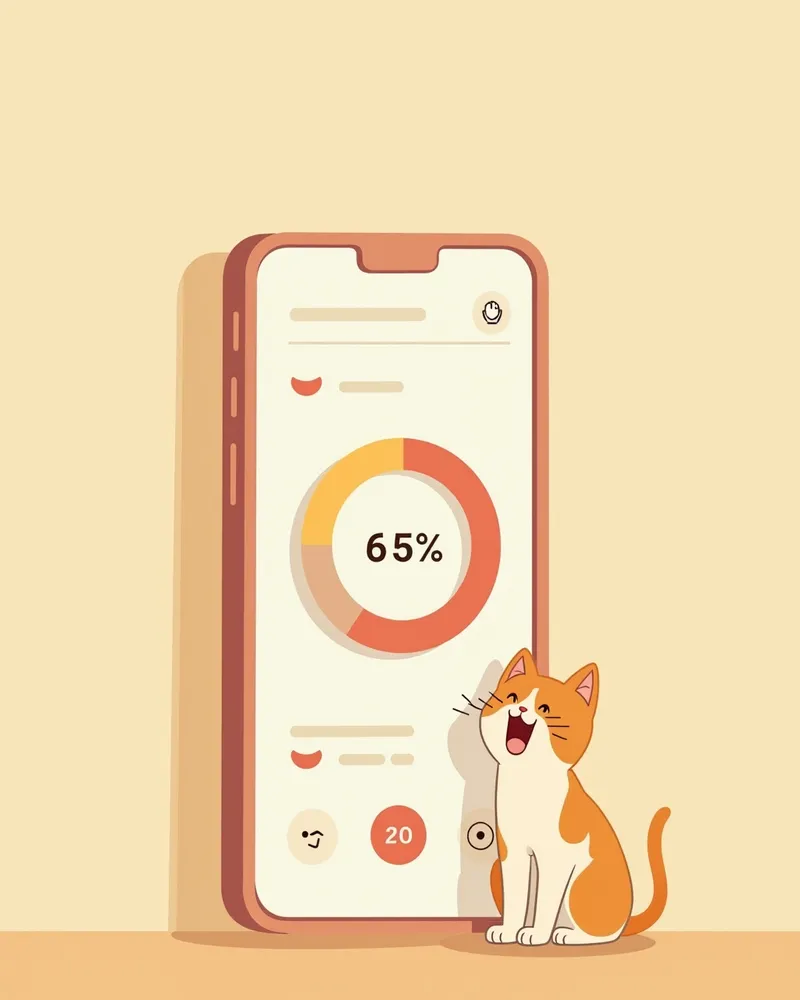
Because cats often mask their pain, making it difficult to assess, regular observation is essential. While this app can help you track your cat’s behavioral patterns, pain severity should be evaluated using validated tools such as the Glasgow CMPS-Feline or the Colorado Feline Pain Scale. Automated algorithms alone are not yet clinically validated for determining pain levels. Sharing these records with your veterinarian supports early intervention, while any medication adjustments must be determined by your vet. - Behavioral Logging: Helps document daily routines, including eating, sleeping, and movement. - Use of Validated Pain Scales: Pain assessment should be conducted using validated evaluation tools and veterinary consultation. - Veterinary Collaboration: Share data to facilitate regular check-ups and necessary adjustments. - Early Intervention: Enables you and your vet to take action before pain worsens. This service serves as a supportive tool to help manage your cat’s quality of life.
Cat behavior and pain monitoring app screen

Comparison Table of BEST 1–3 Products

ItemBEST 1: Comfortable Bed SetBEST 2: High-Calorie Liquid SupplementBEST 3: Pain Monitoring App
Main FeaturesComfortable bed, temperature-regulating blanket, quiet space setupHigh-calorie, palatable liquid nutritional supplementBehavior logging, pain scale analysis, veterinarian linkage
Price RangeAbout $60About $20 / 30-day supply$10 per month (subscription)
Ease of UseHigh (use after installation)Very high (easy administration with a syringe)High (uses a smartphone app)
Recommended ForCats with reduced activity and painCats with reduced appetite and weight lossCats needing pain management

Prices are as of 2025, and selection after consulting a veterinarian is recommended.

Caution: Always Consult Your Veterinarian When Administering Pain Medication

The dosage and frequency of pain relievers for cats vary depending on their condition. Adjusting the dose on your own can lead to side effects. It’s essential to have a veterinarian regularly monitor your cat and adjust the medication to ensure safety.

Usage Tip: Take Care of Yourself Too, Pet Owners

Providing hospice care for a cat can be a significant burden for pet owners. Take at least ten minutes a day to share a calm, comfortable moment with your cat. To reduce stress, it’s important to communicate with family members and consult regularly with your veterinarian. Your cat’s quality of life is closely tied to your own mindset and well-being. - The importance of self-care: You can only provide the best care for your cat if you are healthy yourself. - The power of communication: Talking with family members helps alleviate emotional burdens. - Collaboration with professionals: Regular communication with your veterinarian is key to stable and effective care. - The value of small moments: Even ten minutes of shared time each day can be a great comfort to your cat. You need to stay strong so your cat can find strength too.
A person gently petting a cat in a calm and comfortable setting.

Reviewed by a veterinarian

Dr. Tony — Punnawat Phongkittirak

Dr. Tony — Punnawat Phongkittirak

Veterinarian

A veterinarian who majored in veterinary medicine at Khon Kaen University, Thailand, and completed the IVSA program at North Carolina State University in the United States. Drawing on clinical experience at animal hospitals, he works in the pet healthcare field and is dedicated to building a digital care environment that connects pet parents with veterinarians.

Frequently Asked Questions

When should hospice care begin?
After a cancer diagnosis, we begin by prioritizing quality of life over treatment. It’s best to discuss this with your veterinarian and make the decision together.
If my cat has no appetite, is it enough to just give them supplements?
While supplements can help when your pet has a poor appetite, it’s important to have their nutritional status evaluated by a veterinarian. Long-term nutritional management is essential.
Is it safe to give pain medication to my pet for a long time?
Long-term use can lead to side effects. To ensure safety, your veterinarian should perform regular check-ups and adjust the medication as needed.
How much does hospice care cost?
While costs vary depending on the situation, the average is around $70 per month. The exact amount depends on whether insurance applies and the type of service you choose.
What preparations should I make before my cat passes away?
Providing a calm, stable environment and enlisting your veterinarian’s support is essential. Equally important is preparing yourself emotionally. Some clinics even offer services where the vet accompanies you throughout the process.

Share

Related Guides

References

[1] Villalobos A, Kaplan L. Caring for geriatric cancer patients: the concept of 'pawspice' and what is needed aside from medical care. In: Canine and feline geriatric oncology: honoring the human-animal bond. 2nd ed. Ho...

[2] Nathanson O, McGonigle K, Michel K, et al. Esophagostomy tube complications in dogs and cats: Retrospective review of 225 cases. J Vet Intern Med. 2019;33:2014–2019.

[3] Palliative care: end of life in cats with cancer. The Cat, Clinical Medicine and Management, 2nd Edition. 2007.

This information is based on veterinary literature and does not replace diagnosis or treatment. Please consult a veterinarian for specific health concerns.

Metapet Co., Ltd. | CEO: Park Sung-yong | Business Reg. No. 417-88-02562 | Seoul, South Korea | Customer Center

Hospice Care & Quality-of-Life Guide for Cats with Tumors | Meongsiljang