
Like
Share
멍실장
강아지 종양 호스피스·삶의 질 관리 추천 BEST와 고르는 기준 총정리

Top Recommended Products and Selection Criteria for Dog Tumor Hospice and Quality of Life Care

Oncology/CancerTop PicksMeongsiljang Veterinary Advisory Board

Dog tumor hospice care focuses on pain management and improving quality of life. See effective management methods and recommended products at a glance.

Dog Tumor Hospice Care Prioritizes Quality of Life
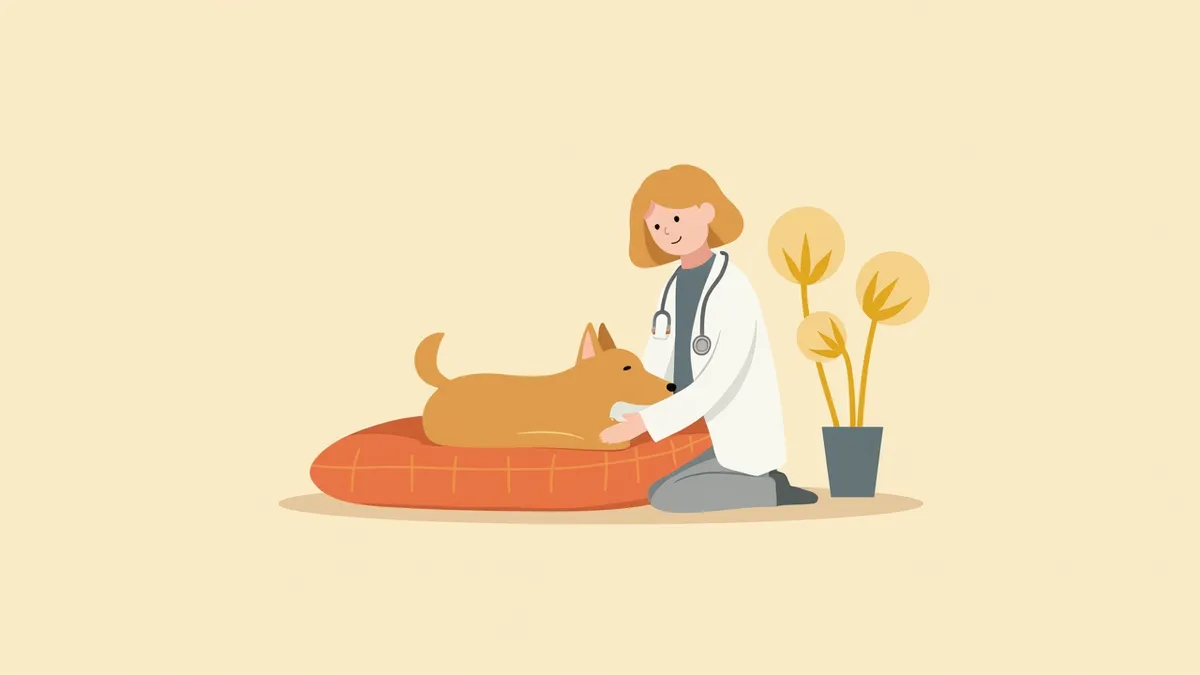
A dog receiving hospice care for a tumor, shown in a comfortable state.
Puppy tumor hospice care focuses on pain relief and improving quality of life rather than curative treatment. Creating a comfortable environment, providing emotional stability, and maintaining nutritional balance are essential. It is crucial to work with your veterinarian to develop a customized care plan tailored to your dog’s specific condition. Early intervention is important because persistent pain can reduce your dog’s mobility and appetite. To enhance quality of life, care must go beyond medication to include small, thoughtful adjustments in daily routines. Strive to maximize the time your dog spends with family, ensuring their comfort and well-being.

Criteria for Selecting Recommended Dog Tumor Hospice Products

When selecting hospice care products for a dog with a tumor, prioritize features that alleviate pain, provide nutritional support, and help maintain overall condition. Products centered on natural ingredients with minimal side effects are generally safer. Consulting with a veterinarian is the most reliable approach.
Pain-relief ingredients: Veterinary NSAIDs such as carprofen and meloxicam are used to manage mild cancer-related pain. However, since all NSAIDs can cause gastrointestinal stress, they must be used strictly according to the dosage prescribed by a veterinarian.
Nutritional enhancement ingredients: Weight loss and decreased appetite are common in dogs with tumors, so it is important to provide stable nutrition with sufficient protein and energy.
Immune and antioxidant support ingredients: Omega-3 fatty acids and similar supplements may be used as adjuncts in the nutritional management of cancer patients. Note that the effectiveness of supplements can vary from dog to dog.
Easy administration formats: Powder or gel forms are often easier for dogs to consume.
Individualized recommendations: All products should be recommended by a veterinarian based on the dog’s specific weight and health status.
A collection of nutritional supplements and supportive care products for hospice care in dogs with tumors

BEST 1: Pain Management Kit for a Comfortable Life

This kit features veterinarian-recommended veterinary NSAIDs (such as carprofen and meloxicam) for pain relief. It is used for managing mild cancer-related pain. Since all NSAIDs can cause gastrointestinal irritation, it is essential to strictly adhere to the dosage prescribed by your veterinarian. Medications like carprofen and deracoxib are often administered once daily, making them relatively convenient. As pain decreases, your dog’s mobility and appetite can naturally improve, playing a key role in maintaining a comfortable quality of life. Even when long-term use is necessary, your veterinarian will regularly evaluate your pet’s condition and adjust the treatment accordingly. For the safest outcome, always consult your veterinarian before administering these medications.
Using the puppy pain management kit

BEST 2: Hospice-Specific Food for Nutritional Balance

This food is specially formulated to meet the unique nutritional needs of dogs with tumors. It provides an optimal balance of protein and fat, along with high digestibility, ensuring adequate energy intake even when appetite is reduced. Made exclusively from natural ingredients, it minimizes the risk of side effects and offers a palatable taste that dogs enjoy. It is particularly suitable for long-term use, providing consistent and reliable nutrition. Recommended by veterinarians, this food directly supports improved quality of life and plays a vital role in helping your dog spend more precious time with your family.
Specialized hospite food for dogs with tumors

BEST 3: Stress Relief Supplement for Emotional Stability

This supplement is a natural product formulated with lavender and blueberry extracts. While it is intended to help calm your dog, the effectiveness of these ingredients can vary from one pet to another. In cancer hospice care, maintaining a comfortable and quiet environment alongside pain management is crucial for quality of life. Emotional stability is a key factor in enhancing quality of life during hospice care, and emotional support becomes especially important when interactions with family members may decrease. Even if administered just once daily, closely monitor your pet for any changes in condition. For the safest and most effective results, always consult your veterinarian before use.
Emotional calming supplement for dogs

Comparison Table of BEST 1–3 Products

ItemBEST 1 Pain KitBEST 2 Specialized FoodBEST 3 Stress Supplement
Key IngredientsVeterinary NSAIDs (carprofen, meloxicam, etc.)High protein, appropriate fat, natural ingredientsLavender, blueberry extract
FunctionRelief of mild cancer painNutritional balance, digestion and absorptionSupports emotional stability
Administration MethodOnce daily, capsuleTwice daily, mixed with foodOnce daily, drop type
Recommended TimingWhen pain symptoms occurWhen appetite decreasesWhen emotional stability is needed

All products are recommended by the veterinarian according to weight and condition. Always consult before use.

Caution: Side Effects May Occur with Overdose

Always follow the dosage recommended by your veterinarian for any supplements or medications. Overdosing can lead to gastrointestinal symptoms such as vomiting and diarrhea, as well as other side effects. In particular, combining them with other medications your pet is already taking may cause drug interactions, so be sure to inform your veterinarian about any other medications being administered.

Dog Tumor Hospice Care Tips

To improve your dog’s quality of life, consistent daily care is essential. The key lies in creating a comfortable environment, conducting regular health checks, and nurturing emotional bonds.
Comfortable sleeping area: Keep the bed soft and warm.
Regular health checks: Monitor and record appetite, activity levels, and signs of pain.
Emotional bonding: Speak in a gentle voice and offer light massages.
Appropriate exercise: Provide walks at a comfortable, manageable pace.
Environmental adjustments: Maintain a quiet, well-lit space.
These habits can significantly enhance your dog’s quality of life.
A heartwarming scene of emotional bonding between a puppy and its family.

Reviewed by a veterinarian

Dr. Tony — Punnawat Phongkittirak

Dr. Tony — Punnawat Phongkittirak

Veterinarian

A veterinarian who majored in veterinary medicine at Khon Kaen University, Thailand, and completed the IVSA program at North Carolina State University in the United States. Drawing on clinical experience at animal hospitals, he works in the pet healthcare field and is dedicated to building a digital care environment that connects pet parents with veterinarians.

Frequently Asked Questions

When should hospice care for a dog with a tumor begin?
It's a good idea to consult with your veterinarian and start treatment as soon as you notice signs of pain or decreased activity. Early intervention can help improve your pet's quality of life.
Can hospice products only be purchased at veterinary clinics?
Products that require a veterinarian’s prescription must be purchased at a veterinary clinic. However, some supplements are available online. Always consult with your veterinarian before making a purchase.
Can giving nutritional supplements reduce my pet's appetite?
Hospice-specific diets or supplements do not suppress appetite. Since loss of appetite is common in pets with tumors, ensuring adequate nutrition is important. If your pet’s appetite continues to decline, consult your veterinarian to adjust management strategies, such as using appetite stimulants.
Is it okay if my dog doesn’t show signs of pain?
Not necessarily. Dogs may not show pain overtly, or they may express it through changes in behavior. Decreased appetite, reduced mobility, and signs of anxiety can all be indicators of pain.
How long does hospice care typically last?
It depends on your dog’s condition. We regularly evaluate their status with a veterinarian and adjust the management plan accordingly. The goal is to maintain the best possible quality of life.

Share

Related Guides

References

[1] Bellows, J., Colitz, C.M.H., Daristotole, L., et al. (2011) Defining healthy aging in older dogs and differentiating healthy aging from disease. Journal of the American Veterinary Medical Association 246, 77–89.

[2] Villalobos A, Kaplan L. Caring for geriatric cancer patients: the concept of 'pawspice' and what is needed aside from medical care. In: Canine and feline geriatric oncology: honoring the human-animal bond. 2nd ed.

[3] Nathanson O, McGonigle K, Michel K, et al. Esophagostomy tube complications in dogs and cats: Retrospective review of 225 cases. J Vet Intern Med. 2019;33:2014–2019.

This information is based on veterinary literature and does not replace diagnosis or treatment. Please consult a veterinarian for specific health concerns.

Metapet Co., Ltd. | CEO: Park Sung-yong | Business Reg. No. 417-88-02562 | Seoul, South Korea | Customer Center

Dog Tumor Hospice Care: Top Products & Selection Criteria | Meongsiljang