

Best Low-Fat Dog Food Recommendations for Pancreatitis and Selection Criteria
Here’s a comprehensive guide on selecting low-fat dog food for pancreatitis, comparing prescription diets with functional foods, and important feeding precautions.
Why Low-Fat Food Is Necessary for Dogs with Pancreatitis

Why Reduce Fat? — The Relationship Between the Pancreas and Fat
If You See These Symptoms, Visit the Vet Before Changing Food
If your pet shows any of the following symptoms, seek veterinary care before changing their diet. Acute pancreatitis can range from mild cases to severe ones involving multiple organ failure, and worsening conditions may require hospitalization. Repetitive vomiting: Repeatedly vomiting food or bile Abdominal pain response: Crouching or unable to find a comfortable position when the abdomen is touched (signs of post-meal abdominal or back pain) Greasy diarrhea + lethargy: A sign that lethargy and dehydration are progressing together Fever and complete loss of appetite: A sign that hospitalization may be necessary
4 Criteria for Choosing Low-Fat Pancreatitis Dog Food

Prescription vs. Functional Low-Fat Food — Which Should You Choose?
| Item | Prescription Low-Fat | Functional Low-Fat |
|---|---|---|
| Recommended Timing | Acute phase / relapse phase | Stable phase / long-term management |
| Purchase Method | Requires veterinary prescription | Available at pet shops/online |
| Fat Content | Lowest level of low-fat | Low-fat level (confirm after moisture conversion) |
| Digestive Burden | Very low | Low to moderate |
| Representative Product Examples | Royal Canin GI Low Fat, Hill's i/d Low Fat | Low-fat functional product line |
Verify specific fat values with the manufacturer's official materials, and if based on an as-fed (moisture-inclusive) basis, convert to dry matter (DM) basis for comparison. Prescription diets must be used only after a veterinarian's prescription.
Top 2 Prescription Recommendations — For Acute and Relapse Stages

Long-Term Management in the Stable Stage — Key Points for Choosing Functional Low-Fat Food
Essential Feeding Precautions for Pancreatitis Dog Food
Even Good Food Is Useless If You Give These Alongside It
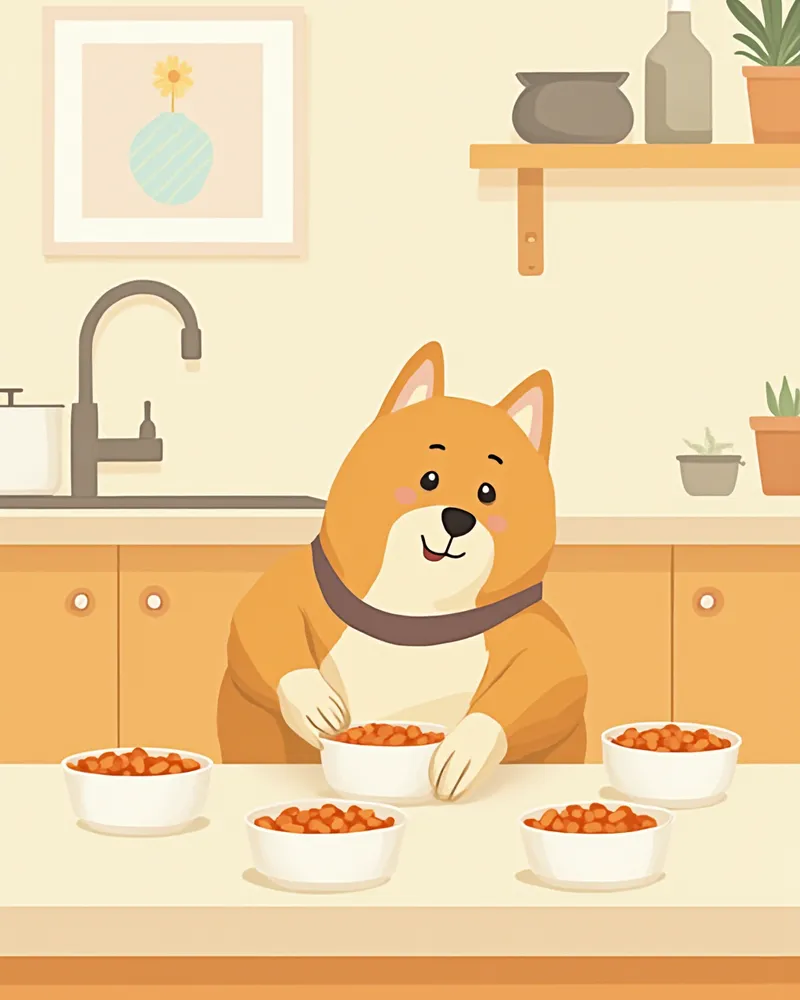
Even when feeding a low-fat diet, giving the following foods alongside it can strain the pancreas and trigger a pancreatitis flare-up. These are considered foods to avoid in cases of chronic pancreatitis. Pork belly, chicken skin, cheese, butter: These are animal-based foods, fats, and dairy products that are very high in fat, placing a burden on the pancreas. Broth from human meals: These contain high levels of sodium and hidden fats. Excessive fatty fish or fish oil: Large amounts of fatty fish like salmon and sardines, or fish oil, can create a fat burden. Olive oil and coconut oil: Even though these are considered healthy fats, they are classified as oils and should be avoided while managing pancreatitis.
Reviewed by a veterinarian

Dr. Tony — Punnawat Phongkittirak
VeterinarianA veterinarian who majored in veterinary medicine at Khon Kaen University, Thailand, and completed the IVSA program at North Carolina State University in the United States. Drawing on clinical experience at animal hospitals, he works in the pet healthcare field and is dedicated to building a digital care environment that connects pet parents with veterinarians.
Reviewed 2026-05-28
Frequently Asked Questions
How much should I give my pet according to the prescription?
My pet refuses to take the prescribed medication. What should I do?
Can wet food also be fed as a low-fat option?
Should I continue feeding a low-fat diet even after my pet has fully recovered from pancreatitis?
I switched to a low-fat diet, and my pet is losing weight. Is that okay?
Share
Related Guides
My Senior Cat Won’t Eat — A Complete Guide to Choosing Food for Cats with Weak Digestion
Top 5 Prescription Diets for Feline Pancreatitis Recommended by Veterinarians — Low-Fat, Highly Digestible Food Guide

Royal Canin vs Hill’s vs Purina vs Orijen — Which Brand Is Right for Your Pet, According to Veterinarians?

7 Best Cat FORL Management Products Recommended by Veterinarians

7 Best Feline Tooth Fracture Management Products Recommended by Veterinarians and Selection Criteria

7 Key Points for Managing Cat Tongue and Lip Lesions, as Recommended by Veterinarians

7 Key Points for Managing Feline Temporomandibular Joint Dislocation Recommended by Veterinarians

7 Best Stage-Specific Management Tips for Feline Periodontal Disease and Selection Criteria by Veterinarians

7 Signs of Feline Oral Ulcers You Shouldn’t Miss, as Told by a Veterinarian

7 Warning Signs of Oral Pain in Cats and Management Tips Recommended by Veterinarians
References
[1] Fascetti AJ, Delaney SJ. Applied Veterinary Clinical Nutrition, 2nd Ed. Chapter 8: Commercial and Home-Prepared Diets. Wiley-Blackwell, 2022.
[2] Schaer M, Gaschen FP (eds). Clinical Medicine of the Dog and Cat, 4th Ed. Chapter 25: Nutritional Support. CRC Press, 2022.
[3] Little SE. The Dog Care Handbook: Things I Wish My Vet Had Told Me. 5m Publishing, 2024.