Like
Share
멍실장
고양이 관절 간식·영양제 추천 TOP 5 — 급여 쉬운 형태

Top 5 Cat Joint Treats and Supplements — Easy-to-Feed Formats

JointTop PicksMeongsiljang Veterinary Advisory Board

Cat joint supplements combine glucosamine, chondroitin, and omega-3 fatty acids into chewable treats, soft-moist snacks, or toppers, making it easy to support your cat’s joint health daily. Here are our top five picks based on palatability and ingredient content, along with some helpful feeding tips.

What Are Cat Joint Treats?
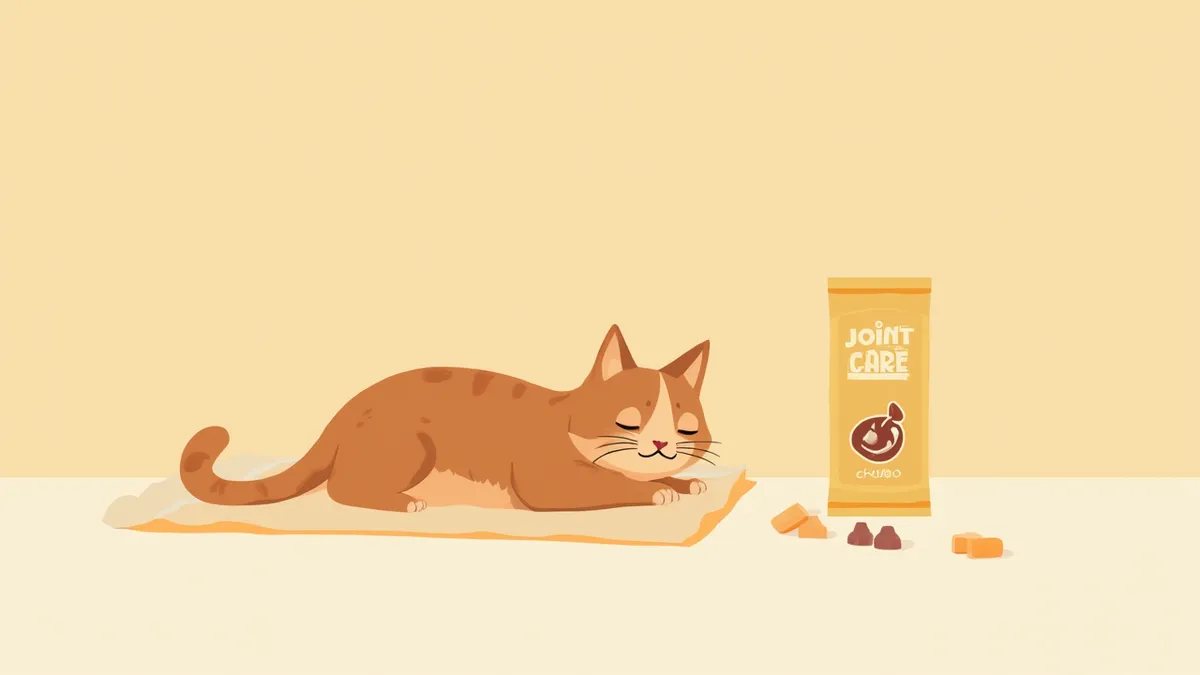
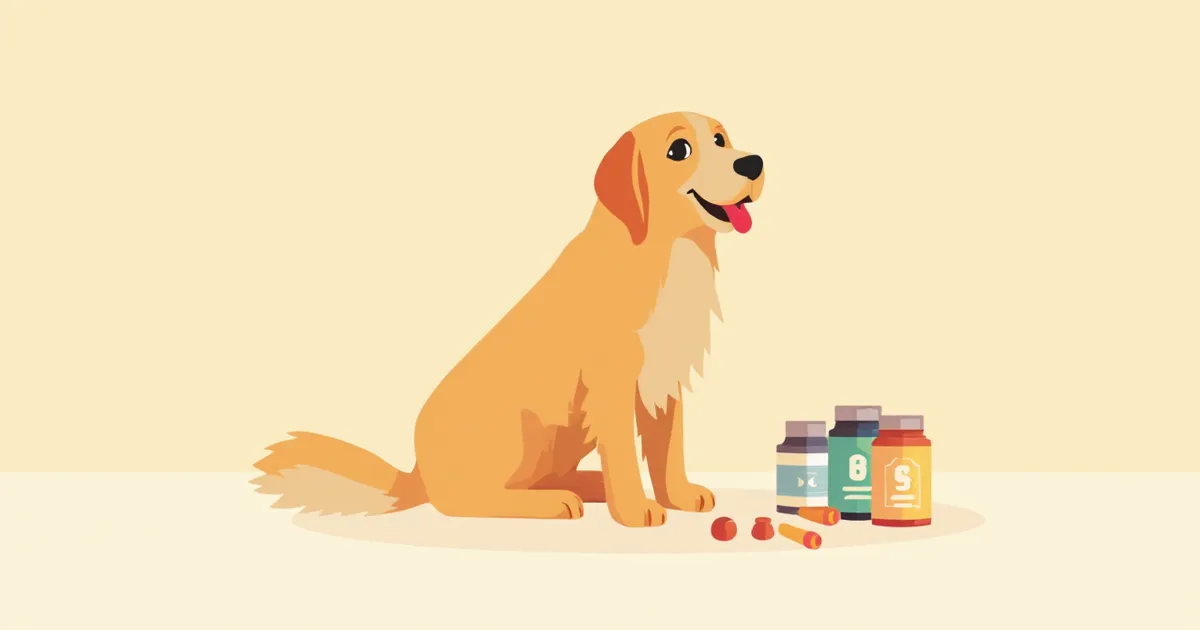
A cat resting comfortably, with joint supplements and Churu treats placed beside it.
Cat joint treats are dietary supplements designed for easy daily feeding, combining joint-supporting ingredients like glucosamine, chondroitin, and omega-3 fatty acids into palatable formats such as lickable treats, soft chews, and toppers. The key to success is palatability; since cats often resist pills, choosing a form they enjoy is essential, otherwise they’ll likely stop eating it after just a couple of tries. If your cat is seven years or older, or if you notice signs like reduced grooming or avoiding jumps, treats alone won’t be enough. In these cases, combine nutritional supplements with a veterinary check-up and proper pain management.

Why Do Cats Need Joint Supplements?

Cats instinctively hide pain. According to veterinary internal medicine textbooks, feline degenerative joint disease often manifests first through subtle signs—such as reduced grooming, avoiding jumps, and changes in litter box behavior—rather than obvious limping. By the time these changes are noticeable, cartilage damage has frequently progressed. Daily joint supplements help replenish cartilage-building components and slow further damage through anti-inflammatory effects. Toppers and treats that can be easily mixed into food make it convenient for pet owners to administer them consistently every day.

5 Key Ingredients to Check

Safe

글루코사민(Glucosamine)

연골 재생 촉진, 관절액 점도 유지

Dosage: 고양이 1일 250~500mg

수의내과학 교과서 권장

Safe

콘드로이틴 황산염(Chondroitin Sulfate)

연골 분해 효소 억제

Dosage: 고양이 1일 100~200mg

글루코사민과 병용 시 시너지

Safe

오메가3(EPA/DHA)

관절 염증 완화, 통증 감소

Dosage: 체중 1kg당 EPA+DHA 30~50mg

고양이 퇴행성 관절 질환 임상 연구

Safe

그린리프드홍합(Green-lipped Mussel)

천연 항염, 글루코사미노글리칸 공급

Dosage: 제품 권장량 준수

고양이 관절 가동성 개선 연구

Caution

MSM

항염, 통증 완화 보조

Dosage: 고양이 1일 50~100mg

고양이 단독 임상 데이터 제한적

Selection Criteria for the Top 5
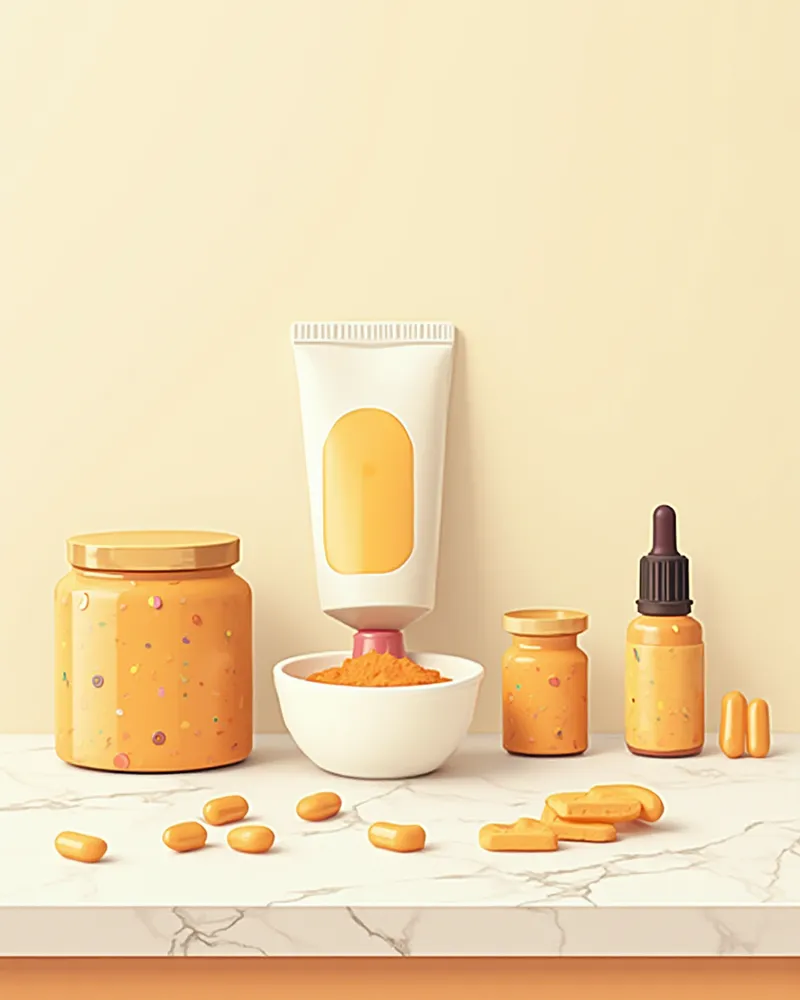
We selected this Top 5 list based on four criteria. First, palatability: we prioritized Churu-style and soft chewable formats that even picky cats readily accept. Second, ingredient potency: we only included products providing at least 250 mg of glucosamine and 100 mg of chondroitin per day. Third, we limited our selection to products free of artificial preservatives and flavorings. Fourth, we chose products where over 80% of owner reviews mentioned good palatability and reported few allergy-related issues.
Five forms of feline joint supplements—Churu, Soft Chewable, Powder, Liquid, and Capsule—are neatly arranged.

At-a-Glance Comparison of the Top 5 Cat Joint Treats

Item#1 Joint Care Churu#2 Soft Chewable#3 Powder Topper#4 Liquid Omega-3#5 Comprehensive Capsule
FormChuru stickSoft treatPowder to sprinkle on foodDropper liquidHard capsule
Glucosamine (per day)300mg350mg500mgNot included400mg
Chondroitin (per day)150mg150mg250mgNot included200mg
Omega-3 EPA+DHALow contentMediumMediumHigh contentMedium
PalatabilityVery highVery highHighMediumLow
Recommended ForPets that won't take medicationPets that love treatsPets that eat their food wellFocused inflammation careLong-term care for senior cats

Ingredient content is based on averages of typical commercial products and varies by product. Be sure to check the label before purchasing.

1st and 2nd Place — Churu-Style and Soft Chews

- Top Pick: Joint Care Chews: Each chew stick contains 300 mg of glucosamine and 150 mg of chondroitin. The liquid-based formula is easily accepted by cats that typically reject pills. The only drawback is its relatively low omega-3 content. - Second Place: Soft Chews: These are soft treats made with a chicken breast base. They offer a higher glucosamine content of 350 mg, and many varieties include green-lipped mussel. They are an excellent choice for owners who use treats as rewards. Both options are also suitable for preventive care in cats under seven years of age.

3rd, 4th, and 5th Place — Powder, Liquid Omega-3, and Capsules

- 3rd Place: Powder Topper – This powder is sprinkled over food. With 500 mg of glucosamine and 250 mg of chondroitin, it has the highest concentration of these ingredients. It’s easy to administer daily to pets who eat well, as they’re unlikely to reject it. - 4th Place: Liquid Omega-3 – While it doesn’t contain glucosamine, this product focuses on reducing joint inflammation with high levels of EPA and DHA. It pairs well with other supplements. - 5th Place: Capsule Comprehensive – This option offers precise dosages and comprehensive care, but it has the lowest palatability. It’s best suited for older cats that are accustomed to taking medication.
A cat eating from a bowl with joint supplement powder sprinkled on top of its food.

Signs That Supplements Alone Cannot Resolve

Joint supplements and treats are not medications. If your pet limps for more than 24 hours or consistently holds up one leg, cartilage or ligament damage should be suspected. However, cats often do not show obvious limping even when they have arthritis; instead, they may first exhibit subtle signs such as loss of appetite, weight loss, sudden refusal to be groomed, avoidance of jumping, or changes in litter box behavior. Furthermore, imaging findings like X-rays do not always correlate precisely with the actual level of pain, so veterinarians sometimes diagnose arthritis based on clinical symptoms. Therefore, for cats aged seven and older, consistent observation at home and regular veterinary check-ups are essential. If signs of pain appear, medical pain management, such as non-steroidal anti-inflammatory drugs like meloxicam, is necessary alongside other care. Do not delay treatment by relying solely on supplements.

Feeding Tips for Maximum Effectiveness

- Start with a small amount: Introduce the new supplement at half the recommended dose for 3–5 days to allow your pet to adjust, then gradually increase to the full dose. - Consistency is key: Joint supplements do not show results within a few days. You must administer them consistently every day over several weeks to expect improvements in activity and mobility, such as jumping and grooming. Do not stop after 1–2 weeks if you do not see immediate effects. - Ensure adequate hydration: For powder or capsule forms, it is important to administer them daily without skipping, ideally mixed with food or water, rather than giving a large amount at once. Using an automatic water dispenser to increase water intake can also support the health management of senior cats. - Combine with weight management: While feline osteoarthritis primarily develops with age and its direct correlation with weight is not always clear, maintaining an optimal body weight helps reduce the burden on joints. Do not rely solely on weight management; also incorporate supplements and regular veterinary check-ups.

Reviewed by a veterinarian

Dr. Tony — Punnawat Phongkittirak

Dr. Tony — Punnawat Phongkittirak

Veterinarian

A veterinarian who majored in veterinary medicine at Khon Kaen University, Thailand, and completed the IVSA program at North Carolina State University in the United States. Drawing on clinical experience at animal hospitals, he works in the pet healthcare field and is dedicated to building a digital care environment that connects pet parents with veterinarians.

Frequently Asked Questions

At what age should I start giving my cat a joint supplement?
For medium-to-large breeds (such as Maine Coons and Ragdolls), cats with obesity, or those with a history of fractures, we recommend starting preventive care at age five. For typical household cats, begin at age seven. However, if you notice signs such as avoiding jumps or reduced grooming, start preventive care immediately, regardless of age.
Can I give my cat a joint supplement made for dogs?
While the ingredients may be similar, the dosage and scent differ. Dog products may contain excessively high concentrations or fragrances harmful to cats, such as xylitol or onion. Always choose a product specifically formulated for cats.
Is it safe to give omega-3 and glucosamine together?
Yes, it’s actually recommended. Glucosamine and chondroitin support cartilage structure, while omega-3 fatty acids help reduce inflammation, so they work through different mechanisms. In fact, studies have shown that diets combining both can improve mobility and daily activity levels, suggesting a synergistic effect when used together.
When can I expect to see results?
While individual responses vary, improvements such as better jumping, grooming, and activity levels often emerge gradually over several weeks of consistent use, rather than appearing within just a few days. Please avoid concluding that the product is ineffective based on a short trial period.
Can I feed this to an older cat with kidney issues?
Glucosamine and chondroitin are generally easy on the kidneys, but if your cat has chronic kidney disease, you should consider the protein load and phosphorus content. Since kidney disease is common in senior cats, be sure to consult your veterinarian before starting any supplements.

Share

Related Guides

References

[1] Lascelles BDX, Robertson SA. DJD-associated pain in cats. Journal of Feline Medicine and Surgery, 2010

[2] Little SE. The Cat: Clinical Medicine and Management, 2nd Edition — Chapter on Degenerative Joint Disease and Pain Management

[3] Guillot M et al. Characterization of osteoarthritis in cats and meloxicam efficacy using objective chronic pain evaluation tools. Vet J, 2013

[4] Lascelles BDX et al. Evaluation of a therapeutic diet for feline degenerative joint disease. J Vet Intern Med, 2010

This information is based on veterinary literature and does not replace diagnosis or treatment. Please consult a veterinarian for specific health concerns.

Metapet Co., Ltd. | CEO: Park Sung-yong | Business Reg. No. 417-88-02562 | Seoul, South Korea | Customer Center

Top 5 Cat Joint Treats & Supplements — Easy to Feed | Meongsiljang