Like
Share
멍실장
우리 노령 고양이가 밥을 잘 안 먹어요 — 소화 약한 묘를 위한 사료 선택 완전 정리

My Senior Cat Won’t Eat — A Complete Guide to Choosing Food for Cats with Weak Digestion

DigestiveTop PicksMeongsiljang Veterinary Advisory Board

We’ve compared five soft, easily digestible kibble formulas designed for senior cats aged 7 years and older, evaluating them based on protein and fat content, kibble size, and digestive support ingredients.

What Should Be Different About Senior Cat Food?
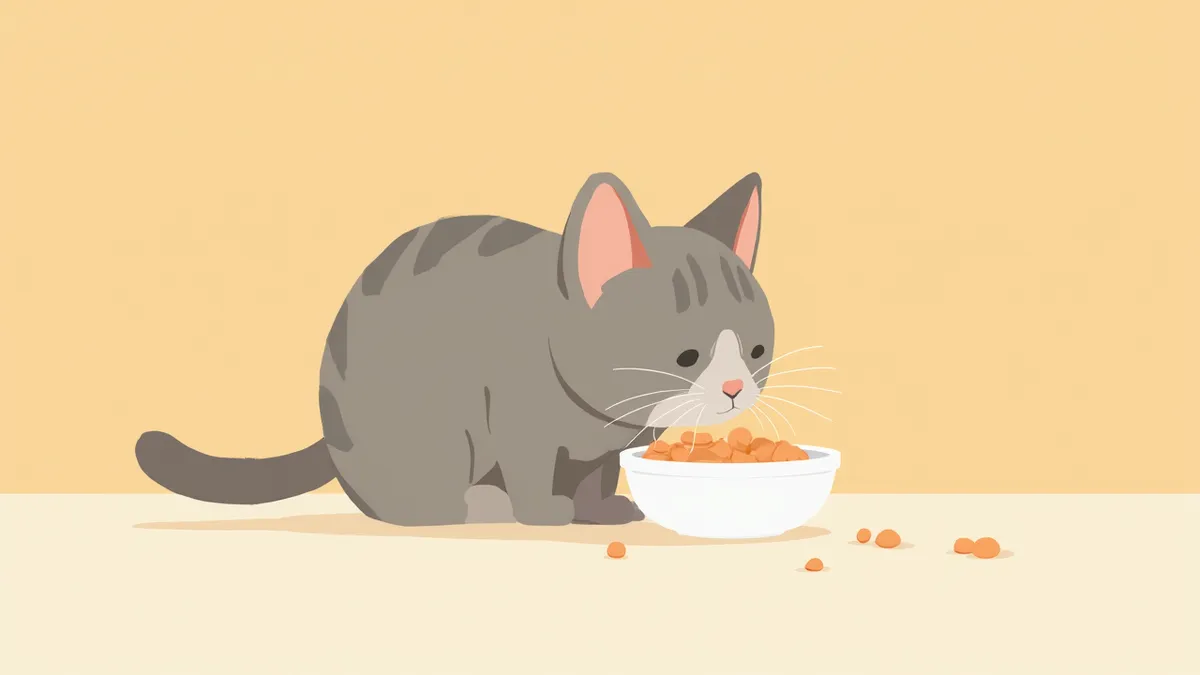
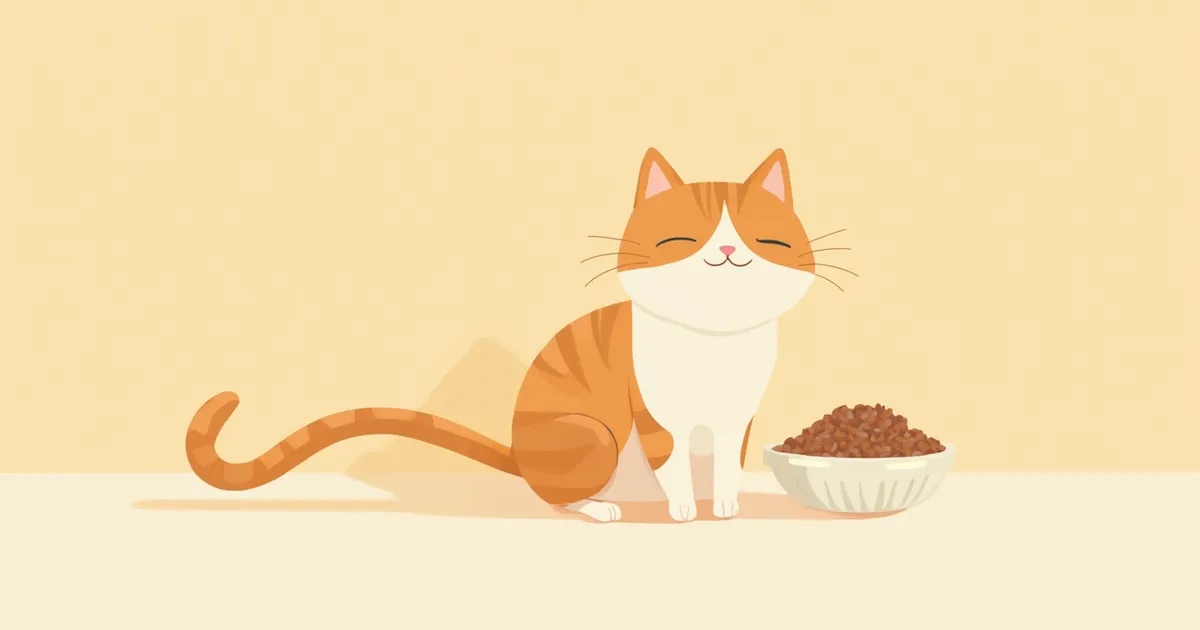
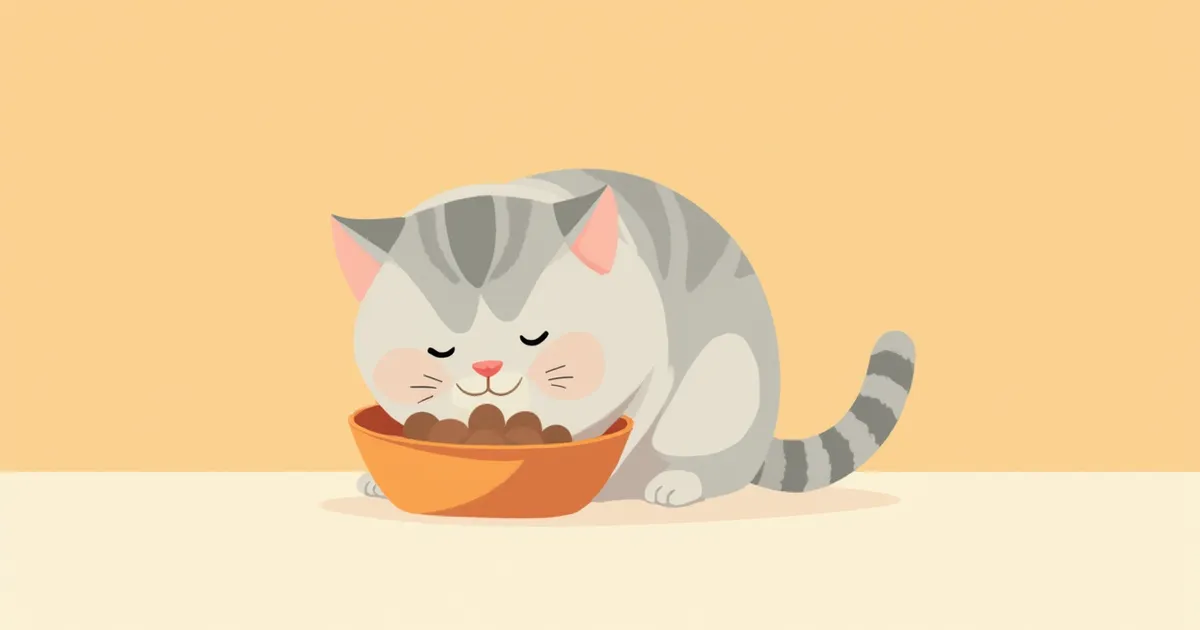
An elderly cat eating soft, easily digestible food.
If your senior cat refuses to eat or loses weight despite eating, it may be time to switch their food. Senior cat food is specially formulated for cats aged seven and older, with higher-quality protein and smaller, softer kibble to accommodate their declining digestive and dental functions. The most critical factor is digestibility. As cats age, their ability to digest and absorb nutrients can decrease due to reduced pancreatic enzyme secretion and slower gastric emptying. Therefore, the quality of the protein—specifically, how well it is digested and absorbed—is far more important than the total protein content. Veterinary textbooks recommend foods that are palatable, easily digestible, and rich in high-quality protein for senior cats. Key points to check include small, easily crumbled kibble, a high proportion of animal-based protein, and the inclusion of digestive aids such as dietary fiber.

Why Does Digestive Function Decline in Senior Cats?

As cats pass the age of seven, they enter their senior years, during which digestive enzyme production decreases and the efficiency of nutrient digestion and absorption may change. While gastrointestinal transit time is not significantly different from that of younger cats, there is considerable variation among individual seniors. If transit is too rapid, it can lead to indigestion and reduced nutrient absorption; if too slow, it may result in bacterial overgrowth in the intestines and dry, hard stools, increasing the risk of constipation. Additionally, dental wear, periodontal disease, and oral pain can make it difficult for older cats to chew larger kibble pieces or may decrease their appetite. Furthermore, many senior cats experience declining kidney function, such as in chronic kidney disease (CKD). Therefore, it is safe to provide high-quality protein in appropriate amounts while considering the burden on the kidneys. Even for foods labeled "Senior," you should verify that they address these specific needs to ensure they are truly suitable for your older cat.

5 Key Criteria for Choosing Senior Cat Food
Here are five key criteria you can check directly on the label when selecting food for your senior cat: - Kibble hardness: Ideal kibble should be soft enough to crumble slightly when gently pressed with your fingers. - Animal protein ratio: The first ingredient should be a named meat source such as chicken, salmon, or turkey. More importantly than the percentage listed, focus on whether the protein is high-quality and easily digestible and absorbable. - Kidney-friendly formulation (e.g., phosphorus control): Since chronic kidney disease is common in senior cats, a formula designed to reduce kidney strain is beneficial. (Please consult your veterinarian for specific guidelines based on blood test results.) - Digestive support ingredients: Look for the inclusion of prebiotics, dietary fibers like beet pulp, and other digestive aids. - Omega-3 fatty acids: Check for listed EPA and DHA, which support cognitive function and help manage age-related changes.
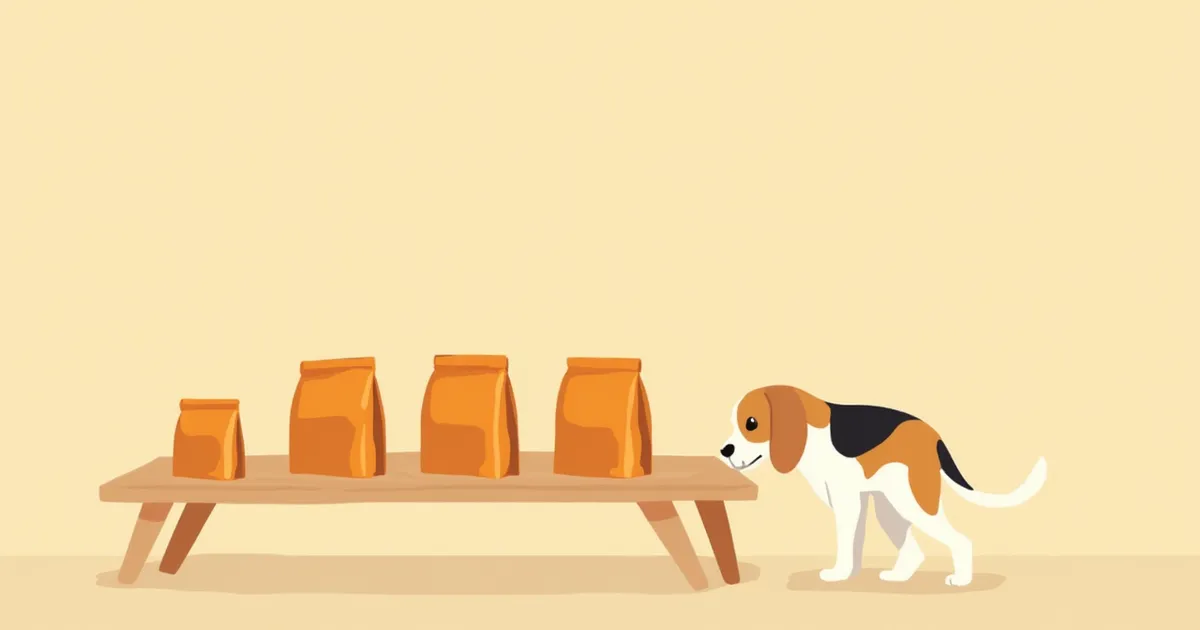
Comparison image of kibble sizes for senior cats of various sizes

Comparison Table of Top 5 Recommended Senior Cat Foods

ItemRoyal Canin Senior Consult Stage 2Hill's Science Diet Senior 7+Purina Pro Plan Senior 7+Orijen Cat SeniorAcana Indoor Senior
Main ingredient (first)Poultry mealChickenChickenFresh chickenFresh chicken
Protein content28%32.5%37%44%37%
Phosphorus0.7%0.65%0.9%1.2%1.1%
Kibble size8mm, small and soft9mm, soft10mm, medium11mm, hard10mm, medium
Digestive aid ingredientsTrueTrueTrueFalseTrue
Reference price (2kg)$30$30$30$40$40
Recommended forCats needing a renal/digestive prescription dietGeneral seniors wanting balanced nutritionActive cats needing high proteinCats wanting high protein, low carb (normal kidneys)Cats needing indoor living/weight management

List prices at official distribution channels as of May 2026 (discounts not reflected)

No. 1 — Royal Canin Senior Consult Stage 2
This is the most balanced choice among senior cat foods. Although the protein content of 28% may seem somewhat low, it primarily consists of high-quality, easily digestible proteins, resulting in good absorption efficiency and meeting the recommended standard of "highly digestible, high-quality protein" for senior cats. The phosphorus level is also relatively low at 0.7%, placing less strain on the kidneys. The kibble is the smallest at 8 mm with rounded edges, making it easy for senior cats with weakened teeth to chew. It also contains prebiotics and dietary fibers like beet pulp, which help stabilize stool consistency and manage constipation or soft stools, common issues in older cats. The drawbacks are that the cost-effectiveness is average, and it may not be suitable for cats with grain allergies.
Small kibble for senior cats and Persian cats

No. 2 — Hill’s Science Diet Senior 7+ / No. 3 — Purina Pro Plan 7+

Hill’s Science Diet Senior 7+ is the regular diet version from a brand that also offers prescription diets, so it benefits from extensive clinical experience. It is fortified with antioxidant vitamins E and C to help manage immune aging, and its 9 mm kibble is relatively soft. With a phosphorus content of 0.65%, it is also kidney-friendly. Purina Pro Plan 7+ has a protein content of 37%, the second highest among the five options, and includes antioxidant ingredients. Age-related cognitive decline (feline cognitive dysfunction) is a well-documented change in veterinary textbooks, so this formulation focused on aging support can be helpful. However, its phosphorus content of 0.9% is slightly high, so for senior cats whose kidney values are already elevated, the first or second option would be safer.

No. 4 — Orijen Cat Senior / No. 5 — Acana Indoor Senior
Orijen Cat Senior boasts an impressive 85% animal protein content, closely mirroring the natural carnivorous diet of cats. However, its 11mm kibble size is quite firm, making it unsuitable for senior cats with significant tooth wear. Additionally, its phosphorus level of 1.2% means it should only be recommended for healthy seniors with normal kidney function. Acana Indoor Senior is formulated with reduced calories and increased dietary fiber to accommodate the lower activity levels of indoor senior cats. While it excels in hairball management, its moderate kibble hardness and phosphorus content make it ideal for active early seniors aged 7–10 years.
Comparing Two Premium Senior Cat Food Options

Essential Points to Follow When Changing Food

Senior cats have sensitive digestive systems, so abruptly changing their food can cause vomiting or diarrhea, and they may develop a learned aversion to unfamiliar tastes. To transition them safely, gradually mix the new food with their current diet over at least 7 to 10 days, increasing the proportion of new food in stages: 25%, then 50%, then 75%, and finally 100%. This allows them to slowly adjust to the new flavor. If your cat loses its appetite for more than 24 hours during the transition, or if vomiting or diarrhea occurs two or more times, immediately revert to the original food and consult your veterinarian. Prolonged fasting can strain a senior cat’s liver, so if loss of appetite persists, do not wait—seek veterinary advice promptly.

How to Make Senior Cat Food Softer
If your cat’s dental health is poor, the simplest approach is to soak dry kibble in warm water (around body temperature) at a 1:1 ratio for 5–10 minutes before serving. This enhances the aroma and can help stimulate appetite. Alternatively, mixing an equal amount of wet food from the same brand with the dry kibble is also a good option. However, because soaked food promotes rapid bacterial growth, discard any uneaten portions after one hour. For senior cats diagnosed with chronic kidney disease (CKD), it is essential to switch to a veterinarian-prescribed therapeutic diet rather than a standard senior formula; please do not make this decision on your own.
Senior cats eating soaked food

Reviewed by a veterinarian

Dr. Tony — Punnawat Phongkittirak

Dr. Tony — Punnawat Phongkittirak

Veterinarian

A veterinarian who majored in veterinary medicine at Khon Kaen University, Thailand, and completed the IVSA program at North Carolina State University in the United States. Drawing on clinical experience at animal hospitals, he works in the pet healthcare field and is dedicated to building a digital care environment that connects pet parents with veterinarians.

Frequently Asked Questions

At what age should I start feeding my cat senior cat food?
We generally recommend switching to senior cat food starting at age 7. However, if your cat remains highly active and all values are normal on their health checkup, it’s fine to continue feeding adult cat food until they’re 8 or 9 years old. On the other hand, if kidney values begin to rise as early as age 6, it’s best to transition to senior food sooner.
Which is better, dry food or wet food?
Senior cats are prone to inadequate water intake, so including at least one meal of wet food daily can support kidney health. If your cat eats only dry food, consider adding a fountain-style water dispenser alongside your regular water source to encourage increased hydration.
What is the appropriate phosphorus content in pet food?
The appropriate phosphorus content for senior cats varies depending on their kidney health. Healthy older cats, those with elevated kidney markers (BUN and creatinine), and cats diagnosed with chronic kidney disease each have different requirements. If your cat has kidney disease, a veterinarian-prescribed diet restricted in phosphorus is recommended. Please consult your veterinarian to determine the right guidelines based on blood test results, rather than making decisions based solely on numbers.
Is it okay to mix different brands of pet food?
Senior cats have sensitive digestive systems, so we recommend sticking to one main food and introducing variety through treats or toppers rather than mixing multiple brands. If you do mix foods, combining dry and wet options from the same brand is the safest approach.
My pet’s stool became loose after switching to a new food. What should I do?
The transition was likely too rapid. For now, increase the proportion of the old food back to 80% and maintain this for three days to stabilize your pet’s digestive system. Then, resume the transition more gradually, over at least 14 days. If loose stools persist for more than three days or if you notice blood in the stool, please visit a veterinarian.

Share

Related Guides

References

[1] Fascetti AJ, Delaney SJ. Applied Veterinary Clinical Nutrition, 2nd Ed, Chapter 8: Commercial and Home-Prepared Diets, 2024

[2] Hand MS et al., Small Animal Clinical Nutrition, 5th Ed, Chapter on Feeding Mature Adult Cats, 2010

[3] Laflamme DP, Nutrition for aging cats and dogs and the importance of body condition, Veterinary Clinics of North America, 2005

This information is based on veterinary literature and does not replace diagnosis or treatment. Please consult a veterinarian for specific health concerns.

Metapet Co., Ltd. | CEO: Park Sung-yong | Business Reg. No. 417-88-02562 | Seoul, South Korea | Customer Center

Senior Cat Won't Eat? Top 5 Easy-Digest Foods | Meongsiljang