Like
Share
멍실장
고양이 방광·요로 처방식 사료 추천 BEST와 고르는 기준 총정리

Top 7 Prescription Diets for Feline Bladder and Urinary Tract Health Recommended by Veterinarians — Including Selection Criteria

UrinaryTop PicksMeongsiljang Veterinary Advisory Board

Prescription diets for feline bladder and urinary tract health are specially formulated foods that medically adjust mineral content and urine pH to support cats with cystitis, urolithiasis, or lower urinary tract disease. What truly matters is that the right product varies significantly depending on the type of stone.

What Are Prescription Diets for Feline Bladder and Urinary Tract Health?
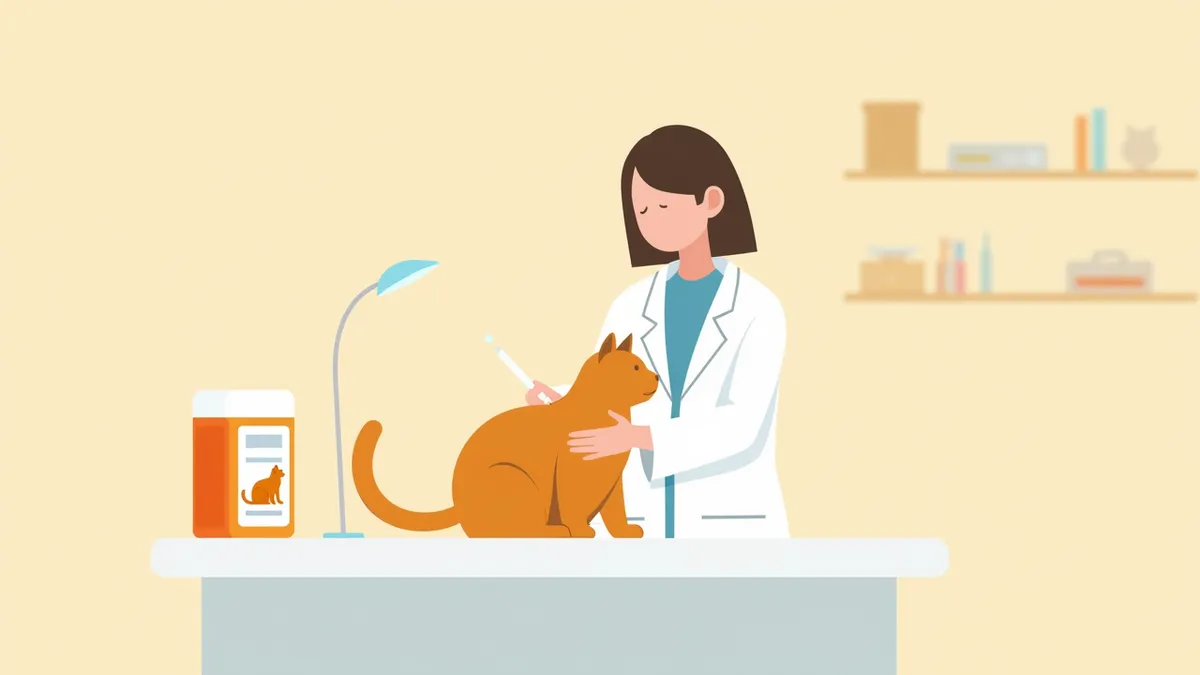
Veterinarian’s Guide to Prescription Diets for Feline Bladder and Urinary Tract Health
Prescription diets for feline bladder and urinary tract health are specially formulated foods that medically adjust mineral content and urine pH to support cats suffering from cystitis, urolithiasis, or lower urinary tract disease. The most critical point is that the appropriate product varies significantly depending on the type of stone. Struvite (magnesium ammonium phosphate) stones and calcium oxalate stones require completely opposite management strategies; switching diets without veterinary diagnosis can inadvertently promote the formation of a different type of stone. This article will compare selection criteria based on stone type and review prescription diets commonly used in Korea.

Prescription Diets Vary by Type of Lower Urinary Tract Disease

The type of lower urinary tract disease determines the specific dietary nutrients required, so confirming the diagnosis is essential.
Struvite stones: These form when magnesium and ammonium crystallize in alkaline urine. A prescription diet that acidifies the urine and reduces magnesium content is necessary.
Calcium oxalate stones: These tend to form in acidic urine and are common in older male cats. A prescription diet that prevents excessive acidification and encourages increased water intake is appropriate.
Feline idiopathic cystitis (FIC): This condition arises from stress and obesity without the presence of stones. A prescription diet that supports increased hydration and stress relief is effective.

Three Key Criteria for Choosing a Prescription Diet
Here are key points to review with your veterinarian when selecting a prescription diet.
Check moisture content: Wet food is more effective than dry food for diluting urine. Wet foods, such as those in cans or pouches, promote increased urination, which helps flush out minerals. We recommend using prescription wet food as the base and supplementing it with dry food.
Magnesium and phosphorus levels: Diets designed to dissolve struvite stones are acidifying formulas with reduced levels of magnesium, phosphorus, and protein. Be sure to check the magnesium value on the nutritional analysis label.
Target urine pH based on stone type: The target urine pH varies significantly depending on the type of stone. For struvite stones, the goal is to lower the pH to a slightly acidic range (5.5–6.5), whereas calcium oxalate stones require an alkaline environment (pH 6.6–7.5). Therefore, using acidifying products without a confirmed diagnosis can increase the risk of oxalate stone formation. It is best to verify the manufacturer’s pH adjustment range based on your pet’s specific diagnostic results.
Check the magnesium content on the prescription diet ingredient label.

Please Start Only After a Veterinarian’s Prescription

Prescription diets are not regular pet food. Feeding them without knowing the type of stone can lead to the formation of different types of stones. Please confirm the type of stone through bladder ultrasound, urine tests, and X-rays, and start the diet only after a veterinarian’s prescription. Prescription diets may not be suitable for long-term use in healthy cats.

Comparison of Prescription Diet Products for Feline Urinary Tract Health

ItemRoyal Canin Urinary S/OHill's c/d MulticarePurina UR St/Ox
Target StonesStruvite and oxalateStruvite and oxalateStruvite and oxalate
Key FeaturesEnhanced urine dilution and stone dissolutionConcurrent management of stress-induced cystitisUrine pH control and crystal inhibition
Wet LineAvailable (pouch/can)Available (can)Available (can)
Overweight Combination ProductUrinary Moderate Caloriec/d + Metabolic combined prescriptionNone separately
Prescription RequiredRequiredRequiredRequired

The lineup may change depending on product import conditions. Check with your veterinary clinic for the latest available prescription products.

Features of Recommended Prescription Diet Products
Royal Canin Urinary S/O: This is the most commonly prescribed product in Korea. It reduces the relative supersaturation (RSS) of urine, addressing both types of stones. It comes in dry, wet, and pouch formats, offering a wide range of choices.
Hill’s Prescription Diet c/d Multicare: This is primarily prescribed when stress-related feline idiopathic cystitis (FIC) and stones occur together. It contains omega-3 fatty acids, which help soothe bladder inflammation.
Purina Pro Plan UR St/Ox: This product focuses on regulating urine pH. It is frequently used for early-stage stone management.
Comparison of Recommended Prescription Diets for Feline Urinary Tract Conditions

How to Transition from Current Food to Prescription Diet

Switching your pet’s food abruptly can cause digestive upset or refusal to eat. It’s best to transition gradually over 7–10 days by slowly adjusting the ratio.
Days 1–3: 75% current food + 25% prescription diet
Days 4–6: 50% current food + 50% prescription diet
Days 7–9: 25% current food + 75% prescription diet
Day 10 onward: 100% prescription diet
If vomiting, diarrhea, or decreased appetite persists for more than two days during the transition, please contact your veterinarian right away.

Lifestyle Management Tips to Enhance the Effectiveness of Prescription Diets
Combining prescription diet with environmental improvements can enhance the effectiveness of treatment.
Increase water intake: Placing multiple water bowls around the house or using a circulating water fountain can help dilute urine. Incorporating prescription wet food can also be beneficial.
Maintain litter box cleanliness: If the litter box is dirty or inconveniently located, your pet may hold their urine, which can worsen bladder conditions. Please clean it daily.
Weight management: Obesity increases the risk of bladder disease recurrence. Please adhere strictly to the recommended feeding amounts for the prescription diet.
Cat Water Intake Booster - Circulating Water Purifier

Don’t Forget Regular Check-ups During Long-Term Feeding

It’s generally recommended to monitor the effectiveness of the prescription diet every 4 to 6 months through urinalysis, and abdominal radiographs if necessary. If the stones do not decrease in size or the urine pH remains outside the target range despite feeding the prescription diet, switching to a different product or adding further treatment may be necessary. It’s also important not to give treats or other foods alongside the prescription diet without your veterinarian’s approval.

Reviewed by a veterinarian

Dr. Tony — Punnawat Phongkittirak

Dr. Tony — Punnawat Phongkittirak

Veterinarian

A veterinarian who majored in veterinary medicine at Khon Kaen University, Thailand, and completed the IVSA program at North Carolina State University in the United States. Drawing on clinical experience at animal hospitals, he works in the pet healthcare field and is dedicated to building a digital care environment that connects pet parents with veterinarians.

Frequently Asked Questions

Can I feed prescription diet food to other healthy cats as well?
I don’t recommend it. Urinary tract prescription diets have different mineral levels than regular cat food, so feeding them long-term to a healthy cat can cause other health issues. If you have multiple cats, consider separating their feeding areas or using automatic feeders.
Can I feed only wet food instead of the prescribed dry food?
Yes, you can feed only wet food. In fact, wet food is more effective at diluting urine. However, if you feed only wet food, please ensure regular dental check-ups to maintain your pet's oral health.
Can I still give treats while my pet is on a prescription diet?
It's best to avoid giving treats whenever possible. Consistency in feeding the prescribed diet is key to maintaining its therapeutic benefits. If you must offer treats, consult your veterinarian for recommendations on products that are safe to give alongside the prescription food.
What should I do if the condition recurs even after administering prescription medication?
First, check whether your pet is drinking enough water and whether you can increase the proportion of wet food in their diet. If the problem recurs, have a urinalysis performed to reconfirm the type of urinary stones and the urine pH, and then work with your veterinarian to adjust the prescription diet or treatment plan as needed.
Does my pet need to take this prescription medication for life?
The approach depends on the type of stone. Struvite stones can sometimes be dissolved with a prescription diet, after which your pet may be transitioned to a preventive maintenance food. Calcium oxalate stones have a high recurrence rate, so long-term or lifelong feeding of a therapeutic diet may be necessary. Work closely with your veterinarian to determine the best plan for your pet through regular check-ups.

Share

Related Guides

References

[1] Fascetti AJ, Delaney SJ. Applied Veterinary Clinical Nutrition, 2nd Ed. Chapter 8: Commercial and Home-Prepared Diets. Wiley-Blackwell, 2012.

[2] Buffington CA, Chew DJ, Kendall MS et al. Clinical evaluation of cats with nonobstructive urinary tract diseases. J Am Vet Med Assoc. 1997;210(1):46-50.

[3] Little SE. The Cat: Clinical Medicine and Management. Chapter 23: Lower Urinary Tract Disease. Elsevier Saunders, 2012.

[4] WSAVA Global Nutrition Committee. Nutritional Assessment Guidelines for Dogs and Cats. J Small Anim Pract. 2011;52(7):385-396.

This information is based on veterinary literature and does not replace diagnosis or treatment. Please consult a veterinarian for specific health concerns.

Metapet Co., Ltd. | CEO: Park Sung-yong | Business Reg. No. 417-88-02562 | Seoul, South Korea | Customer Center

7 Best Vet-Recommended Cat Bladder & Urinary Diets + How to Pick | Meongsiljang