

7 Best Management Strategies for Excessive Dog Barking Recommended by Veterinarians and How to Choose
The best way to manage excessive barking in dogs depends on the underlying cause. We’ve compared and summarized the top management strategies for each type—separation anxiety, territorial defense, attention-seeking, and fear—along with guidelines for choosing the right approach.
What Is Excessive Dog Barking? Identifying the Cause Is the Starting Point of Management

Which of the 4 Types of Barking Does Your Dog Exhibit?

Visit the Vet First — These Cases May Indicate Health Issues
If your dog suddenly starts barking, especially when accompanied by a decreased appetite, limping, or lethargy, it could be due to pain or a neurological issue. In senior dogs, sudden nighttime barking may also indicate cognitive dysfunction (dementia). It’s important to have a health check-up before attempting any behavioral training.
Criteria for Choosing a Management Method — Check These 3 Factors First
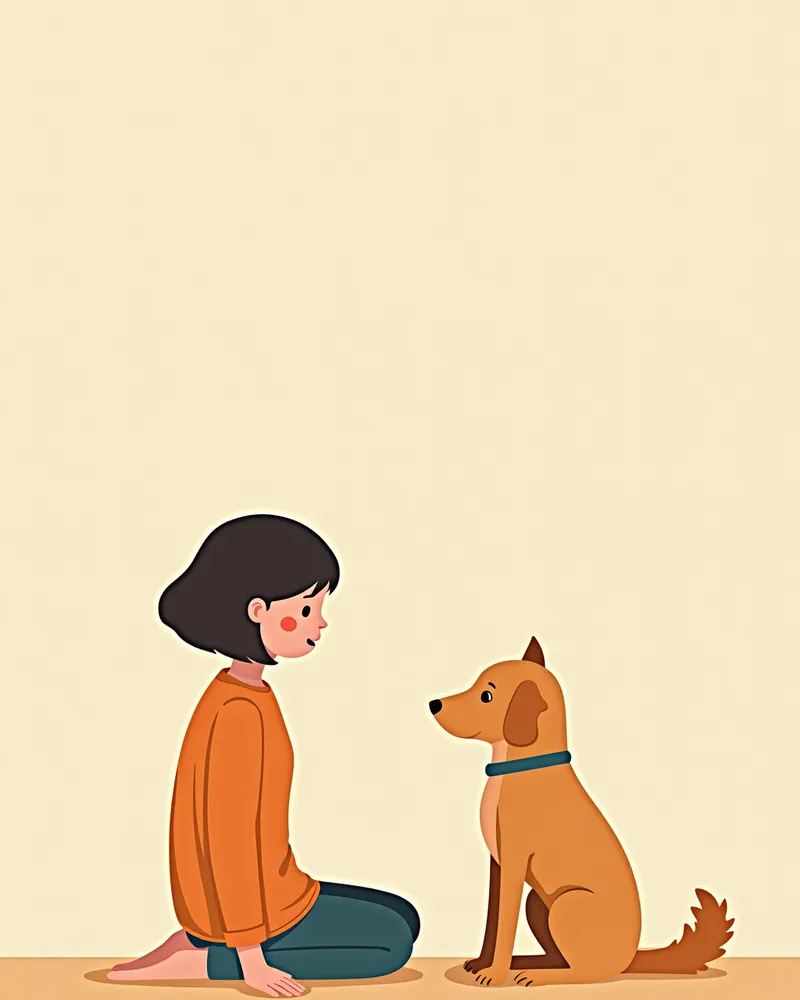
BEST 1 — Positive Reinforcement Training for the “Quiet” Command
BEST 2 — Blocking Barking Triggers (Environmental Management)
BEST 3 — Energy Release Through Exercise and Nose Work

BEST 4 — Gradual Departure Training for Separation Anxiety Barking
Comparison Table of Management Methods by Barking Type
| Item | Positive Reinforcement Training | Environmental Management | Exercise & Nose Work | Veterinary Consultation |
|---|---|---|---|---|
| Most Effective Barking Type | Attention-seeking | Territorial & alarm | Excess energy | Severe separation anxiety & pain |
| Time to Effect | 4–6 weeks | Immediate–1 week | 1–2 weeks | 1–2 months |
| Difficulty | Moderate | Easy | Easy | Professional needed |
| Owner's Role | Daily training sessions | Install supplies | Increase walks & play | Cooperate with treatment & medication |
Management methods can be used in combination. For complex types or severe cases, consultation with a veterinary behavior specialist is recommended.
Methods You Should Never Use
Yelling at or physically restraining your dog when it barks can increase its anxiety and aggression. Electric shock or strong vibration anti-bark collars can also trigger fear responses and heightened aggression, so veterinary behavior specialists do not recommend their use. Punishment-based methods don’t suppress barking; they erode the bond of trust between you and your dog.
Reviewed by a veterinarian

Dr. Tony — Punnawat Phongkittirak
VeterinarianA veterinarian who majored in veterinary medicine at Khon Kaen University, Thailand, and completed the IVSA program at North Carolina State University in the United States. Drawing on clinical experience at animal hospitals, he works in the pet healthcare field and is dedicated to building a digital care environment that connects pet parents with veterinarians.
Reviewed 2026-06-01
Frequently Asked Questions
Is it okay to use an anti-bark collar?
Why does my dog only bark at night?
At what age can you start training your dog to stop barking?
How can you tell the difference between separation anxiety barking and territorial barking?
What should I do if my dog’s barking doesn’t decrease at all despite training?
Share
Related Guides

7 Behavioral Enrichment Strategies for Mental Stimulation Recommended by Veterinarians

Top 5 Calming Supplements for Dogs and Cats in 2026

L-Theanine Effects and Calming Support

7 Best Products for Managing Canine Chronic Kidney Disease (CKD) Recommended by Veterinarians and Selection Criteria
7 Best Products and Selection Criteria for At-Home Subcutaneous Fluid Administration in Cats Recommended by Veterinarians

5 Best Omega-3 Kidney Supplements for Cats Recommended by Veterinarians

Top 7 Prescription Renal Diets for Cats Recommended by Veterinarians and Selection Criteria
7 Best PKD Management Products for Cats Recommended by Veterinarians — From Symptoms to Care

7 Emergency Management Items for Feline Acute Kidney Failure Recommended by Veterinarians — From Causes to Treatment

The Best Recommended Products for Managing Feline Acute Kidney Injury (AKI) and How to Choose Them
References
[1] Horwitz D.F., Mills D.S. (eds.), BSAVA Manual of Canine and Feline Behavioural Medicine, 2nd ed., BSAVA, 2009
[2] Landsberg G.M., Hunthausen W.L., Ackerman L.J., Behavior Problems of the Dog and Cat, 3rd ed., Saunders Elsevier, 2013
[3] Overall K.L., Manual of Clinical Behavioral Medicine for Dogs and Cats, Elsevier Mosby, 2013
[4] Herron M.E., Shofer F.S., Reisner I.R., Survey of the use and outcome of confrontational and non-confrontational training methods in client-owned dogs showing undesired behaviors, Applied Animal Behaviour Science, 117(1-2):47-54, 2009