Like
Share
멍실장
고양이 림프종 COP 치료 관리 추천 BEST와 고르는 기준 총정리

Top Recommendations and Selection Criteria for Managing Feline Lymphoma COP Therapy

Oncology/CancerTop PicksMeongsiljang Veterinary Advisory Board

COP therapy is crucial for improving the prognosis of feline lymphoma. Effective management and selecting a tailored treatment plan are key.

What is Feline Lymphoma COP Therapy?

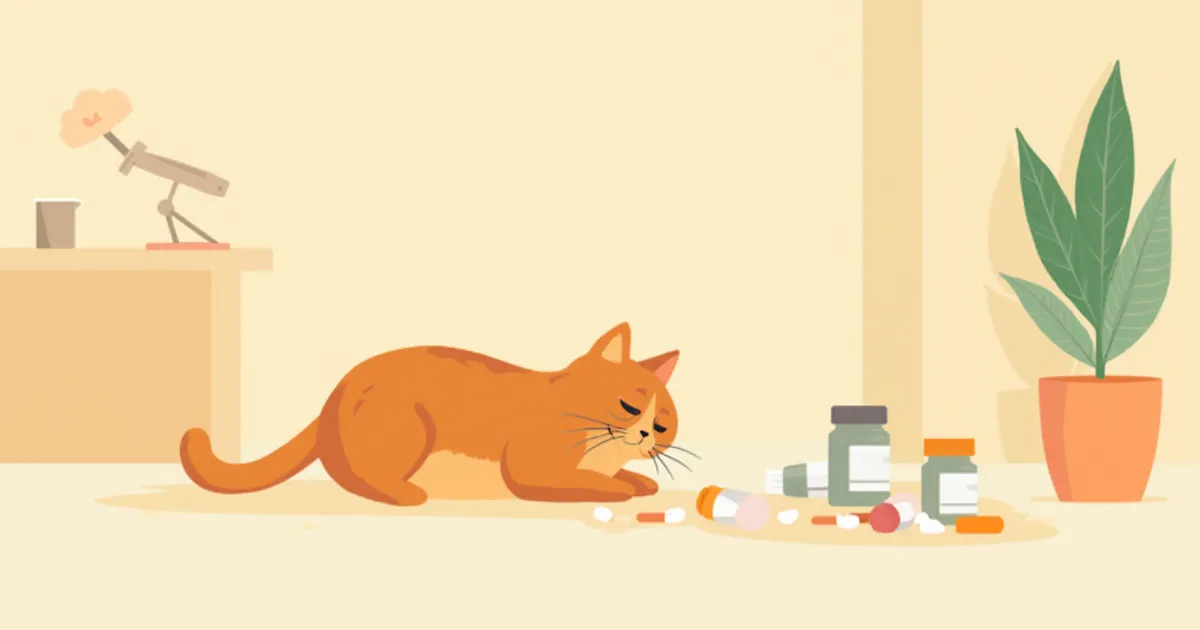
Scene of developing a treatment plan for feline lymphoma COP
COP therapy is a standard chemotherapy protocol that combines cyclophosphamide, vincristine, and prednisolone. It is one of the most representative anti-cancer protocols used for feline lymphoma, involving the continuous administration of medications according to a set schedule. However, the recommended treatment varies depending on the type of lymphoma. For low-grade (small-cell) intestinal lymphoma, a combination of prednisolone and chlorambucil is primarily used, whereas high-grade (large-cell) lymphoma often requires a more aggressive protocol. Your veterinarian will develop a treatment plan based on your cat’s weight, age, lymphoma type, and overall health status. During treatment, regular blood tests are conducted to monitor the response and any side effects. If any abnormalities arise after medication administration, please consult your veterinarian immediately.

Key Considerations When Evaluating Lymphoma COP Therapy

When selecting a treatment plan for feline COP therapy, we carefully evaluate the cat’s age, overall health status, the type of lymphoma, and the location of the lesions. - Type of lymphoma: Low-grade (small-cell) intestinal lymphoma responds well to a combination of prednisolone and chlorambucil, with high rates of complete remission (approximately 55–76%). In contrast, high-grade (large-cell) lymphoma requires more aggressive chemotherapy protocols. - Lesion location and stage: We determine the extent of spread to formulate a treatment plan, but it is well established in cats that staging alone does not always dictate prognosis. - Blood test results: White blood cell counts, particularly neutrophil levels, help determine the appropriate dosage and schedule for chemotherapy. - Overall condition: We assess general well-being, including energy levels and appetite, so the veterinarian can provide a comprehensive evaluation and develop a tailored treatment plan. Starting treatment without a precise diagnosis may result in reduced efficacy.
A cat receiving stable COP treatment

Key Point 1: What Kind of Treatment is COP?
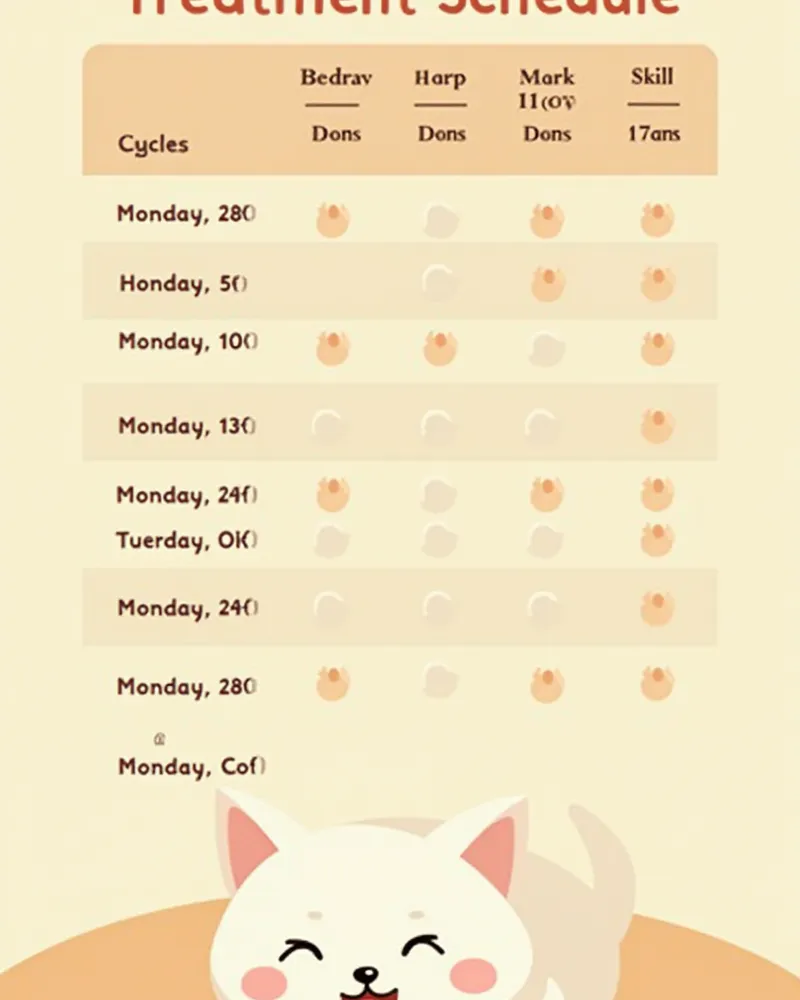
COP is a chemotherapy protocol that combines three drugs—cyclophosphamide, vincristine, and prednisolone—and is one of the treatment options for feline lymphoma. Since lymphoma is a tumor of the blood and lymphatic systems, chemotherapy is often the primary treatment rather than surgery. COP is a standardized treatment administered on a set schedule, so it is carried out systematically under the care of an oncology specialist. The most appropriate protocol depends on the type and stage of the lymphoma.
What kind of treatment is COP? Related guide image

Key Point 2: Accurate Diagnosis and Treatment Planning Come First

Before starting treatment, a biopsy or cytology is performed to confirm the diagnosis of lymphoma and determine the stage of disease spread, which helps establish a comprehensive treatment plan. Even within lymphoma, responses and prognoses vary by subtype, so it’s important that a veterinarian with oncology experience manages the treatment protocol. Medications must be administered at the prescribed doses and schedules; owners should not adjust them independently. Discuss and clearly define the treatment goals—such as achieving remission or maintaining quality of life—with your veterinarian.
An accurate diagnosis and treatment plan come first. See the related guide image.

Key Point 3: Managing Side Effects and Quality of Life

Cancer treatment can affect bone marrow function and cause gastrointestinal side effects, so we monitor your pet’s condition with regular blood tests throughout the process. It’s important to keep track of their appetite, energy levels, and any vomiting at home, and to report any concerns to us right away. In veterinary oncology, we often prioritize maintaining quality of life by keeping side effects milder than in human medicine. We’ll adjust the treatment plan based on how well it’s working and how your pet tolerates it, so please stay in close communication with your veterinarian.
We consider both side effect management and quality of life. Related guide image

Key Points to Know About Lymphoma COP Therapy

ItemKey Points
Treatment overviewCombination chemotherapy of cyclophosphamide, vincristine, and prednisolone
Diagnosis/planningAfter confirmation and staging by biopsy, the plan is established in oncology care
Administration principleFollow the set dose and schedule; no arbitrary adjustment
Side-effect managementRegular blood tests; observe and record appetite, energy, and vomiting
ConsultationDiscuss treatment goals (remission, quality of life) and adjustments closely with the veterinarian

This isn't a table recommending specific products or clinics; it's a reference for discussing with your veterinarian. Always make treatment and testing decisions together with your veterinarian through an examination.

Caution: Contraindications and Side Effect Management During COP Therapy

During COP treatment, side effects such as leukopenia (low white blood cell count), vomiting, and diarrhea may occur. Since a weakened immune system increases the risk of infection, it is important to limit outdoor activities and maintain a clean environment. If side effects become severe, consult your veterinarian immediately.

Owner Checkpoints for Successful COP Therapy

- Regular monitoring: Blood tests (CBC) are performed before each chemotherapy session and weekly afterward, with dosage and scheduling adjusted based on neutrophil counts. - Medication tracking: Record the time and your pet’s condition each time medication is administered. - Dietary care: Consistently provide the diet recommended by your veterinarian. - Stress reduction: Maintain a calm environment to support your pet’s comfort and well-being. - Emergency preparedness: Seek immediate veterinary care if vomiting, fever, or lethargy persists. - Treatment adherence: Follow the scheduled appointments and medication regimen as directed.
Owner Checklist for Successful Treatment of Feline Lymphoma with COP

Reviewed by a veterinarian

Dr. Tony — Punnawat Phongkittirak

Dr. Tony — Punnawat Phongkittirak

Veterinarian

A veterinarian who majored in veterinary medicine at Khon Kaen University, Thailand, and completed the IVSA program at North Carolina State University in the United States. Drawing on clinical experience at animal hospitals, he works in the pet healthcare field and is dedicated to building a digital care environment that connects pet parents with veterinarians.

Frequently Asked Questions

How long does COP treatment typically last?
The treatment typically progresses continuously over several months (approximately 3 to 6 months) and is adjusted based on the response. Your veterinarian will evaluate your pet regularly.
How long can my pet live after COP treatment?
Prognosis varies widely depending on the type of lymphoma and the individual dog. For example, dogs with low-grade (small-cell) intestinal lymphoma that achieve complete remission have been reported to have a median survival time of approximately 14 to 36 months. Please discuss your pet’s specific prognosis with your veterinarian during your consultation.
What home care can I do while my dog is being treated for COP?
Regular meals, medication logs, a clean environment, and stress reduction are key. Use the diet recommended by your veterinarian.
When is COP treatment not an option?
If the initial treatment response is weak or the condition recurs, other protocols can be considered. Consult with your veterinarian based on the type and stage of lymphoma.
How often does COP recur after treatment?
While it's difficult to provide a uniform recurrence rate, lymphoma can recur, so regular check-ups and care are important for early detection.

Share

Related Guides

References

[1] Clinical Medicine of the Dog and Cat, 4th Ed, 2023

[2] The Cat, Clinical Medicine and Management, 2nd Edition, 2021

[3] 100 Top Consultations in Small Animal General Practice, 2022

This information is based on veterinary literature and does not replace diagnosis or treatment. Please consult a veterinarian for specific health concerns.

Metapet Co., Ltd. | CEO: Park Sung-yong | Business Reg. No. 417-88-02562 | Seoul, South Korea | Customer Center

Feline Lymphoma COP Therapy: Best Picks & How to Choose | Meongsiljang