Like
Share
멍실장
강아지가 창가에 편안하게 누워 있는 평온한 장면

7 Veterinarian-Recommended Tips for Improving Quality of Life and Palliative Care for Dogs with CKD

KidneyTop PicksMeongsiljang Veterinary Advisory Board

For dogs with chronic kidney disease (CKD), the focus is on management that improves quality of life rather than curative treatment. With proper dietary adjustments and daily care, you can help alleviate symptoms and maintain a comfortable, happy life for your pet.

What Is Quality of Life and Palliative Care for Dogs with CKD?
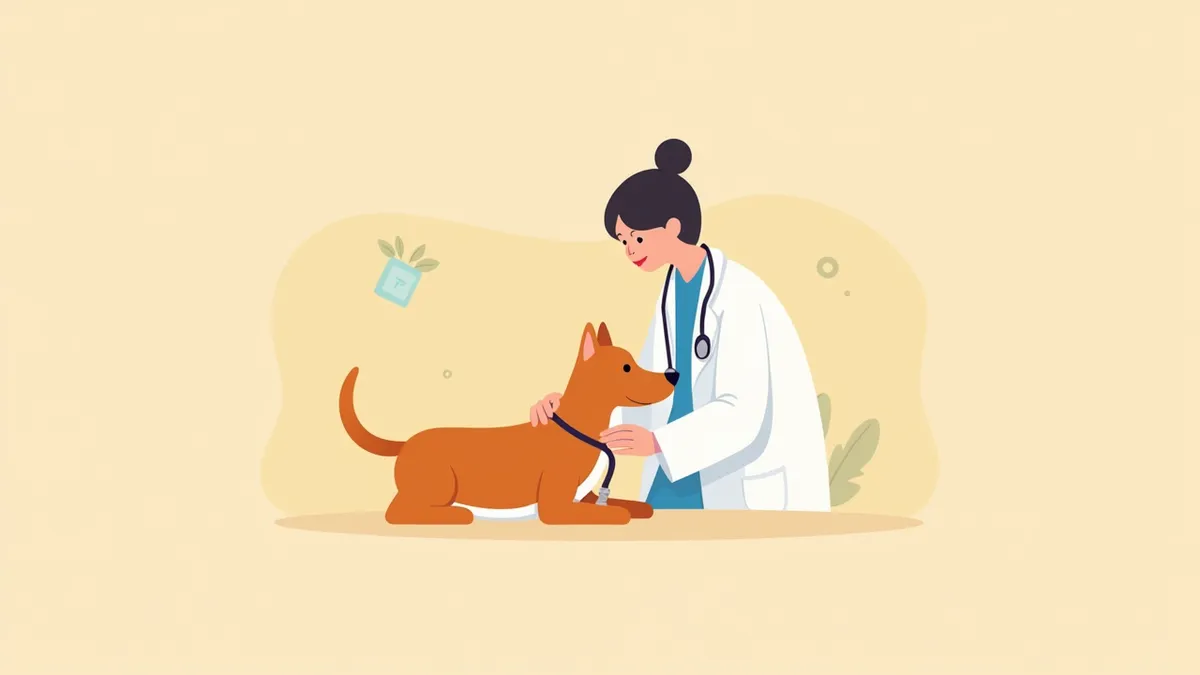
A veterinarian examining an elderly dog
Chronic kidney disease (CKD) in dogs is a chronic condition that is difficult to cure, so the key lies in management aimed at improving quality of life. - Symptom relief: It is important to reduce symptoms such as vomiting, dehydration, and fatigue to help your dog live comfortably. - Dietary management: Focus on reducing kidney burden and slowing the decline in function through a low-protein, low-phosphorus, and low-sodium diet. - Fluid therapy: Depending on the condition, fluids are administered via intravenous or subcutaneous injection to reduce the risk of dehydration and restore and maintain hydration. - Nutritional support: Maintain adequate caloric intake, and if hypokalemia is confirmed, potassium supplementation is provided based on the veterinarian’s assessment. Continuously monitor nutritional status, including body weight and muscle mass, and address any deficiencies tailored to the individual dog. - Regular check-ups: Monitor the condition and adjust the treatment plan through blood and urine tests. All these elements work together to continuously enhance your dog’s quality of life.

Key Points to Know: When Managing CKD Palliatively

When choosing a management product for your dog’s chronic kidney disease (CKD), it’s important to consider effectiveness, safety, ease of administration, and nutritional balance. A comprehensive evaluation of each factor will help you make the best choice for your pet.
Dietary Suitability: A low-protein, low-phosphorus diet is essential to reduce the burden on the kidneys.
Nutritional Support: The product should include kidney-supporting ingredients such as vitamin E, omega-3 fatty acids, and amino acids.
Palatability and Acceptance: Your dog must enjoy the taste to ensure long-term compliance.
Veterinarian Recommendation: Products developed based on clinical research tend to offer greater safety and reliability.
A dog bowl designed to be gentle on both hydration and kidney health

Key Point 1: The Goal of Palliative Care Is Comfort and Quality of Life
While chronic kidney disease (CKD) is difficult to cure as it progresses, palliative care is essential to alleviate symptoms and help your pet spend their remaining time comfortably. This approach focuses on maintaining quality of life by managing symptoms such as nausea, loss of appetite, dehydration, and lethargy. Palliative care is not about giving up on treatment; rather, it is proactive care designed to reduce your pet’s discomfort and enhance their well-being. It is important to work with your veterinarian to establish clear care goals.
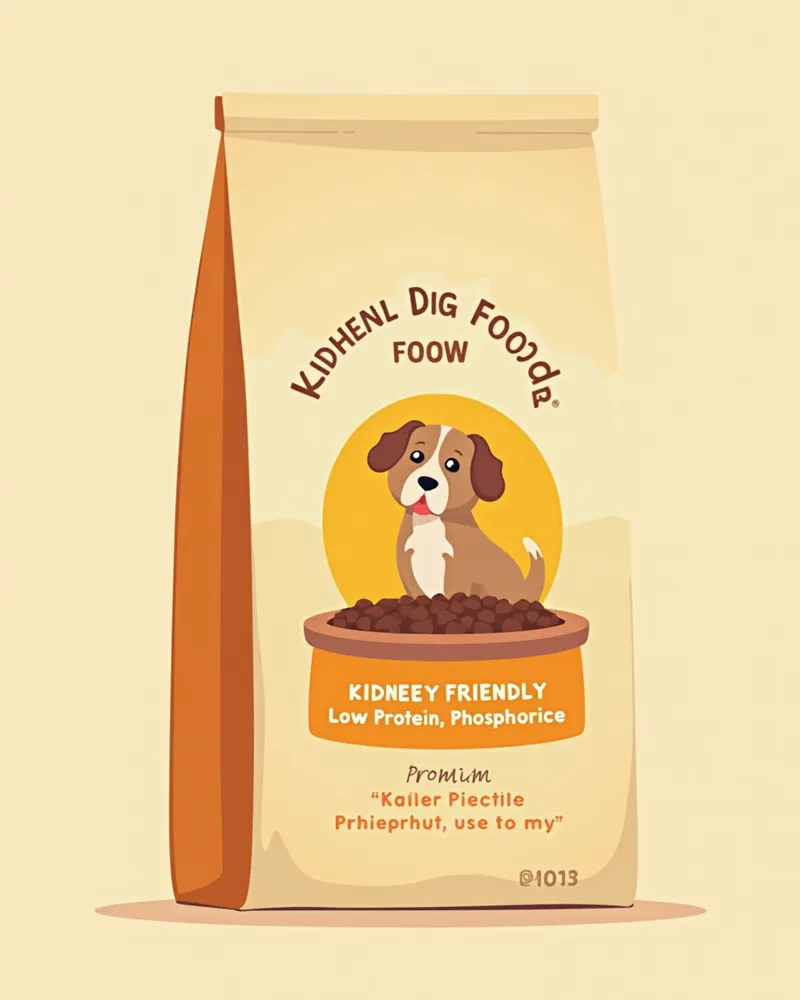
Low-protein, low-phosphorus diet box

Key Point 2: The Core Focus Is Hydration, Diet, and Symptom Management

In managing chronic kidney disease (CKD), maintaining adequate hydration is essential; in some cases, subcutaneous fluids may be administered at home. It’s important to encourage your pet to eat a prescription diet designed to reduce the workload on the kidneys, and if nausea or vomiting occurs, appetite stimulants prescribed by your veterinarian can help. Phosphorus levels and anemia may also require management. Since care plans vary depending on each individual’s condition, it’s best to consult with your veterinarian to determine the most appropriate approach for your pet.
Bottle of Vitamin E and Omega-3 Supplement for Dogs

Key Point 3: Make Decisions by Monitoring Quality of Life Together

During the palliative care phase, it’s important to consistently monitor daily changes in appetite, energy levels, pain, and bathroom habits to assess your pet’s quality of life. Keeping a record of good days and difficult days can be helpful when discussing their condition with your veterinarian. It’s also beneficial to adjust care strategies based on your pet’s status and work together to determine what choices will provide the most comfort for your beloved companion. Additionally, sharing caregiving responsibilities is crucial to prevent caregiver burnout.
Your puppy happily drinking a delicious hydration supplement.

Important Considerations for CKD Palliative Care

ItemKey Points
GoalSymptom relief, comfort, and maintaining quality of life rather than a cure
Fluid ManagementMaintain adequate hydration, and administer subcutaneous fluids at home if necessary
Diet & SymptomsRenal prescription diet; nausea, anemia, and phosphorus management by veterinary prescription
Quality of Life AssessmentObserve while recording changes in appetite, vitality, pain, and bathroom habits
ConsultationAdjust and decide management methods and choices together with a veterinarian

This is not a table recommending specific products or clinics, but criteria to refer to when consulting a veterinarian. Always make treatment and testing decisions together with a veterinarian through consultation.

Precautions and Contraindications

Using canine chronic kidney disease (CKD) management products indiscriminately without a veterinarian’s prescription can actually place additional strain on the kidneys. In particular, excessive intake of protein or phosphorus is strictly contraindicated.

Usage Tips and Management Points

Managing your dog’s chronic kidney disease (CKD) requires consistent, everyday care. Here are some tips to help you manage it effectively:
Always prioritize water access: Keep fresh water available at all times and place multiple water bowls around your home.
Stick to a regular feeding schedule: Consistent meal times help reduce stress.
Regular check-ups are essential: Follow your veterinarian’s recommended schedule (e.g., one week after diagnosis, then at 1, 3, and 6 months) for blood and urine tests to monitor kidney function.
Maintain a stable environment: Minimize noise, sudden changes, and unexpected interactions with other animals.
Watch for behavioral changes: Contact your vet immediately if you notice increased sleepiness, decreased appetite, or lethargy.
A puppy resting comfortably while drinking water.

Reviewed by a veterinarian

Dr. Tony — Punnawat Phongkittirak

Dr. Tony — Punnawat Phongkittirak

Veterinarian

A veterinarian who majored in veterinary medicine at Khon Kaen University, Thailand, and completed the IVSA program at North Carolina State University in the United States. Drawing on clinical experience at animal hospitals, he works in the pet healthcare field and is dedicated to building a digital care environment that connects pet parents with veterinarians.

Frequently Asked Questions

Can chronic kidney disease (CKD) in dogs be cured?
While a complete cure remains challenging at this time, proper management can help maintain your pet’s quality of life for a long period. However, the progression of the condition varies significantly from one individual to another, so it’s important to work closely with your veterinarian to provide consistent care and adjust the treatment plan as needed based on your pet’s changing condition.
My dog won’t eat when I change its diet. What should I do?
Don’t switch abruptly; instead, gradually mix the new food with the old over about a week. Choose a product with a similar flavor, or try mixing in a little fish broth or meat stock to encourage acceptance.
Should I give my pet supplements every day?
Please follow the dosage and schedule prescribed by your veterinarian. Ingredients like potassium should only be supplemented when a deficiency (hypokalemia) is confirmed, as arbitrary overdosing can place an unnecessary burden on your pet.
Why is hydration so important?
Canine chronic kidney disease (CKD) is often accompanied by dehydration, and insufficient fluid intake can lead to further accumulation of waste products, worsening the condition. It’s important to help your dog stay hydrated by offering wet food or moisture-rich snacks, and if necessary, consult your veterinarian about fluid therapy.
Will living with other dogs cause any problems?
A quiet, stable environment helps your puppy feel at ease. Set up a dedicated quiet space and adjust interactions with other dogs based on your puppy’s condition.

Share

Related Guides

References

[1] Osborne, C.A., et al. (2006). Clinical evaluation of dietary modification for treatment of spontaneous chronic kidney disease in cats. J. Am. Vet. Med. Assoc. 229: 949–957.

[2] Hahn, K., et al. (1998). Vitamin E supplementation in chronic kidney disease: effects on oxidative stress and progression. Am J Kidney Dis. 32(4): 654–661.

[3] Plumb's Veterinary Drug Handbook, 9th Ed. (2022). Wiley-Blackwell. Chapter on Renal Support Therapies.

This information is based on veterinary literature and does not replace diagnosis or treatment. Please consult a veterinarian for specific health concerns.

Metapet Co., Ltd. | CEO: Park Sung-yong | Business Reg. No. 417-88-02562 | Seoul, South Korea | Customer Center

7 Vet Tips for CKD Quality of Life & Palliative Care in Dogs | Meongsiljang