

Late-Stage Chronic Kidney Disease in Dogs: A Care Guide for Pain Relief and Quality of Life
Chronic kidney disease (CKD) in dogs can significantly impact quality of life due to the gradual decline in kidney function. With proper diagnosis and supportive care, symptoms can be managed and quality of life improved.
Canine Chronic Kidney Disease (CKD) Is a Condition of Gradual Decline in Kidney Function
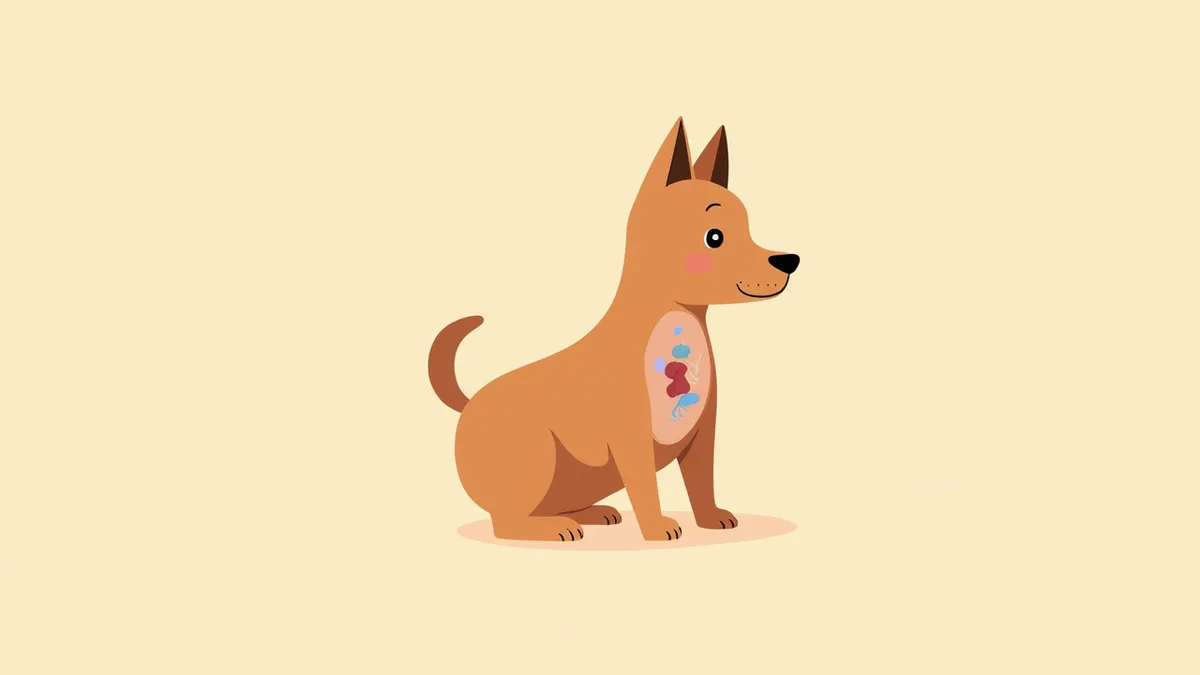
The Main Causes Are Multifactorial, Including Age, Genetics, Diet, and Infection
Main Symptoms Include Vomiting, Decreased Appetite, Polyuria and Polydipsia, and Weight Loss

Emergency Signs Requiring Immediate Veterinary Visit
If your dog shows severe vomiting, a sudden drop in urine output (oliguria or anuria), decreased consciousness, difficulty breathing, or signs of severe dehydration (dry lips, reduced skin elasticity), immediate veterinary care is essential. These symptoms may indicate a rapid decline in kidney function or the development of complications. Delaying treatment can be life-threatening, so prompt action is crucial.
Diagnosis Is Accurately Confirmed via Blood Tests, Urinalysis, and Ultrasound

Treatment Proceeds in Stages with Dietary Management, Medication, and Fluid Therapy

Home Care Centers on Diet, Hydration, Activity, and Regular Check-ups
Certain Breeds Have a Higher Risk of Developing CKD and Require Attention
Certain breeds have a genetic predisposition that increases their risk of developing chronic kidney disease (CKD), such as Shar-Peis and Beagles (amyloidosis), Cairn Terriers and Bull Terriers (polycystic kidney disease), and Shih Tzus and Golden Retrievers (renal dysplasia). These congenital forms can manifest at a relatively young age, and the risk increases with age, so regular kidney function screenings are recommended. Early detection and management can significantly improve quality of life, making breed-specific prevention essential.
Reviewed by a veterinarian

Dr. Tony — Punnawat Phongkittirak
VeterinarianA veterinarian who majored in veterinary medicine at Khon Kaen University, Thailand, and completed the IVSA program at North Carolina State University in the United States. Drawing on clinical experience at animal hospitals, he works in the pet healthcare field and is dedicated to building a digital care environment that connects pet parents with veterinarians.
Reviewed 2026-06-05
Frequently Asked Questions
Can a dog's CKD be cured?
Why is dietary management important?
How often should my pet have check-ups with the vet?
What should I do if my dog has no appetite?
What changes occur as chronic kidney disease progresses?
Share
Related Guides

Top 5 Prescription Diets for Cats with Chronic Kidney Disease — Stage-Specific Protein Adjustment

7 Emergency Signs and Causes of Acute Kidney Failure in Dogs You Must Not Miss

Top 5 Cat Kidney Supplements Recommended for 2026

If Your Dog Is Constantly Drinking Water and Panting — Symptoms and Treatment Timing for Ectopic ACTH Syndrome

Complete Guide to Canine Cushing’s Diagnostic Tests (LDDS & HDDS) — Interpreting Results and Treatment Timing

If Your Cat Keeps Losing Hair and Itching — Causes and Treatment of Sex Hormone-Related Skin Conditions

If Your Cat’s Behavior Seems Off — Symptoms, Diagnosis, and Treatment Timing for Pituitary Tumors

Sudden Blood Pressure Abnormalities in Cats — Symptoms and Treatment of Feline Pheochromocytoma (Chromaffin Cell Tumor)

Is Your Cat’s Weight Gain a Path to Diabetes? — Causes and Management of Obesity and Insulin Resistance

When Your Cat Keeps Stumbling — Suspected Insulinoma Symptoms and When to Visit the Vet
References
[1] Plumb's Veterinary Drug Handbook, 9th Edition, 2022. Wiley-Blackwell.
[2] Osborne, C.A., et al. (2006). Clinical evaluation of dietary modification for treatment of spontaneous chronic kidney disease in cats. Journal of the American Veterinary Medical Association, 229(7), 949–957.
[3] Kirk, C.A., et al. (2019). Chronic kidney disease in dogs and cats: A review of pathophysiology and management. Veterinary Clinics of North America: Small Animal Practice, 49(3), 485–505.