Like
Share
멍실장
강아지 쿠싱 증후군(부신피질기능항진증) 증상과 원인, 진단·치료와 관리 포인트 총정리

If Your Dog Drinks Excessive Water and Has a Distended Abdomen — Symptoms and Treatment of Cushing’s Syndrome

EndocrineDiseasesMeongsiljang Veterinary Advisory Board

Canine Cushing’s syndrome is an endocrine disorder caused by excessive cortisol secretion from the adrenal cortex, with primary symptoms including excessive thirst, frequent urination, and abdominal enlargement. Early diagnosis and proper management are essential.

What Is Canine Cushing’s Syndrome?
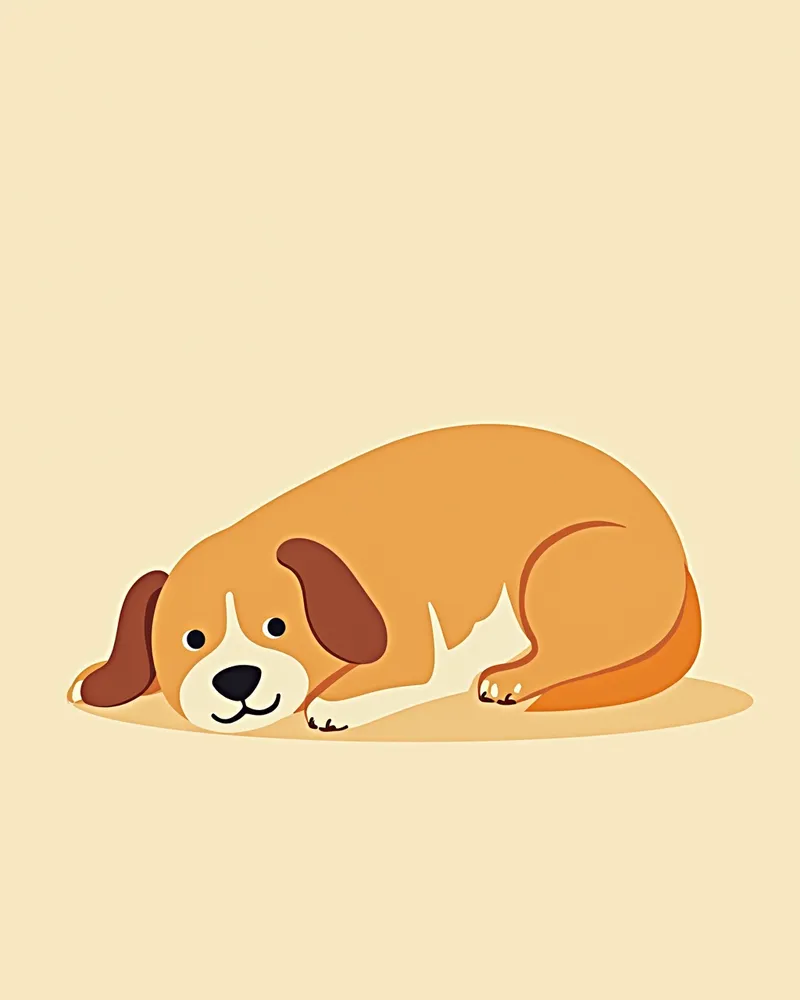
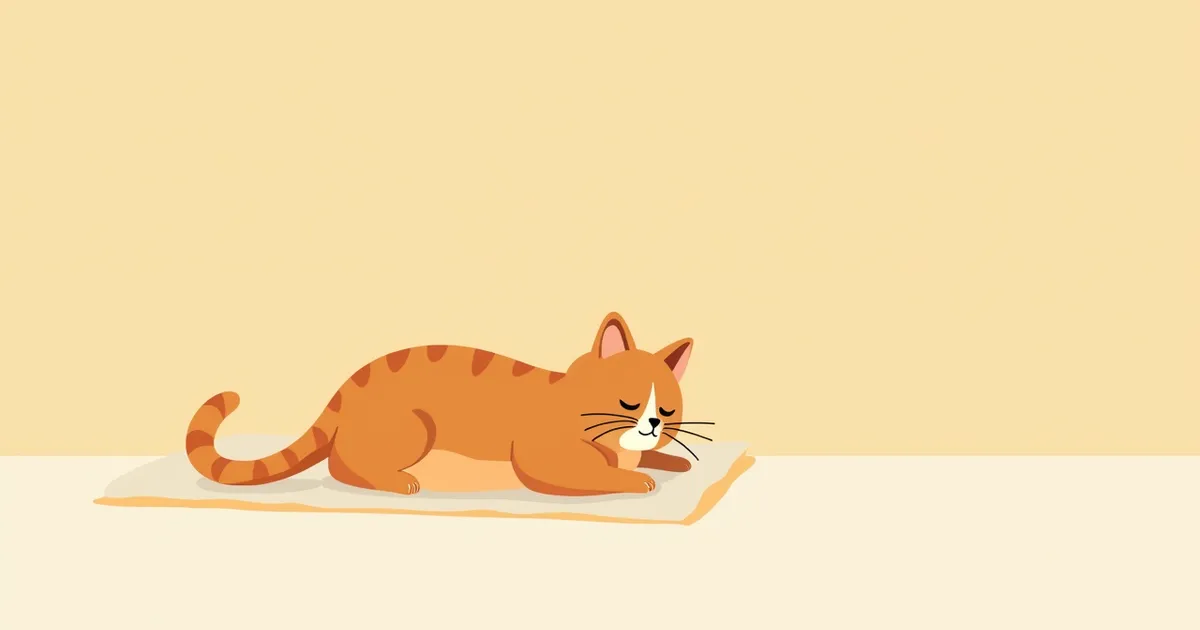
Abdominal enlargement as a symptom of Cushing’s disease in dogs
Cushing’s disease in dogs is an endocrine disorder caused by excessive secretion of cortisol (a glucocorticoid) from the adrenal cortex. This hormonal imbalance affects various bodily functions. It primarily occurs in middle-aged to senior dogs, with the risk increasing with age. Certain breeds, such as Dachshunds, Boxers, Boston Terriers, Miniature Poodles, and Beagles, are more frequently affected. Common symptoms include a distended abdomen (abdominal enlargement), excessive thirst, increased urination, lethargy, and muscle weakness. Because symptoms develop gradually, careful observation by pet owners and early detection are crucial. This condition is a chronic disease that requires lifelong management.

What Are the Main Causes of Cushing’s Syndrome?
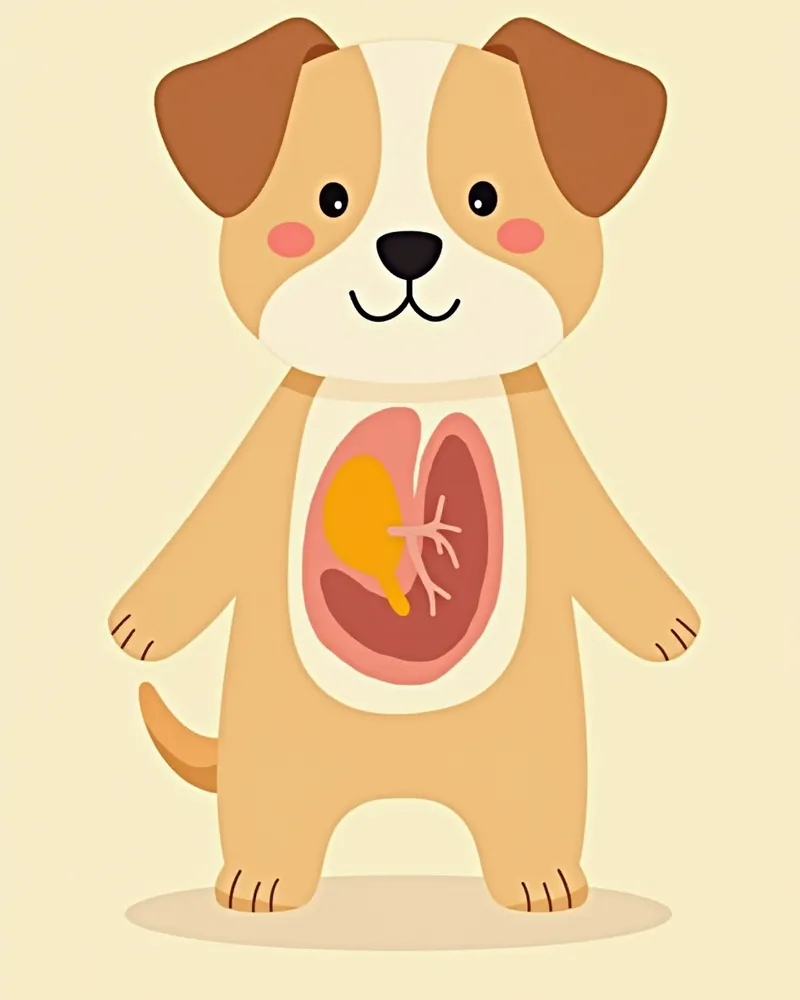
The most common cause of Cushing’s disease in dogs is excessive secretion of ACTH due to a pituitary tumor, which stimulates the adrenal cortex to overproduce cortisol. Approximately 85% of cases are pituitary-dependent Cushing’s disease, while the remaining 15% are caused by tumors in the adrenal cortex itself. Pituitary-dependent cases usually involve benign tumors that gradually enlarge and increase hormone secretion. In adrenal-dependent cases, where the tumor is confined to the adrenal cortex, surgery may be more effective than medication. Accurately identifying the underlying cause is essential for developing an appropriate treatment plan.
The pituitary gland and adrenal cortex, which are the causes of Cushing's disease in dogs

Check for Key Symptoms and Signs

The symptoms of Cushing’s disease in dogs develop gradually, making them easy for owners to overlook. Pay close attention to the following signs:
Excessive thirst: Your dog drinks significantly more water than usual.
Increased urination: Along with increased water intake, your dog will urinate more frequently and in larger volumes (polyuria).
Abdominal distension: The abdomen becomes noticeably swollen, often taking on a "pot-bellied" appearance.
Hair loss and skin thinning: Symmetrical hair loss occurs, the skin becomes thin, and wounds heal slowly.
Persistent lethargy: Your dog shows reduced energy, pants frequently, and is less active.
Increased appetite: Your dog eats more than usual and frequently begs for food (polyphagia).
Main symptoms of Cushing's disease in dogs

Signs Requiring Immediate Veterinary Visit

If your dog suddenly loses its appetite and shows signs of vomiting, diarrhea, or difficulty breathing, you should take it to the vet immediately. This could indicate that Cushing's syndrome is worsening or that complications have developed. Early diagnosis is especially important because high blood pressure or diabetes may also be present.

Diagnostic Tests for Accurate Diagnosis
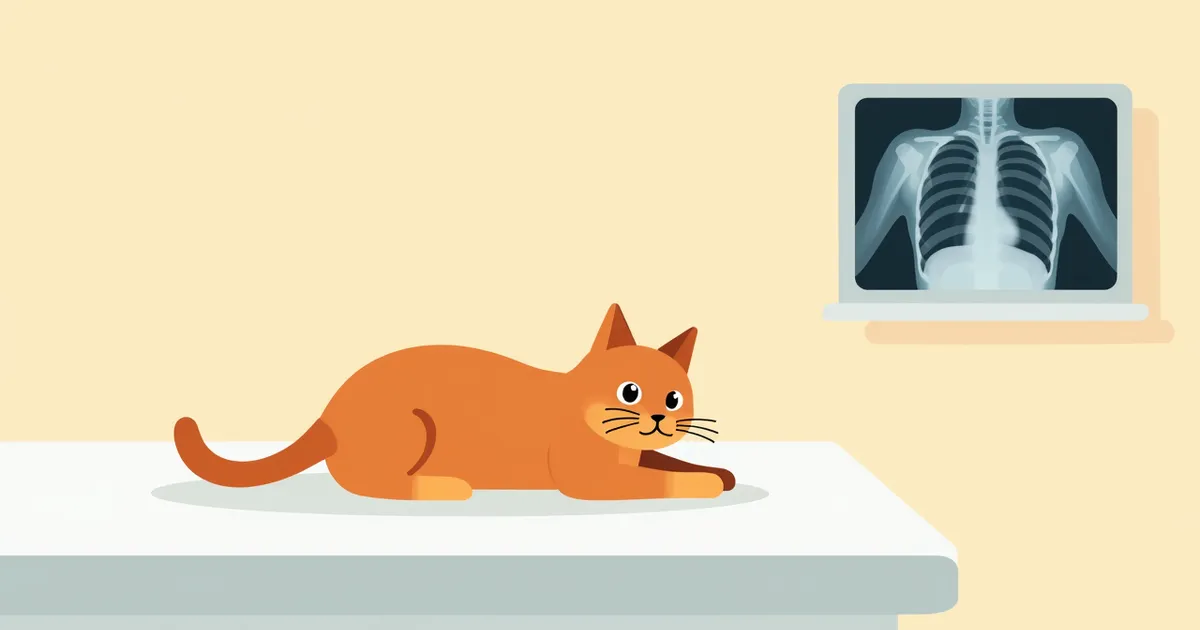
Cushing’s disease is difficult to diagnose based on symptoms alone, so accurate testing is essential. The most common tests are the ACTH stimulation test and the dexamethasone suppression test. The ACTH stimulation test involves administering synthetic ACTH and then drawing blood to measure changes in cortisol levels, which helps evaluate adrenal cortex function. The dexamethasone suppression test involves administering dexamethasone and observing changes in cortisol levels, which helps differentiate between pituitary-dependent and adrenal-dependent forms. In particular, the high-dose dexamethasone suppression test can identify the underlying cause in about 75% of dogs. If needed, an abdominal ultrasound may be performed to check for adrenal tumors, or brain CT or MRI scans may also be conducted. By comprehensively analyzing the test results, we can make an accurate diagnosis, and early detection helps in developing an effective treatment plan.
The blood collection process for diagnosing Cushing’s disease in dogs

Treatment Methods and Step-by-Step Management
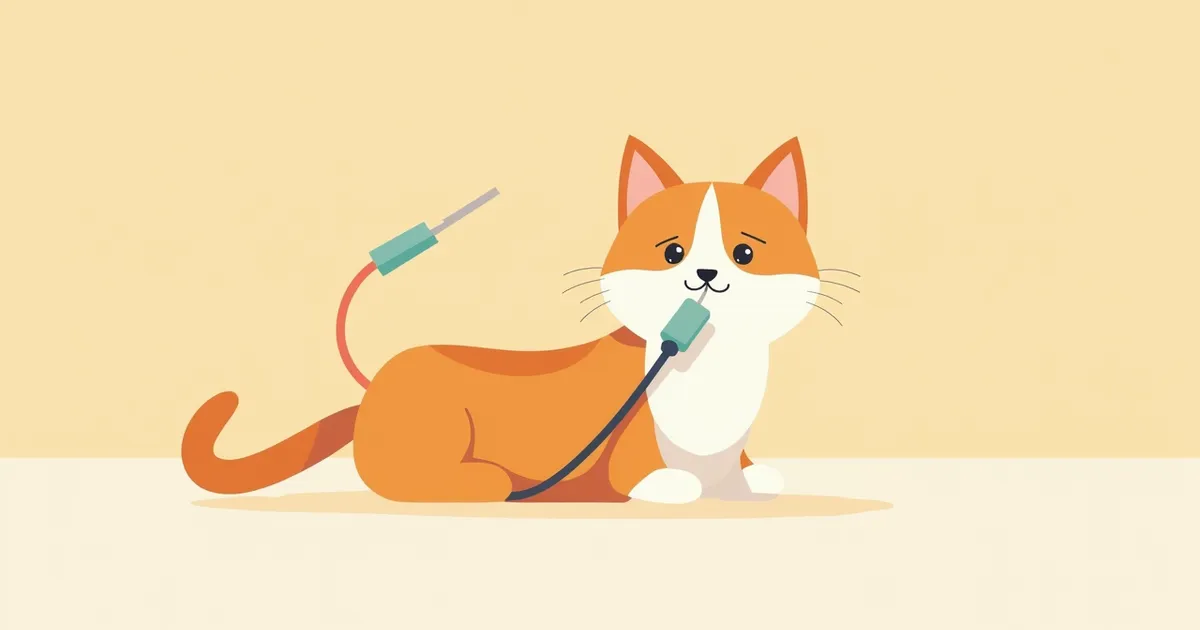
The primary treatment for Cushing’s syndrome is medication, with trilostane being the most commonly prescribed drug. Trilostane works by inhibiting hormone production in the adrenal cortex, thereby lowering cortisol levels. Initially, it is administered every 12 hours, and the dosage is adjusted once symptoms improve. Regular monitoring through periodic check-ups is essential during treatment. Missing doses or discontinuing the medication can lead to symptom recurrence. The goal of therapy is to alleviate symptoms and enhance your pet’s quality of life, making consistent veterinary care and cooperation crucial.
A scene of a puppy taking trilostane medication

Key Care Points at Home

Canine Cushing’s disease is a condition that requires lifelong management. Please be sure to follow these key care guidelines.
Regular Check-ups: During the first year of treatment, dosage adjustments may be necessary, so ACTH stimulation tests should be performed every 3 to 6 months.
Medication Adherence: Strictly follow the prescribed dosage and schedule, and do not stop medication without veterinary guidance.
Dietary Management: Provide a balanced diet to help maintain an ideal body weight, and consult your veterinarian before making any dietary changes.
Exercise Moderation: Avoid strenuous activity and maintain a consistent level of exercise through regular walks.
Minimize Stress: Keep the environment calm and avoid sudden changes in routine.
Monitor Weight and Symptoms: Keep a record of water intake, urine output, and weight changes to detect any shifts early.
A quiet walk scene for managing Cushing's disease in dogs

Preventing Recurrence and Breed-Specific Precautions

Cushing’s disease may recur or require dosage adjustments even after treatment. Certain breeds, such as Dachshunds, Boxers, Boston Terriers, Miniature Poodles, and Beagles, are reported to have a higher risk of developing the condition. Regular health check-ups and careful medication management are essential. Never adjust the dosage on your own while your pet is on medication; always consult your veterinarian first.

Reviewed by a veterinarian

Dr. Tony — Punnawat Phongkittirak

Dr. Tony — Punnawat Phongkittirak

Veterinarian

A veterinarian who majored in veterinary medicine at Khon Kaen University, Thailand, and completed the IVSA program at North Carolina State University in the United States. Drawing on clinical experience at animal hospitals, he works in the pet healthcare field and is dedicated to building a digital care environment that connects pet parents with veterinarians.

Frequently Asked Questions

Is Cushing’s syndrome treatable?
Yes, in most cases, symptoms improve with medication. Early diagnosis and consistent management are key.
What are the side effects of trilostane medication?
Some dogs may experience vomiting, diarrhea, loss of appetite, and lethargy. Excessive suppression of cortisol can be dangerous, so if you notice any unusual symptoms, consult your veterinarian immediately.
Does Cushing’s disease shorten a dog’s lifespan?
With proper treatment and care, it won’t significantly impact your pet’s lifespan. However, neglecting treatment can lead to complications that may shorten their life.
Why is dietary management important?
Maintaining a healthy weight supports your dog’s overall well-being. When adjusting their diet or implementing specific nutritional care, it’s best to consult with your veterinarian to tailor the plan to your dog’s individual needs.
Can I stop giving the medication?
Never stop the medication abruptly. A sudden spike in cortisol levels can lead to serious complications. Always adjust the dosage under your veterinarian’s guidance.

Share

Related Guides

References

[1] BSAVA Manual of Canine and Feline Dermatology, 4th Ed, 2020

[2] 100 Top Consultations in Small Animal General Practice, Sheena Warman, 2019

[3] Clinical Medicine of the Dog and Cat, 4th Ed, 2021

This information is based on veterinary literature and does not replace diagnosis or treatment. Please consult a veterinarian for specific health concerns.

Metapet Co., Ltd. | CEO: Park Sung-yong | Business Reg. No. 417-88-02562 | Seoul, South Korea | Customer Center

Dog Drinking a Lot With a Sagging Belly? Cushing's Syndrome | Meongsiljang