

7 Key Symptoms and Management Essentials for Canine Thyroid Cancer, Explained by Veterinarians
Canine thyroid cancer is a common endocrine disorder, making early diagnosis and tailored management essential. The key is to work with your veterinarian to choose the most appropriate treatment options.
Canine thyroid cancer is an endocrine disorder that threatens the health of both dogs and their owners
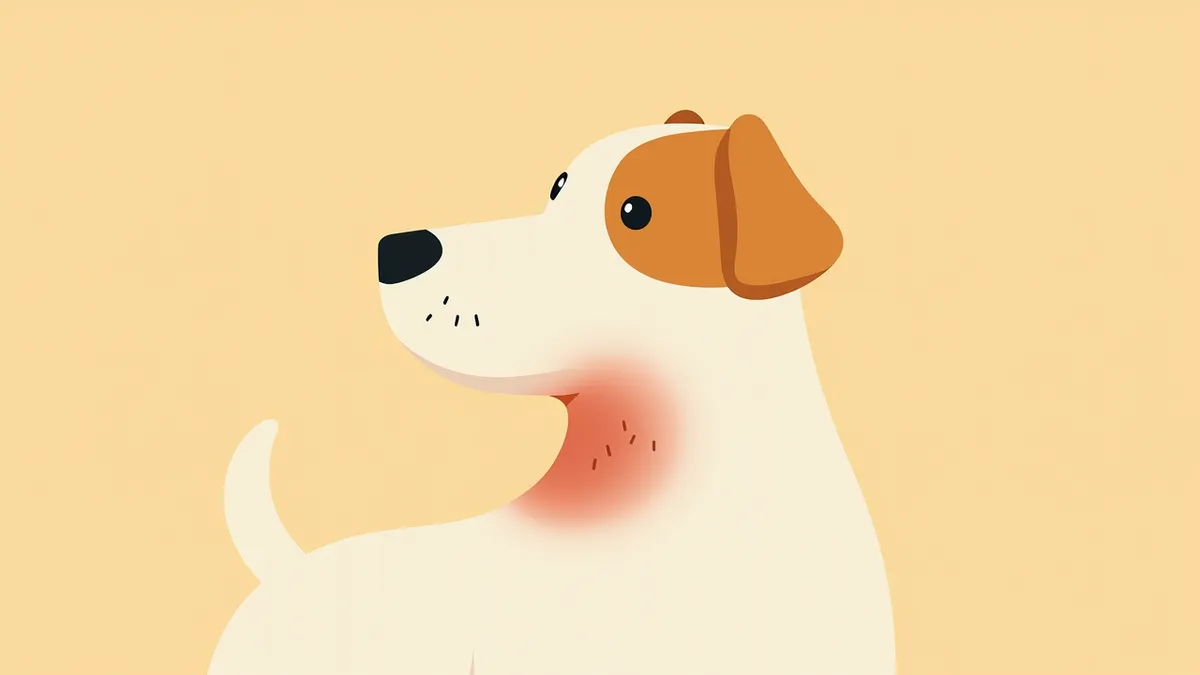
Know This: Managing Canine Thyroid Cancer

Know This 1: What is Canine Thyroid Cancer?

Know This 2: What are the Diagnosis and Treatment Options?

Know This 3: Management and Precautions, What Should You Know?
Canine Thyroid Cancer: What Owners Should Know
| Item | Key points |
|---|---|
| Symptoms | Palpable lump on the ventral neck, weight loss, vomiting, decreased activity, increased water intake (symptoms of hormone excess such as increased heart rate occur only in some cases) |
| Cause | Malignant transformation of thyroid cells; the exact cause is unclear (most are malignant) |
| Diagnosis | Blood and hormone tests, ultrasound (screening test), cell/tissue biopsy, CT |
| Treatment | Surgical resection, radioactive iodine, chemotherapy, prescription medication |
| Caution | Do not use unverified supplements or products claiming a cure; follow the veterinarian's instructions |
This is not a table recommending specific products or clinics, but a reference for when you consult your veterinarian. Treatment and testing decisions must always be made together with your veterinarian through an examination.
Caution: Hypothyroidism May Occur During Medication
During thyroid tumor treatment, especially after surgery or when using medications to lower thyroid hormone levels, there is a risk that hormone levels may drop too low, leading to hypothyroidism. This can cause symptoms such as lethargy, loss of appetite, and reduced activity. If you notice these signs, consult your veterinarian immediately to adjust medication dosage or consider hormone supplementation. Regular blood tests are essential to monitor hormone levels consistently.
Usage Tip: Enhance Effectiveness by Adjusting Administration Time and Environment

Reviewed by a veterinarian

Dr. Tony — Punnawat Phongkittirak
VeterinarianA veterinarian who majored in veterinary medicine at Khon Kaen University, Thailand, and completed the IVSA program at North Carolina State University in the United States. Drawing on clinical experience at animal hospitals, he works in the pet healthcare field and is dedicated to building a digital care environment that connects pet parents with veterinarians.
Reviewed 2026-06-01
Frequently Asked Questions
Can a dog’s thyroid cancer be cured?
Can my pet take other medications while on this treatment?
How should I manage my pet’s diet?
What is the likelihood of the condition recurring after treatment?
My dog won’t take his medication. What should I do?
Share
Related Guides

Top 5 Prescription Dog Foods for Diabetes Recommended by Veterinarians — Blood Sugar-Stabilizing Food Comparison
7 Key Products for Managing Feline Hypercalcemia Recommended by Veterinarians and Selection Criteria

7 Key Points for Canine Thyroid T4 Testing by Veterinarians — From Timing to Result Interpretation

Top Recommended Products for Managing Feline Urethral Stricture and Selection Criteria

Feline Ureteral Stones: Best Management Recommendations and Selection Criteria

The Best Products for Managing Feline Chronic Recurrent Urinary Tract Infections and Selection Criteria: A Complete Guide

Top Recommended Products and Selection Criteria for Managing Feline Proteinuria

Top Recommendations and Selection Criteria for Managing Frequent and Urgent Urination in Cats

Top Recommendations and Selection Criteria for Cat Perineal Urethrostomy (PU) Care

Top Recommended Products for Feline Neurogenic Bladder Management and Selection Criteria
References
[1] Peterson ME, Kintzer PP, Hurvitz AI. Methimazole treatment of 262 cats with hyperthyroidism. J Vet Intern Med. 1988;2:150.
[2] Fox P, Peterson M, Broussard J. Electrocardiographic and radiographic changes in cats with hyperthyroidism. J Am Anim Hosp Assoc. 1998;35:27.
[3] Textbook of Cardiovascular Medicine in Dogs and Cats. 2020. Blackwell Publishing Ltd.