Like
Share
멍실장
강아지 녹내장 관리 추천 BEST와 고르는 기준 총정리

7 Key Symptoms and Management Essentials for Canine Glaucoma Recommended by Veterinarians

Eye HealthTop PicksMeongsiljang Veterinary Advisory Board

Glaucoma in dogs is a serious eye condition that can lead to vision loss, making early diagnosis and proper management crucial. Learn about effective products and care methods.

Canine Glaucoma Is a Serious Eye Condition That Can Lead to Vision Loss

A close-up shot of a dog’s face with slightly cloudy eyes
Canine glaucoma is an eye condition in which impaired drainage of aqueous humor—the fluid that fills the eye—leads to a sustained rise in intraocular pressure, ultimately damaging the optic nerve. Symptoms may include redness of the eye (prominent scleral blood vessels), corneal clouding, excessive tearing, changes in pupil size, protrusion of the third eyelid, and squinting due to pain (blepharospasm). However, because these signs can also appear in other eye diseases, accurate diagnosis requires measuring intraocular pressure with a tonometer. If left untreated, glaucoma can progress from vision loss to complete blindness. The risk is particularly high in certain breeds with genetic predispositions—such as Cocker Spaniels, Basset Hounds, Boston Terriers, and Beagles—as well as in middle-aged and older dogs. Early diagnosis, regular ophthalmic examinations by a veterinarian, and consistent management of intraocular pressure are essential to preserving your dog’s vision.

Key Criteria for Selecting Canine Glaucoma Management Products

When selecting a supplement to support glaucoma management in dogs, it’s important to first understand that supplements alone cannot directly lower intraocular pressure or treat glaucoma. Actual control of eye pressure relies primarily on medications prescribed by your veterinarian—such as carbonic anhydrase inhibitors like dorzolamide and brinzolamide, or mannitol in emergency cases—along with anti-inflammatory treatments as needed. Therefore, supplements should be viewed strictly as supportive aids. It’s essential to verify that ingredients are clearly listed, choose a form that’s easy for your dog to take (capsules, liquids, or powders), and consult your veterinarian to ensure the supplement can be safely used alongside your dog’s current treatment plan. Always evaluate efficacy and safety conservatively, based on substantiated evidence rather than exaggerated claims.
Three forms of eye supplements for dogs: capsules, liquids, and powders

BEST 1: Luna Omega Eye Health Capsules
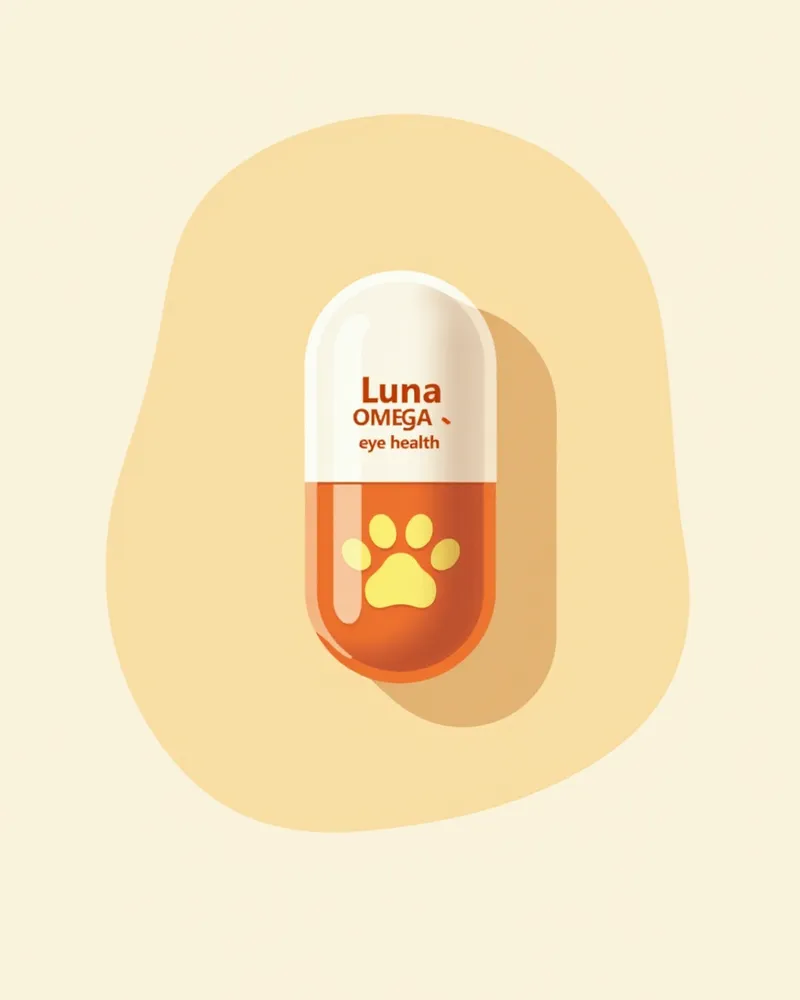
Luna Omega Eye Health Capsules are a supplement containing omega-3 fatty acids and lutein. Please note that the following information is intended for supportive purposes only and does not imply therapeutic effects. - Medication is essential for intraocular pressure control: There is no confirmed evidence that omega-3 fatty acids lower intraocular pressure (IOP). Managing IOP in glaucoma requires veterinarian-prescribed medications (such as carbonic anhydrase inhibitors and mannitol) and, when necessary, surgical treatment. - The role of omega-3: Omega-3 fatty acids are generally known for their anti-inflammatory properties and may be used as a supportive aid. - Ease of administration: The capsule form makes it easy to mix with food or treats. Please administer according to the dosage indicated on the product label and your veterinarian’s instructions. - Always combine with professional care: Supplements do not replace veterinarian-prescribed medications or regular intraocular pressure examinations. If using them alongside prescribed treatments, please consult your veterinarian beforehand.
Product photo of LunaOmega Eye Health Capsules

BEST 2: ProVita Eye Protection Liquid
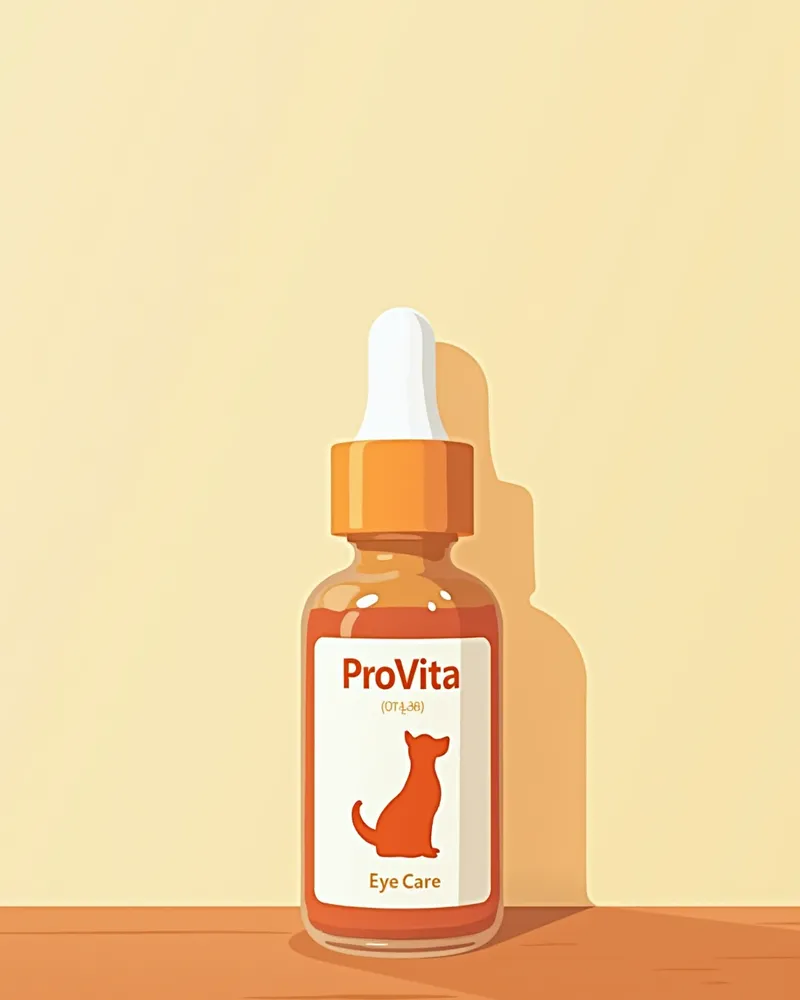
ProVita Eye Protection Liquid is a supplement formulated with ingredients such as lutein and omega-3 fatty acids, which are utilized for their antioxidant and anti-inflammatory properties. However, there is no evidence to support the claim that this supplement improves ocular blood flow or restores or maintains optic nerve function; therefore, it should be understood as a supportive nutritional aid rather than a definitive treatment. The cornerstone of preserving vision in glaucoma is adequately lowering intraocular pressure to prevent damage to the retina and optic nerve, which is achieved through intraocular pressure-lowering medications and anti-inflammatory treatments prescribed by a veterinarian. Its liquid form allows for convenient administration by mixing it into food or treats with precise dosing. If used alongside existing treatments, please consult your veterinarian. Consistent care combined with regular intraocular pressure examinations is of utmost importance.
Photo of ProVita Eye Care Liquid Product

BEST 3: Care Plus Vision Support Powder
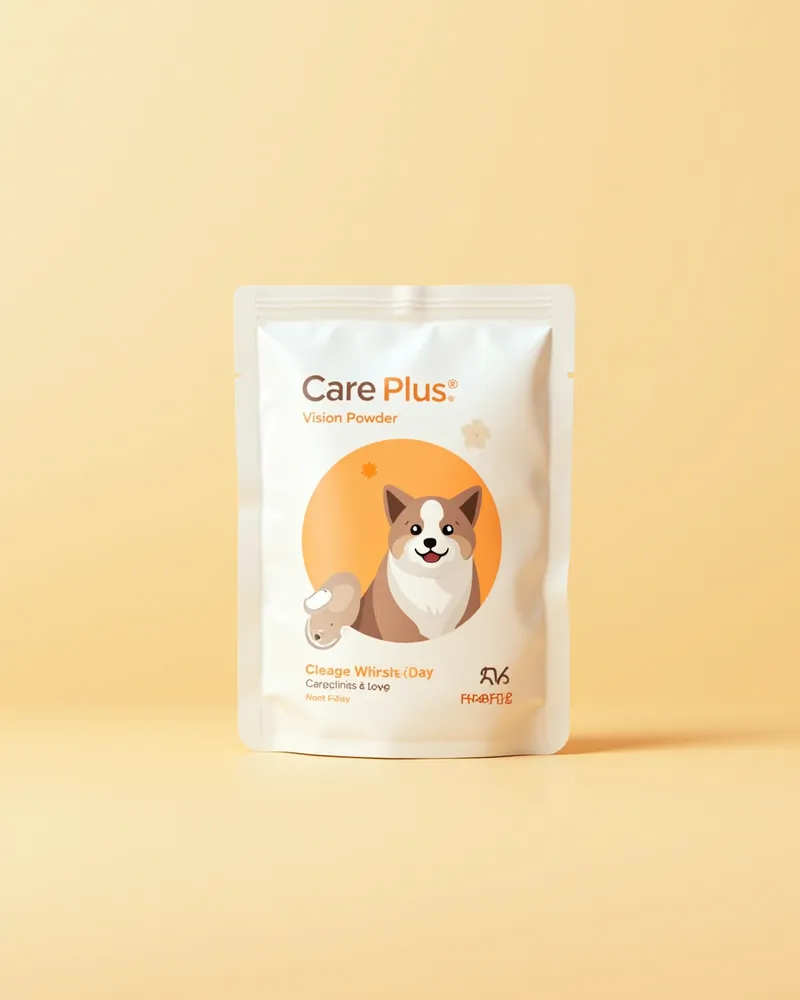
Care Plus Vision Support Powder is a supplement containing lutein, omega-3 fatty acids, and coenzyme Q10. Please view the following points from a supportive, rather than therapeutic, perspective. - Do not claim blood flow improvement: There is no evidence to support the claim that the supplement’s ingredients improve ocular blood flow, so it is best not to assert this as a proven effect. - Optic nerve protection is also supportive: The optic nerve-protective effects of coenzyme Q10 and lutein have not been confirmed by evidence. The key to protecting the optic nerve is maintaining intraocular pressure within the normal range. - Intraocular pressure control is managed by medication: Managing intraocular pressure in glaucoma primarily relies on veterinarian-prescribed medications (such as carbonic anhydrase inhibitors and mannitol) and anti-inflammatory or surgical treatments. - Ease of administration: The powder form can be easily mixed into food or treats. Please administer according to the dosage indicated on the product label and your veterinarian’s guidance. - Consult before combining: Supplements do not replace prescribed medications or regular intraocular pressure checks. Please consult your veterinarian before using them alongside other treatments.
Product photo of CarePlus Vision Support Powder

Comparison Table of BEST 1–3 Products

ItemLuna Omega CapsulesProvita LiquidCare Plus Powder
Main IngredientsOmega-3, luteinLutein, zeaxanthin, vitamin ELutein, omega-3, coenzyme Q10
FormCapsuleLiquidPowder
Daily Dosage1 tablet1 ml1 teaspoon
Additional BenefitsCapsule form makes administration convenientAllows precise dosage controlEasily fed by mixing into food

All products are supplements; they have not been proven to have therapeutic effects such as controlling intraocular pressure, and cannot replace veterinarian-prescribed medications and regular intraocular pressure checks. Consult your veterinarian before use.

Caution: Side Effects May Occur with Excessive Intake

Glaucoma management products for dogs may cause gastrointestinal symptoms such as diarrhea and vomiting if ingested in excess. In particular, products high in omega-3 fatty acids can affect blood clotting, so it is essential to strictly follow the dosage prescribed by your veterinarian. For safety, always consult your veterinarian before using any product.

5 Tips for Managing Canine Glaucoma

Managing glaucoma in dogs goes beyond just giving supplements; the foundation is a veterinarian’s diagnosis and controlling intraocular pressure with prescribed medication. It’s crucial to consistently administer the prescribed intraocular pressure-lowering drugs at the correct dosage and time, and to regularly measure intraocular pressure to ensure it stays within the target range (generally below 19–20 mmHg in dogs). In daily life, avoid environments that irritate the eyes, gently clean around the eyes, and create a setting that minimizes pain and stress. If symptoms like redness, pain, or cloudiness appear suddenly, seeking emergency veterinary care can help preserve vision. Consistent care and regular check-ups are key to maintaining your dog’s eyesight.
Gently wiping around a puppy's eyes

Reviewed by a veterinarian

Dr. Tony — Punnawat Phongkittirak

Dr. Tony — Punnawat Phongkittirak

Veterinarian

A veterinarian who majored in veterinary medicine at Khon Kaen University, Thailand, and completed the IVSA program at North Carolina State University in the United States. Drawing on clinical experience at animal hospitals, he works in the pet healthcare field and is dedicated to building a digital care environment that connects pet parents with veterinarians.

Frequently Asked Questions

Can glaucoma in dogs be cured?
While a complete cure remains elusive, early diagnosis and consistent management can help preserve vision or slow its decline. The goal of treatment is to sufficiently lower intraocular pressure to reduce pain and protect remaining vision, making it essential to work with your veterinarian to develop a tailored management plan.
When should I start giving my pet glaucoma management products?
Supplements don’t directly lower intraocular pressure; they play a supportive role. Therefore, it’s best to determine whether and when to use them after a veterinary diagnosis, as part of a regimen that complements prescribed medication. For high-risk breeds, it’s even more important to start regular ophthalmic exams early to detect glaucoma risk at an early stage.
Even after giving the product, the eye pressure does not decrease.
Supplements play a supportive role, while controlling intraocular pressure relies primarily on medications prescribed by a veterinarian, such as carbonic anhydrase inhibitors or mannitol in emergency cases. If intraocular pressure remains difficult to manage, it is essential to consult your veterinarian for adjustments to the medication regimen.
Can all dogs get glaucoma?
While any dog can develop glaucoma, certain breeds with a genetic predisposition are at higher risk. Closed-angle glaucoma is more commonly reported in Cocker Spaniels, Basset Hounds, Boston Terriers, and Shar-Peis, whereas open-angle glaucoma is more frequently seen in Beagles and Norwegian Elkhounds. Since the risk increases in middle-aged dogs and older, both breed-specific traits and age should be taken into consideration.
Is it safe to give glaucoma management products alongside prescribed medications?
While most supplements can be safely taken alongside medications, it’s essential to consult your veterinarian before use. Caution is advised due to the potential for interactions with medications.

Share

Related Guides

References

[1] Clinical Atlas of Canine and Feline Ophthalmic Disease, 2nd Ed. Elsevier, 2023.

[2] Plumb's Veterinary Drug Handbook, 10th Ed. Wolters Kluwer, 2022.

[3] Feline Emergency and Critical Care Medicine, 2nd Ed. Elsevier, 2021.

This information is based on veterinary literature and does not replace diagnosis or treatment. Please consult a veterinarian for specific health concerns.

Metapet Co., Ltd. | CEO: Park Sung-yong | Business Reg. No. 417-88-02562 | Seoul, South Korea | Customer Center

7 Key Signs and Management Tips for Canine Glaucoma, According to Vets | Meongsiljang