Like
Share
멍실장
강아지 항문주위선 종양 관리 추천 BEST와 고르는 기준 총정리

7 Management Strategies and Selection Criteria for Canine Anal Gland Tumors Recommended by Veterinarians

Oncology/CancerTop PicksMeongsiljang Veterinary Advisory Board

Anal gland tumors in dogs are common benign growths, but proper treatment and management are essential. Choosing the right products and care methods can help reduce the risk of recurrence.

Canine Anal Gland Tumors Are Benign Growths That Require Management Alongside Owners
A veterinarian examining the area around a puppy's anus.
Anal gland tumors in dogs are benign growths that commonly occur in intact male dogs. The most frequent type is the benign anal gland adenoma (also known as hepatoid gland tumor), which arises from modified sebaceous gland epithelium in the dermis. These tumors can develop anywhere on the rear part of the body, including not only the anal margin but also the tail, scrotum, prepuce, groin, and thighs, with the area around the tail and the buttocks being particularly common sites. Because their growth is driven by male sex hormones (androgens), intact males are at higher risk. As the tumor enlarges, it may cause discomfort during defecation. Castration often leads to tumor shrinkage, and surgical excision or radiation therapy are also effective treatment options. However, because cytology alone cannot reliably distinguish between benign and malignant tumors, a histopathological examination is recommended. - Monitor tumor size: Regularly examine the perianal area and document any changes in size. - Maintain skin hygiene: Keep the perianal skin clean using gentle, non-irritating methods. - Develop a management plan: Work with your veterinarian to establish a diagnosis and treatment strategy. - Prevent recurrence: For androgen-dependent tumors, castration is key to reducing the risk of recurrence.

4 Key Selection Criteria for Managing Canine Anal Gland Tumors
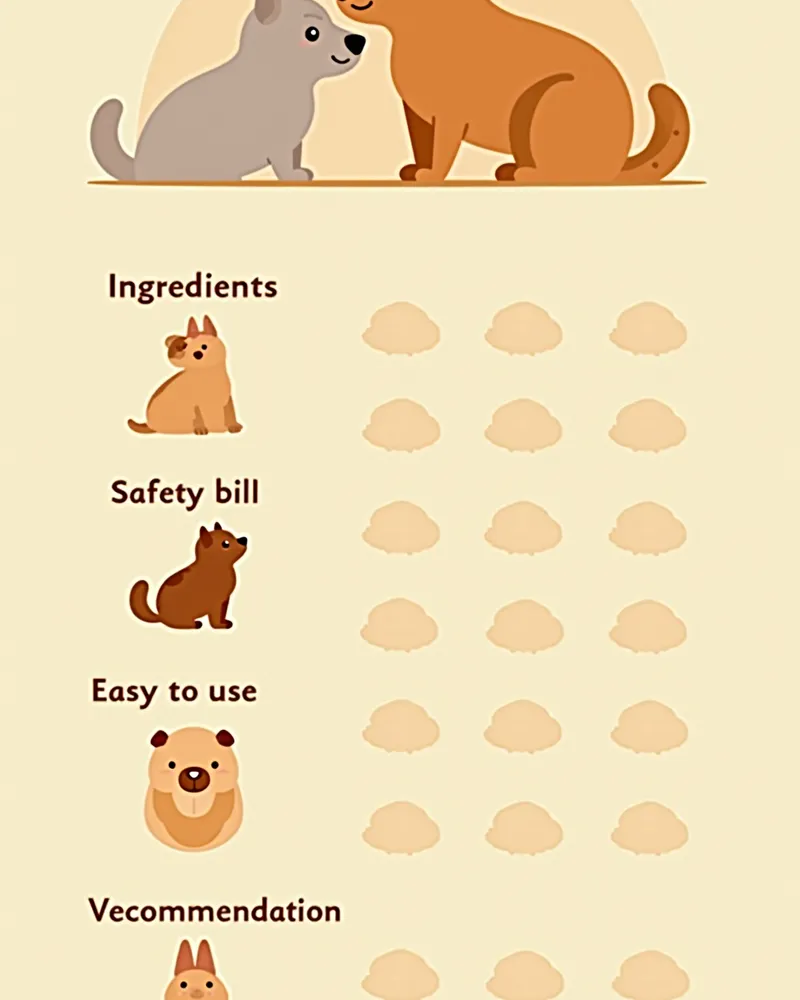
Treating anal gland tumors in dogs primarily involves neutering, surgical excision, or radiation therapy, all determined by a veterinarian’s diagnosis. When selecting supplementary skin hygiene products, it’s important to evaluate specific criteria. Carefully assess whether each factor aligns with your dog’s skin condition and care goals. Remember that topical products are not treatments to eliminate tumors; they serve as supportive aids to protect the skin around the anus and maintain cleanliness. Always consult your veterinarian for tumor assessment and treatment decisions. - Ingredient Safety: Prioritize ingredients that are gentle on the skin and recommended by veterinarians. - Functionality: Look for products that offer supportive benefits such as skin protection, cleanliness maintenance, and irritation relief. - Ease of Use: Choose formats like sprays or gels that are easy to apply, even after defecation. - Long-Term Usability: Ideally, select products that can be used safely over extended periods without side effects.
A comparison of criteria for selecting products to manage anal gland tumors in dogs

BEST 1: Topical Medication for Anal Gland Tumors (Skin Protection Type)
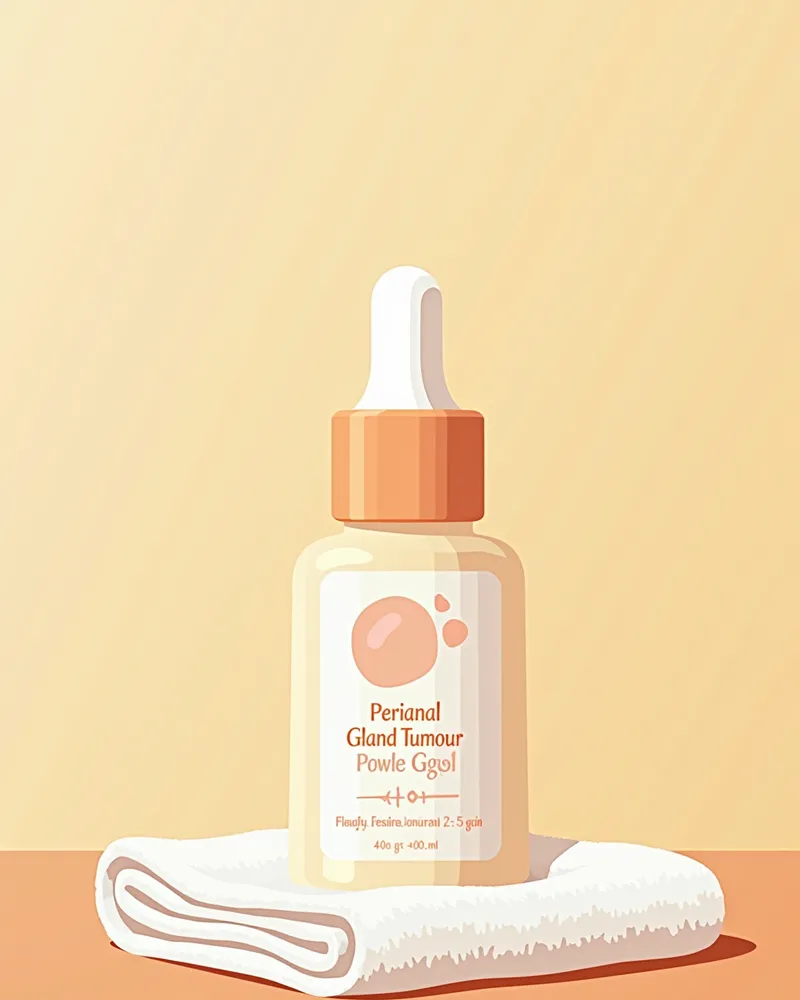
This product is a topical medication designed to protect the skin around the anus and soothe irritation. It contains ingredients such as propolis and aloe vera. It can be used as an adjunctive treatment when the skin surrounding a tumor becomes weakened. However, please remember that topical medications do not treat the tumor itself; primary tumor treatments typically involve neutering surgery, surgical excision, or radiation therapy. For safety, consult your veterinarian to determine the appropriate frequency and method of application. - Skin Protection: Helps maintain the skin barrier by reducing irritation. - Ease of Use: The gel formula stays in place without running. - Adjunctive Use: Serves as a supportive skin care measure, not a tumor treatment. - Veterinary Consultation: Consult your veterinarian before use to confirm suitability. - Condition Monitoring: Monitor the skin condition during use and discontinue if any abnormalities occur.
Product image of a topical medication specifically formulated for anal gland tumors

BEST 2: Spray for Anal Gland Tumor Management (Anti-inflammatory/Antibacterial Type)
This spray is a topical product designed to help keep the area around the anus clean. Its spray format makes it easy to apply directly to the target area. It contains ingredients such as tea tree oil and lemongrass extract. However, please note that this external-use spray does not treat tumors themselves; the cornerstone of tumor management remains neutering surgery, surgical excision, and radiation therapy. If you notice any irritation after use, discontinue application and consult your veterinarian. - Easy Application: The spray nozzle allows for precise application to the affected area. - Hygiene Support: Helps maintain hygiene around the anal region. - Supportive Use: This is an adjunct for skin care, not a treatment for tumors. - Post-Use Monitoring: Check for any signs of irritation or adverse reactions. - Veterinary Consultation: If your pet has sensitive skin, consult your veterinarian before use.
Scene showing the use of a spray for managing perianal gland tumors

BEST 3: Supplement for Anal Gland Tumor Prevention (Contains Antioxidant Ingredients)
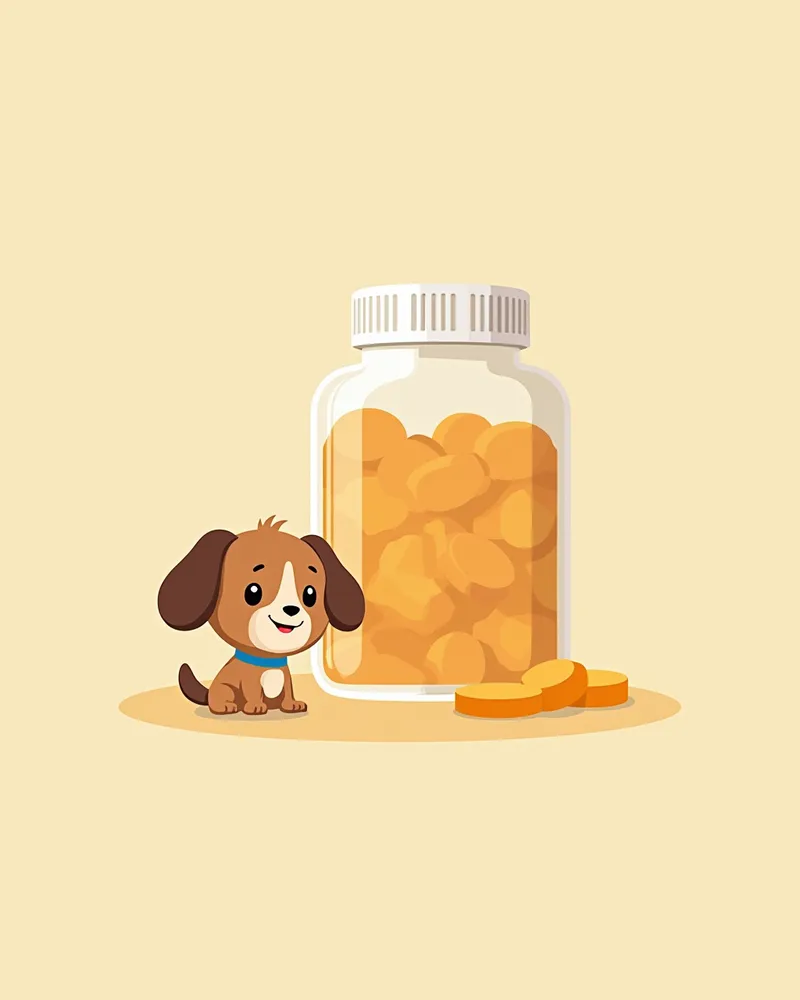
This supplement is an adjunct product designed to support overall health management, thanks to its antioxidant ingredients. Its key components, lutein and vitamin E, provide antioxidant effects. However, according to veterinary textbooks, perianal gland tumors grow under the influence of male hormones (androgens), so the most reliable way to reduce tumor occurrence or recurrence is neutering surgery, not supplements. Supplements are not tumor treatments but supportive aids, and they can be used safely only when administered at dosages recommended by a veterinarian. - Antioxidant effect: Antioxidant ingredients may help protect cells. - Overall health support: Balanced nutrition helps maintain general well-being. - Neutering is key to preventing recurrence: Neutering surgery reduces the risk of recurrence for androgen-dependent tumors. - Primarily natural ingredients: You can choose products with fewer synthetic additives. - Veterinary consultation is essential: Always consult your veterinarian before use.
Product image of a nutritional supplement for the prevention of anal gland tumors

Comparison of BEST 1–3 Products: Ingredients, Efficacy, Usage, and Recommendations

ItemProductMain ingredientsMain effectsRecommended?
BEST 1 TopicalPropolis, aloe veraSkin protection, soothing irritation (supportive)1–2 times a day, appliedSupportive means
BEST 2 SprayTea tree oil, lemongrass extractSupports perianal cleanlinessUsed after defecation, sprayedSupportive means
BEST 3 SupplementLutein, vitamin EAntioxidant (health support)Take after consulting a veterinarianSupportive means

These products are supportive means for skin and health care, not tumor treatments. Treatment of perianal gland tumors centers on neutering surgery, surgical excision, and radiation therapy; always consult your veterinarian on selection and use.

Caution: Seek Veterinary Care Immediately If the Tumor Rapidly Enlarges or Bleeds

If your pet’s anal gland tumor suddenly enlarges, bleeds, or causes pain during defecation, seek veterinary care immediately. Although most anal gland tumors are benign, they can rarely become malignant. Tumors that grow rapidly, ulcerate, or invade surrounding tissues are likely malignant and should not be ignored. After diagnosis, your veterinarian can initiate appropriate treatment, which may include neutering, surgical excision, or radiation therapy.

5 Tips for Managing Canine Anal Gland Tumors
Managing anal gland tumors requires more than just topical treatments. The most critical step is a proper diagnosis and treatment plan from your veterinarian. Since these tumors often grow under the influence of androgens, neutering is a key management strategy. In daily care, keeping the area clean after bowel movements and preventing skin irritation can also help. Working with your vet to create a management plan is the safest approach. - Maintain cleanliness after bowel movements: Gently wipe the area around the anus with a soft cloth to keep it clean. - Check skin condition: Examine the area around the anus for any swelling or bleeding. - Consult about neutering: If your male dog is intact, discuss neutering with your veterinarian. - Balanced diet: Consult your vet to maintain overall health with a balanced diet. - Regular check-ups: Have your vet monitor the tumor’s condition at recommended intervals.
Everyday scenes for tips on managing anal gland tumors in dogs

Reviewed by a veterinarian

Dr. Tony — Punnawat Phongkittirak

Dr. Tony — Punnawat Phongkittirak

Veterinarian

A veterinarian who majored in veterinary medicine at Khon Kaen University, Thailand, and completed the IVSA program at North Carolina State University in the United States. Drawing on clinical experience at animal hospitals, he works in the pet healthcare field and is dedicated to building a digital care environment that connects pet parents with veterinarians.

Frequently Asked Questions

Are anal gland tumors malignant?
Most anal gland tumors are benign. However, it is difficult to definitively distinguish between benign and malignant tumors based on cytology alone, and although rare, benign tumors can occasionally become malignant. Therefore, a biopsy is recommended for confirmation.
Will the tumor disappear with topical medication alone?
Topical treatments alone won’t make the tumor disappear. Anal gland tumors grow under the influence of male hormones, so the cornerstone of treatment is neutering surgery, with surgical removal or radiation therapy also being effective options. Topical products are merely a supplementary aid for skin care.
When should I start giving my pet nutritional supplements?
Supplements are not tumor treatments but rather supportive tools for health management. The most effective way to reduce the occurrence or recurrence of tumors is through neutering surgery. Please consult with your veterinarian to determine the appropriate timing and dosage for supplement use.
Should I avoid using the spray too frequently?
Overuse can cause skin irritation. Follow the product instructions and your veterinarian’s guidance for usage frequency, and carefully monitor your pet’s skin condition.
Can I choose a product without consulting a veterinarian?
It’s safest to choose after receiving a diagnosis and recommendation from a veterinarian. The appropriate management approach varies depending on the tumor’s condition, and most importantly, treating the tumor itself requires veterinary care.

Share

Related Guides

References

[1] Veterinary Surgical Oncology, 2nd Ed. W.B. Morrison, editor. Jackson: Teton NewMedia, 2002.

[2] Plumb's Veterinary Drug Handbook, 9th Edition. D.C. Plumb, 2021.

[3] Textbook of Respiratory Disease in Dogs and Cats. Cowell RL, Tyler RD, Meinkoth JM, editors. St Louis: Mosby, 1999.

This information is based on veterinary literature and does not replace diagnosis or treatment. Please consult a veterinarian for specific health concerns.

Metapet Co., Ltd. | CEO: Park Sung-yong | Business Reg. No. 417-88-02562 | Seoul, South Korea | Customer Center

Canine Anal Gland Tumors: 7 Vet Management & Selection Tips | Meongsiljang