Like
Share
멍실장
강아지 네뷸라이저 치료 관리 추천 BEST와 고르는 기준 총정리

Top Recommended Nebulizer Therapy Management for Dogs and Selection Criteria

RespiratoryTop PicksMeongsiljang Veterinary Advisory Board

Nebulizer therapy is an effective way to manage respiratory conditions in dogs. Choosing the right device and following proper maintenance practices are key.

What Is Nebulizer Therapy for Dogs?

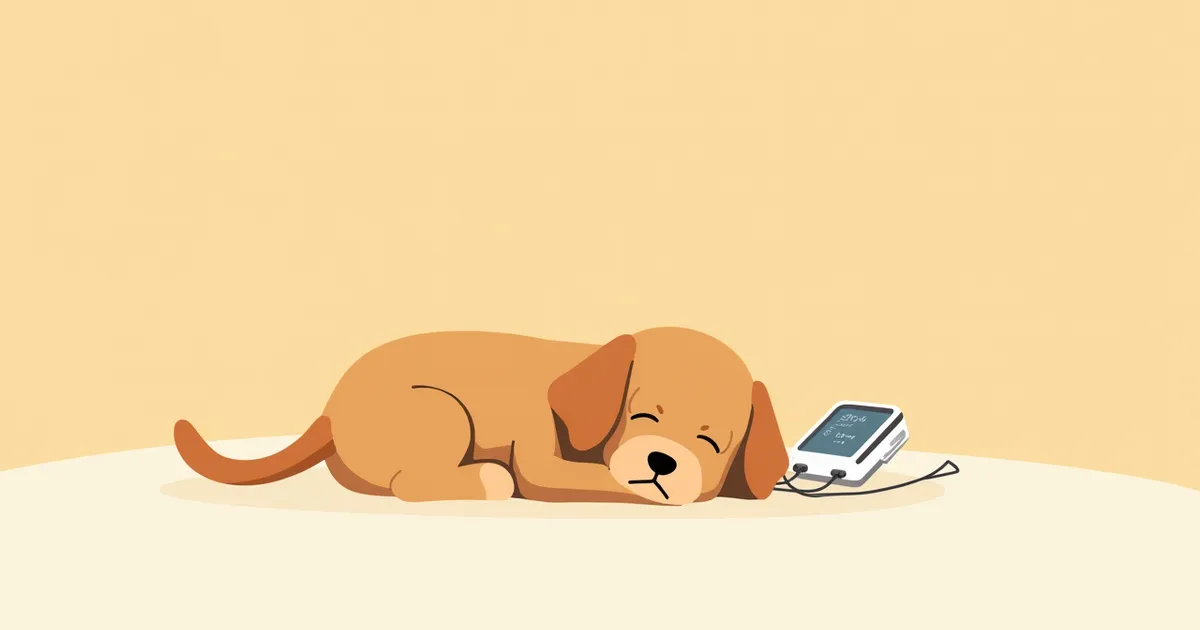
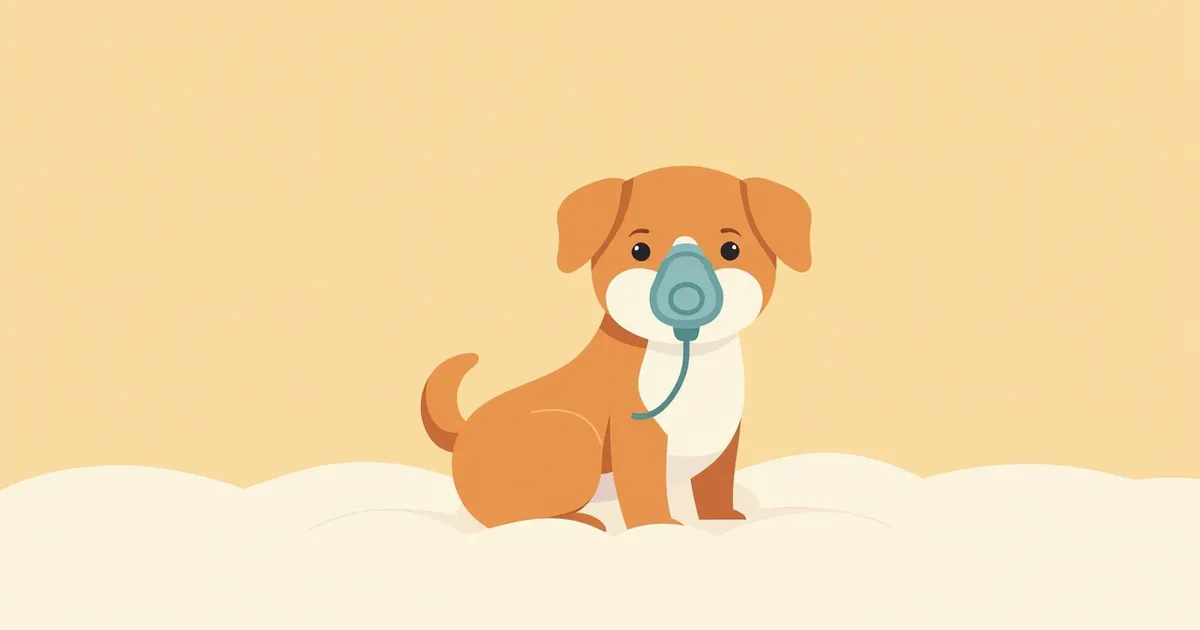
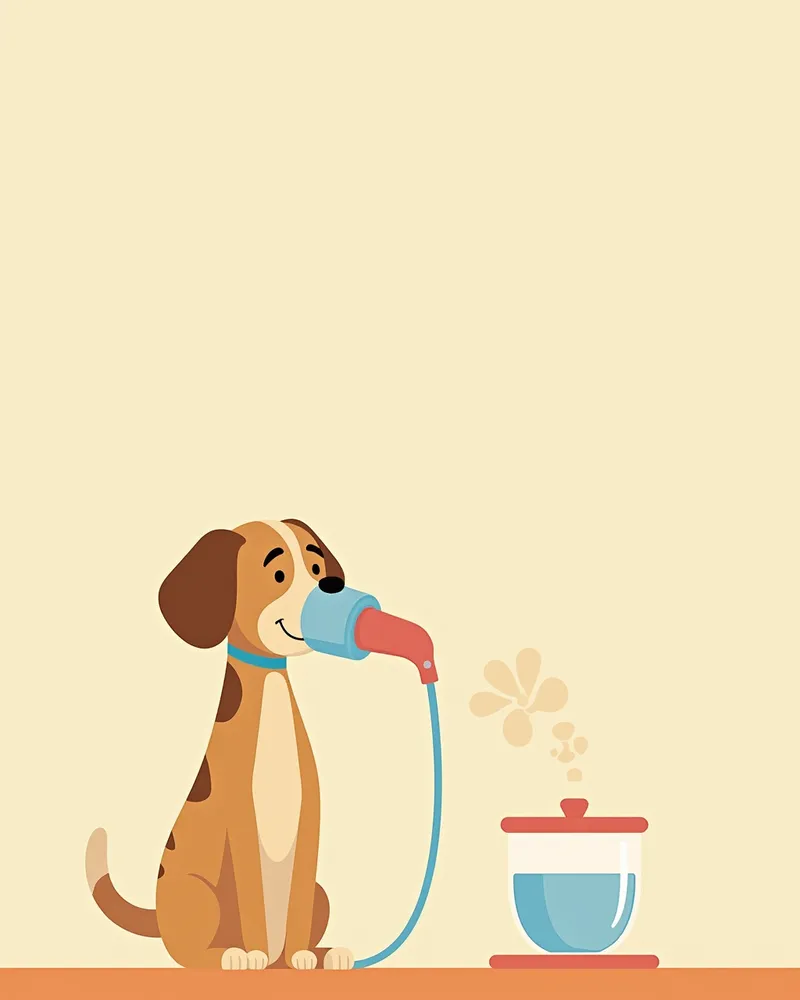
A puppy receiving treatment while wearing a nebulizer mask
Nebulizer therapy for dogs delivers medication or saline as a fine mist deep into the bronchi and lungs. It is used for dogs with respiratory symptoms such as coughing, wheezing, and difficulty breathing, particularly in cases of chronic bronchitis, other bronchial diseases, and lower respiratory issues like kennel cough. The main advantage is that it delivers medication directly to the affected area while minimizing systemic absorption, thereby reducing side effects. However, it is important to note that the efficacy of inhalation therapy is not yet fully established scientifically, and discussions regarding its effectiveness continue. Therefore, it is essential to use only medications prescribed by a veterinarian, strictly following the prescribed method and dosage, and to adhere consistently to the scheduled treatment plan.

Selection Criteria: What to Check When Choosing a Nebulizer for Dogs
Nebulizer therapy for dogs delivers medication or saline solution as a fine mist, allowing it to reach deep into the bronchi and lungs. It can be used for dogs with respiratory symptoms such as coughing, wheezing, and difficulty breathing, and is particularly effective for lower respiratory tract conditions like chronic bronchitis, aspiration pneumonia, and bronchitis. While this method delivers medication directly to the lungs, potential side effects vary depending on the type and concentration of the drug, so it must always be used under veterinary guidance. Efficacy and dosage also depend on the specific medication and condition. Regular use is often required, so please always consult your veterinarian regarding the proper use of both the device and the medication.
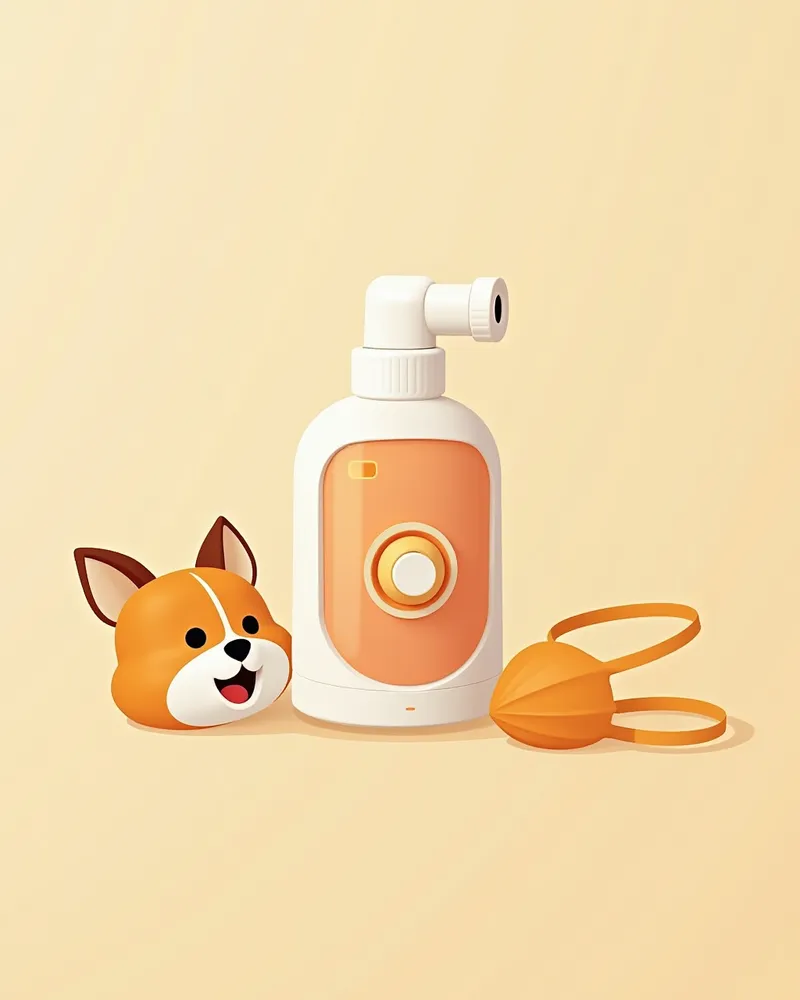
Detailed specifications of the dog nebulizer therapy device and mask

Check 1: Particle Size That Reaches Deep into the Lungs (1–5 μm)

The key performance factor of a nebulizer is how finely it atomizes medication or saline solution. The particle size should be between 0.5 and 5 micrometers so that the mist can bypass the nose and throat and reach deep into the bronchi and lungs. When choosing a product, make sure its particle size falls within this range. However, always use only medications prescribed by your veterinarian at the specified dosage, and never add any medication to the nebulizer on your own.
Pet Care Pro Nebulizer and Mask Set

Check 2: Low Noise and Proper Mask Fit
Dogs are sensitive to unfamiliar noises and pressure, so choose a model with low operating noise to minimize treatment resistance. The mask must fit snugly to your dog’s face shape and coat to prevent medication leakage and ensure effective inhalation. Check whether the mask size is adjustable and whether the material is soft enough to avoid skin irritation. Start with short sessions and gradually build familiarity by pairing the process with treats, which helps reduce your dog’s anxiety.
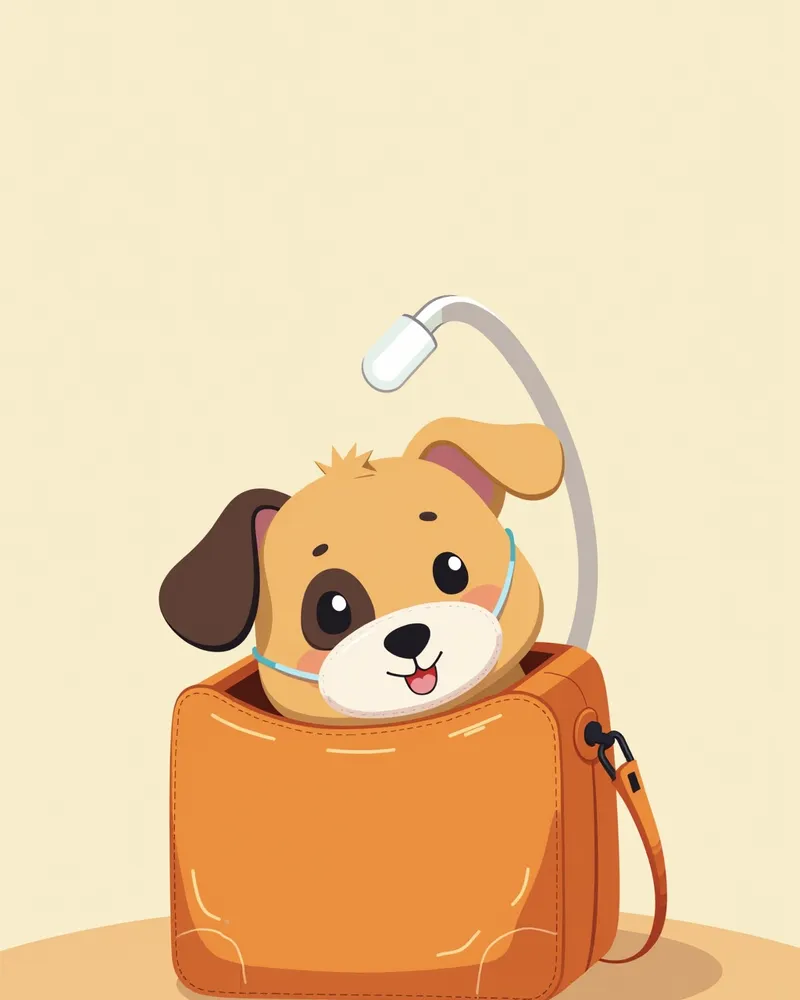
The Luna portable nebulizer packed in a travel bag

Check 3: Easy to Clean and Convenient for Regular Use
Nebulizers require strict hygiene, so choose a model with detachable parts that are easy to clean and dry to prevent bacterial growth and ensure safe, long-term use. If you’ll be using it frequently for chronic respiratory conditions, also consider portability, power options (such as rechargeable batteries), and how easy it is to replace parts. Since consistent, scheduled treatment matters more than the device itself for achieving results, opt for a user-friendly model and confirm proper usage with your veterinarian.
Medicare Standard Nebulizer and Mask Set

Dog Nebulizer Selection Checklist

ItemVerification Criteria
Nebulized ParticlesParticle size of 0.5–5 ㎛ that reaches deep into the lungs
Noise & MaskA soft, size-adjustable mask that is low-noise and fits closely to the face and fur
HygieneA structure with detachable parts that are easy to clean and dry
Continued UseWhether it is convenient for consistent use in terms of portability, power source, and parts replacement
MedicationMedication placed in the device must strictly follow the veterinarian's prescription and dosage

This is not a table recommending specific products or clinics, but a reference for consulting with your veterinarian. Always make treatment and testing decisions together with your veterinarian through an examination.

Precautions and Contraindications

Nebulizer therapy for dogs should always be administered under the guidance of a veterinarian. If the medication concentration or frequency of administration is inappropriate, it can cause airway irritation, leading to symptoms such as coughing or drooling. Care must also be taken to prevent excessive moisture from over-saturating the respiratory tract. If the mask does not fit snugly against the dog’s face, the medication may leak and fail to be properly inhaled. If your dog is experiencing severe respiratory distress or appears disoriented, immediate veterinary care and oxygen therapy take precedence over nebulizer treatment. In cases of acute respiratory distress, do not force inhalation therapy; instead, consult your veterinarian carefully to determine the best course of action.

5 Usage Tips
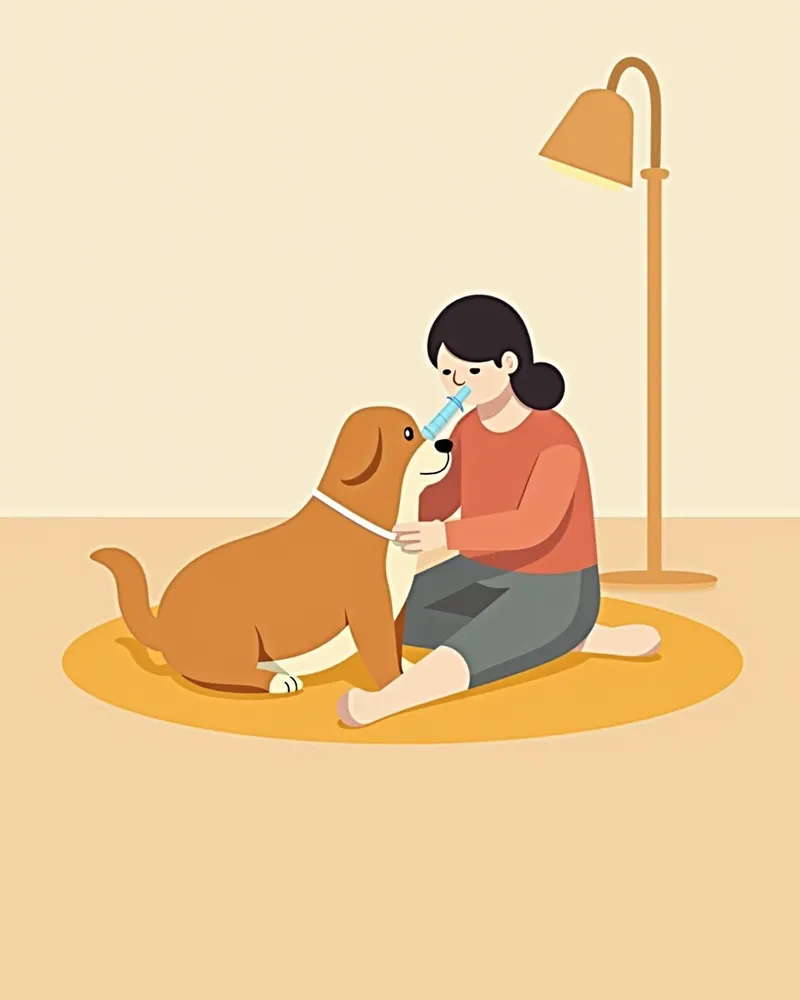
To ensure your dog gets the most out of nebulizer therapy, please follow these essential tips: Rest before treatment: Allow your dog to rest for about 10 minutes to help them relax and reduce anxiety. Mask training: Start by having your dog wear just the mask, then gradually increase the duration of the treatment sessions. Rest after treatment: Let your dog rest in a quiet environment for 5–10 minutes following the session. Device cleaning: Rinse the components with water after each daily use, and disinfect them with a cleaning solution once a week. Record keeping: Keep a log of the treatment schedule and your dog’s responses, and share this information with your veterinarian regularly.
The puppy is wearing a nebulizer mask and appears calm.

Reviewed by a veterinarian

Dr. Tony — Punnawat Phongkittirak

Dr. Tony — Punnawat Phongkittirak

Veterinarian

A veterinarian who majored in veterinary medicine at Khon Kaen University, Thailand, and completed the IVSA program at North Carolina State University in the United States. Drawing on clinical experience at animal hospitals, he works in the pet healthcare field and is dedicated to building a digital care environment that connects pet parents with veterinarians.

Frequently Asked Questions

My dog refuses to wear the nebulizer mask. What should I do?
Don’t force the mask on from the start; instead, gradually acclimate your pet through training. Offer treats to create positive associations.
How many times a day should it be used?
Use the medication according to the frequency and intervals prescribed by your veterinarian. Depending on the drug and condition, it may be repeated every few hours, and the schedule can be adjusted based on the stage of treatment and symptoms. Always consult your veterinarian to determine the exact frequency and interval.
Can nebulizer medications be prepared at home?
No. Only medications prescribed by a veterinarian should be used. Over-the-counter drugs can irritate the lungs.
My puppy’s cough has gotten worse during treatment. Is this normal?
Coughing may temporarily worsen at the start of treatment. However, if it persists or breathing becomes significantly difficult, consult your veterinarian immediately.
Where should I store the device?
Store in a cool, dry place with minimal dust. Avoid direct sunlight and clean regularly to prevent dust buildup.

Share

Related Guides

References

[1] BSAVA Manual of Canine and Feline Dermatology, 4th Ed, 2023

[2] 100 Top Consultations in Small Animal General Practice, 2022

[3] Plumb's Veterinary Drug Handbook, 9th Ed, 2021

This information is based on veterinary literature and does not replace diagnosis or treatment. Please consult a veterinarian for specific health concerns.

Metapet Co., Ltd. | CEO: Park Sung-yong | Business Reg. No. 417-88-02562 | Seoul, South Korea | Customer Center

Dog Nebulizer Therapy: Best Devices & How to Choose | Meongsiljang